When you enter your vehicle’s info into the vehicle selector tool on the FCP Euro home page, the website automatically filters all the parts guaranteed to fit your vehicle. Narrowing down the hundreds of thousands of parts to just a handful makes the search much easier, but it doesn’t give you any insight into what to buy. In the case of engine oil, your vehicle likely has more than five variations of an oil change kit and even more choices for oil, sans the appropriate supporting parts. At that point, it's up to you.
Oil is Oil...Right?
The answer to that is emphatically no. Engine oil is a complex concoction of lubricants, minerals, and additives that tailor each mixture to a range of characteristics, so don’t ever assume that one with a similar viscosity rating is identical. Domestic, European, and Asian engines are all built with differing engineering processes, ideas, and materials, so their lubricant requirements vary. That’s why you’ll find jugs marked for one region or another at your local auto parts store. However, before you can get into the specifics, you must know if it’s synthetic or conventional.
Conventional oil is purely refined dinosaur juice, fresh out of the ground. It was the standard for many years, but its natural nature means it breaks down with use, eventually creating sludge that'll clog oil passageways and other areas. When that happens, the oil’s ability to protect the engine’s internal components from metal-on-metal contact is significantly reduced, essentially eliminating its effectiveness. For those reasons, conventional oil has a typical replacement interval of 3000 miles
On the other hand, synthetic oil is a man-made concoction born in a laboratory. After decades of experimentation, synthetic became the de facto choice for engine and gear oils, and for good reason. The carefully chosen formulas are much tougher molecularly than those of conventional oil. Thanks to the much-improved lubricating properties, synthetic oil change intervals can easily reach the 5000-mile mark without a reduction in engine protection.
So what does that mean for you?
Well, if you’re searching for oil on fcpeuro.com, you don’t have to worry about that, as each brand on the site is tailored for European cars and likely made by a European company. Vintage models with larger oiling ports and less-stressed engines have a few conventional formulas dedicated to older vehicles, and all of the modern stuff is paired with the best of today’s synthetics. Everything suggested will get you 98% there; you just have to choose the specifics.
Who’s Who? Looking At The FCP Euro Oil Suppliers
Castrol
Castrol has been around a long time, and it's leveraged its experience providing lubricants for the first airplanes and automobiles over a century ago to become one of the most well-known providers today. Automotive engine oil remains a major focus, providing major manufacturers with their preferred fluid and supporting cutting-edge motorsport performance. A fresh blend has brought it back into focus at FCP Euro, and new oil change kits are avilable featuring the fresh oil. Get acquainted with Castrol’s offerings below and shop for your vehicle.
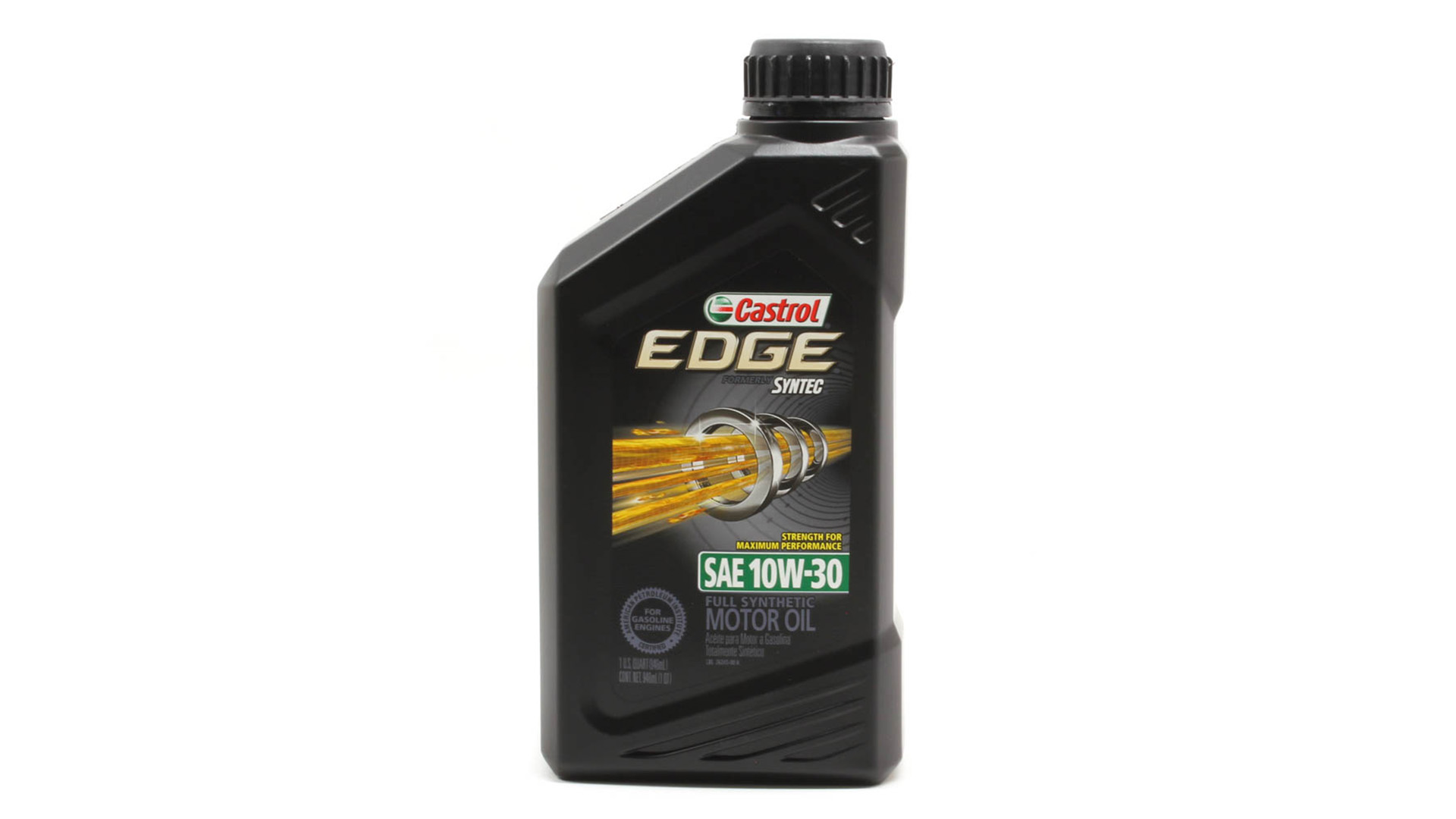
EDGE
EDGE is Castrol's long-time main engine oil formula. It’s been the OE fill for several automakers, including Volvo and JLR, and remains a popular choice for many DIYers, regardless of make. Its main selling point is its Fluid TITANIUM Technology. The specialized, patented additive formula provides superior durability for engines with higher cylinder pressures, reduces metal-to-metal contact across a range of driving speeds, and reduces deposit formation, ensuring oil passages remain clean and high-flowing.
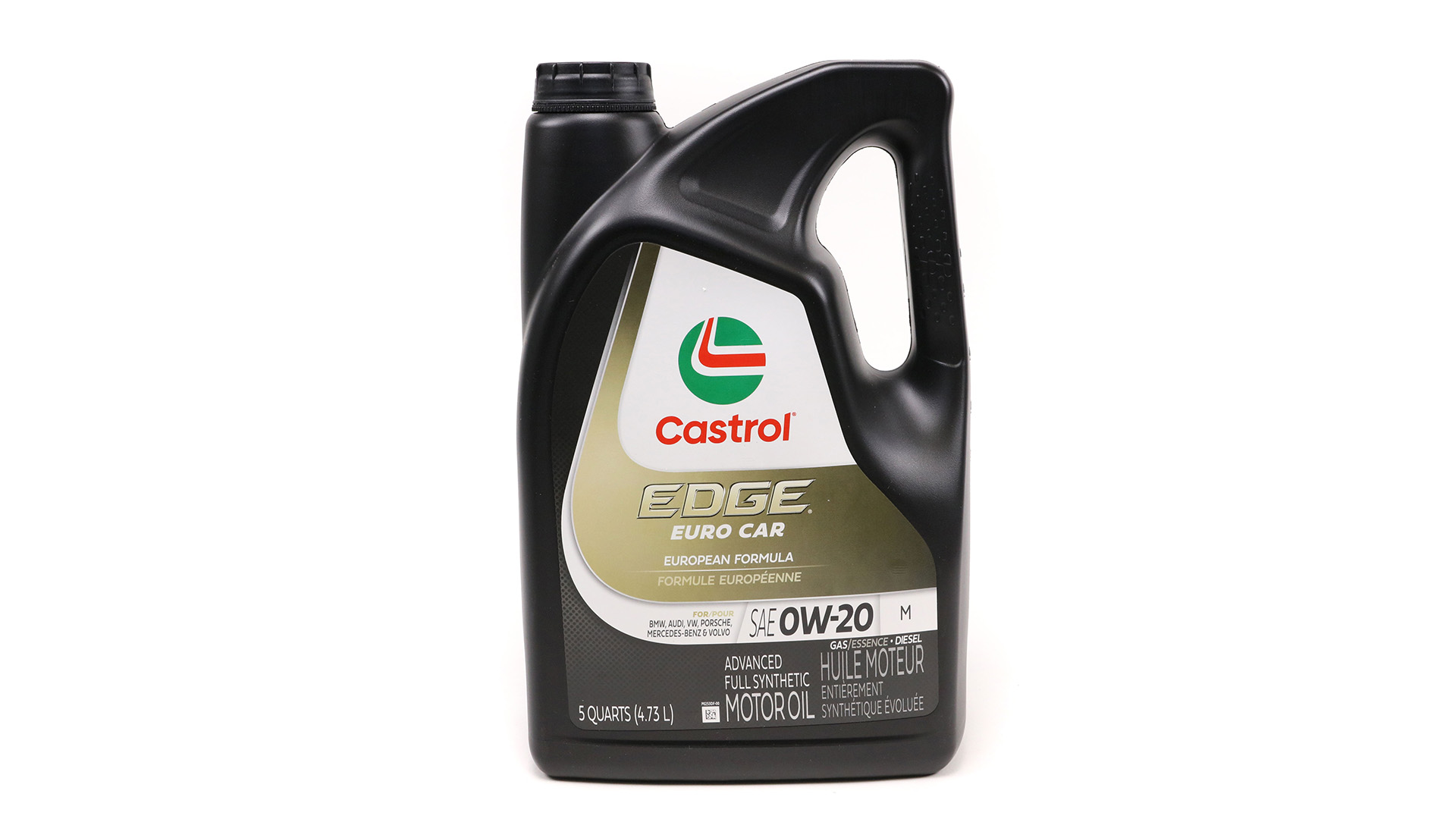
EDGE Euro Car
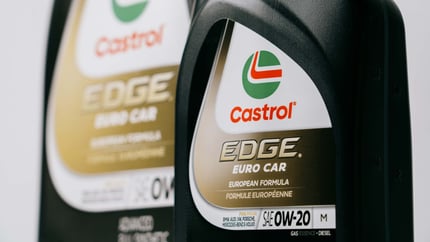
FCP Euro has carried Castrol products for decades, and a recent update to the Euro-specific oil line has brought a new wave of oil options to our catalog. Castrol EDGE Euro Car is the one formula to rule them all for the vast majority of modern European vehicles, as it has earned certifications from all FCP Euro-supported brands. Those certifications are notoriously difficult to earn, but Castrol has reached each one while providing a wide range of viscosities for the plethora of Euro engine options. It remains the OE oil for Volvo vehicles, and an OEM for others. This is the latest Castrol has to offer!
Motul
French contributions to the automobile’s legacy are far-ranging. While best known for quirky cars and the 24 Hours of Le Mans, French-born lubricants supplier Motul was the first to offer a fully synthetic Ester-based engine oil for automotive use. Their oil production started some forty years before their synthetic 300V blend debuted in 1971, and it’s only evolved and expanded since then. Today, they're highly respected in the automotive community, providing the lubrication for top-spec race cars worldwide.
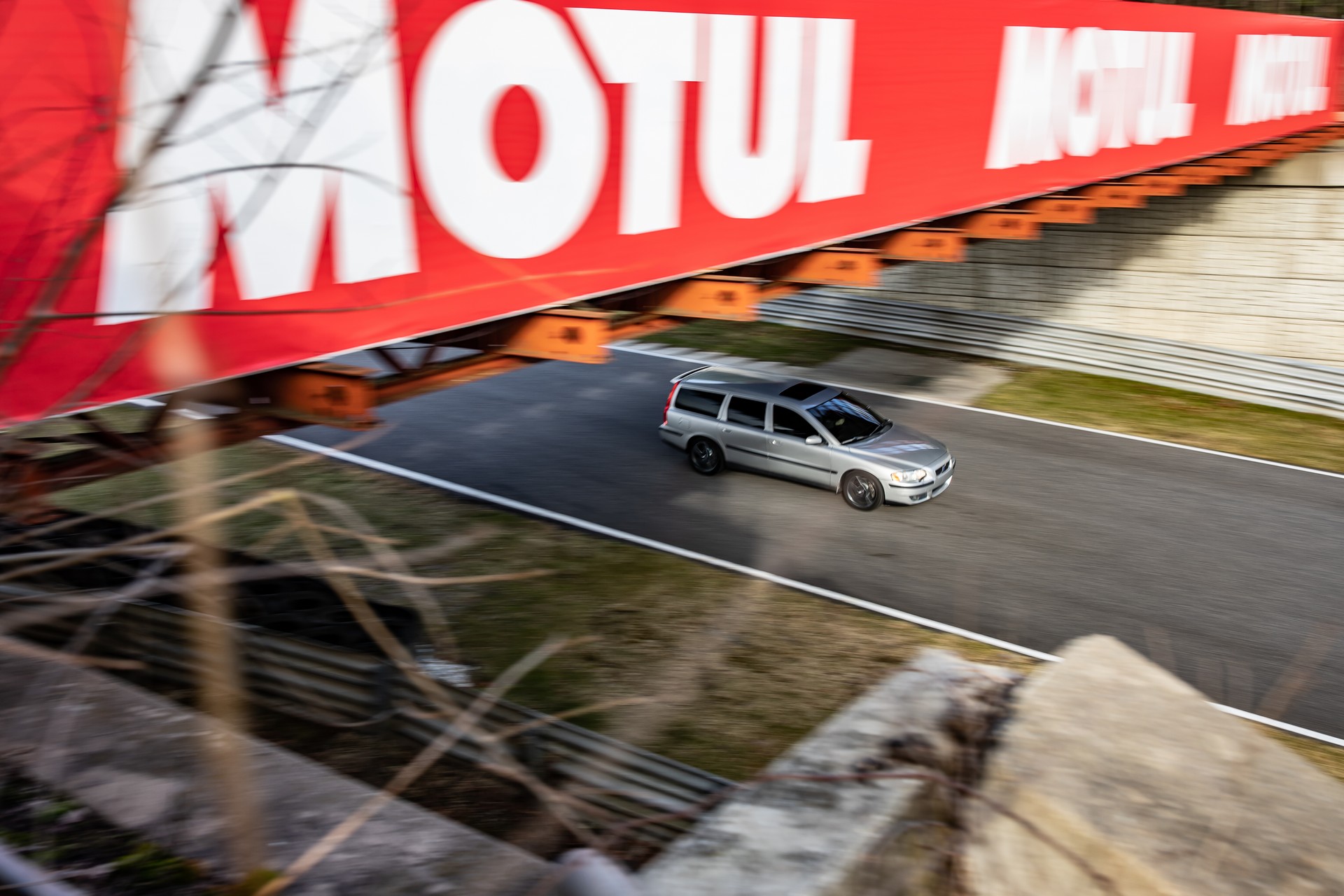
Motul offers a dizzying array of conventional and synthetic engine oils with various focuses. They range from the thinnest fluids for modern engines chasing maximum fuel economy to honey-thick, zinc-heavy mineral-based oils for vintage and classic vehicles. Lots of engineering is in each drop of Motul oil, so no matter which you choose, you’ll have quality motor oil flowing through your engine.
8100
Something under the 8100 banner is a great option for street-based engines. Motul has several formulations under the 8100 name, with X-cess gen2, X-clean+, and X-power, each fitting to one brand or another. You won’t have to worry about which is best for you, though, as the kits selected for your vehicle will have what’s best.
300V
It’s been several decades since the original 300V formula entered pit lanes across Europe, and Motul has continually evolved the oil into its best version. As engines have required thinner oil, Motul has continued to adapt its most protective racing oil to meet the changing needs. Now, the 300V line covers three distinct blends: Power, Competition, and Le Mans. Each is based on Motul’s Ester Core Technology and is offered in more than ten viscosities, with Power as the lightest weight and Le Mans as the heaviest. Pour these into your track-going machine and enjoy the benefits of modern oil meant for the harshest motorsports conditions.
Specific
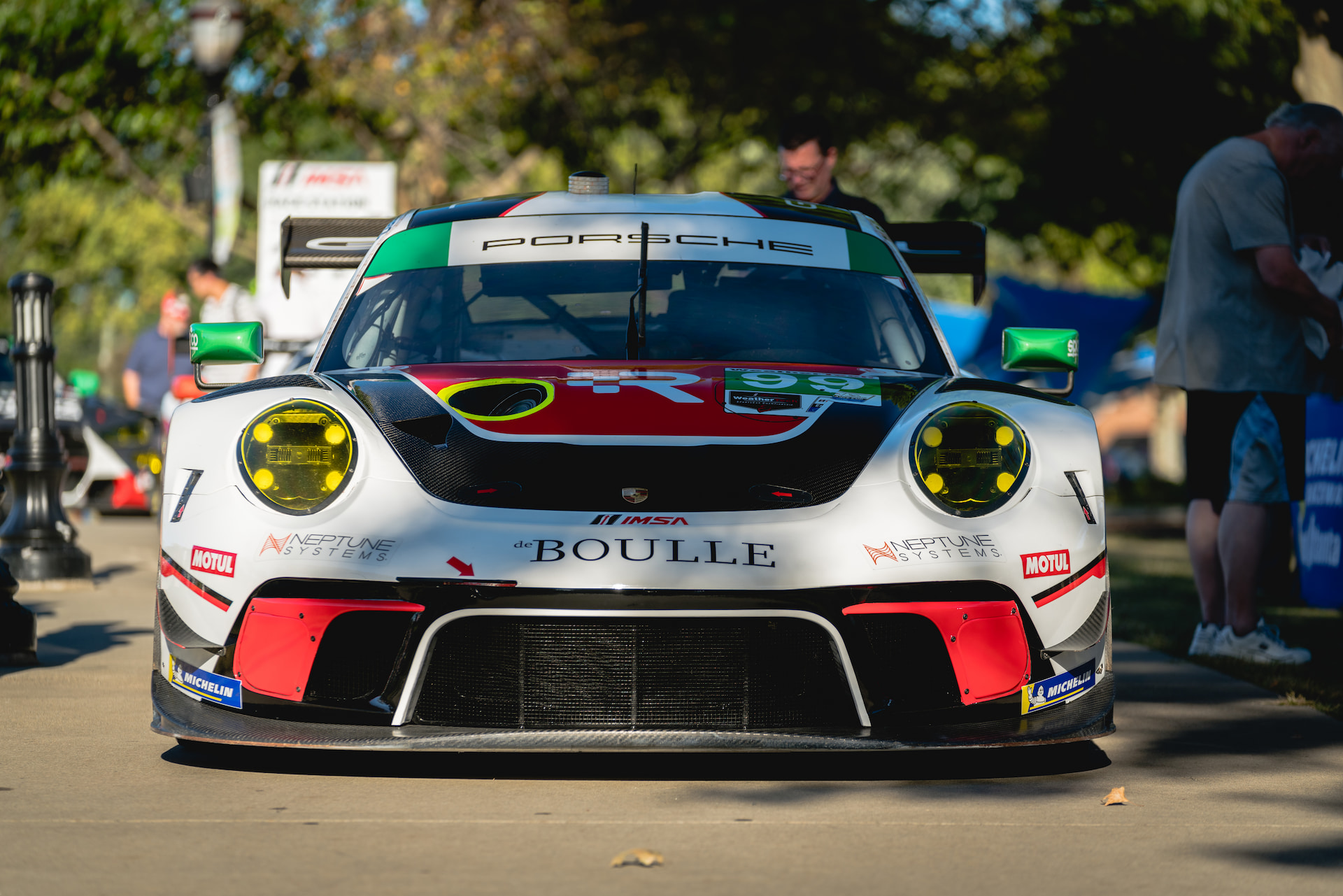
If you want an engine oil designed solely to your manufacturer’s exact specifications, this is it. Motul creates each version to one manufacturer’s requirements, focusing only on them. As such, the oil made for BMW isn’t the same as that of Porsche, and neither is it the same as that of Volvo.
Motul Classic
Everyone should experience the joys of classic motoring. The driving experience is significantly different, with lower weight, power, and grip, and so is the mechanical engineering within. Older engines have larger clearances and different metallurgies, so Motul has created a line of oils to ensure those older requirements are still met and exceeded. All are high in zinc (ZDDP) and molybdenum for extra protection in engines with flat-tappet camshafts and solid lifters. However, the Eighties and Nineties blends are lighter and semi-synthetic, ensuring their differing requirements from the ‘70s and earlier engines are accounted for.
LIQUI MOLY
LIQUI MOLY oil products and additives are the backbone of FCP Euro’s oil selection. Hailing from Germany, the oil specialists have been developing additives and engine oil for nearly seventy years, and one of their earliest products, the MoS2 additive, is still in production today. All those years spent refining their engine oils alongside the evolving European automotive landscape have positioned them as one of the best options for your European vehicle, and their expansive offering ensures that a few options are available, no matter what you drive. However, many options can make for an overwhelming choice—hence this article—so here are some insights into the smattering of formulations you can find from LIQUI MOLY in an FCP Euro oil change kit.
Leichtlauf High-Tec
This is LM’s top oil for a European car, whether commuter or performance-oriented. It comes in the iconic blue bottle and is formulated to the latest Euro-manufacturer oil specifications, often exceeding them.
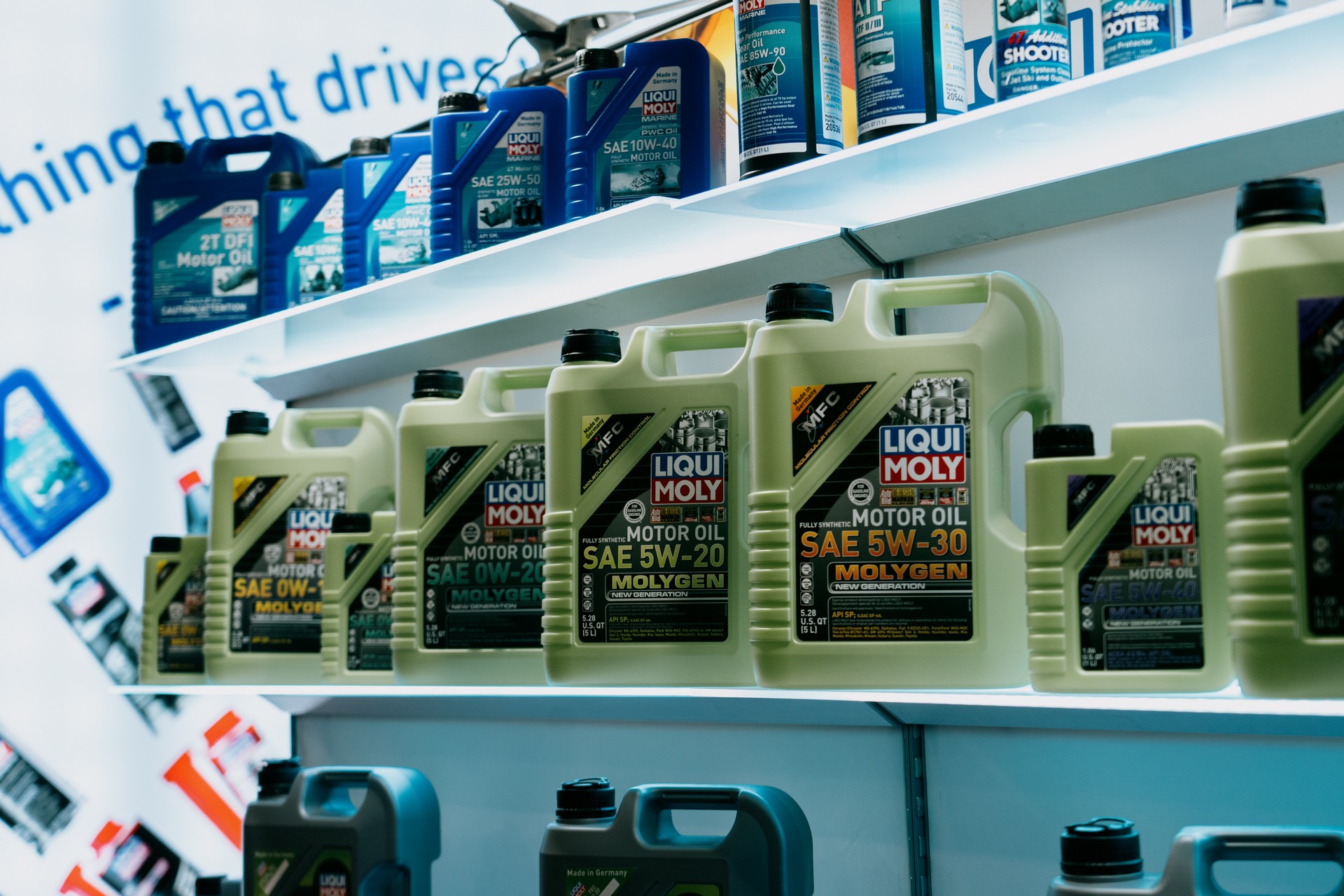
Molygen New Generation
Clunky name aside, the newest formulation of LM’s Molygen offers unique protection and a special feature. It uses the same synthetic base as other LM oils, enhanced by a special additive package called MFC (Molecular Friction Control) technology that prevents deposit formation and reduces frictional losses. It’s also fluorescent green and reacts to UV light, allowing you to trace back any oil leaks with the proper light.
Top-Tec
The Top-Tec branding is a family of formulations, each tailored to a slightly different standard. European manufacturers offer all sorts of engines with varying requirements, so there are a handful of blends, each with somewhat different additives and properties to account for that. Protection is similar to that of the Leichtlauf.
Synthoil Race Tec GT1
While many LM oils are likely fine for your European vehicle, engineers designed Synthoil Race Tec GT1 for the high-revving, normally aspirated engines found in older performance models like the E46 M3 and E39 M5. Its higher thermal stability protects against the extreme conditions experienced above 7000rpm. However, it’s optimized for those without turbochargers, so anyone running boost should look for a different oil.
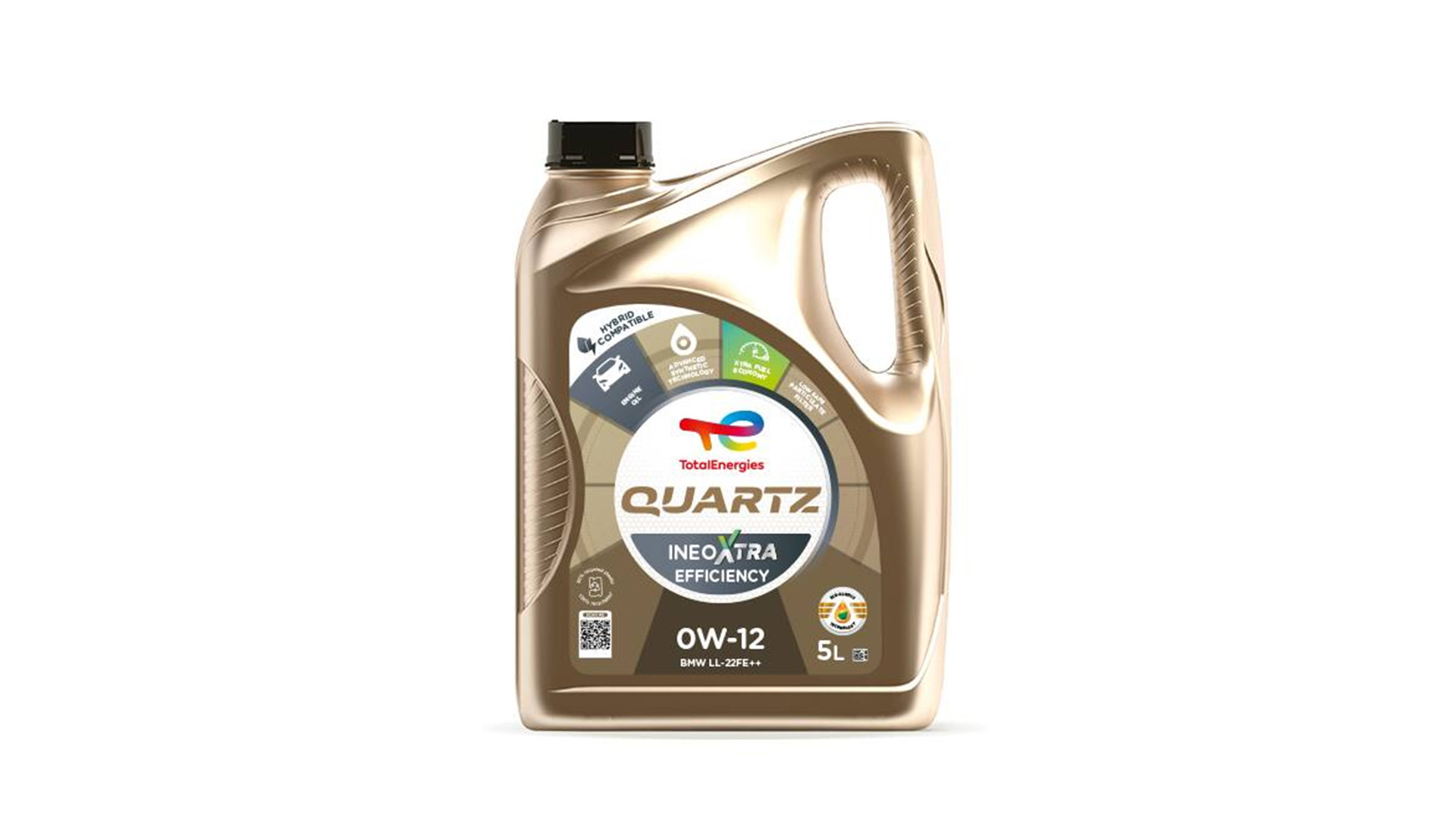
TotalEnergies INEOS Quartz (BMW LongLife-22FE++ Only)
Whether or not you’ve heard of them, TotalEnergies is one of the seven supermajor oil companies and the 4th-largest lubricant brand, with over 13,000 fuel stations across Europe, Africa, the Middle East, and the Caribbean. They continue to support the latest automotive advancements, leveraging their 70 years of OEM, motorsport, and commercial R&D to meet today’s strictest automotive requirements. FCP Euro has recently introduced TotalEnergies INEOS Quartz, the only non-Genuine BMW LL-22FE++ approved 0W-12 oil. This only applies to mild-hybrid B48 and B58-powered cars, so if you have one, this is your most cost-effective option for oil that exceeds BMW’s standards.
Red Line
Whereas most oil-producing companies were created to service as many engines and motors as possible, Redline was not. Hitting the market in 1979, Red Line was formed to develop the next generation of oils for the racing industry. In the 46 years since then, Red Line has become synonymous with high-performance fluids and racing, sponsoring the top levels of international motorsport. While that may sound like it doesn’t translate to your road car, Red Line has many products, with a handful engineered for road use.
Red Line oils are worth a look if you’re operating a high-strung or heavily powered engine. FCP Euro carries only its high-performance line in oil change kits, almost all of which are directed toward BMW. Red Line’s 10w60 is designed for M cars, making it a popular choice for E46 M3 owners. However, there are plenty of others to choose from if you’re looking for a more traditional European weight.
TITAN Lubricants by FUCHS
While some may think of wheels when someone mentions FUCHS, the German lubricant manufacturer is arguably a much more important company. As they near their hundredth anniversary, the company started by Rudolf Fuchs is as popular as it gets across the pond, but only now are they reaching Americans with FCP Euro. Their TITAN lubricants cover all their engine oil offerings, from standard oils to those containing special additives and formulas. For example, some contain XTL-Technology, which, in testing, has 38% better viscosity at low temperatures than comparable conventional, same-weight oil. Others may have BluEV Technology, making them suited to hybrids and electric-assisted engines.
As with all our kits, you’ll find at least one with TITAN oil. Which are you going with?
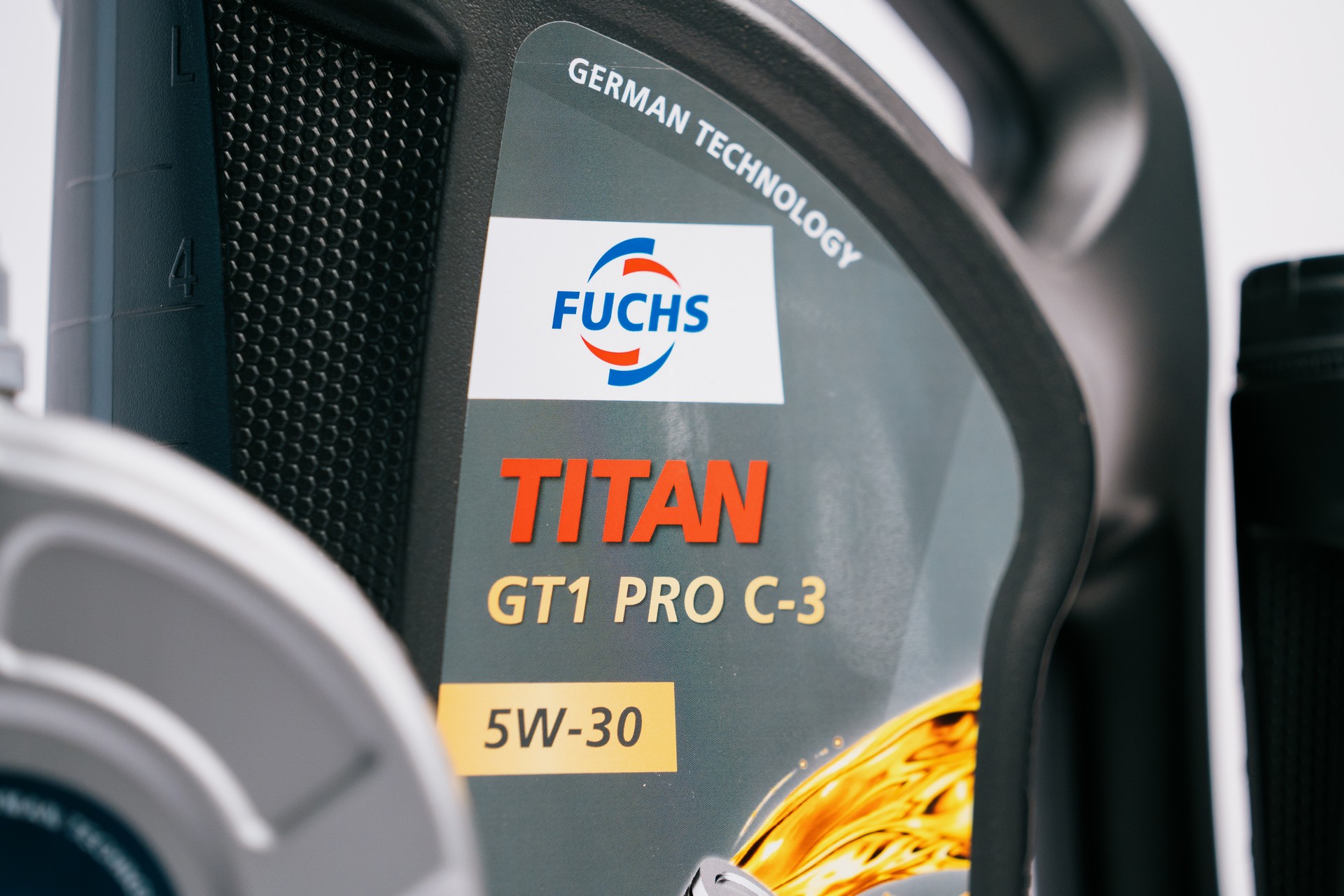
Titan GT1 PRO
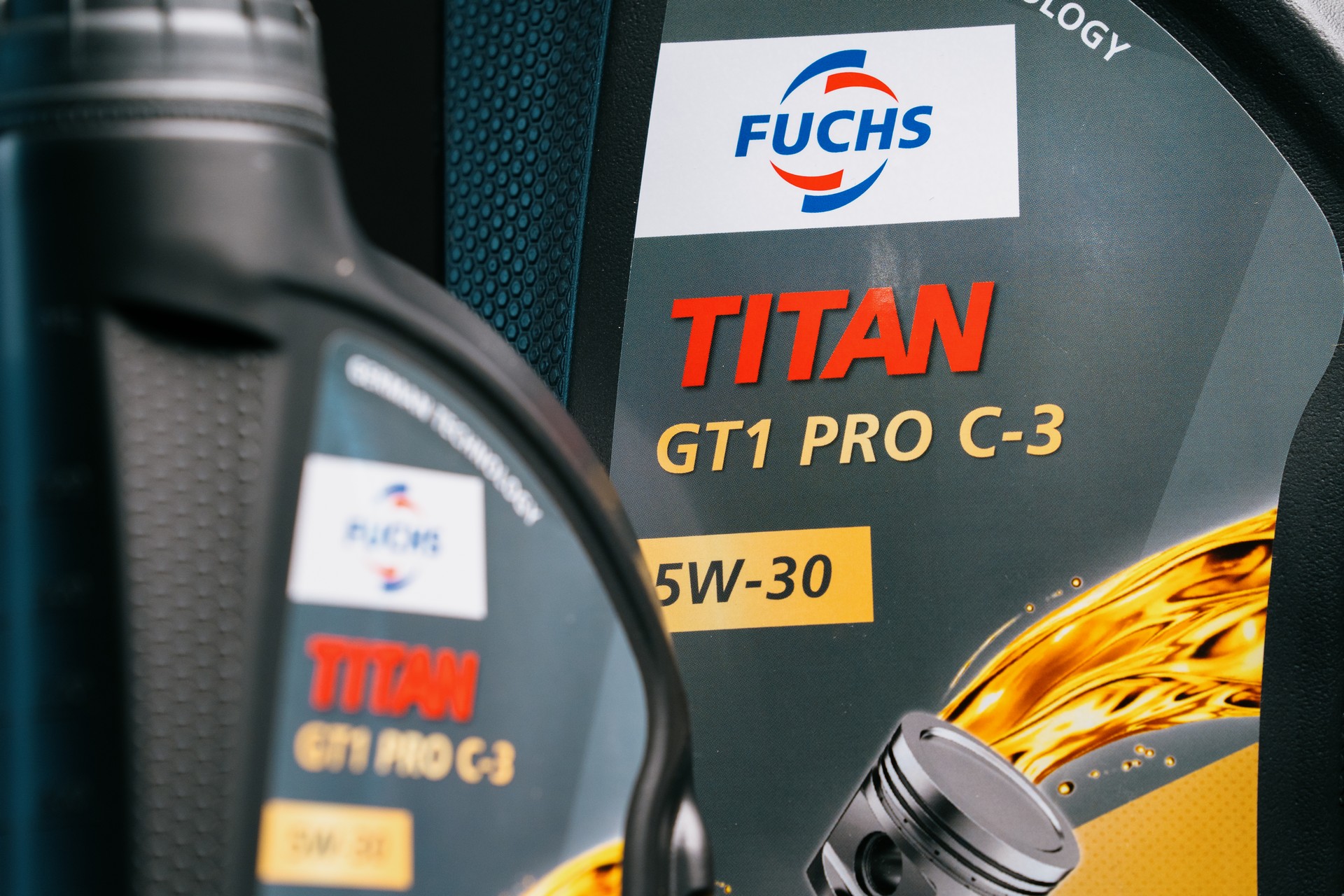
The GT1 PRO line consists of several oils, each developed specifically for a set of manufacturer requirements. With that said, Porsche, VAG, Mercedes, and BMW have very similar requirements. The PRO C-3, best suited for the German cars FCP Euro supports, is found in most oil change kits. Jaguar and Land Rover vehicles should use PRO C-1 oil, as it’s formulated for the older products partially developed by Ford.
Titan GT1 FLEX
The GT1 Flex line focuses less on manufacturer specifics and aims to cover a broader range of vehicles. While not any less protective than the Pro, there are more blends to choose from, which may make it a bit trickier. The various oils are marked by their ACEA sequencing, which denotes the qualities of their composition. For example, GT1 FLEX 5 meets the ACEA C5 specification, while the GT1 FLEX 23 meets the C2 and C3 specifications.
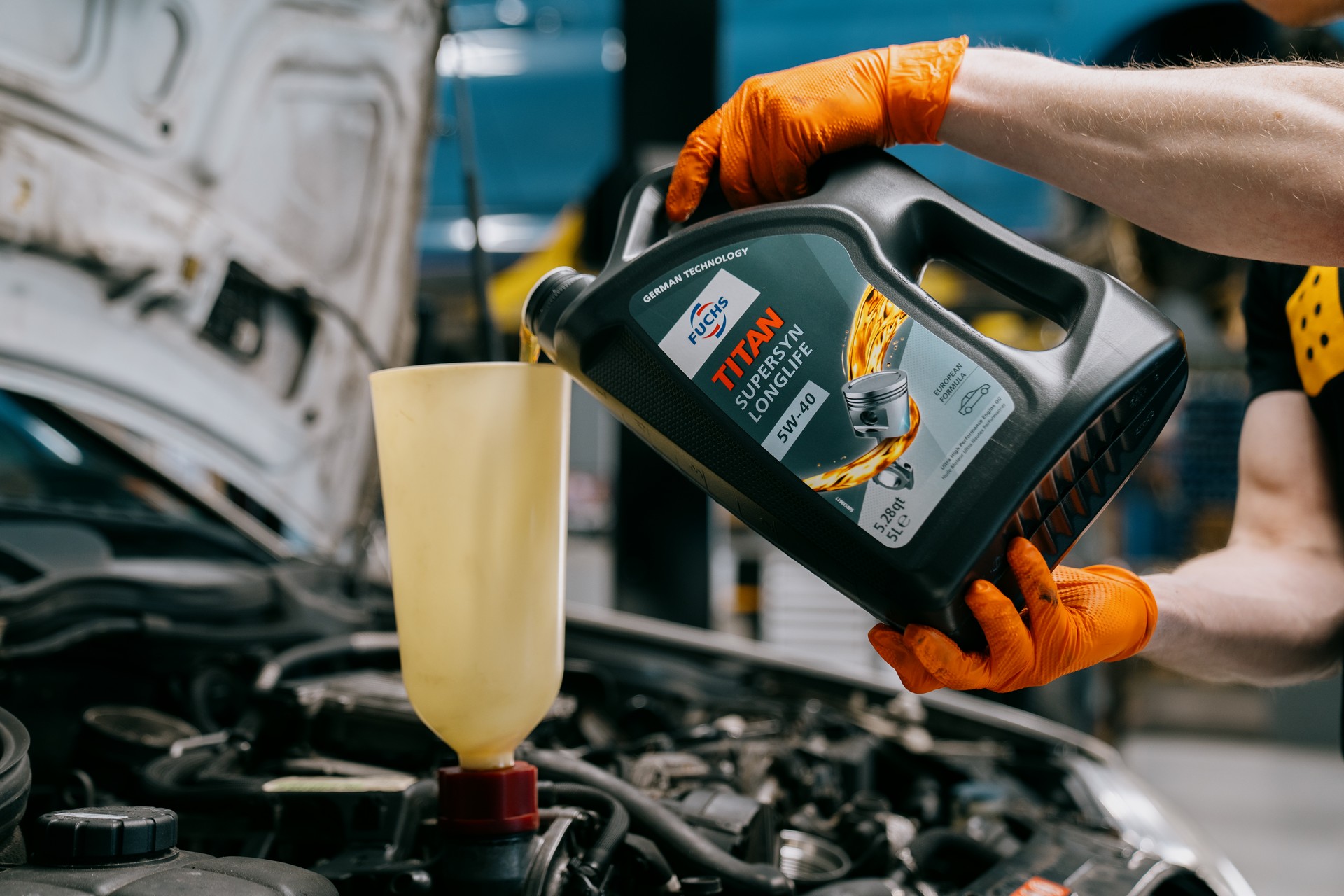
SUPERSYN LONGLIFE
SUPERSYN LONGLIFE was explicitly developed for Mercedes-Benz and BMW vehicles and their 10,000-mile oil change interval, offering long-life service with improved fuel efficiency. Although FPC Euro recommends ignoring the extended oil change interval and replacing it sooner, the SUPERSYN is one of your best options if you stick with it. The same 5W-40 also complies with Volkswagen's requirements, among several others. It can be used in most modern European vehicles.
Oil FAQ
Can I Mix Synthetic and Conventional Oil?
Yes! Mixing conventional and synthetic oils is not an issue. If in a bind, filling with the proper weight of a differing composition will get you to where you need to go for an oil change or repair. However, mixing the two dilutes the synthetic’s tougher wear and protection properties. The oil mixture won’t last as long before needing replacement, either. Do it for a short period in a pinch, but it’s best to avoid it when you can.
Where Do I Dispose Of Used Oil?
That’s dependent on who you bought your oil from. If it’s not FCP Euro, bottle up the old oil and drop it off at any local auto parts chain store or independent shop. Both have the means to dispose of it properly, and you may even help a shop out in the winter, as many use waste-oil heaters that burn used engine oil.
.jpg)
However, if you’ve purchased from FCP Euro, you have another option. To take advantage of our Lifetime Replacement Guarantee, bottle up the old oil and place the bottles into bags for safe transport. Then, box ‘em up, fill out your return paperwork, and ship ‘em out to FCP Euro. Once the oil is received, you’ll be credited for your next oil change kit purchase or whatever else your car needs.
How Long Does Synthetic Oil Last?
Modern synthetic engine oil is as tough as it ever has been. Browse the oil wall at your local auto parts chain, and you’ll see all sorts of formulations, including ones that claim a 10,000-mile service interval. While that’s technically true, sticking to that interval is not recommended.
The 10,000-mile oil change interval has become a common replacement interval for many newer vehicles. A longer interval means less oil is used and dumped, but engineers haven’t adequately prepared engines for that. Many owners and shops have found that sludgy build-up occurs, killing the oil flow that keeps the engine running smoothly. Reducing your synthetic oil change interval to half of that figure gives you the best chance at a long engine life free of significant issues.