- 01/20/2026
- 4 Min Read
- By: Jacob Maller
Genuine, OE, OEM, Aftermarket, Heavy Duty, Remanufactured. What Do These Quality Tiers Mean?

Spend some time on the FCP Euro blog or reading through promotional emails, and you'll see plenty of talk about quality. It's arguably the most crucial factor in all that FCP Euro provides, from parts to Customer Experience to content. However, it's also an essential term for you, the prospective customer, to understand. All the parts carried and sold here meet a certain quality standard, but within that blanket statement, there are different levels of quality levels vary by manufacturer. This most often shows up in the words used to describe parts, like Genuine, OE, OEM, and aftermarket. Each of those terms has a specific meaning, and while one may not be better than the other, they can influence your purchase decision. So, before you go purchasing the first thing you see, take a minute to learn about the different parts' quality tiers.
Click here to learn more about the difference (or lack thereof) between Genuine and OE parts.
Genuine Parts
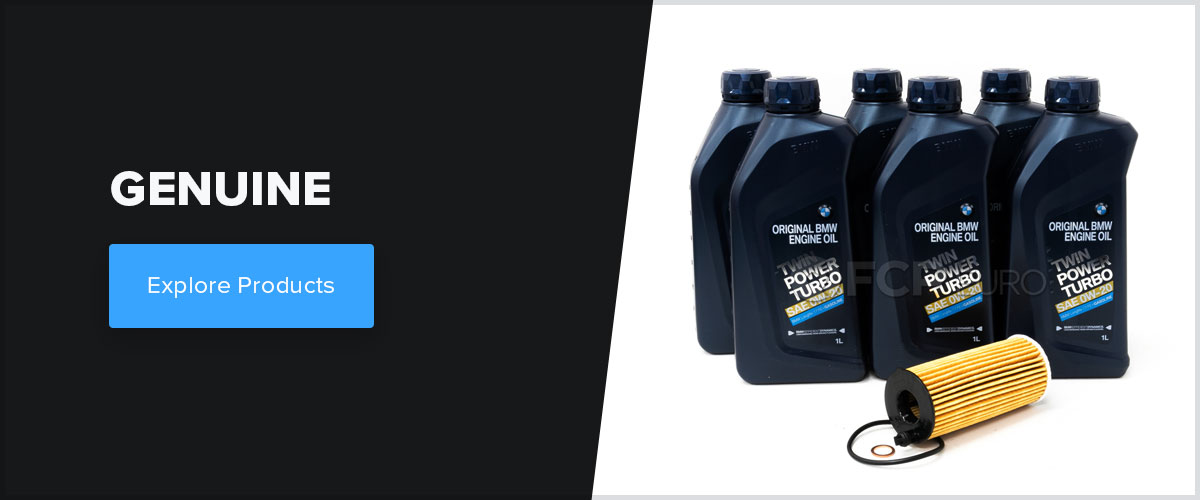
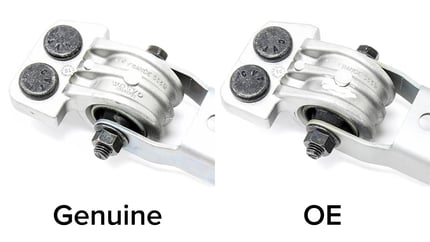
Genuine parts are identical to the ones you'll find at your local dealership. They come in branded packaging and have the automaker's logo cast, stamped, or engraved somewhere on it. All of these parts are manufactured by other suppliers, such as Bosch, Bilstein, and ZF, and are identical to the ones already fitted to your vehicle. However, their cost will typically be higher than parts of other quality tiers, thanks to the automaker's name appearing on the part and packaging. They generally have identical quality to an OE part, but can be a big deal for potential buyers looking at how well you've maintained your vehicle.
Original Equipment (OE) Parts
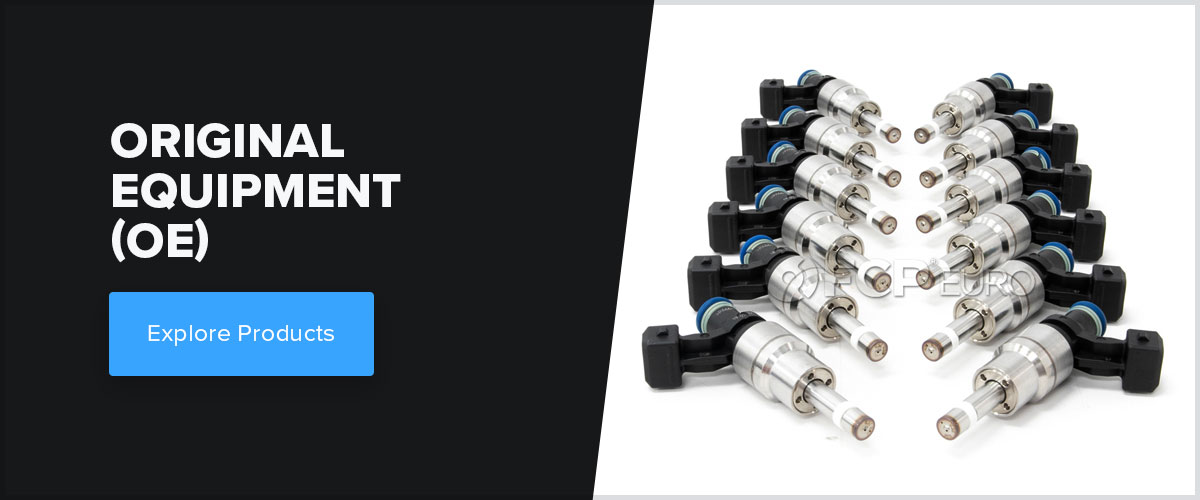
If you take Genuine parts, remove the automaker's logo, and place them in a box bearing the parts manufacturer's name, you have OE components, or Original Equipment. The manufacturers remove these logos due to licensing agreements, allowing the parts to be sold outside the dealer network. Because OE parts are sold directly from their respective manufacturers, they can be had at much lower prices, making them an excellent value, especially when you consider there is no sacrifice in quality. You can learn more about OE parts on our OE Academy Page.
Original Equipment Manufacturer (OEM) Parts
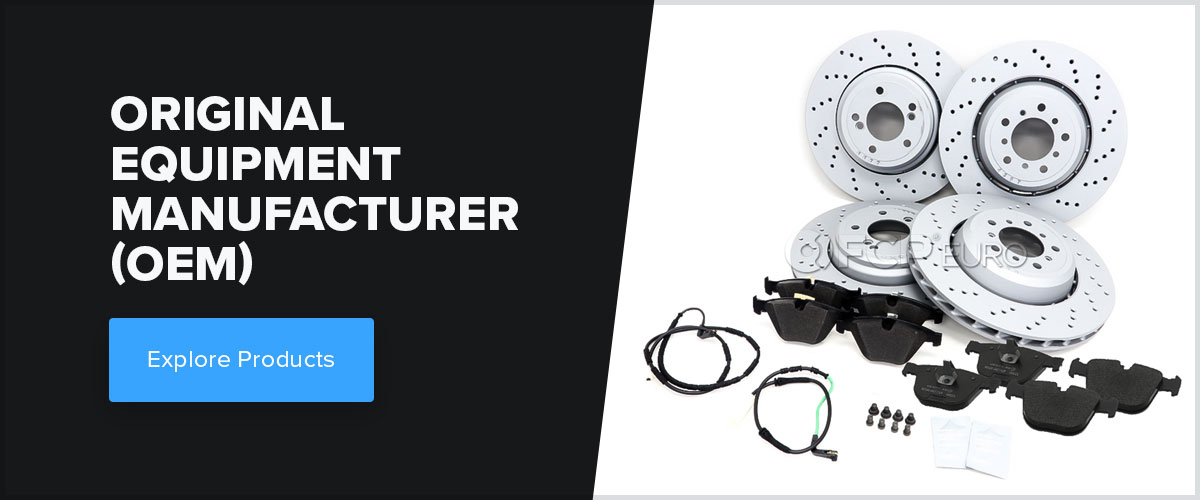
OEM parts are similar to OE, but not Identical. The M in OEM stands for manufacturer, but it means the company that made the OEM part you're viewing is an OE supplier for other parts on your vehicle, just not that specific one. For example, Porsche used Beru ignition coils and Bosch sensors in their 996 and 986 models. However, both companies make ignition coils for those models for you to purchase for ignition services. If you were to buy new Bremi ignition coils to replace the old ones in your 986, you'd be purchasing the OE part. If you choose Bosch ignition coils, you'd buy the OEM part. In every case, the OEM part meets or exceeds all of the exact requirements as the OE, so they can often be viewed as interchangeable from a quality standpoint.
Aftermarket Parts
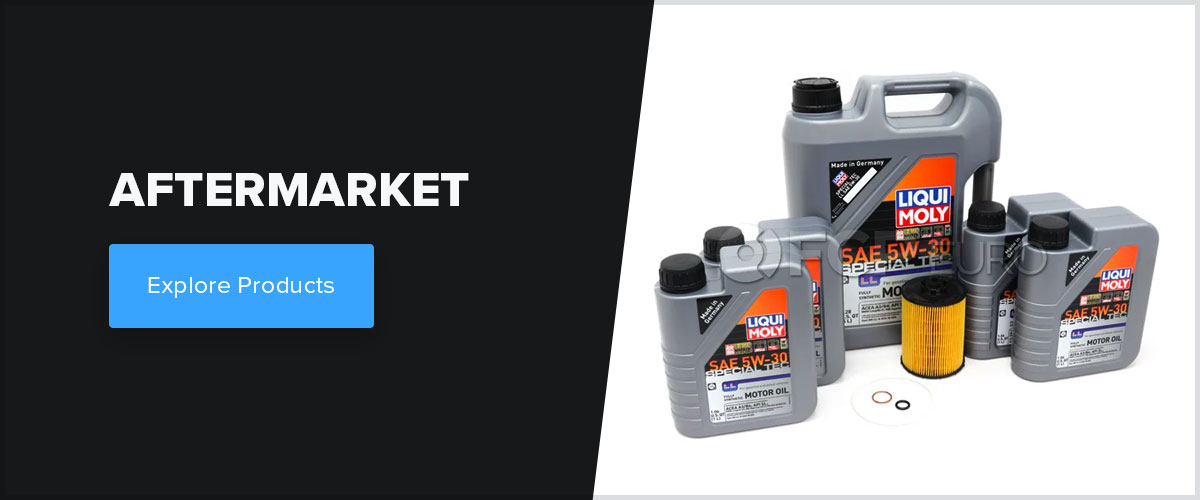
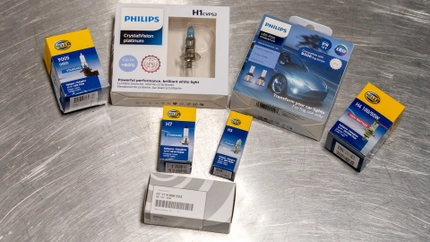
Aftermarket parts are replacement parts not made by an original equipment manufacturer. Many of these companies are names we still trust, like Motul, LN Engineering, and CSF, but not all carry that reputation. You can often find these parts at an even lower price point than OE and OEM; however, while many aftermarket parts meet or even exceed OE or OEM parts, you will also find some that are lower quality. Stick with a brand name you know or one that your automotive community trusts. If you don't have either of those at your disposal, call the phone number at the top of the fcpeuro.com homepage, and a technical expert will assist you.
Heavy Duty Parts
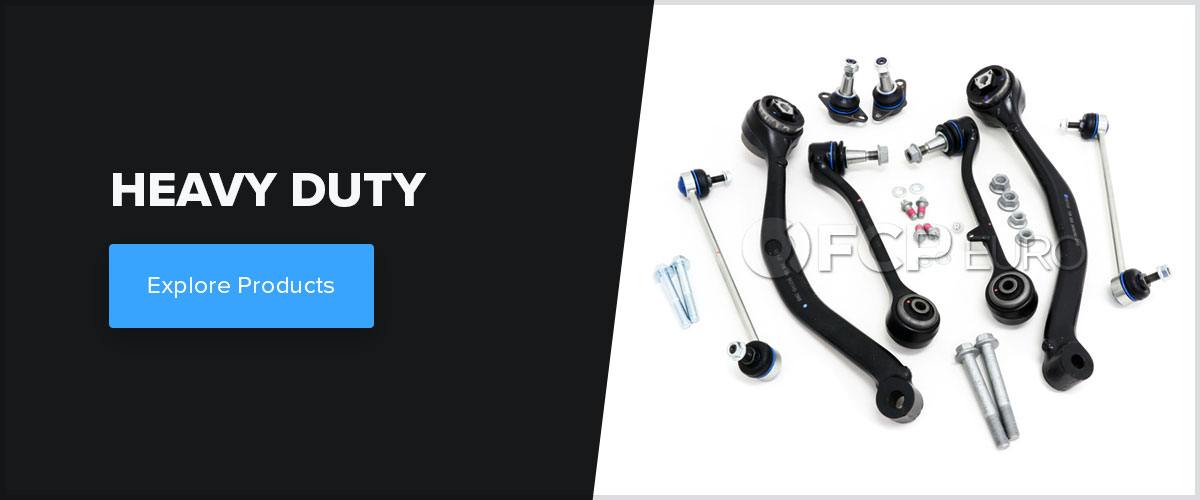
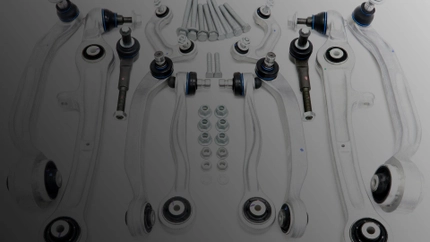
Heavy-duty part are typically aftermarket replacement parts that are designed for tolerances far beyond what the OE requires. They're meant to be longer lasting alternatives to OE components that fix a potential weak point in the OE part design. They'll appear as larger ball joints, thicker rubber bushings, and cast parts rather than stamped parts in most cases. Pricing is likely to be similar to but a bit higher than the OEM equivalent, but quality should be on par.
Performance Parts
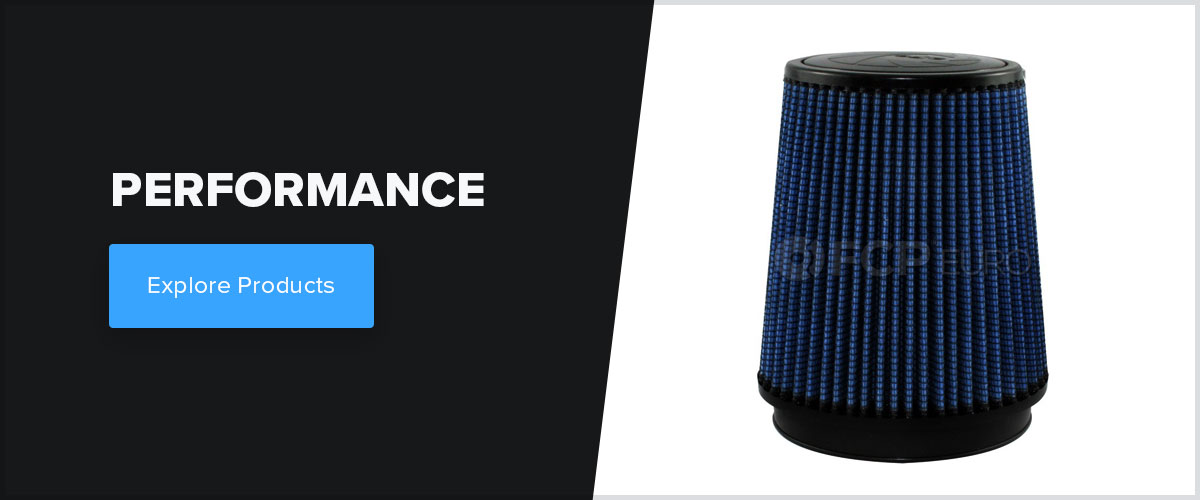
Performance parts, as their name suggests, are replacement parts designed to increase your car's performance. They're avilable for most parts of your car and range from relatively inexpensive air filters to quite expensive motorsport-level suspension components, with lots of other options for the engine, exhaust, transmission, and more. These parts add performance by swaying from the OE part design for one revised with performance in mind, often at the sacrifice of comfort via stiffer components. They will add noise, vibration, harshness, and change the car's overall driveability; for better or worse depends on who you are and what you're looking for.
Remanufactured Parts
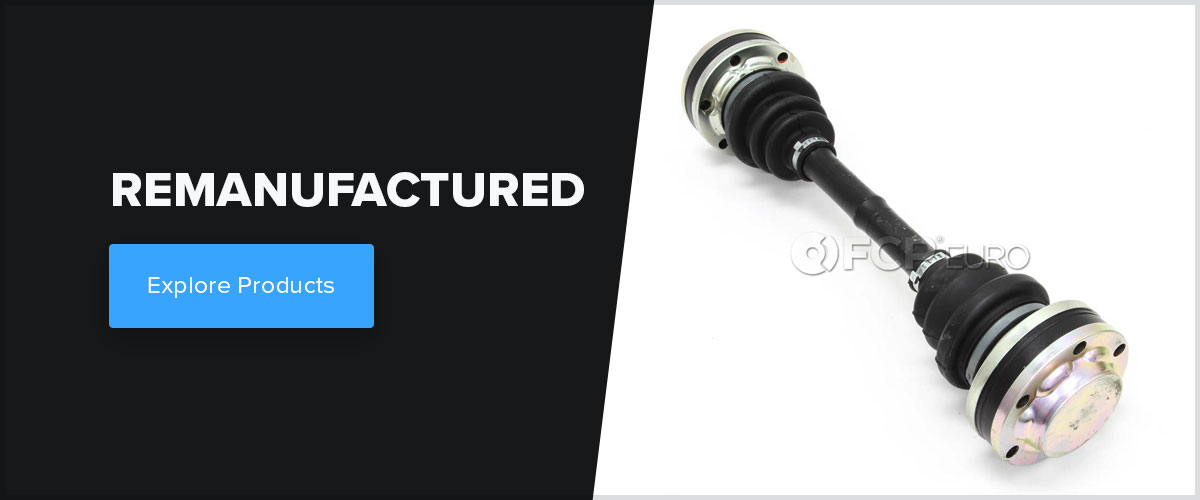
A remanufactured partis a used Genuine, OE, or OEM part that has been used, returned, disassembled and reassembled with all new parts. While buying a "used" part might not sound appealing, the rebuild is often handled by the original company with the proper parts to pass the same stringent tests that the new ones need to pass. They're not the most common, but you'll see them for parts like axles and alternators, two components that get thrown out because easily replaceable components have failed or weakened. Remanufactured parts are typically much cheaper than OE or OEM parts, but they will have a refundable "core charge." Its essentially an extra fee that, to get back, requires you to send in the broken part you're replacing so that that it can be rebuilt itself.
If you have any questions about these quality tiers or why you should choose one over another, please contact one of our Technical Experts for assistance via the phone number atop the homepage or at our Support Center.