- 06/04/2026
- 5 Min Read
- By: Christian Schaefer
Don’t Hit The Road With Neglected Maintenance This Summer

Summer is here, and so are those trips you have planned. Get excited because you should be! But now's not the time to ignore the knocking suspension or engine service light. Long journeys and intense summer heat stress nearly every system within your car, so now’s the time to get caught up on all that’s due. Whether it’s significant maintenance or simple preparation, we have everything you need to prepare your ride for the long haul.
When Was The Last Time You Serviced Your Car?
The switch from winter to summer means the days spent inside keeping warm have become days spent outside enjoying the sunshine. Often, that means hopping into your vehicle and driving wherever you need to for a nice, warm day. While you might be ready to enjoy all that this time of year offers, your car might not. The occasional cluck from the suspension or oil stain under the engine likely isn’t enough to worry you, but the effects of leaving either of those symptoms, among others, to worsen will only mean more money, time, and work in the future.
Repairing your car isn’t always expensive, especially if you tackle some maintenance yourself. The common culprits for suspension noise, electrical issues, and even tire wear aren’t anything requiring an ASE certification, but parts you can replace with a handful of simple tools. It’s a great way to save you money, but more importantly, your car will be much less prone to breaking down when you’re least prepared.
Use Your Senses Because Your Car Is Communicating With You
We often hear that owners don’t know when their parts need replacing. Many of the parts should have a service schedule with mileage intervals; however, parts within the suspension and some within the engine bay wear conditionally, meaning you or a professional will have to gauge when they’re ready for replacement. Signs of wear vary depending on the parts in question, but excessive play, torn rubber, and leaking fluids are all indicators you can check for yourself.
While those are indicators of needed maintenance, they don’t necessarily mean imminent failure. Worn components can still function, just not as they were intended. They can get you by in a pinch, but not for long. The longer you drive on worn parts, the quicker the wear accelerates. At a certain point, they’ll let you know they're ready for replacement; you just have to know what to listen to and feel for.
Keep It Cool
Many vehicles experience heat issues, both inside and out. Engines have a maximum operating temperature range, and exceeding that risks catastrophic engine damage. We, as people, have something similar, though the catastrophic damage may look a little different. Either way, there are plenty of places where you can reinforce your car this summer.
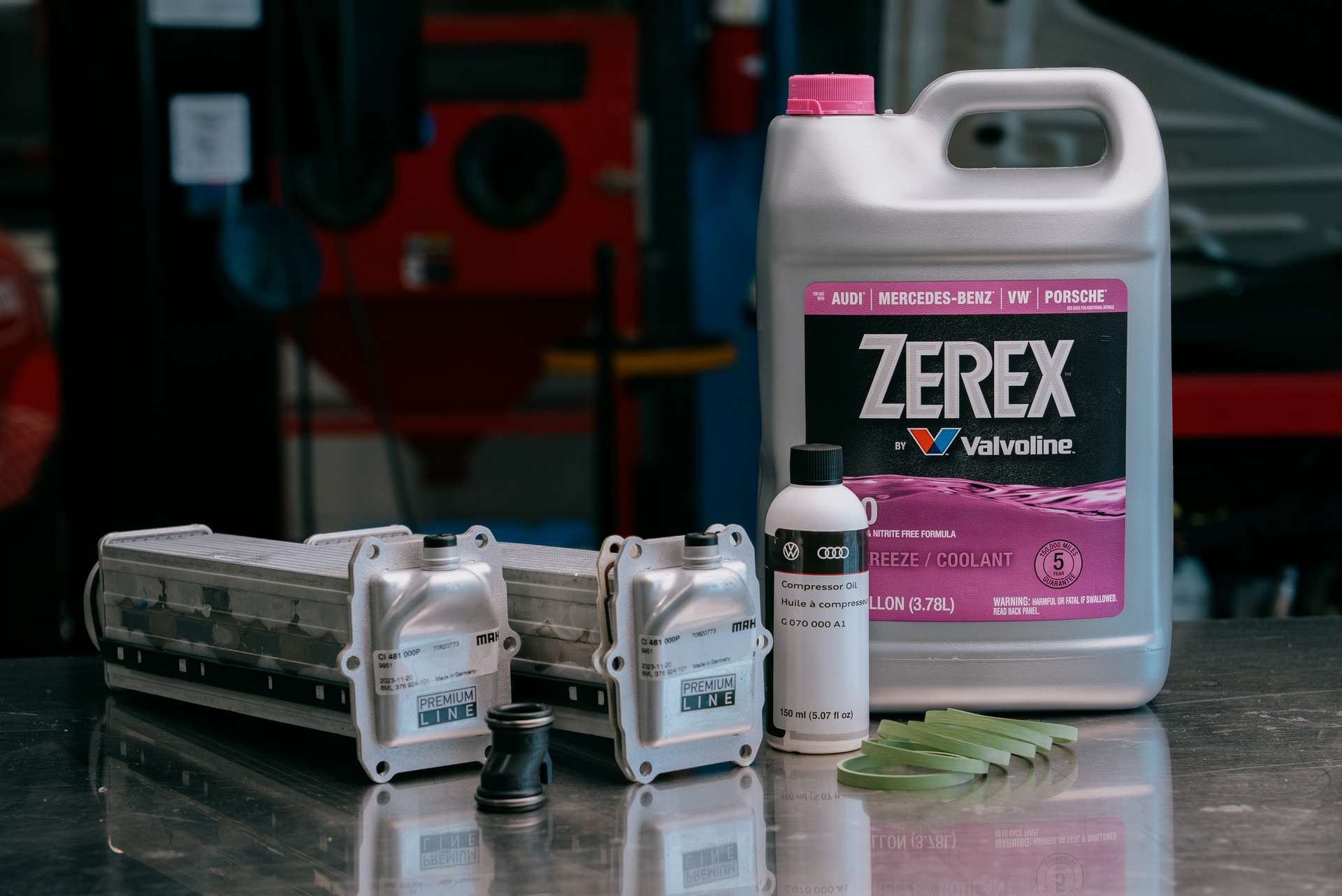
Coolant leaks are nothing to sneeze at. If anything, they’re an immediate cause for concern as the problem can worsen in minutes. Cracked plastics and split rubber hoses are common on cars with higher mileage and a less-than-perfect service record. Expansion tanks, radiators, and their associated hoses need replacing after nearly 100,000 miles on any vehicle, but many VWs, Audis, and BMWs will need them sooner. Look for discoloration on the typically clear plastic expansion tanks, as yellowing is a sign of wear. If you suspect a coolant leak, look for dried residue when the car has cooled. Antifreeze will leave a chalky-looking coating where it has dried.
Water pumps and thermostats are the only two moving parts in the cooling system, and either one breaking is a potential disaster. The latter is incredibly simple: It opens when the engine coolant reaches a specific temperature. If broken, it can stay closed, preventing coolant from circulating throughout the system. The pump, whether driven electrically or mechanically, pushes the coolant through. Any interruption of that process through a bad bearing or a failed controller will likely lead to overheating.
While it’s true your engine will eventually cool down after overheating if you shut it off, that doesn’t mean the damage isn’t already done. Even at a short burst, spiked coolant temps can damage the head gasket, warp the cylinder head, and cause excessive bearing wear. Each is bad on its own, and together, they’ll force an engine rebuild. Replacing your water pump and some radiator hoses is much cheaper than a rebuild, so plug your car into our vehicle selector tool and explore the excellent components offered by our trusted partners like Valeo, Mahle Behr, and Rein.
Support That Suspension
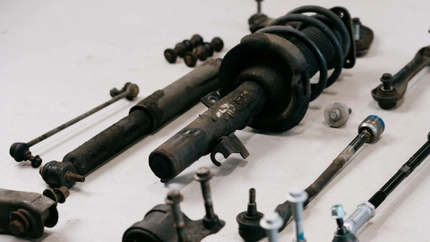
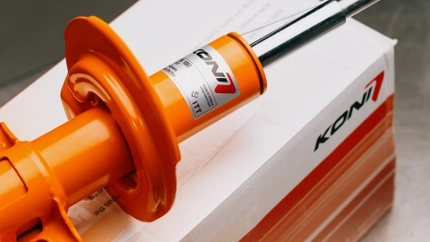
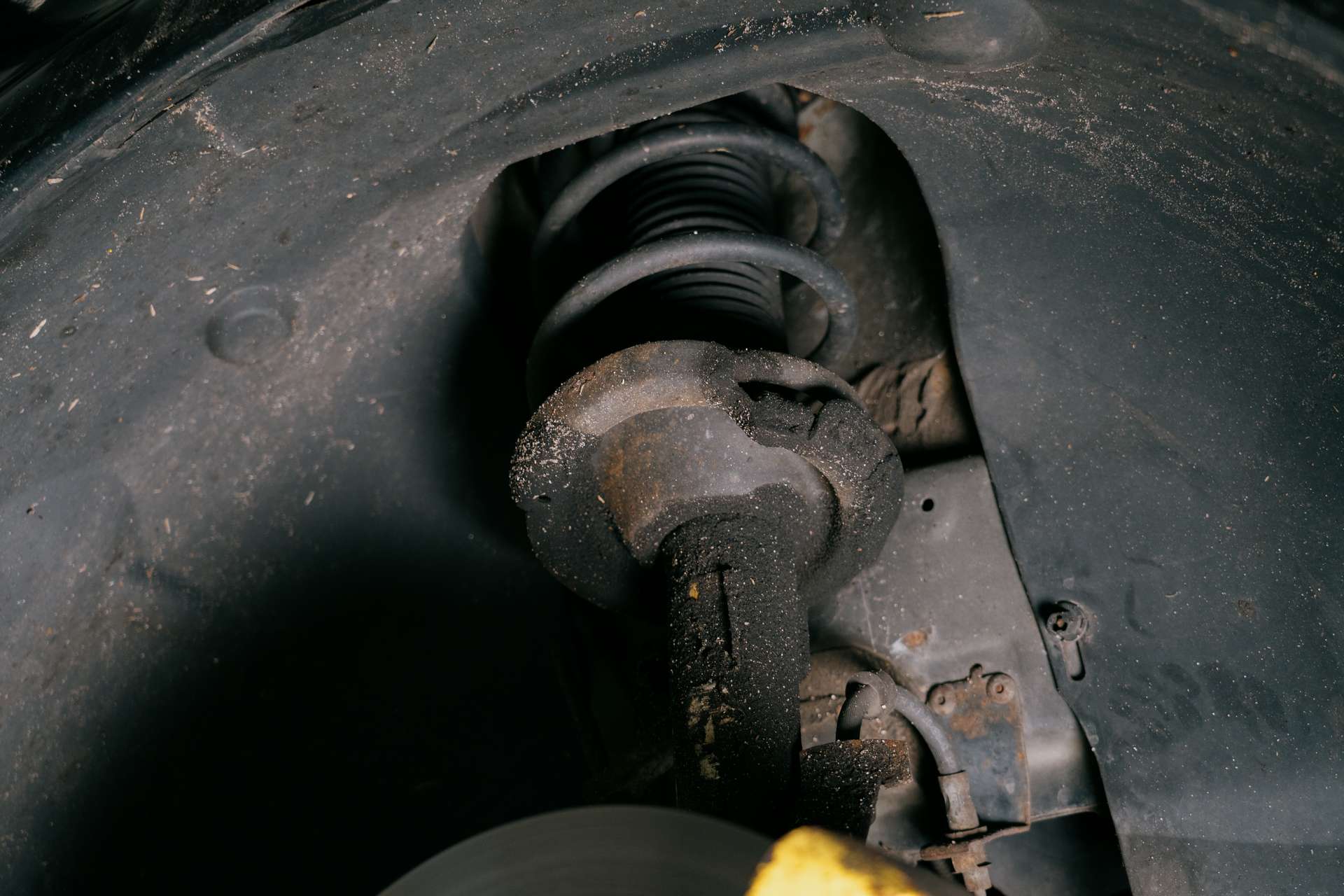
Struts, shocks, ball joints, and control arm bushings all produce dull, metallic clunks or knocks for different reasons. Struts and shocks—or dampers—contain a pressurized fluid or gas that dampens the up-and-down suspension forces. They’re good for about 60,000 miles in all conditions and can last even longer, but they will start clunking when they’re overdue. You’ll likely hear these noises whenever you drive over a sharp road joint, a pothole, and even standard dips and ruts. The noise occurs because the damper has lost its fluid, which you’ll likely see coating the outside of the body, or the piston inside has worn out inside the damper tube. Either way, your damping capabilities are less effective than they should be. You can also check for this by trying to bounce your car with your hands, as a healthy damper should quickly eliminate any forces you exert on it. If it’s bouncing, it’s time for some dampers.
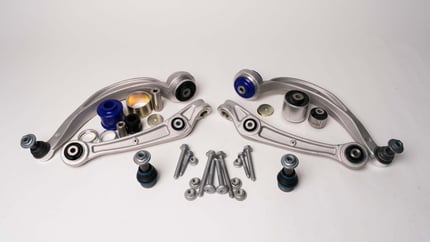
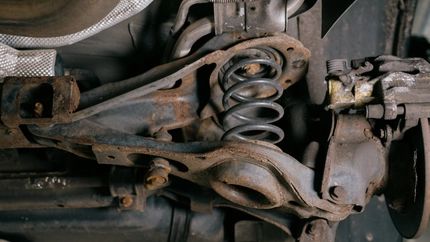
Ball joints and suspension bushings will clunk similarly to struts, but affect handling rather than ride comfort. Both control suspension movement and wheel placement, so any extra play directly affects the wheels and what you feel through the steering wheel. Clunks will be loud and apparent and should be heard when turning and driving over sharper bumps and potholes. Peering beneath the car should reveal bushings with torn rubber that may leak fluid, depending on the make and model. Ball joints will likely have torn boots and be caked in road grime.
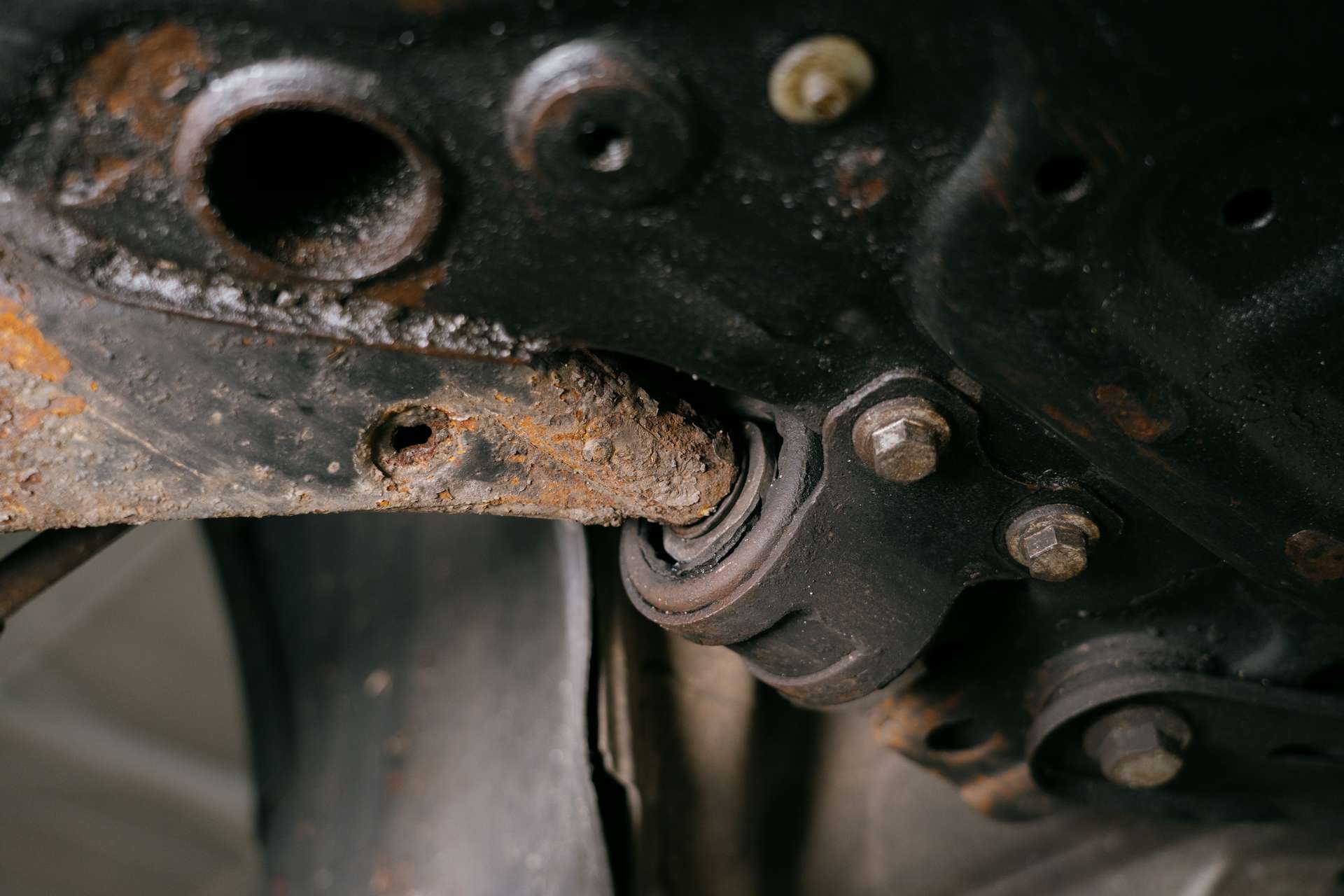
Unlike struts, ball joints, and bushings can fail catastrophically as you drive down the road. In the best-case scenario, minus the broken suspension part, you pull over safely without damaging yourself or your car. However, even just one failed bushing or joint can cause you to lose control of the vehicle, so neglecting maintenance to the point of failure is a dangerous and irresponsible game.
Ensure Those Electricals
While less mechanical, your electrical system is in charge of far more than the suspension. Nearly everything within our cars happens with some electrical assistance, and minor discrepancies can cause issues that’ll have you chasing your tail. Those minor issues can be as simple as switches, fuses, or relays, but if you’ve been a bit neglectful on the underhood maintenance, it could very well be a dying alternator.
Alternators are what keep your battery and electrical system charged at all times. Regular operation will drain an unsupported battery in minutes, so a fully functioning alternator is critical to a sound charging system. A typical lifespan is about 100,000 miles, and though they’ve been known to last longer, they should be checked and tested after that mileage to avoid surprise failures. When they wear out, you may notice slower engine crank times, dimming accessories when activating the lights, and funky readings from the car’s various sensors. Checking them is pretty simple if you can open the hood or access your battery and have a multimeter.
If you leave it to chance, you could see your vehicle die while you’re doing 75mph in the middle lane. That means no power brakes, power steering, turn signals, hazards, or brake lights—not good. However, it might not be the alternator but the battery.
Batteries have a maximum lifespan of 5 years before needing replacement. However, heat, strenuous use, and a weakening charging system can all increase the wear rate, so five years isn’t guaranteed, either. Luckily, checking battery health is almost identical to checking alternator health, so determining the cause shouldn’t take too long.
Keep The Wheels Turning
Just because your wheels are turning freely right now doesn’t mean they will be soon. Wheel bearings support the vehicle's weight while letting the wheels spin freely, but only when in good shape. Most modern bearings are sealed, meaning you won't ever see the bearing internals, which come pre-greased. It’s a cleaner and longer-lasting part, but that doesn’t make it any less prone to failure.
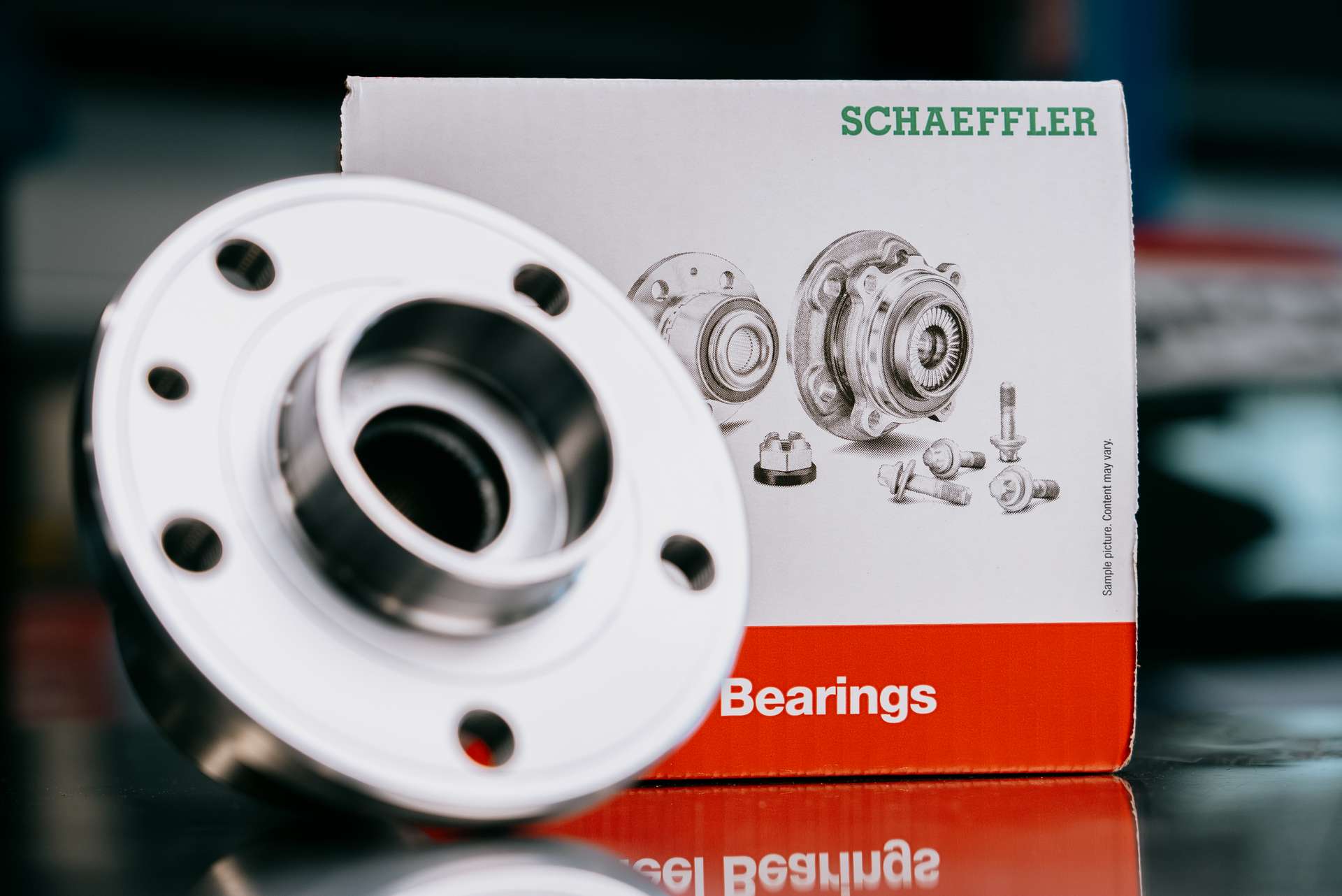
After the grease has worn away, the roller and race will have metal-on-metal contact, allowing for excessive play and rapid degradation. You’ll feel and hear the damaged bearing at speed, as it causes an aggressive vibration accompanied by a loud hum. In extreme cases, a couple of things can happen. If the bearing continues to spin, albeit heavily damaged, it can heat up to the point of making the brakes at the affected wheel glow orange. At those temps, your rotor, pads, and fluid are likely overheated and won’t provide the stopping power you’re accustomed to. If the bearing stops spinning, it’s because it’s seized, and if that happens while you’re driving, the wheel will lock up and potentially break away from the car.
Elsewhere in the drivetrain, there’s more grease to be cared for.
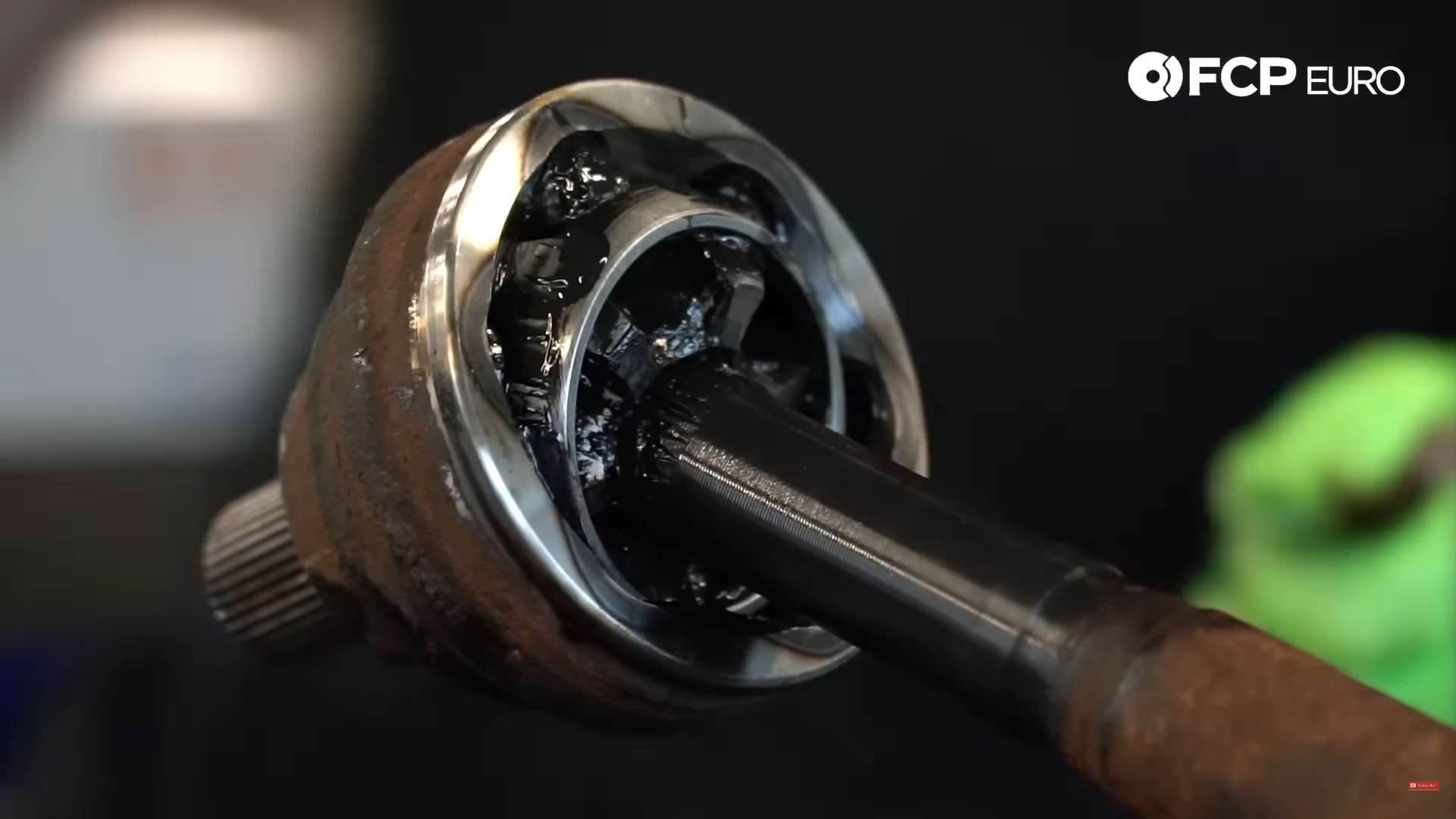
Your car will roll freely thanks to its wheel bearings, but without the axles connecting the differential to the wheels, there wouldn’t be any deliberate motion. The axle shaft itself is just a splined steel shaft, so unless you’re pushing crazy horsepower figures, it won’t have an issue. However, constant velocity joints packed with grease and sealed with rubber boots are attached to either end of the shaft, and therein lies your potential failure.
CV joints and their boots are often casualties of neglect, as the typical failure begins as a torn boot gone unnoticed. Although seemingly not a big deal, the rapid and constant rotation forces the grease against the boot and, in this case, out through the tear. Eventually, enough grease will be flung out that the CV joint becomes dry. Like the wheel bearing, a dry joint is an unhappy joint that will destroy itself if not properly lubricated.
None of that sounds very good, does it? Yet, it’s completely avoidable with a few bucks and hours in the driveway. Although it may be hard to find the time to knock out whatever maintenance is needed, preventing a tow truck ride and a handful of extra costs on top of repairing your car is the least expensive and time-consuming option. With that in mind, take a look at all we have to offer and get your vehicle running right this year!