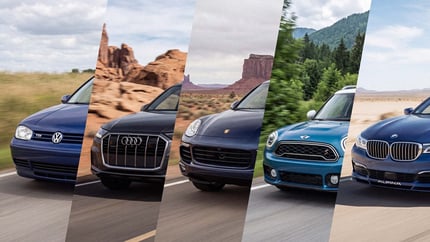
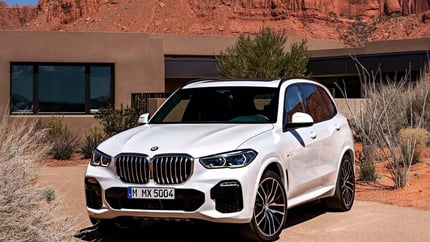
European cars have long been filled with American-made parts, but a European car assembled in America? Now those are hard to come by…or at least, they were until the late nineties. Around the turn of the millennium, European manufacturers invested huge sums into manufacturing plant expansions, including several all-new plants here in the States. In the thirty years since, Americans have assembled millions of European vehicles, so we’re here to take a look at a few of the best of them.
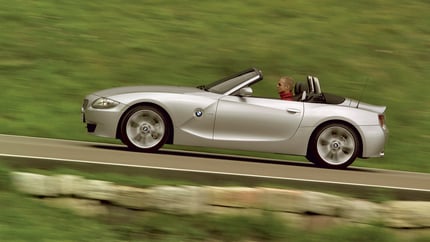
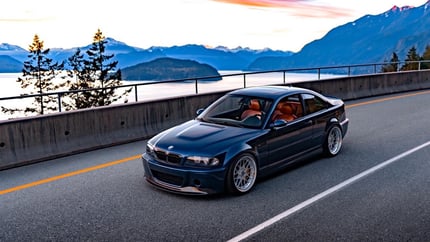
BMW Z4 (E85) - Spartanburg, South Carolina
There was a time when you could go into a majority of European or Japanese car dealerships and walk out with a brand-new, two-seat roadster. Buyers were spoiled for choice with choices like the MR2, Boxster, SLK, and S2000, but only one option was made on American shores: BMW’s Z4. Production began at Spartanburg with the Z3, the first BMW roadster available in America since the 507 of the late fifties, before evolving with the times and moving to its improved successor, the Z4.
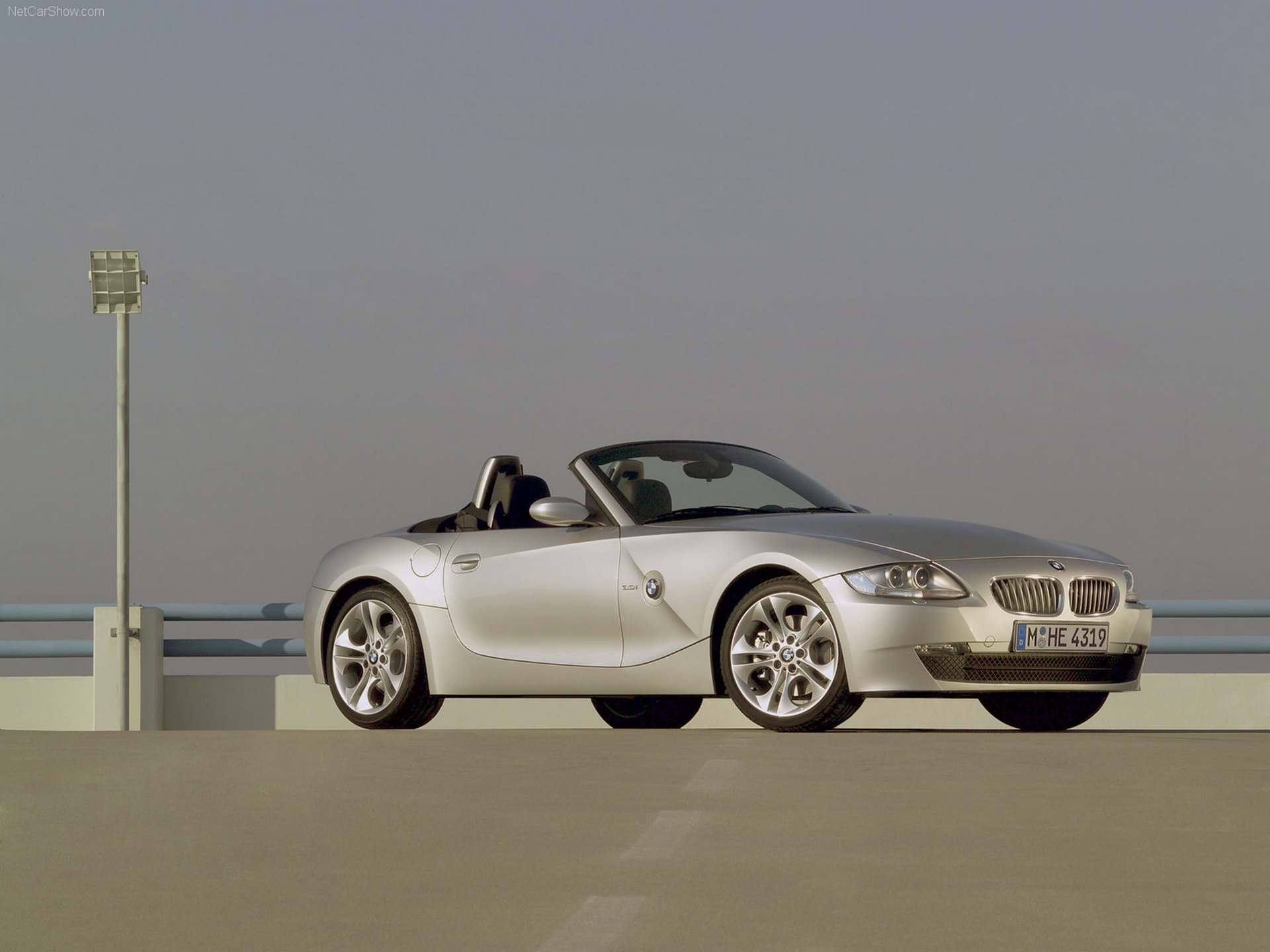
If you know the Z4 lineage, then you know there’s more to the name than just the E85, with other models like the E86 Coupe and M cars rounding out BMW’s two-seater options back in the day. The specialty M cars and the Coupe weren’t treated any differently from the Roadsters, being assembled alongside them in Spartanburg. BMW’s successor to the E85/86, the E89 Z4, didn’t share the same fate, however, with an expanded Regensburg plant in Germany taking over Z4 production in 2009 for the new model. There hasn’t been another European sports car made in America since then, and while I do find that a little sad, the E85/86 Z4 is such a lovely little roadster that there’s still plenty to appreciate, even 16 years later.
The Z4 was a big leap forward over the E36-based Z3. It was built around an all-new chassis that was longer and wider than the Z3, with heavily redesigned suspension and, eventually, a new generation of engines. There was new styling, too. Under Chris Bangle’s direction, Anders Warming melded the classic roadster shape with swooping, aggressive body lines and a bulging front end. It gave the Z4 an unmistakable presence and led to the “Flame Surfacing” design language that defined BMWs for the following decade.
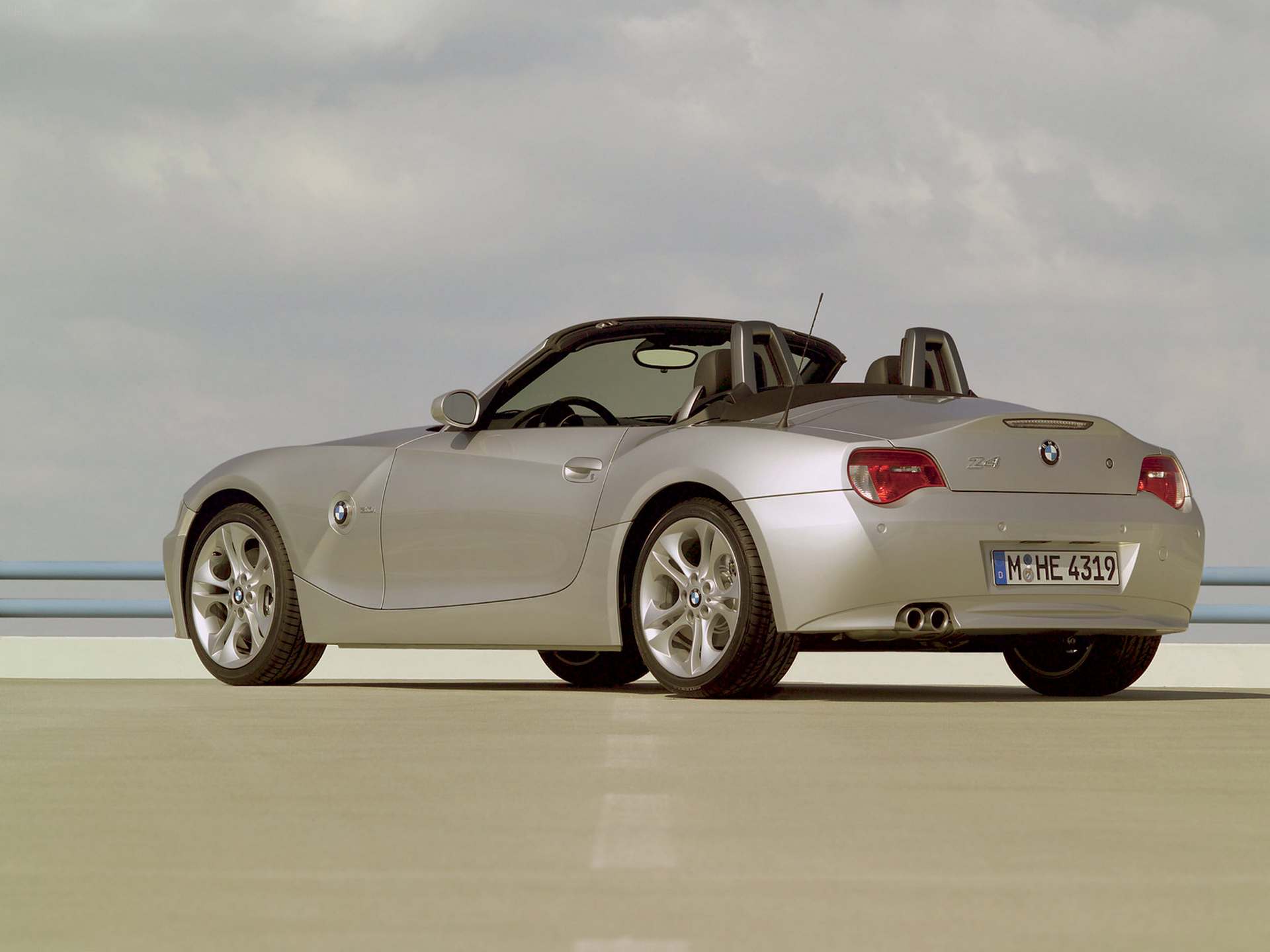
Even with the fresh exterior, the Z4’s most impactful update was its revised suspension design. BMW traded a rear suspension developed in the mid-eighties for one with modern multi-link architecture from an E46. It completely changed the Z-car’s character from a lightly skittish roadster best driven lightly spirited to something capable of instilling confidence through corners. Just a few years into production, the Z4 then received the N52 engine, arguably the best non-M normally aspirated straight-six BMW ever made. Together, the modernized chassis and engine package made the Z4 a serious consideration against the likes of the Boxster and S2000, but decades later, prices haven’t reflected that.
Despite being assembled from a fantastic group of BMW platforms, the Z4 remains an easily accessible roadster for very little money. Many have lived less-than-excellent lives, but you won’t have to search too hard for one treated to regular servicing and driven only on nice days. There are several trims to choose from, two body styles, and a few transmissions, but across all, the Z4 remains good, reliable, and smile-inducing fun.
Mercedes-Benz Sprinter/Metris Van - Charleston, South Carolina
Even in the land best known for the pick-up truck, vans have long been the go-to option for contractors, plumbers, and other tradesmen. Econoline and Safari vans from Ford and GM were the staple of American roads for decades, but in the mid-00s, Mercedes began assembling the Sprinter van in Ladson, South Carolina. Since then, the Sprinter has taken out a sizeable chunk of the van market share in the US, offering a more refined option relative to the contenders from the Big Three.
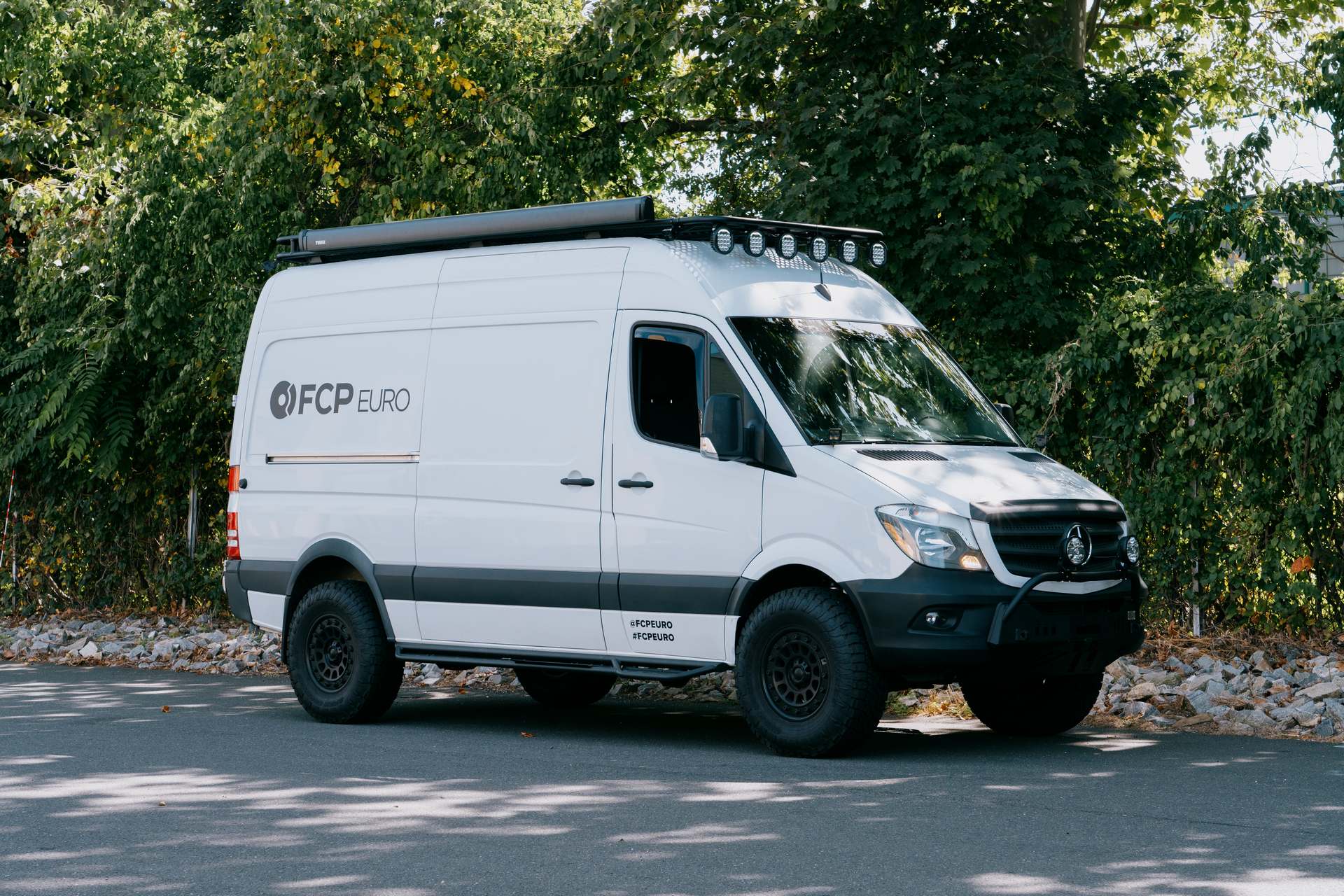
The Sprinter van saw its ties to US manufacturing begin in 2007, when Daimler began Sprinter re-assembly in a converted American LaFrance production plant. Second-generation W906 vans arrived in pre-assembled stages, known as semi-knocked-down kits, ready for final assembly in South Carolina; a method chosen specifically to avoid the infamous “Chicken Tax.” Many of those produced wouldn’t wear Mercedes badges, either, instead sporting Dodge badges thanks to the Daimler-Chrysler connection. Despite the somewhat unconventional assembly early on, the Dodge- and Mercedes-badged versions, the latter arriving in 2010, saw enormous success that eventually pushed Daimler to reinvest in the Ladson plant, upgrading it to handle complete start-to-finish manufacturing.
The updated plant came online in 2018, ushering in the third-generation Sprinter and Metris vans. It was a much-needed, all-encompassing update to the popular platform, offering a redesigned exterior and interior, a modern MBUX infotainment system, and improved power and economy via a few new engines. Even with solid competition, the W907 has had significant success, reaching 100,000 part-by-part (post-plant-expansion) examples built in the US in 2022. In the years since, Mercedes has expanded the Sprinter line even further, adding the eSprinter BEV to the lineup, ensuring every potential buyer has an option that suits them.
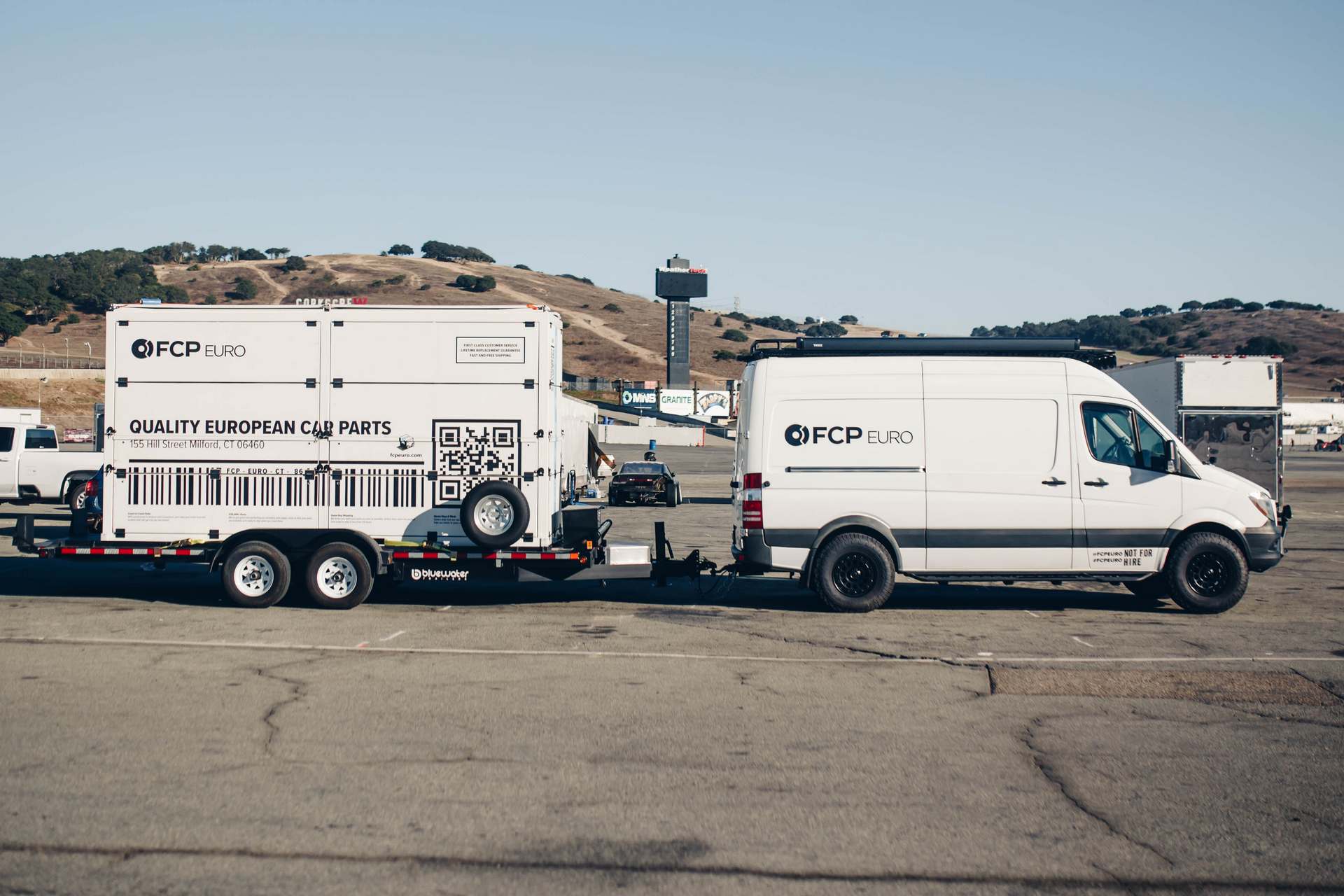
Speaking of buyers, the sheer variance of those who can benefit from the big Merc is exactly why it’s here on this list. They function as work vans, sure, but also as ambulances, mobile grooming centers, and ice cream trucks. They shuttle people around airports and give bands one less excuse to be late for their gigs. Out west, they’ve become a symbol of the popular van-life movement, allowing thousands to take control of their living situation in a complete mobile package. It’s a beacon of utility, the Sprinter, helping thousands of Americans do what they need to every day.
Mercedes C43 AMG Sedan (W205) - Tuscaloosa, Alabama
Demand for the Mercedes C-class was once strong enough to push manufacturing stateside to meet demand. That’s not the case anymore, as it’s returned to assembly in Germany, but find a W205 sedan out and about, and you may be looking at one that rolled off the line in Tuscaloosa. Of the W205 line, only the full-fat C63 AMG models were made exclusively in Germany. Everything below that, including the almost-as-intense C43 AMG, was built on the production line in the States. That latter model, even without the hand-built V8 and specialized transmission, still carried much of the AMG charm, and now out of production, it’s an inexpensive entry into a luxury performance sedan.
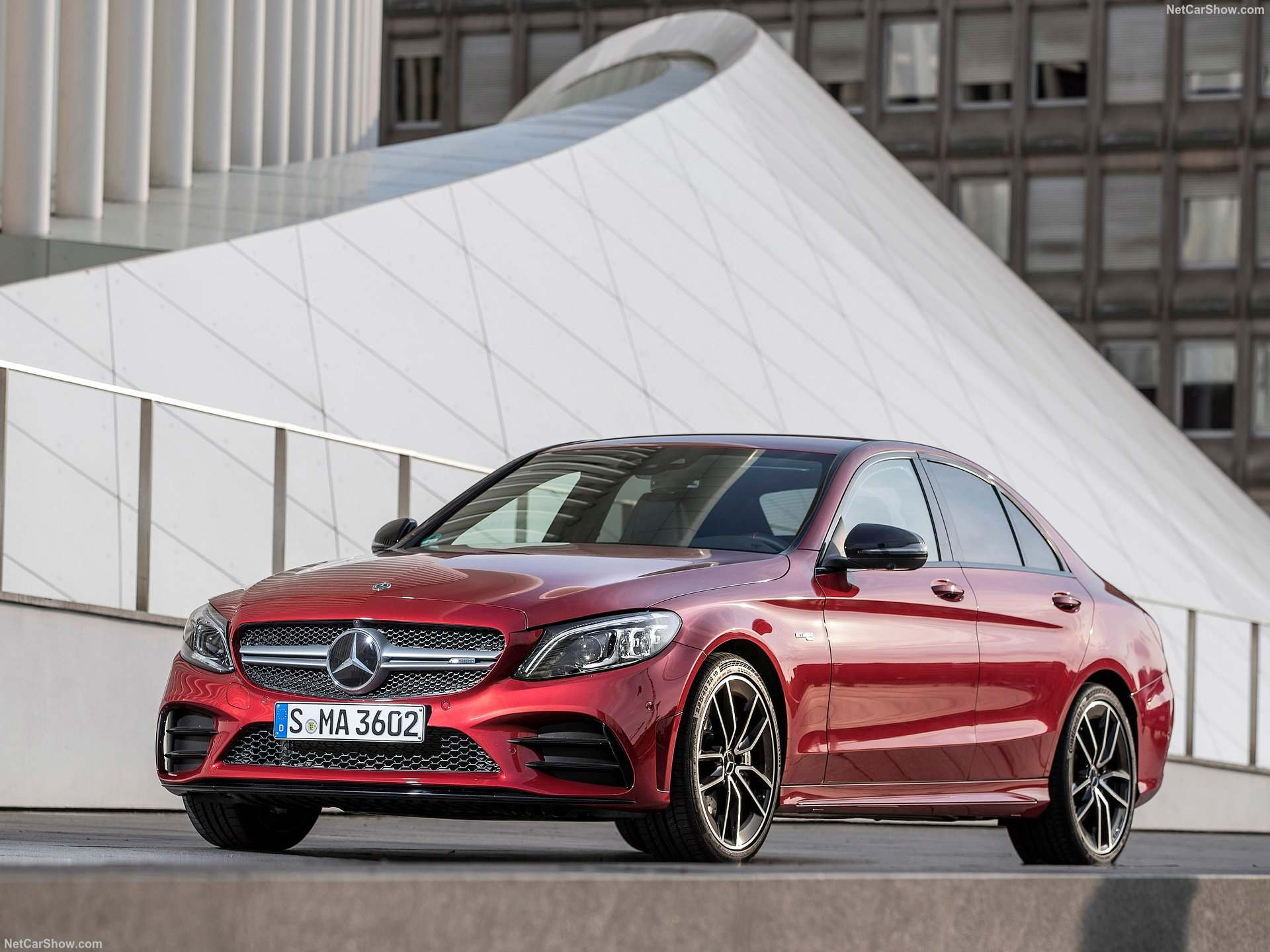
The C43 AMG is a bit of a hot topic among the more die-hard AMG fans, who may not consider it a true AMG product. That perspective is easy to understand when you learn that C43 is the first to wear the AMG badge without utilizing an engine built by a singular technician. It’s a tradition that has gone back to the pre-merger days, so breaking that had more than a few rightly upset. You don’t really have to feel that way, though, as from behind the wheel, the C43 offers plenty of AMG presence.
The engine in place of the traditionally hand-crafted powerplant is the M276.8, a twin-turbocharged 3.0L V6. It doesn’t make stump-pulling torque or sound like it's powered by fire and brimstone, but it makes up for that with solid peak performance figures, a wide powerband, and a level of reliability that those V8 AMG cars cannot match. Perhaps that makes the C43 AMG the choice for the smart buyer, one who's not looking to spend the price of their vehicle in maintenance costs over the first two years, but still wants a true performance luxury machine. That’s not to say the engine is perfect, but it’s largely the least issue-affected modern Mercedes engine stateside.
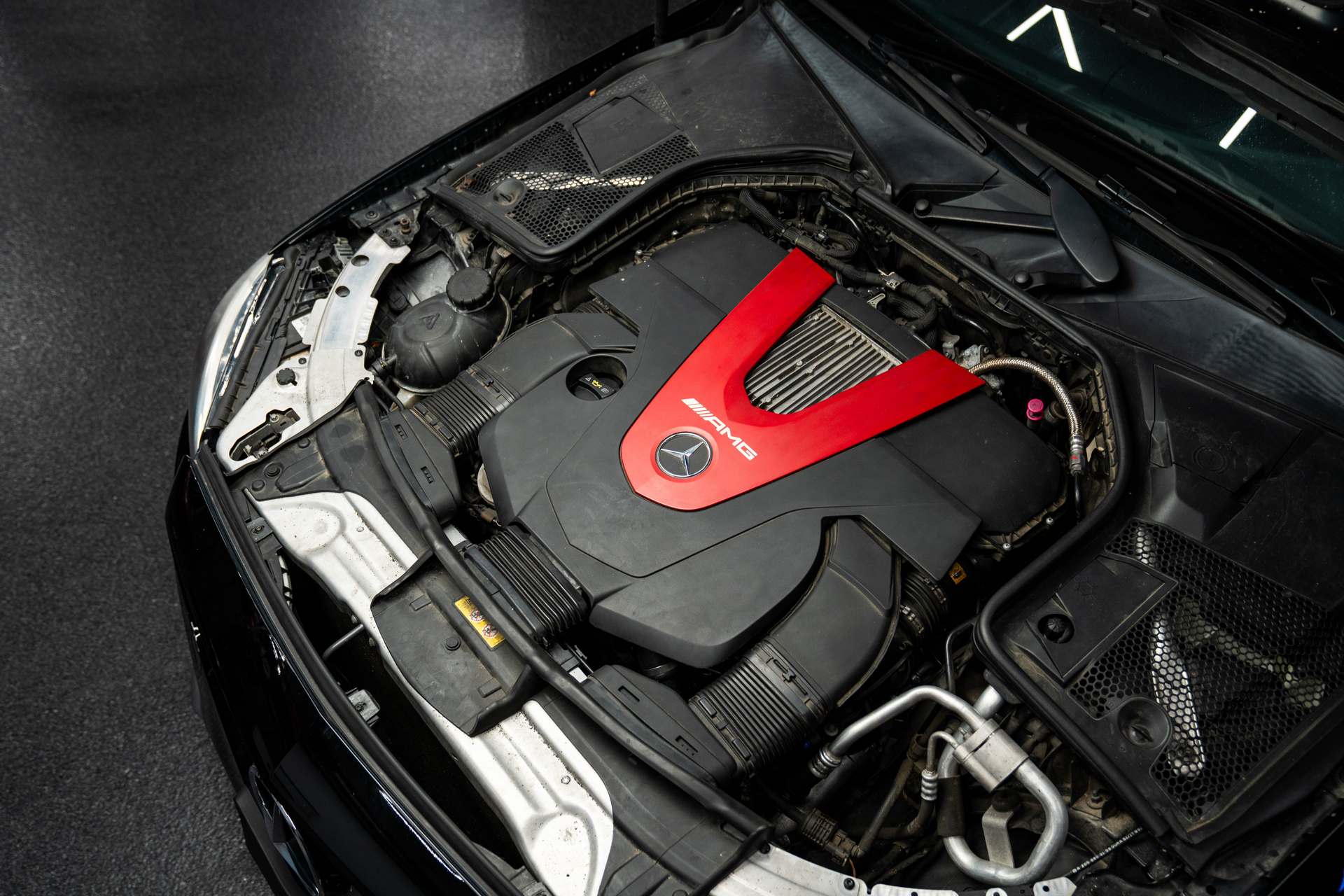
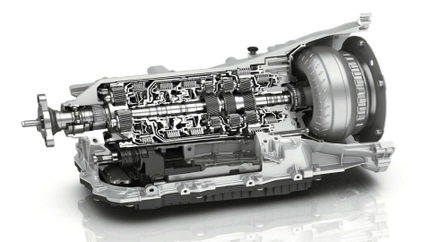
At its best, the W205 C43 AMG produces 385hp and 384 lb-ft of torque at the crank, and sends that to the ground via 4Matic all-wheel drive. Pre-facelift models feature an older 722.9 seven-speed automatic and a few less horsepower, while post-2018 models sport the newer 725.0 nine-speed automatic transmission. Unlike the C63s, both gearboxes use a traditional torque converter to connect the engine and transmission rather than an MCT clutchpack. That translates to a 4.1s sprint to 60mph, regardless of model year, and a highway MPG figure of around 30. Should neither figure be enough, a flash tune from a reputable tuner like Dinan is almost guaranteed to boost peak power figures, shrink acceleration times, and even deliver a few extra MPGs.
The chassis matches the drivetrain’s everyday-usable sportiness, with electronically adjustable dampers and double-wishbone front suspension. Prior C-classes had a MacPherson strut front suspension, which was simple and effective but lacked stellar dynamics once performance requirements reached only a moderate level. The double-wishbone design makes the W205 a far better-handling car than its predecessors, though that’s also partly to do with Mercedes’ extensive aluminum use throughout the chassis and exterior paneling. Large brakes and AMG-specific wheels round out the chassis tuning, giving the C43 AMG a distinctly different feel from its surrounding trims.
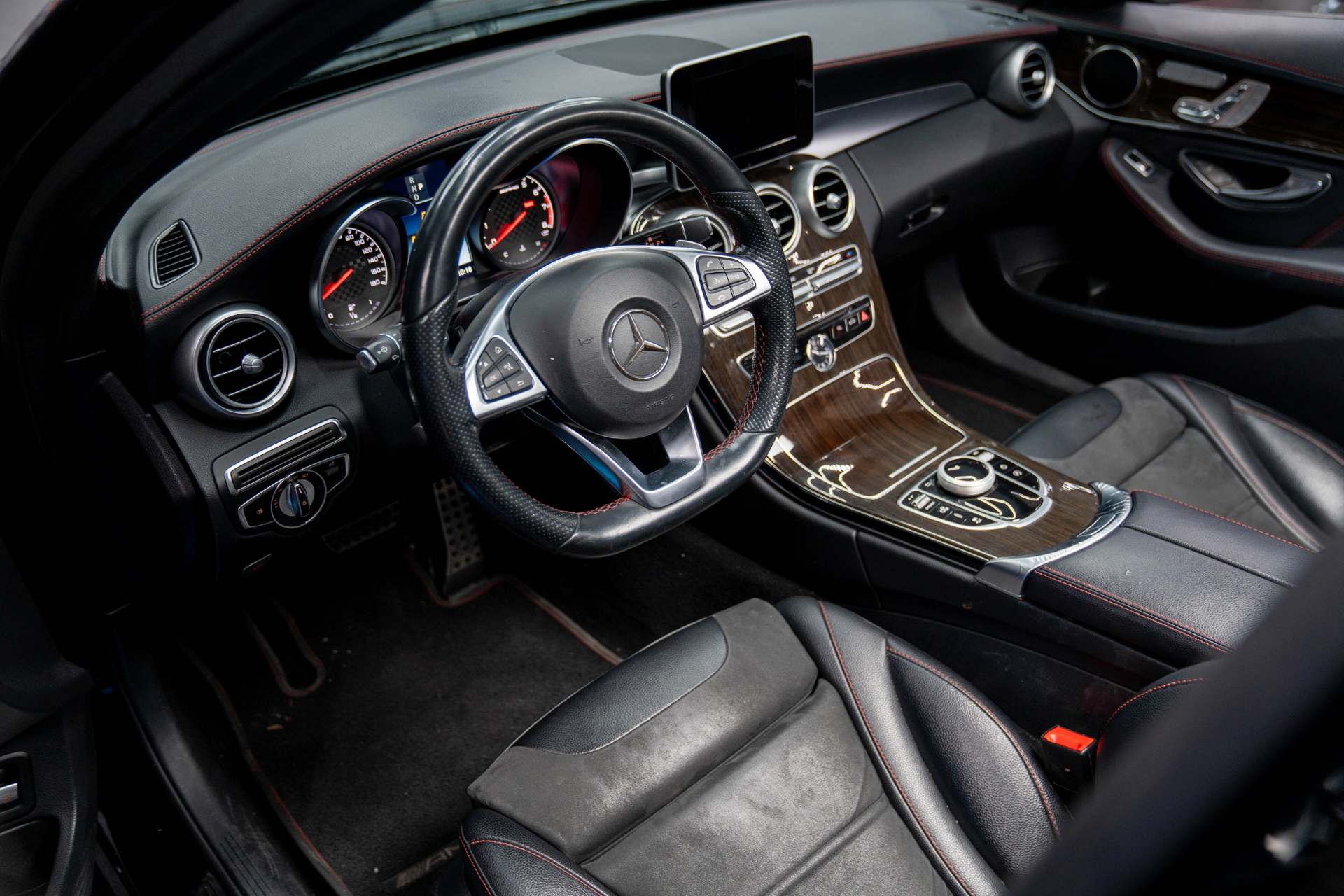
All in all, the C43 AMG sedan may just be the quickest European sports sedan ever assembled on American shores. Coupe and cabriolet models were assembled in Germany, so if you’re looking for a Tuscaloosa-birthed example, it’ll have to be a sedan. Lucky for us, it’s the most popular chassis.
Volvo EX90 - Ridgeville, South Carolina
Volvo’s XC90 has been a segment-defining SUV since its debut in 2004. There have been two generations so far, but in looking to the future, Volvo has developed a BEV counterpart to its best seller, the EX90. The big EV SUV resides in an ever-growing segment of its own, taking on the who’s who of luxury automakers worldwide, but unlike so many others, this one is made in America. Sure, it’s imbued with Scandinavian design and flair, but all meant for North America are assembled right here in the USA.
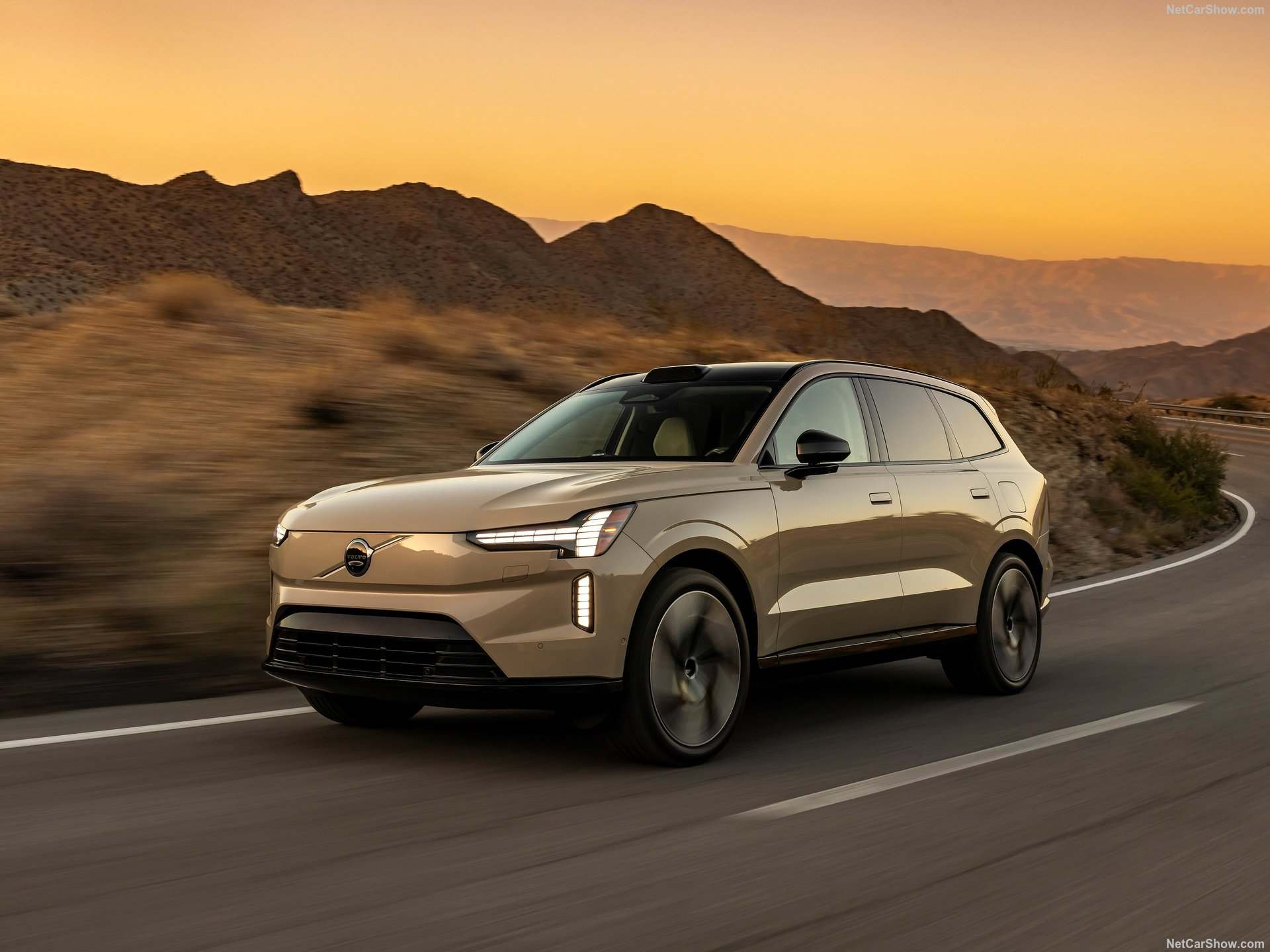
Just three years into production, the EX90 has already seen a major update. First-year 2025 models debuted across four trims, each with two electric motors and 400-volt architecture. However, all models from 2026 onward feature an 800-volt architecture and both single- and dual-motor trims. Doubling the EV system’s voltage was no small task, requiring major hardware changes, but the later examples are better for it, featuring reduced charging times and more power than the first-year examples. With that also came improved NVIDIA infotainment hardware, several additional standard driving assistance aides, and an electrochromatic roof. Beyond that, the EX90 has remained fairly consistent, offering a quiet and luxurious ride, a unique design language, and a near-sub-four-second 0-60 time.
Although Volvo has kept styling fairly consistent across the XC90 and EX90 models, the EV is built around a separate architecture. Rather than being adapted to the SPA platform, which underpins various gasoline-powered Volvos, the EX90 rides on the SPA2 platform, which it shares with the Polestar 3 and Volvo ES90. It’s arguably Geely’s most advanced platform on this side of the globe, giving the EX90 dual-chamber adaptive air suspension, up to 670 hp, and over 300 miles of range on a full charge. The SPA2’s newer 800-volt system also helps shrink charging times, allowing the battery to jump from 10% to 80% charge in just 22 minutes. The included driver aides and safety features are shared with other Volvos, but the two independent motors in the upper trims offer a much more sophisticated and adjustable all-wheel-drive system. That gives the EX90 a leg up on its ICE counterpart in inclement weather, and even works with the height-adjustable air suspension to deliver surprisingly composed handling characteristics for a three-ton vehicle.
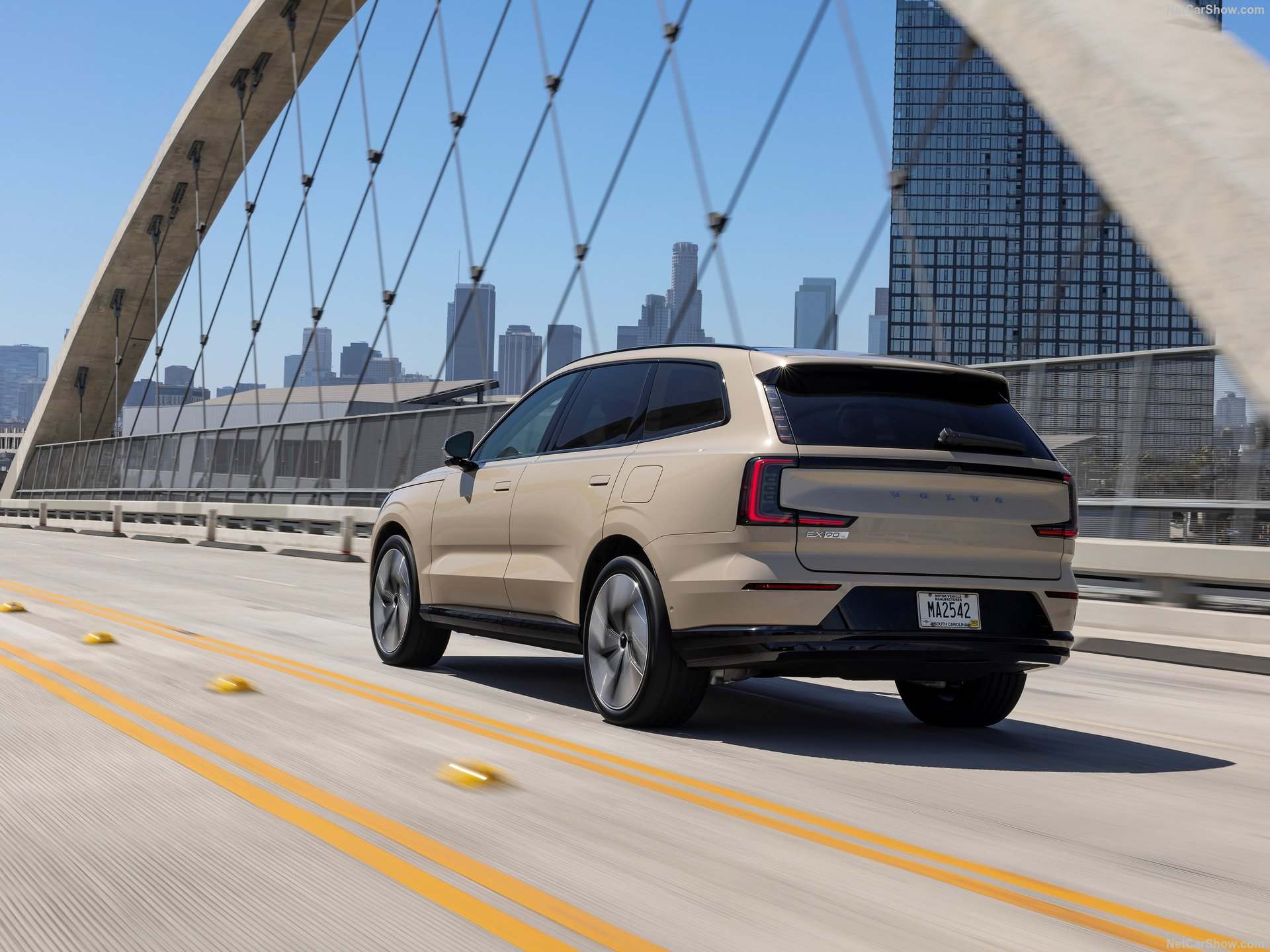
Being a luxury vehicle, the EX90’s interior is well-trimmed in upmarket materials. Plastics are difficult to come by, unless it's the base seat upholstery, which is made from bio-attributable PVC with a polyester backing. Nappa leather is the other choice there, with both available in three colors. The front seats are heated as standard, and both cooling and a ten-point massage function are optional; the remaining five have to do without all. Leather and brushed or polished metals make up much of the rest of the trim and the minimal switchgear. Like so many EVs, Volvo has opted for two screens: a smaller, wide rectangle for the instrument cluster and a large central screen for infotainment, vehicle system settings, climate control, and most other functions. Altogether, it features the kind of upmarket Euro feel that only the Polestar 3 can match for an EV made in America, though that’s not for long, and Polestar has recently announced its departure from the US market.
BMW X3 (G01) - Spartanburg, South Carolina
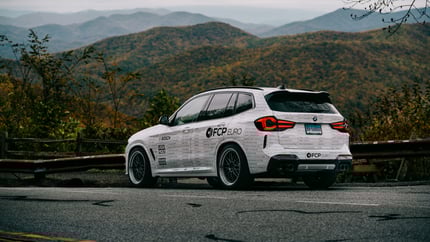
The BMW Spartanburg plant manufactured the Z4 through the end of the E85 generation before shifting its priorities. The X5 and X6 were first, but in 2010, the smaller X3 joined the production line. Dubbed the F25, it was a smash hit, selling over 300,000 units during its run and ensuring buyers were well aware of BMW’s more compact SAV. However, its successor, the G01, is undeniably the better car, and buyers thought so, too, with sales eclipsing 450,000 US units before production ceased in 2024. Lighter, quicker, and more reliable, the G01 is all over the second-hand market in a range of budgets, and regardless of the options or engine fitted, it’s likely the best American-made European car we've ever seen.
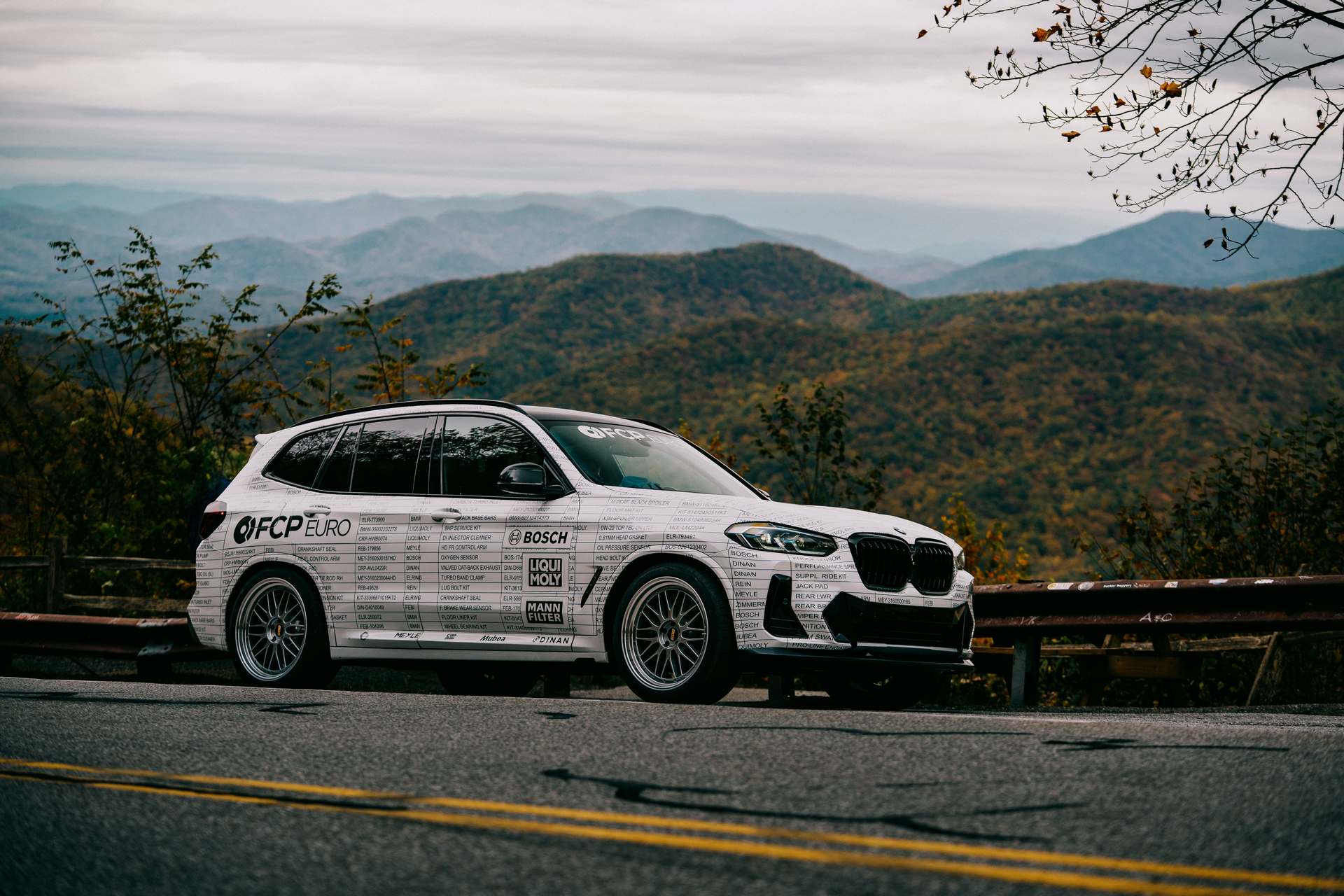
So what makes the G01 such a good machine? Well, BMW has had a lot of practice designing and engineering an enormous range of vehicles, and through that, they developed their CLAR platform. The Cluster Architecture, as BMW calls it, underpins the G01, giving it shared suspension mounting points, electronics, and drivetrain packages. It shares those with a handful of other models, including the 3- and 5-Series cars, and while that doesn’t sound so special, it’s allowed BMW to focus on one stellar set of drivetrains and infotainment that it can then use effectively across the line-up. Like other manufacturers who’ve developed modular platforms, the CLAR was a big step forward, and combined with the best generation of engines and transmissions BMW may have ever had, the G01 has ended up as a kind of Goldilocks vehicle for many.
The X3 should be viewed as the 3-Series equivalent SAV. They’re similar in size and price when new, but the G01 offers a lot more practicality thanks to its much larger cargo area. Yet, despite the size difference, the sportier X3 variants, like the M40i, don’t give up much cornering competency to their sedan counterparts. That sort of handling capability is something BMW has always wanted from its SAVs, but never before has it been so close. Engines and transmissions are the same across the sedan and the SAV, so performance potential from either the B48 or the B58 isn’t limited by body style. Plug in your favorite tuner, and you’ll have no trouble giving some sports cars a run for their money.
_(1).jpg)
The G01 is also the only generation with an M model, though its chassis code is technically F97. Despite that, and its much more performance-oriented running gear, it too was built in Spartanburg alongside other BMW SAVs. Although the X3 M40i is already plenty sporty, the X3 M brought the genuine Motorsport treatment to the smaller chassis, giving buyers their best chance at having a practical supercar-killer. There aren’t many European platforms around that can claim they offer around-town comfort and quiet in one trim and true sports car chops in another, and even fewer that can say they were built in America.