- 03/06/2025
- 5 Min Read
- By: Christian Schaefer
How To Prepare For The FCP Euro Proving Grounds (And Your First Track Day)

If all you knew about motorsports were the professional level, where teams roll in on semi-trucks with hundreds of members for the weekend with cars needing several laptops to turn on, you’d have a terribly skewed view of how simple it can be. Auto-cross is arguably the easiest way to push your vehicle’s limits safely, as you compete against the clock and yourself to put down a quick time through the course arranged with cones in a parking lot. However, if you’re from the Northeast, you’ll have access to the FCP Euro Proving Grounds at Lime Rock Park, a small circuit and skid pad placed within the world-famous race track. Regardless of where you’re trying it out, you will need a few things in preparation, though, thankfully, not a truckload.
Welcome To Motorsport!
Motorsport isn’t just about competing. It’s a tool to sharpen your skills as a driver, and it's often filled with wonderful communities ready to welcome new participants with open arms. Groups putting on auto-crosses and driving clinics come in all forms, from national manufacturer-specific clubs to local clubs open to anyone who wants to join, no matter the vehicle you possess, to monolithic institutions like the SCCA. Some require memberships, while others are happy to have you there, enjoying shared passions.
How you engage with and sign up for an event depends on who’s putting it on, but they’re all typically the same. Once you arrive, you’ll be put into a run group and drive when it’s your turn. When not driving, there’s a good chance you’ll be working the course for the other run group(s), picking up cones, and relaying info to timing and scoring. Getting a feel for driving on the FCP Euro Proving grounds or through the assembled course will take some time, even with an instructor, so it’s best to focus on the overall experience and learn what you can. However, there’s plenty to learn about beforehand to prepare yourself. Pushing the limits of your vehicle and driving ability means stressing yourself and your car, potentially more so than ever before. As such, there are things you can do to prepare your vehicle to survive and thrive on the course, as well as make your day more enjoyable when out of the driver’s seat.
Prepare Yourself
While your car may be the obvious choice to prepare, there’s plenty you can and should do for yourself in a few different aspects. The most important is safety, obviously, and the best way you can protect yourself while on the FCP Euro Proving Grounds or any other auto-cross course is to have a good helmet. No one wants to think about an accident, but things happen at the limit, and a Snell-rated helmet is the best option for head protection. The Snell Memorial Foundation was formed after the passing of SCCA member Pete "William" Snell in a race in 1957 and has since become a benchmark safety rating in crash safety.
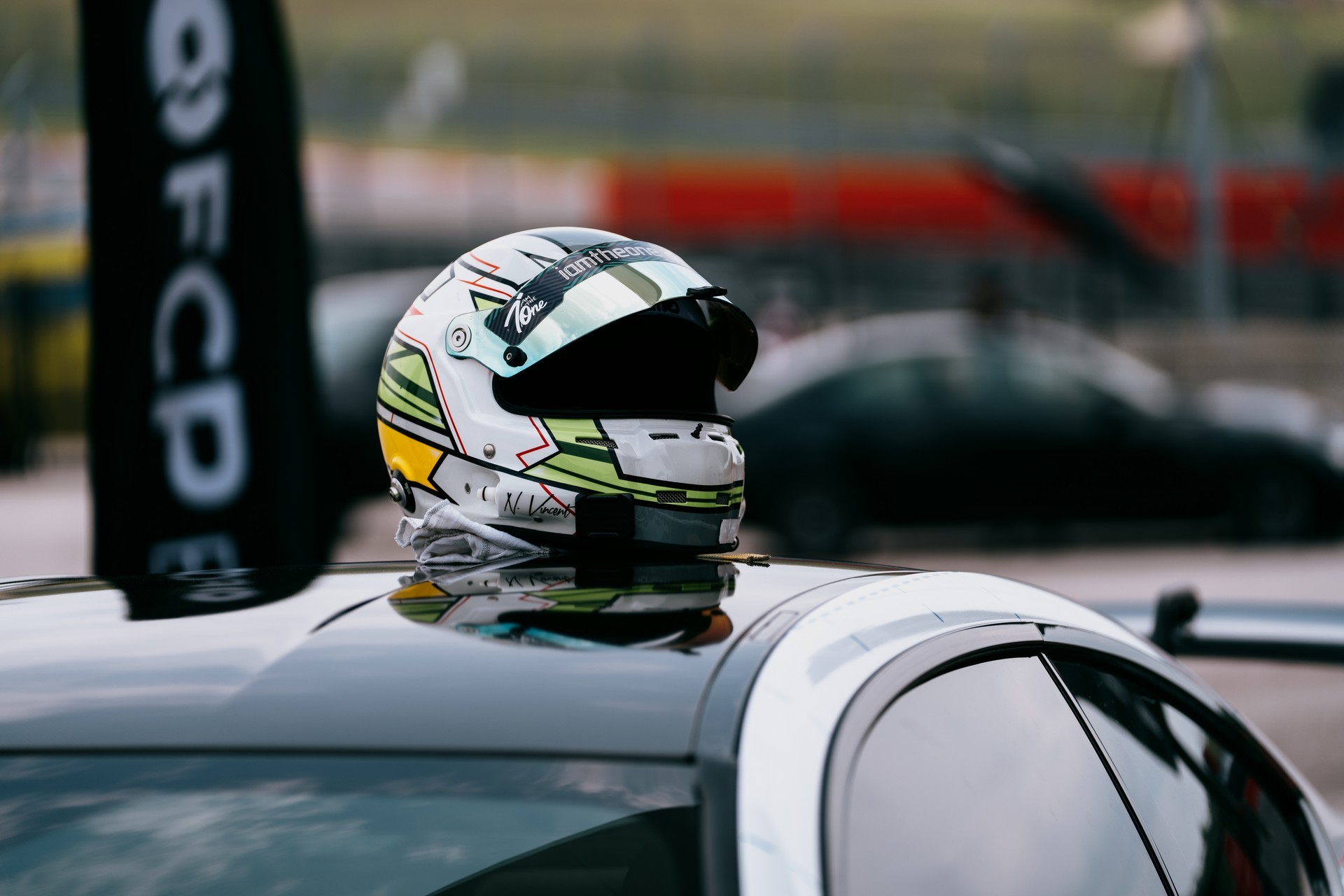
Certifications are updated every five years, the latest being the SA2025 rating. In most rule books, helmets are good for ten years beyond their Snell rating, meaning that in 2025, an SA2015 is in its last year of eligibility. You can still find older SA2020-rated helmets for sale, and because of the eligibility rules, they will be less expensive than the most recent certification. Simpson, Bell, Zamp, and Racequip offer most entry-level brain buckets, each with unique designs and color options.
While unnecessary, you can help yourself more with a pair of thin-bottomed shoes. Pedal feel goes a long way for feeling comfortable pushing limits; a communicative sole is key to that. Something like a classic Converse or Chuck Taylor shoe is likely something you have if not an inexpensive option, but use whatever you have as it’s far from a big issue.
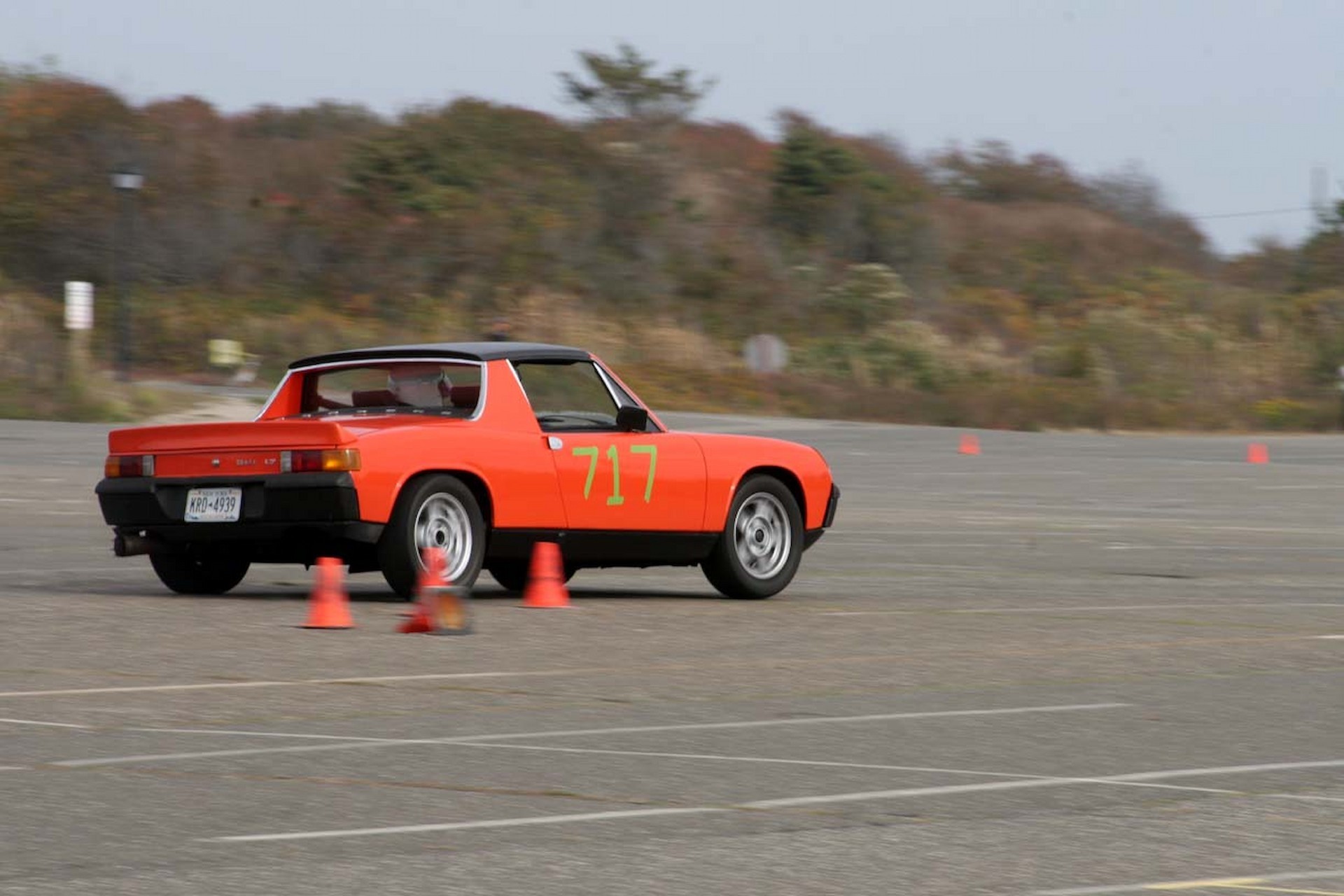
Safety also comes in the form of large identifiable numbers on your car. As with televised race vehicles, every car competing or driving on track will need a number so stewards and timing can keep track of who’s where. However, it’s not the event organizer’s responsibility to provide numbers. Instead, bring a roll of painter’s tape to make significant, easily identifiable numbers on both doors. Reusable magnetic numbers are also available online through many vendors, and they’re great for anyone who often needs them.
The next thing you can do is prepare yourself for after the event. As you brake late and corner tightly, you’ll work your brake pads hard and come into contact with cones, trying to shave off a few tenths. Getting deep into the brakes will send off an aggressive amount of brake dust, coating your wheels, and letting that sit on your whee’s paint surface can be detrimental. The metals within that dust will eventually embed themselves into the paint, wrecking the finish. Luckily, cleaning them soon after with a quality wheel cleaner is all you need to prevent that.
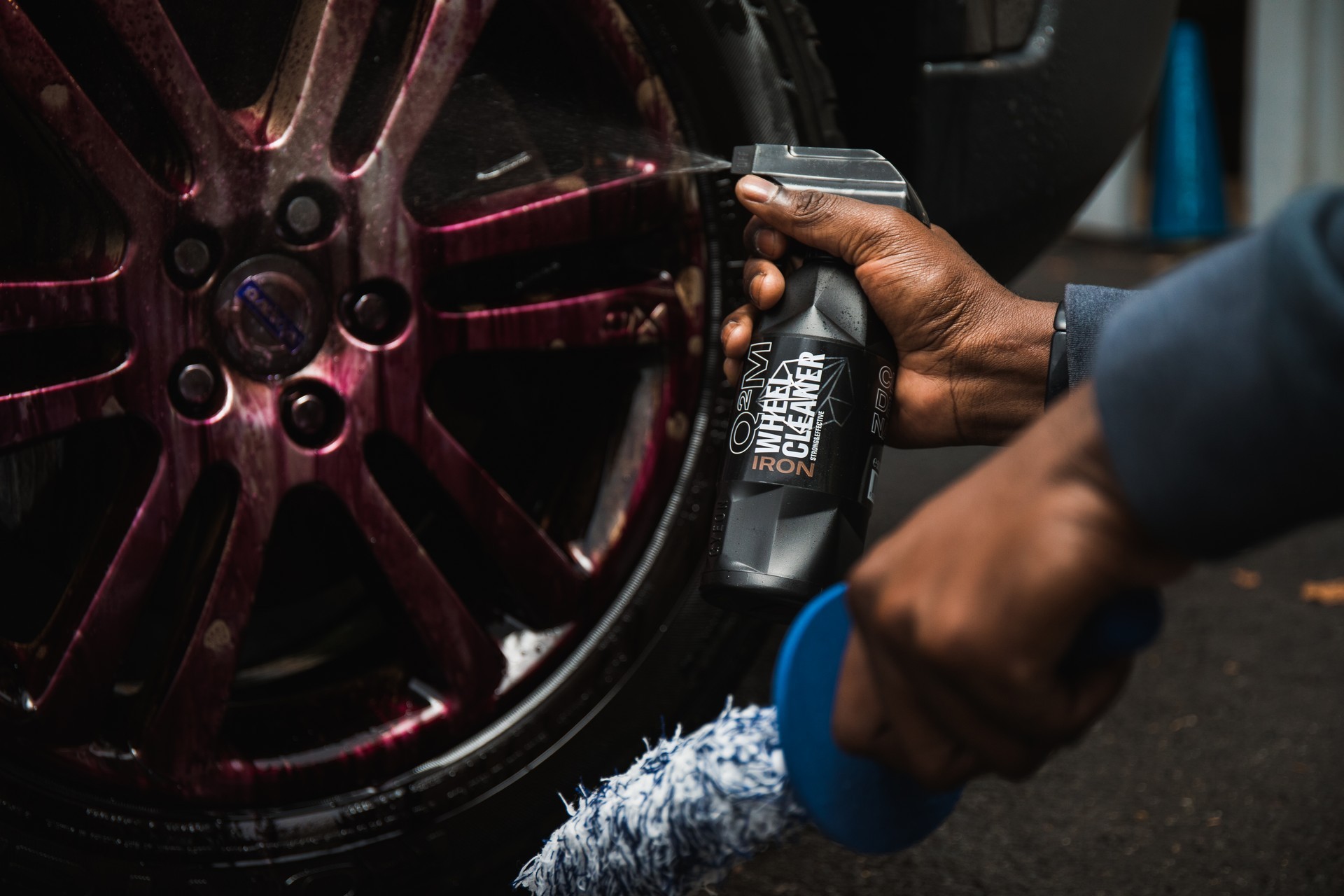
FCP Euro offers a slew of wheel cleaners in varying strengths and sizes. This is an excellent buy if it's not already in your car care arsenal, and whichever one you choose will give you a quality result. Consider one of the wheel cleaning kits equipped with a brush if you’re without one of those, too. It’s a convenient tool. Tar and bug remover will be the best option for the paint surface. Driving on race-track-like surfaces such as on the FCP Euro Proving Grounds, your car will pick up bits of dirt and tire rubber that have come off others’ tires, marking the paint with black streaks, but the bug and tar remover should make quick work of that.
Prepare Your Car
Every event has a “Tech” session before anyone heads out onto the course. There, one or more people will look over your car’s condition to ensure it’s not dangerous to you or anyone sharing the course with you. If you fail to meet their standards, you won’t be allowed to drive, so checking your car well beforehand is best.
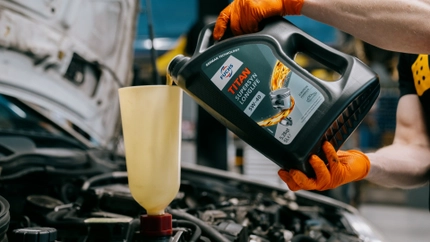
Start in the engine bay and take note of any fluid leaks. A weepy seal isn’t typically enough cause for concern, but a leak strong enough to consistently put fluid onto the ground while driving certainly is. You must repair that before you have any chance of passing Tech. Then, take stock of the fluids that are supposed to be in the engine bay and top off as needed. However, the brake fluid must be clear to light amber. Flush the dark and worn fluid with fresh fluid to remedy that issue.
Next, head to the ground to look at your brakes and suspension.
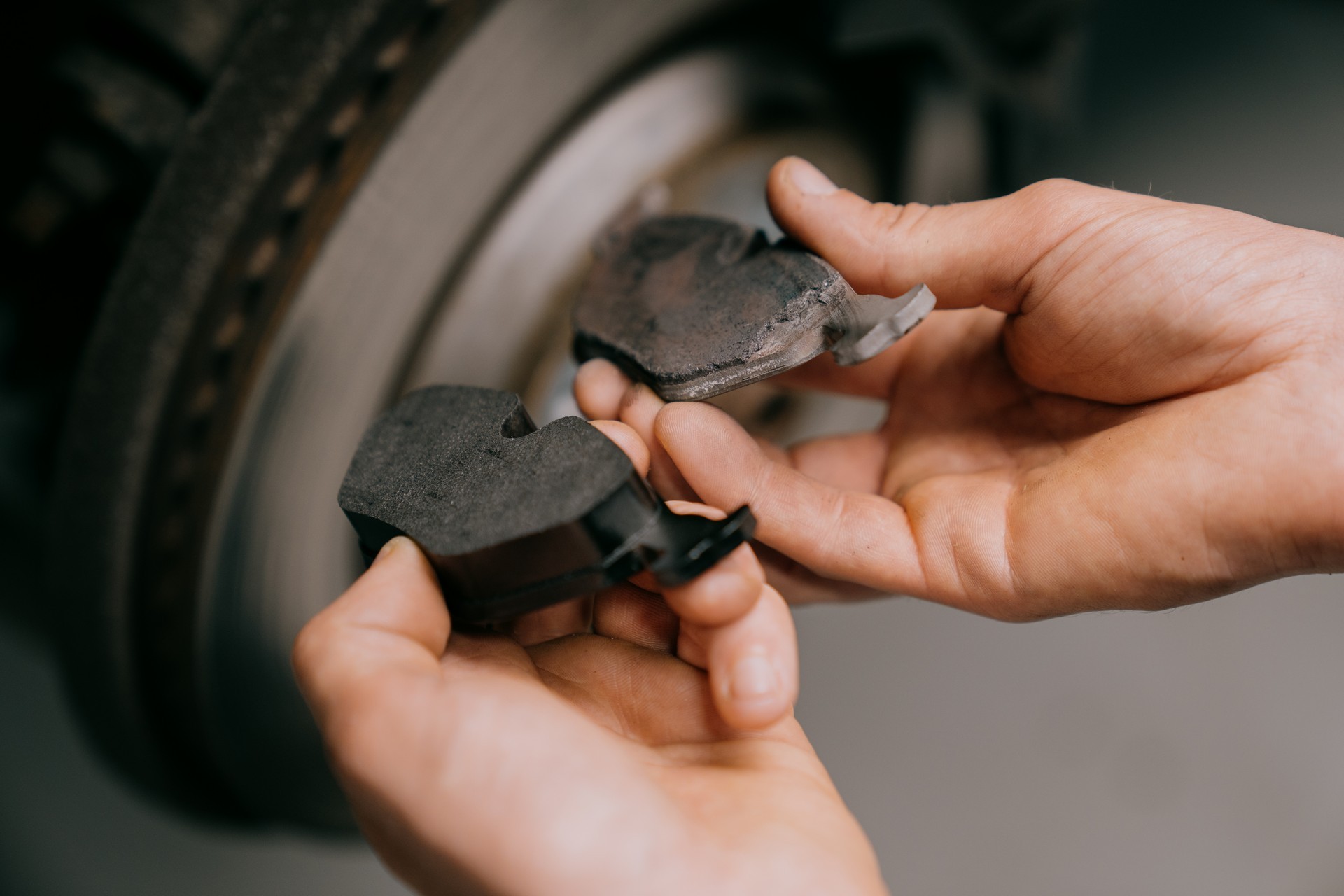
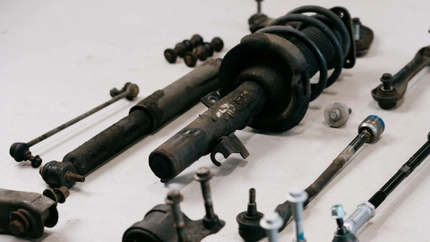
Start at the front or rear, whichever you prefer, and note the condition. Control arm bushings shouldn’t be torn and loose, and dampers should be dry and leak-free. Most importantly, the brakes should have good life on the pads and rotors. If not, this is a good time to refresh your brake system with sportier semi-metallic or ceramic brake pads. Also, examine the rubber brake fluid lines and ensure they’re crack and leak-free. If you have the time, a quick brake bleed can go a long way.
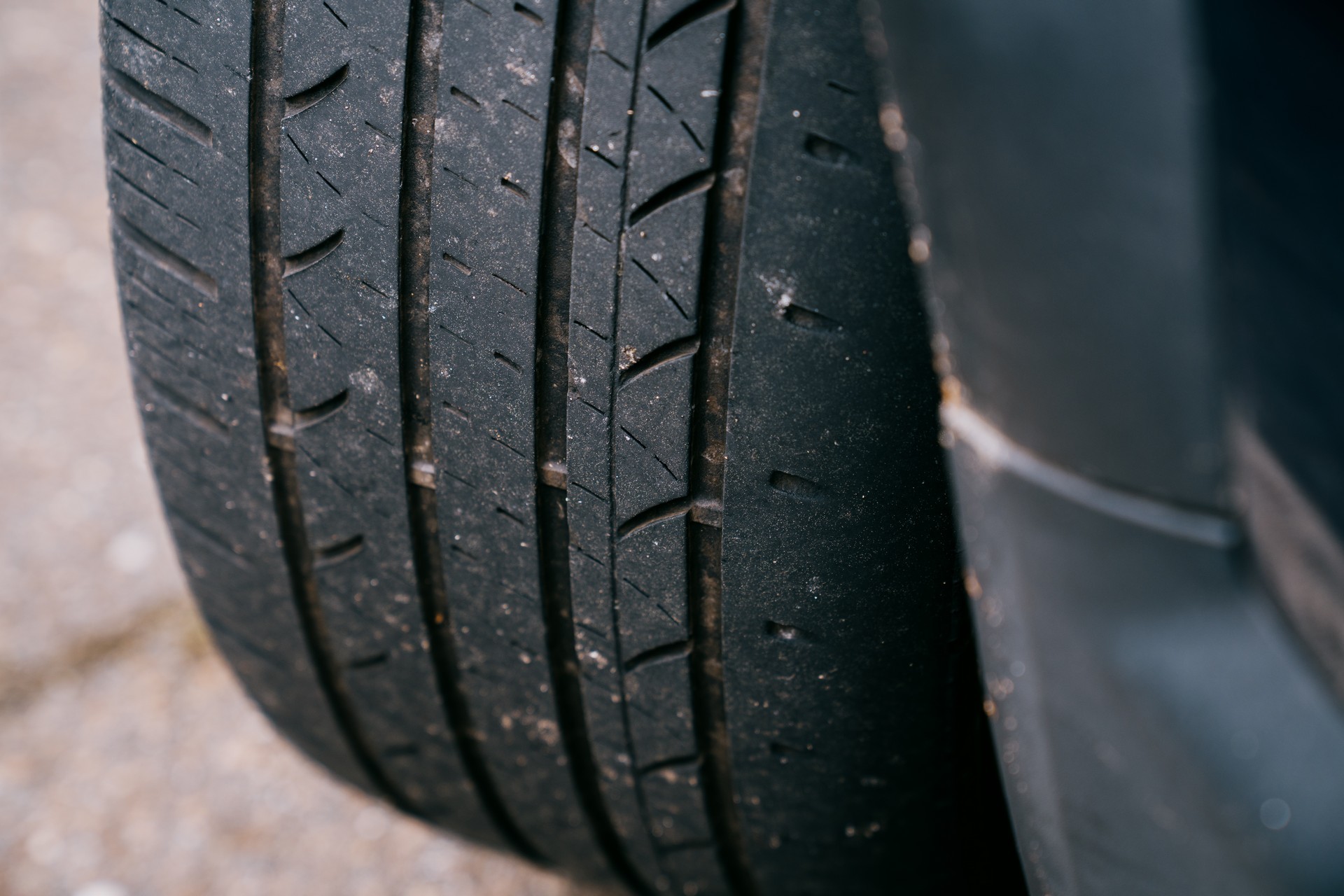
Lastly, check out your tires. They’re the only part of your car that touches the road, so their condition affects everything from ride quality to overall performance. Look over the tread of each tire and check for any abnormal wear, as that’s a sign of a larger issue elsewhere. Any tire worn down to the wear bars should be replaced before the event for safety and performance. Bubbles in the sidewall are also a sign of a more significant issue, and the affected tire should be replaced immediately, regardless of whether it’s driven on spiritedly or not. If they look OK, check their pressures and adjust them as necessary to the factory settings, if not a few psi below. Tire pressures will significantly affect how the vehicle handles, and changing them at the track is a great way to pick up time and learn about your vehicle’s dynamics.
Prepare Your Trunk
Now you know how to prepare your car and yourself for driving on course, which is excellent! But what about those in-between times when you’re waiting around? You might not realize there’s lots of downtime throughout the day, whether you’re at the FCP Euro Proving Grounds, your local stadium parking lot, or an FIA-rated circuit. That allows you to walk to parts of the course to watch other run groups, or it's a few minutes between working the course and your run group. Whatever the specific case, there are a handful of things to bring with you that’ll make your downtime far more enjoyable.
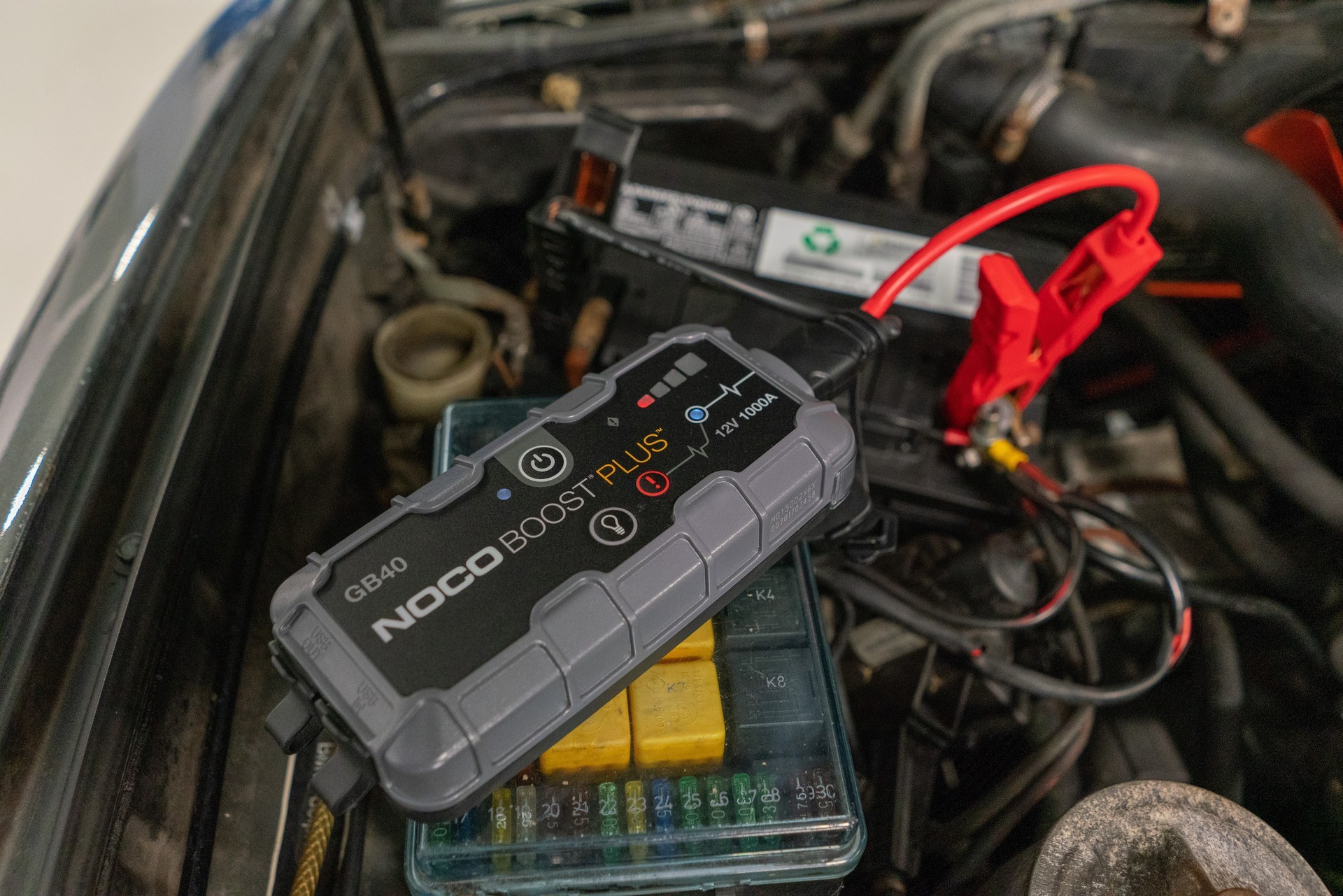
A good way to look at it is similar to camping. There likely won’t be many places to sit; you’re out in the open, so there’s little electricity at the ready, and there’s typically not much around other than the other cars on the course. Because of that, bringing a chair and a portable charger is a great idea. Some place to sit outside of the car is as essential as it gets; any beach chair or stool will do the job just fine. The portable charger is great for anything, whether your phone or the GoPro you forgot to charge the day before. If you’re charging something more significant or multiple items, consider one of the NOCO portable jump packs that also function as a portable charger for smartphones and other devices and a tool for jumping a battery.
Certain places like the FCP Euro Proving Grounds at Lime Rock Park have access to concession stands during the day, while others may have a coffee truck roll through, but access to food is never guaranteed. Prepare your trunk with a cooler full of sandwiches or snacks; there’s a good chance they’ll be your only way to eat throughout the day. Driving on course at the limit can take a surprising amount of energy, so you’ll need all of the water and nutrients you can get to keep yourself sharp. Other great things are a small speaker or headphones and some sunscreen. Sunburn can and will be an issue, even during those early, overcast spring events that are hardly warmer than late winter.
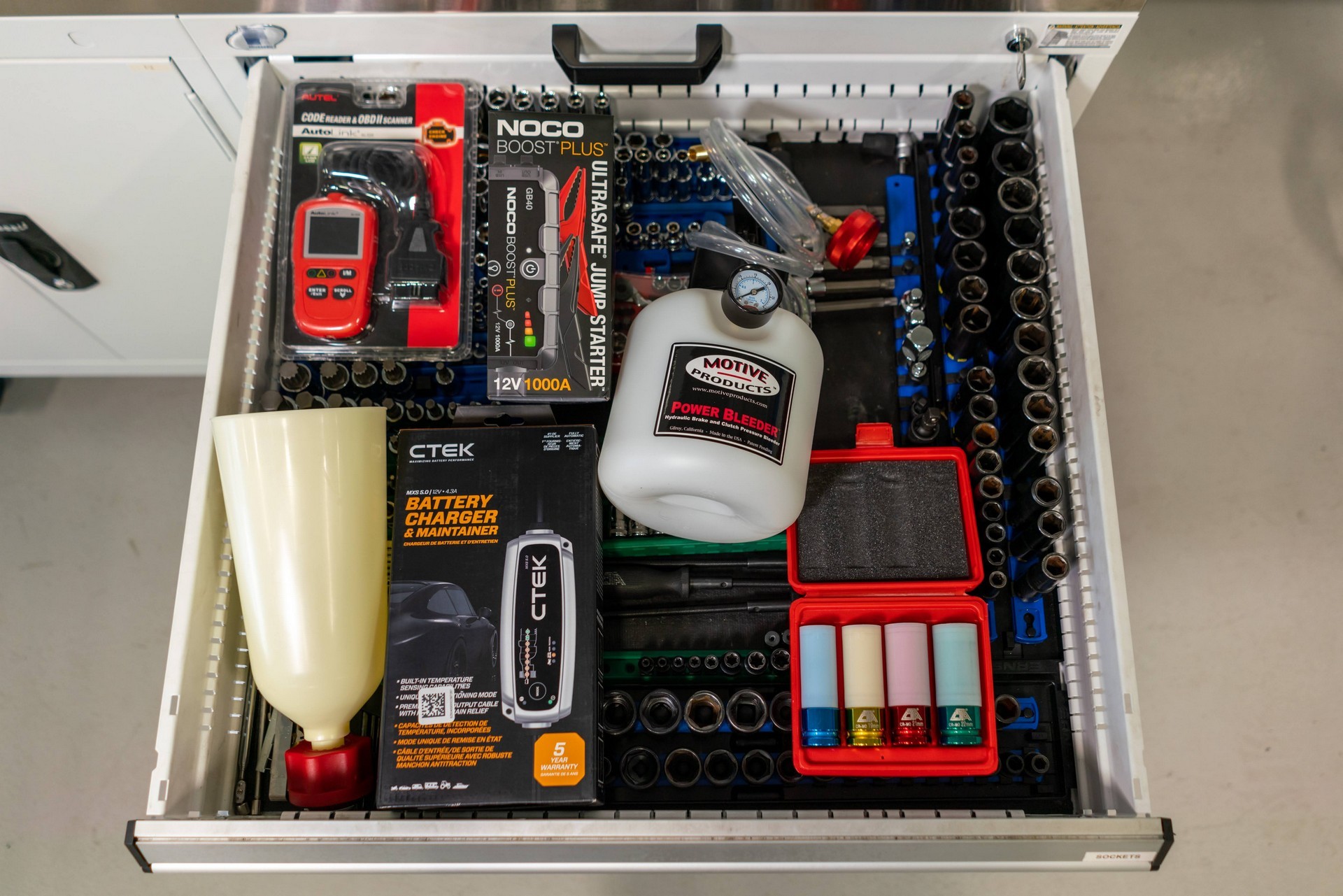
Lastly, consider bringing a small assortment of tools. Shop rags are great for any cleanup, but especially for fluid leaks. A small travel toolbox or bag with a couple of ratchets and essential sockets, a torque wrench, an electric impact, and a jack and jack stands should cover any situation you find yourself in. Also, consider pairing those tools with extra fluid like engine oil, coolant, and brake fluid. Leaks happen, and fluid levels drop; covering yourself for that potential may be what separates a catastrophic issue from a near miss.




.jpg?width=430&crop=16:9&format=webp)