- 07/22/2026
- 3 Min Read
- By: Christian Schaefer
Volkswagen's Mk3 Vento: A Weird Lapse In Creativity?

Although perhaps not as obvious in recent decades, there was a time when Volkswagens were arguably the most whimsical vehicles on the road. Their lineup in the eighties, nineties, and even through to the early ‘00s was full of the models we know today, like the Golf, Scirocco, and Passat, available in more than a handful of colorful special and limited editions, like the Match Edition, the Bon Jovi Edition, and the Pink Floyd Edition. Unfortunately, we Americans missed out on most, receiving only a few hundred Harlequin Golfs, but looking back through old magazines or scouring Instagram and internet forums, it’s not difficult to see that VW creatives were going all out. Nearly everything VW put out was well thought out or just crazy enough to work, but there was at least one little detail that slipped through the cracks of creativity in that time, leaving the European-spec Mk3 Jetta with a relatively uninspired name.
Winds of Change in Wolfsburg
It’s difficult to understate how transformative the seventies were for Volkswagen. Coming off an enormously successful decade, VW soon found itself behind the ball as competitors had developed newer, more modern vehicles that cost less to produce than the air-cooled Beetles and Buses. For Volkswagen to survive, it needed something fresh; luckily, Rudolf Leiding, the company’s CEO, had an idea that VW still utilizes today. He spoke of a ‘Baukastensystem,’ a manufacturing plan that would see multiple VW models of varying sizes share a significant portion of their suspension, brake, and drivetrain components. If that sounds familiar, it should: the B in VAG’s current platforms (MQB, MLB) stands for Baukasten, which translates to modular in English.
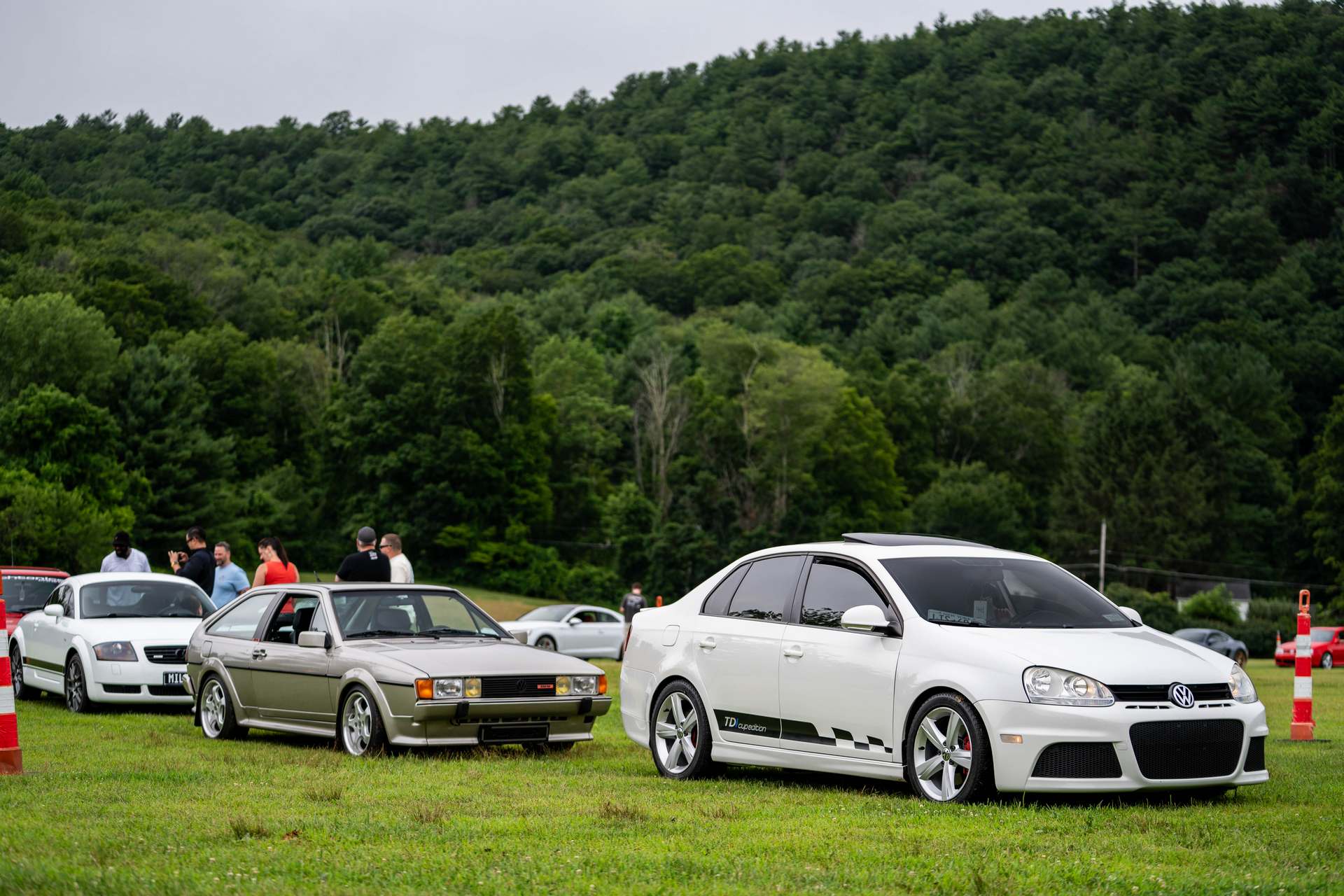
Within just a couple of years, the Baukasten system helped deliver a radically new Volkswagen, one that shed the established rear-engined, air-cooled drivetrain for a front-engined, water-cooled design packaged neatly in the cute little hatchback we know as the Golf. More than that, it was meant to easily underpin the rest of the lineup, from the smaller Polo hatch to the sporty Scirocco, and the sensible Jetta sedan. It was a tectonic shift in the company’s engineering philosophy and a defining move that set the trajectory for the next couple of decades.
Although times weren’t always rosy, those models championed VW’s lineup for decades, with most remaining around today in one form or another. Along the way, accountants gave way to engineers, resulting in the Golf GTI, the 16V head, the G-Lader supercharger, the VR6, and the earliest forms of all-wheel drive, lending to the company’s creative nature. Of course, the design department was also given freedom to be creative, spawning the ‘Jeans Beetle’ and the GTI Colour Concept, among many more funky and fun special editions. Seemingly, throughout the lineup from the seventies through to the mid-’00s, there was something innovative, odd, or simply smile-inducing offered on every model.
.jpg)
Even their model names were fairly creative, bucking the boring or technical labels some others had used for an overarching naming scheme that applied to all those aforementioned models and the Corrado. Well, all of them, except for one.
Just A General Breeze, Nothing Specific
How does your favorite manufacturer name their cars? Do they give it an alphanumeric name signifying the size and engine spec? Or maybe an animal name from a different native language, or a mash-up of multiple words? Volkswagen had long used engineering codes or other numeric names, like 411 and T2, by the time Leiding took over, but he would end that with his new model. Instead, it’d be much softer on the ear and easy to remember, like Golf.
Obviously, golf is a worldwide sport millions of people play, but that’s not where the name originates. Instead, the benchmark hatchback was named after a wind pattern. Golf is the direct translation of English’s Gulf, with the Golf coming from Golfstrom, or Gulf Stream. VW then applied that same convention to its next few models, naming them after specific wind patterns. Keyword: specific.
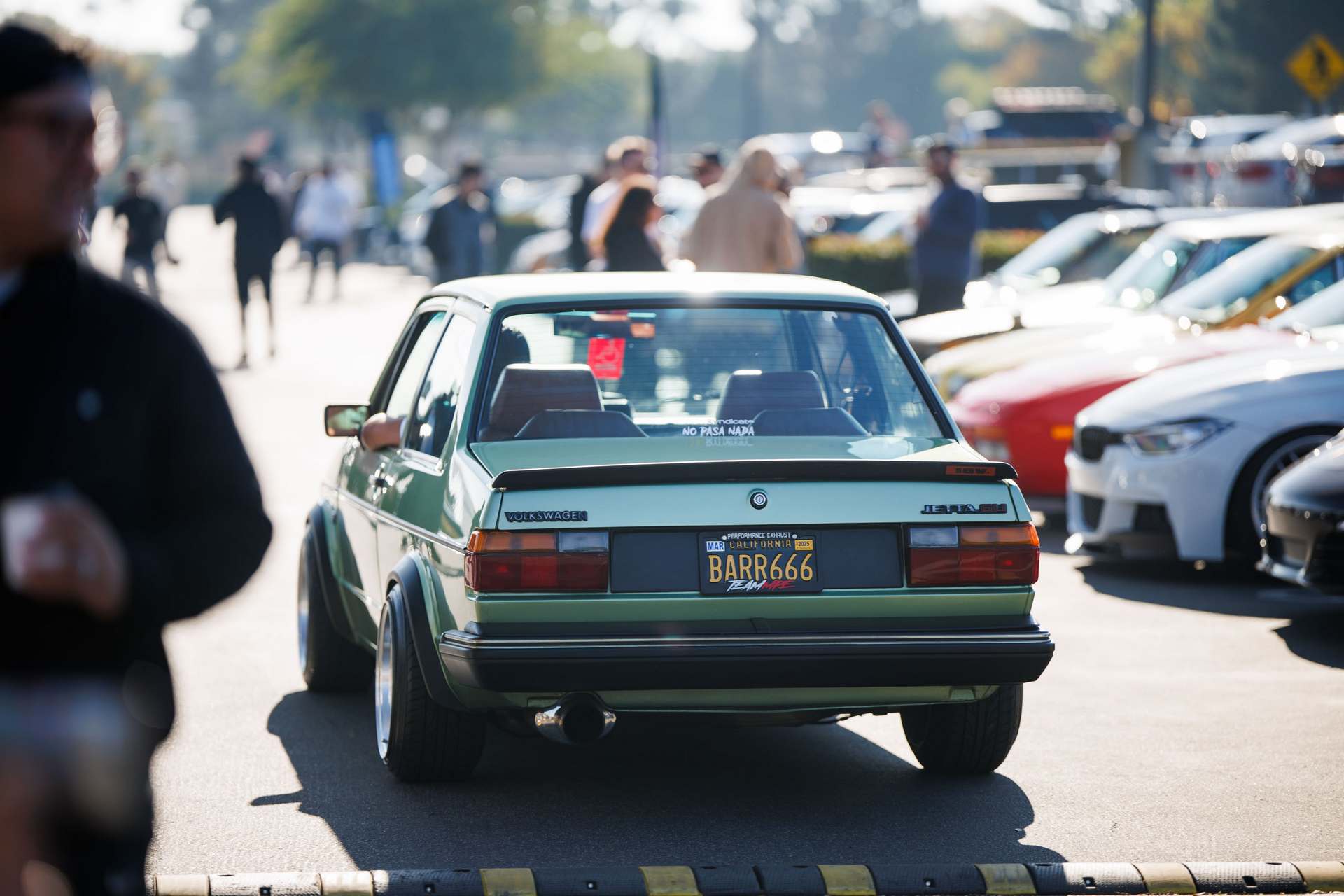
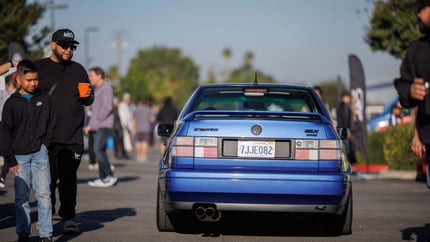
The Scirocco name derives from the Sirocco wind that blows over the Mediterranean and the Sahara. The Passat is named after the Passatwinde, known to us as the Trade Winds that helped early oceanic explorers navigate the open seas. The Polo name comes from the Polar Winds. Last, but not least, the Jetta was named after the Jet Stream. However, outside of the US and a few other places, the Jetta name disappeared after two generations, supposedly to appeal to young European buyers. Its direct replacement was largely identical to our Mk3 Jetta, but with a new name: Vento.
You would think Volkswagen would stick to its established naming convention, considering its success, and they did… sort of. Any guesses before I tell you? Maybe a constant wind over the Andes in South America, or one that affects the tides near Australia? Nope.
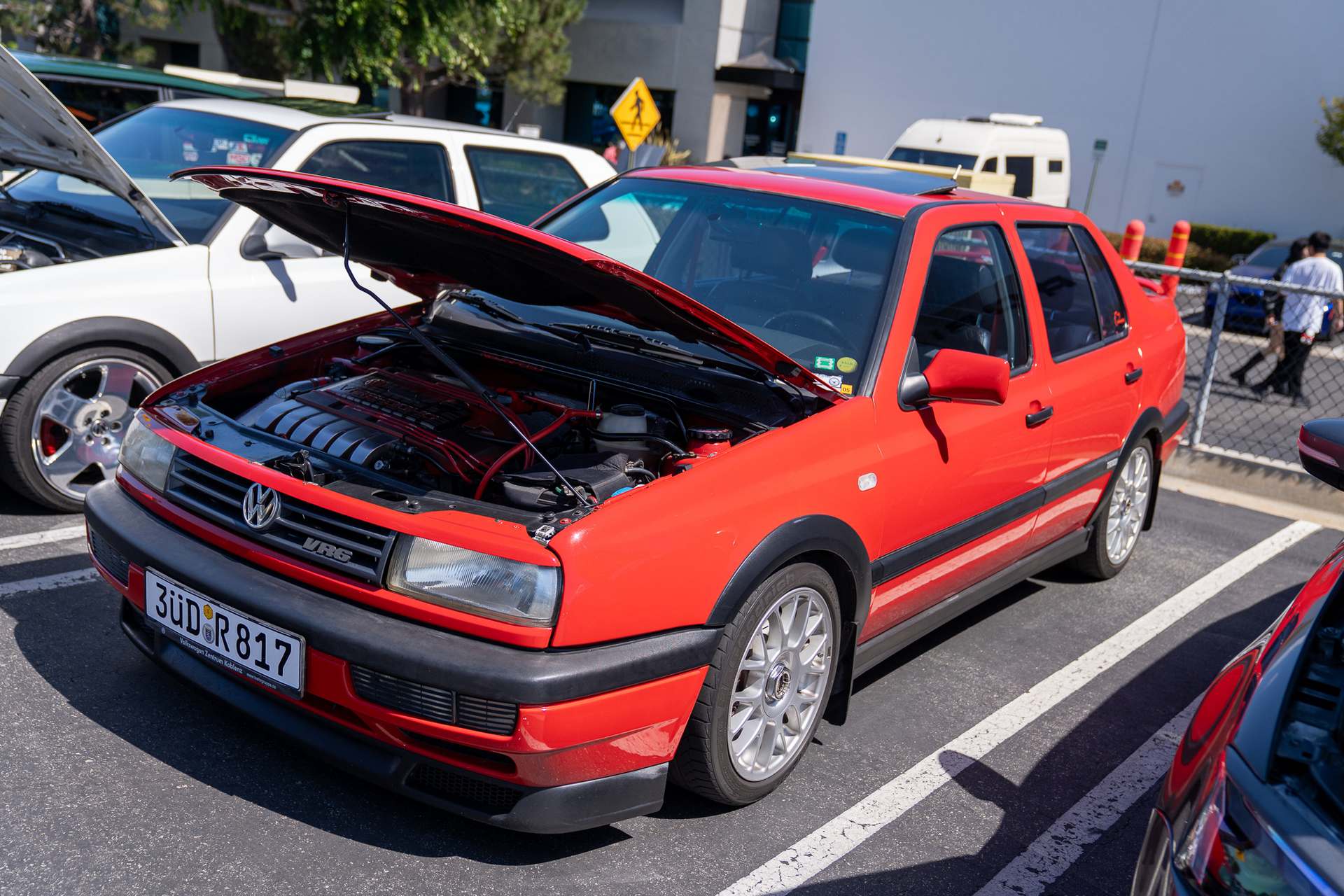
Vento is simply the Italian word for wind. Nothing specific, significant, or even interesting; just wind. Finding that out, I had to immediately check whether there were other major wind patterns to choose from, and I had to go no further than discovering the Vento’s successor to see that that wasn’t the case. Just seven years later, the Bora (Mk4 Jetta) replaced the Vento, named after a wind pattern around the Adriatic Sea. The Mk3 Jetta/Vento had a handful of matching special editions with the Golf, so there clearly wasn’t any shortage of marketing creativity in Wolfsburg at the time. Even the Corrado, which is derived from the Spanish verb meaning “to run,” was called Taifun (Typhoon) during development. Yet, the Vento is as generic as it gets, at least in meteorological terms.
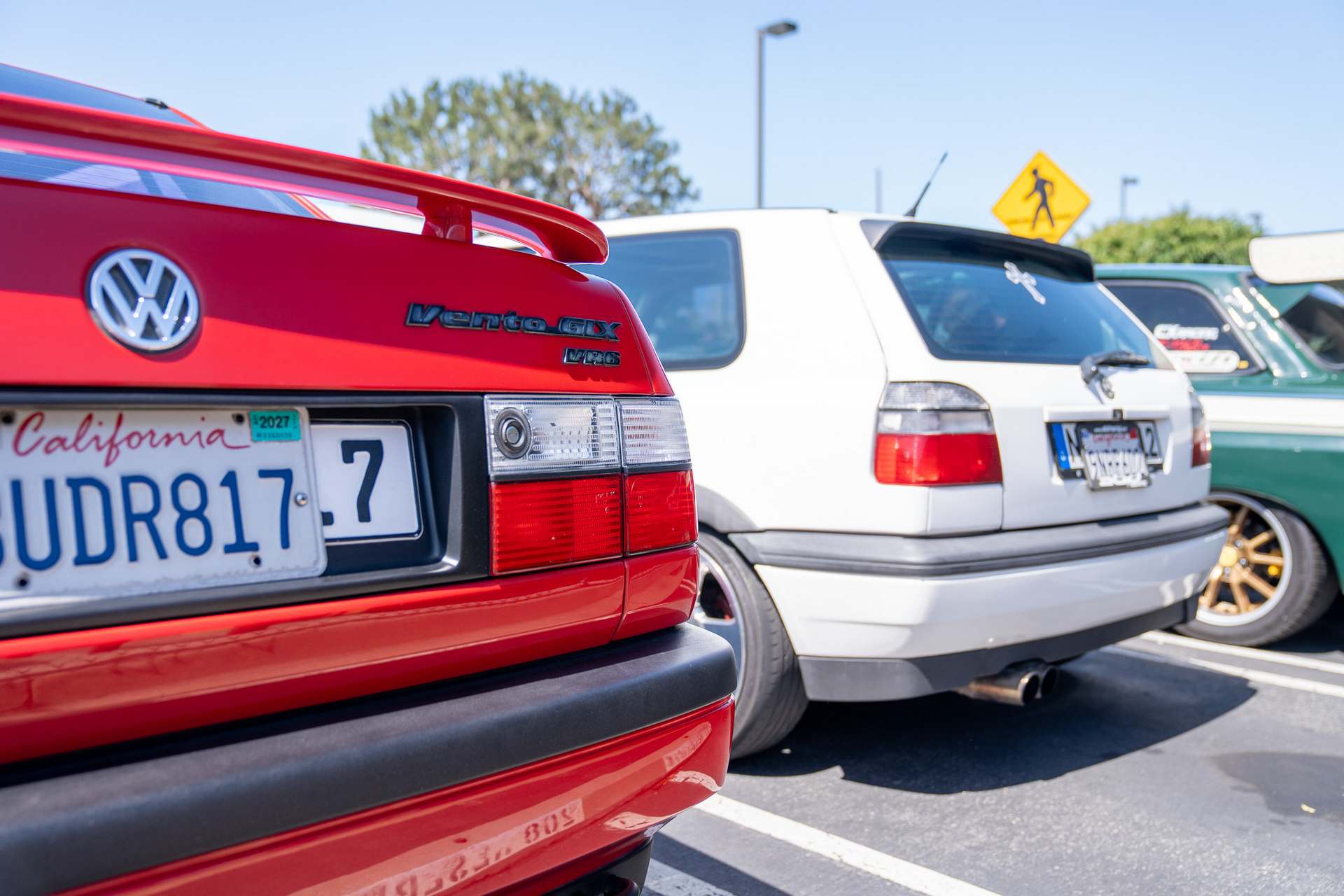
Both the Vento and Bora names have stuck around with varying ties to the Jetta. The former model name disappeared during the Mk4 era but returned in South America as the Mk5, where it has remained the model’s name to this day. It also returned around 2010 in a few Asian countries and Mexico, but as a completely different model based on a stretched VW Polo chassis. The Bora stuck around in China, Canada, and South America, too. There, the Mk4 platform remained in production in a few markets for several more years, receiving several aesthetic refreshes along the way. It was positioned as a less expensive model than the Mk5, and it donned a few different names depending on the market, with Bora remaining in some.
Volkswagen has since abandoned wind-based names, moving to more conventional ones, such as those based on Greek gods or a town in New Mexico. I’d argue that’s far less interesting than before, but VW isn’t the same company it once was, so you can’t really blame them for the shift. The Jetta and the performance Golf variants are the last of the wind-based names available in the US, but even those might not be around for much longer. In an odd twist of fate that may mean the Vento lives on longer than its original namesake, no thanks to its lack of specificity.
Regardless of which wind-based Volkswagen you get your hands on, FCP Euro will have the parts, tools, and technical assistance to help you keep your car running right. Our Volkswagen catalog is assembled by experts with decades of experience working on and with Volkswagens, ensuring you’ll have all the parts you need, big or small, for whichever generation you have. When you’re not out there wrenching, find us again for more entertaining and educational content, whether back here on the blog or on one of our YouTube channels.