Owning a car that gets around 30mpg on the highway is pretty standard these days. Just about every sedan and CUV can hit that, not to mention some sports cars. Global emissions have forced manufacturers to hit those numbers, and there have been a lot of benefits. Better than any other, it allows gasoline-crushing beasts with economy figures in the teens to roam the streets as the last bastions of uncompromised performance. With EVs taking over in almost every aspect, here are some of the least fuel-efficient European cars you can get in 2026.
Land Rover Defender - 14/19/16 MPG
The modern Defender hasn’t been around for long, but its size and old-school engine are why it’s here. For many, though, the Defender is well worth the frequent trips to the pump. It’s an icon built on a legacy of benchmark capability in forests and fields and on farms and battlefields alike. This newest one has been a significant change, seeing the first major update to the namesake after 37 years, but Land Rover has kept it true to its core.
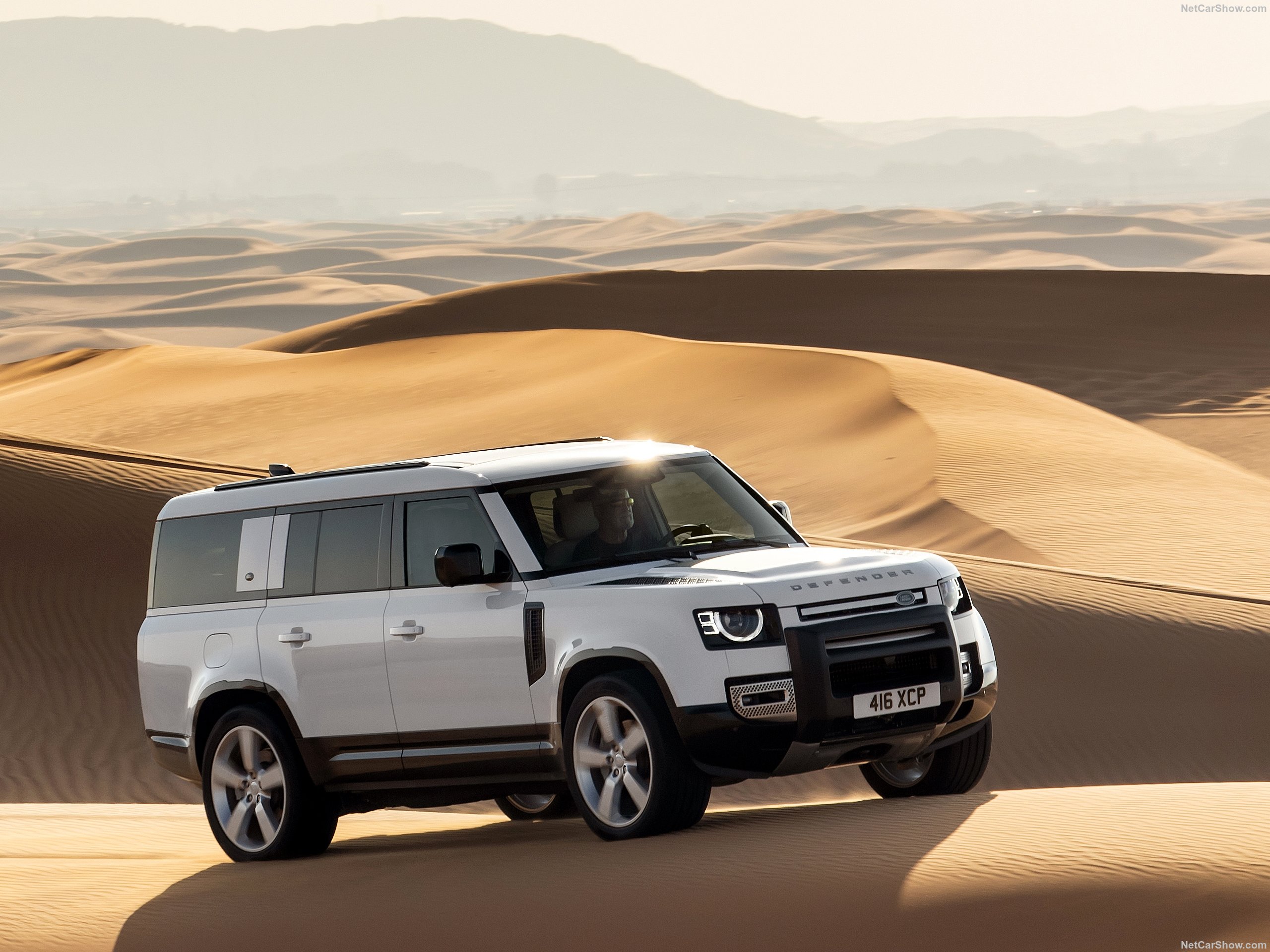
Dubbed the L663, the Defender has become like most other luxury and utilitarian SUVs: based on a monocque chassis. Body-on-frame isn’t as important as it once was, considering most of today’s Defender owners aren’t using them for farm or construction duties. Still, Land Rover’s expertise in tackling all sorts of terrain has allowed the Defender to retain much of its predecessor’s toughness off pavement. Also, the variance in size remains; as with its predecessor, the L663 is available in three-door “90” configuration, the five-door “110”, and the extended, three-row “130.” Inside, it is shod in similar materials to more luxurious stablemates, but with a rugged and utilitarian layout to remind occupants what vehicle they’re in. Unlike the old Defender, this one is fitted with the latest and greatest safety and infotainment-related technology.
Each L663 also has one of a handful of engines, none of which are particularly efficient in the Defender. The basic four-cylinder and the more powerful inline-six, both turbocharged, return the only greater-than-20 MPG figures a US-spec Defender can achieve. The remaining options are the AJ133, a supercharged 5.0L V8, and the twin-turbocharged 4.4L BMW S68 V8, though the latter is solely for the top-spec OCTA trim. The 5.0L supercharged engine has been widely used across Jaguar Land Rover for nearly two decades, and it’s 518hp and 461 lb-ft are a common find in the L663.
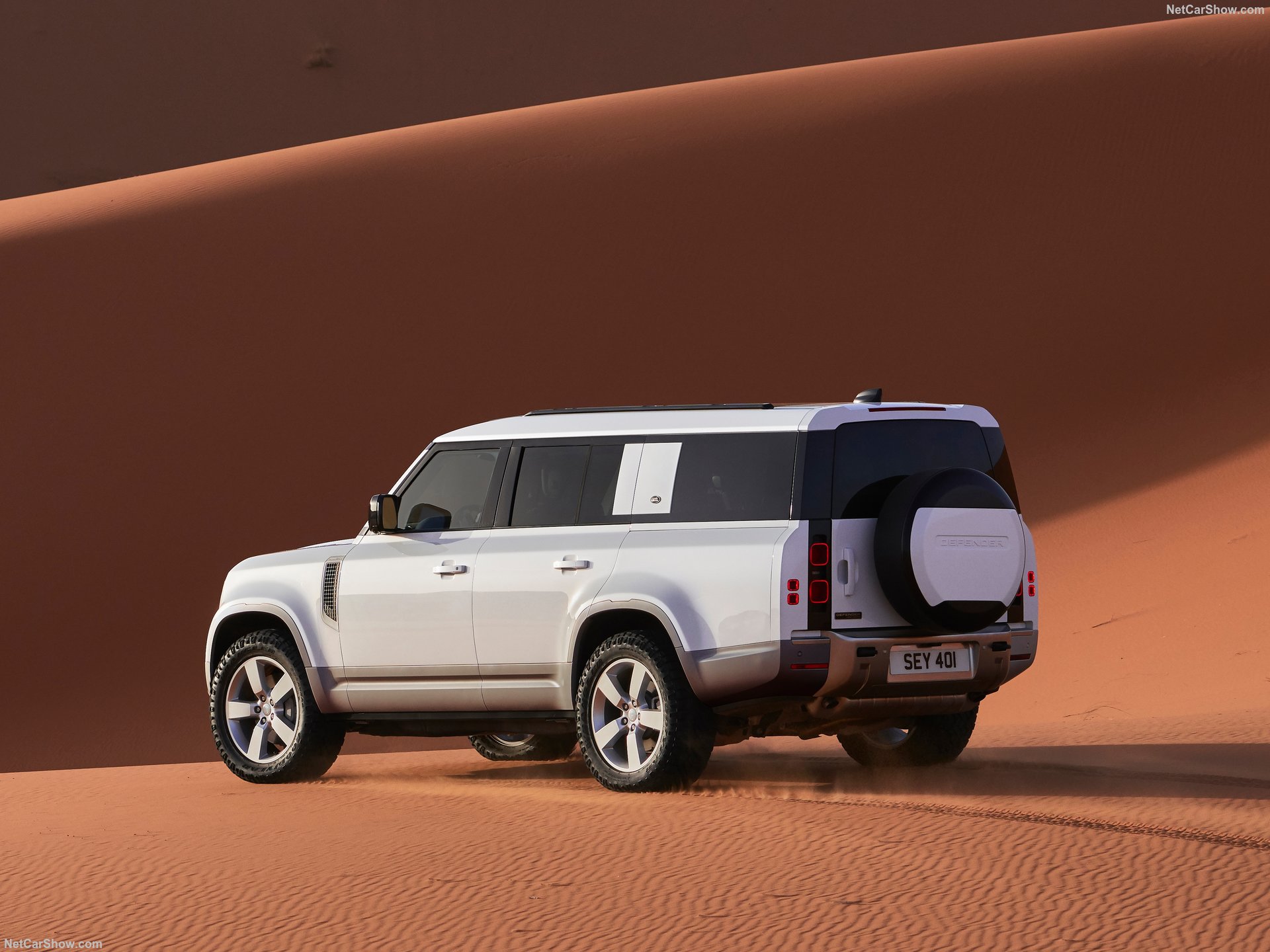
Even with a lot of car to push around, that engine and the ZF eight-speed automatic attached to it combine for a sub-five-second sprint to 60mph and a quarter mile in 13.1 seconds; that’s high-end sports car performance. That does come at a slight cost to the wallet, not just in service and repair. The V8 Defender returns a pretty poor economy in its upper-level trims, failing to hit 20mpg, even on a highway drive. The smaller engines hardly do any better, with only a four-mile-per-gallon bump over the V8, at best. At that rate, you’ll be burning lots of gas no matter what’s under the hood, so why not make it the V8?
If there was a reason to avoid it beyond the cost of fuel, it’s the cost of the Defender itself. The cheapest V8-powered model starts at a few hundred dollars under $100,000. Selecting a few options on your preferred body style, you’re quickly beyond that figure. The Defender is a fairly unique vehicle, but there’s a lot of competition at that price point.
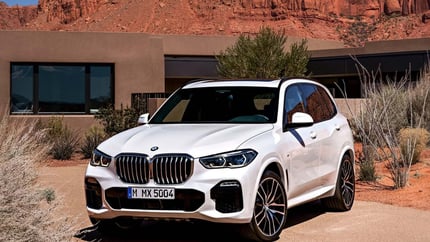
BMW X5/X6 M Comp - 13/18/15 MPG
BMW’s M has come under considerable fire from fans, enthusiasts, and journalists over the last few years. Bold styling choices and a new direction for performance ethos based around turbocharging and hybridization haven’t been perfectly well-received. But beyond the changes to some beloved models, others, like the X5 and X6 M, have remained essentially the same. They have more power than ever produced by a relatively new twin-turbocharged V8, enormous brakes, and all of the on-road performance gadgetry you’d expect from a sport sedan. It remains one of the best buys for fun in a truly family-sized vehicle, so long as you can keep it full of fuel.
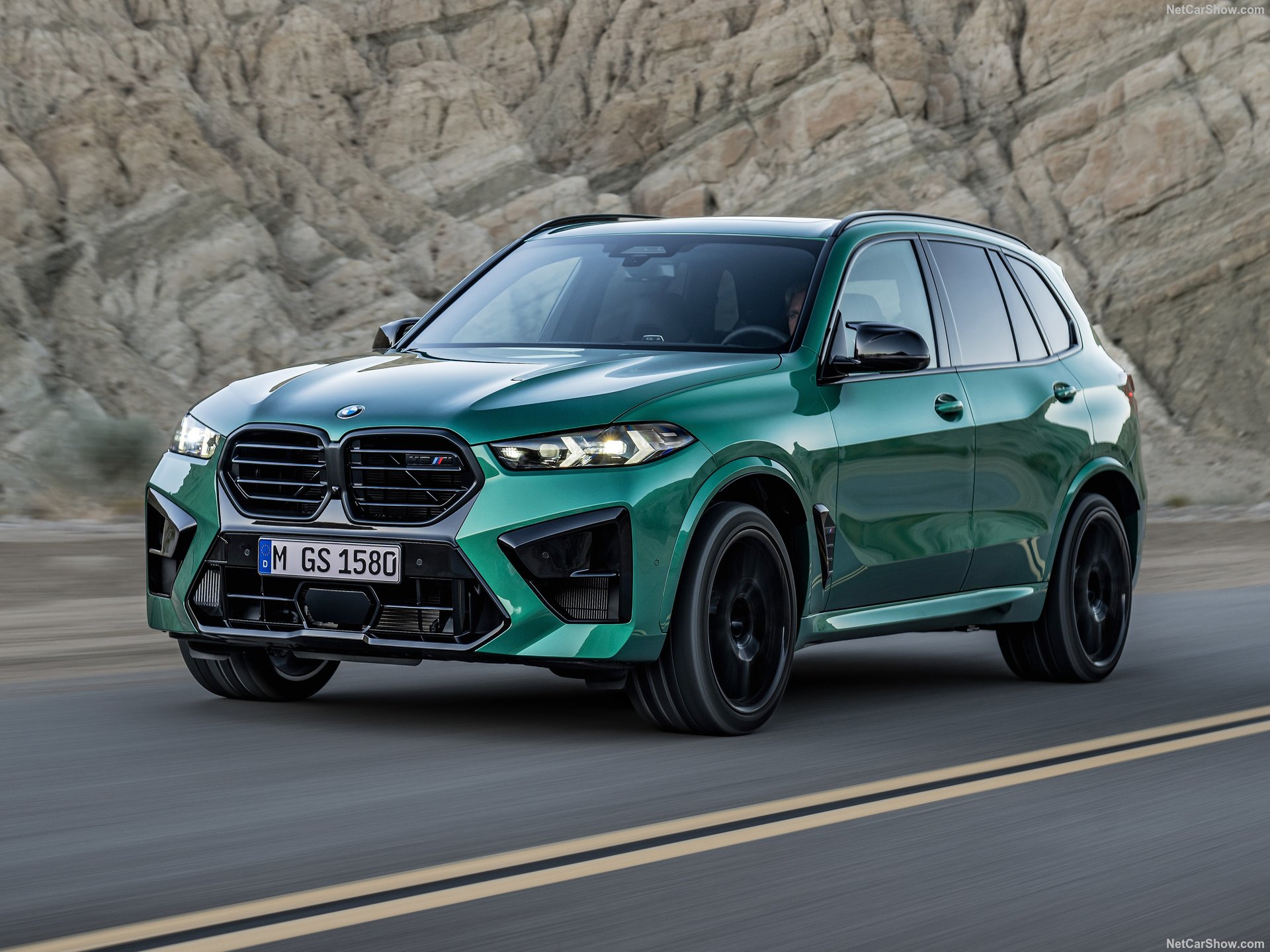
While many haven’t agreed with BMW’s styling choices in the last half-decade, it’s been tough to argue with their vehicles as a whole. This latest generation of engines and transmissions has all of the makings of future classic status. Chassis tuning and feel aren’t comparable to BMW of old, but it's as capable as ever, and often a high point in this generation of sport sedans and SUVs. The X5 M is assuredly a part of that, and a few years after its debut, the current G05-based (although technically an F95) Competition model is as sharp as ever.
Much of the vehicle's character—and its less-than-economical fuel consumption—comes from its twin-turbocharged heart, the S68B44. It’s common in larger BMW models with an M badge, and in a handful of Land Rover products, like the Defender OCTA. In the X5 M, the S68 is turned up to its most potent form with a peak of 617hp and 553 lb-ft, propelling the X5 M to 60mph in 3.9 seconds. Of course, hitting that number means selecting the proper drive modes, which also change the transmission's and the suspension's responsiveness to deliver an all-out attack on the senses and fuel economy. The best combined figure the EPA could reach was 15mpg, which is not exactly stellar, but it does feature a 48V mild hybrid system to take some of the load.
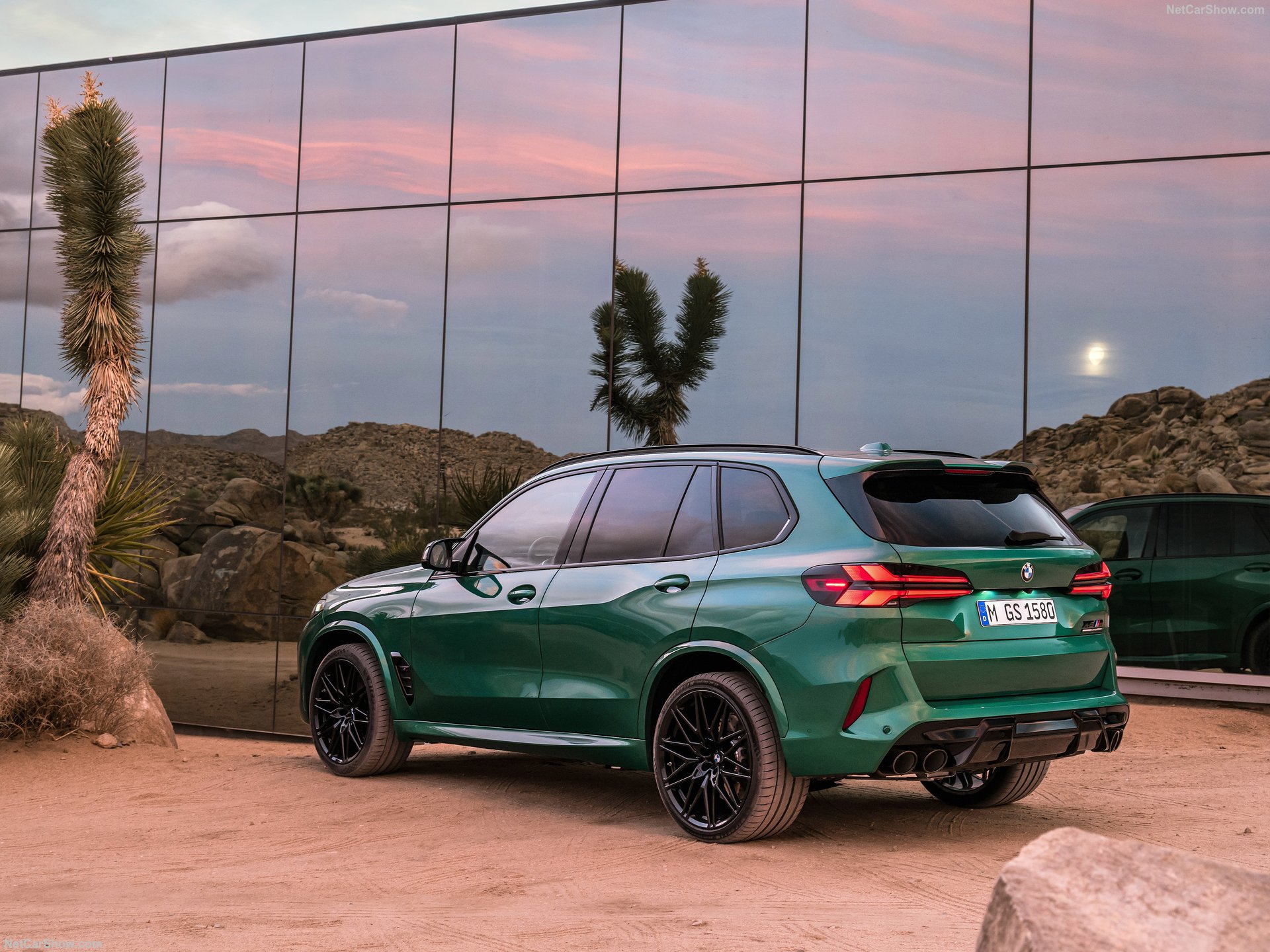
But the X5 M isn’t built for economy figures; it's built for on-road performance and excels at that. The adaptive dampers, xDrive system, and enormous wheels provide grip and poise while hustling around the twisties despite the taller center of gravity. Journalists have found that it mostly defies the size it has, lending itself to be the one-car solution many are looking for.
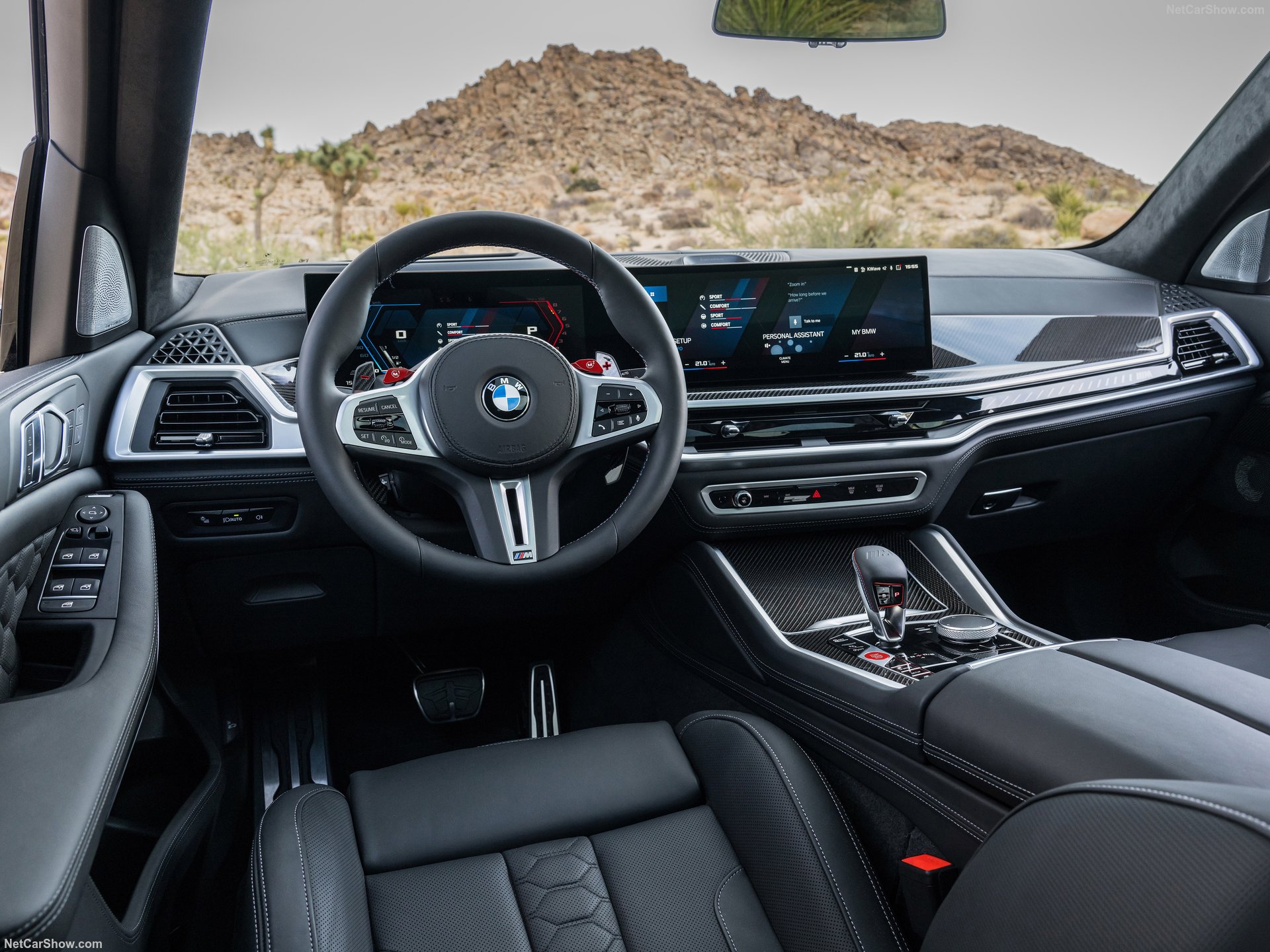
There’s also plenty of luxury features to go around. The cabin is draped in leather and carbon trim, and just about every sort of optional extra is available. There’s an even higher-spec leather with massaging, heated, and cooled front seats, and heated rear seats. How about heated and cooled cup holders, a Bowers/Wilkins stereo, and soft-close doors? All possible in the X5 M, so long as you have the cash to grab it. Considering it starts around $130,000, I imagine you won’t be too concerned about the cost of petrol.
Mercedes AMG GT 55/63/63 Pro - 14/20/16 MPG
Mercedes is so often the face of luxury and comfort, its performance products can be overlooked. That said, the AMG GT has been a massive hit for the Stuttgart-based company over the last decade or so, delivering championships in endurance racing and strong sales in the showroom. The second-generation road car debuted just a few years ago, bringing a revised chassis, tweaked styling, revamped trim levels, and a couple of new engines to the party. It remains as fast and good-looking as ever, just don’t expect to skip too many gas pumps.

On paper, the C192 AMG GT retains the same engine as its predecessor, a 4.0L twin-turbocharged V8, but Mercedes literature proves otherwise. Motorsports technology often finds itself in road cars, and the first-generation GT had one of the more rare pieces: a dry sump oiling system. But that disappeared as Mercedes replaced the M178 with the M177 found in many other AMG products. If anyone can surmise why, it’s likely due to cost and complexity, as a dry sump has many more parts than a traditional wet-sump, but Mercedes hasn’t outright said so. Regardless, the M177 retains all of the same performance characteristics of the M178 and offers them at a few different levels.

The GT 55 is the least powerful V8-powered trim, but that’s relative, as 469hp and 516 lb-ft of torque is nothing to scoff at. However, if your only concern is economy and you don’t mind what the GT 55 returns for it, you may as well go with one of the more powerful trims, like the GT 63 Pro, which somehow returns identical figures. That top-spec trim punches out 603hp and 627 lb-ft from the same displacement. All variants back up their M177 with Mercedes’ 725.0 nine-speed automatic gearbox, but with a set of wet clutches instead of the traditional torque converter. Mercedes calls it the “AMG SpeedShift MCT 9G.” Set the AMG GT coupe into the correct drive mode and the two combine the standard AMG 4MATIC+ all-wheel-drive system to rocket the GT to 60mph in no more than 3.8 seconds; the GT 63 Pro is just about 3.0 seconds flat.
Beyond the outright performance of the boosted Benz V8, the C192 offers drivers sublime balance, comfort when needed, and the handling chops to hustle any dentist or tech executive in his 992-based 911 through the corners. Much of that is thanks to the AMG Active Ride Control suspension, an advanced electrohydraulic system capable of far beyond anything traditional adaptive suspension can offer. Its attitude changes at the press of a button, with Sport+ setting the car into full attack mode, while comfort expectedly softens everything up, transforming the GT into a genuine Grand Tourer.

If you're shopping for an AMG GT with intent or building your ideal spec on Mercedes’ website, you’ll have a substantial array of options and paint colors to choose from. AMG’s vast customization is on full display, rivaling Porsche’s extensive Exclusive options.
Mercedes-Maybach GLS 600 - 13/18/15 MPG
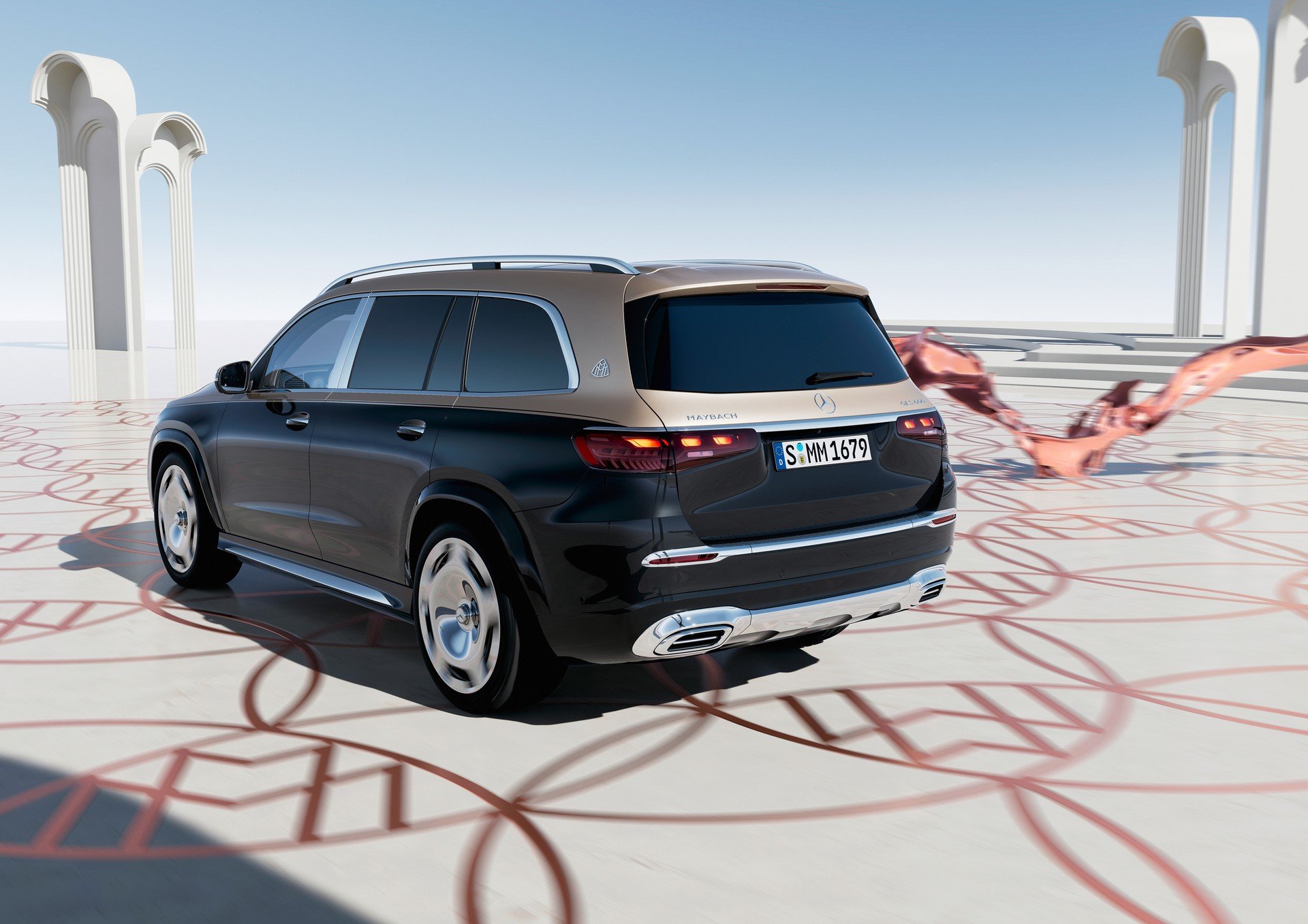
Although the Maybach name isn’t as separate from Mercedes as it once was, the dedication to producing the perfection of automotive luxury hasn’t been lost. Between the German big three, this GLS 600 and its S680 counterpart are the most luxurious you can get, full stop. All of that comes at a cost of weight, and because the starting point is an already large sedan or SUV, the result is less than efficient by today’s standards. Good thing sipping lean and passing gas pumps isn’t the point of the Maybach.
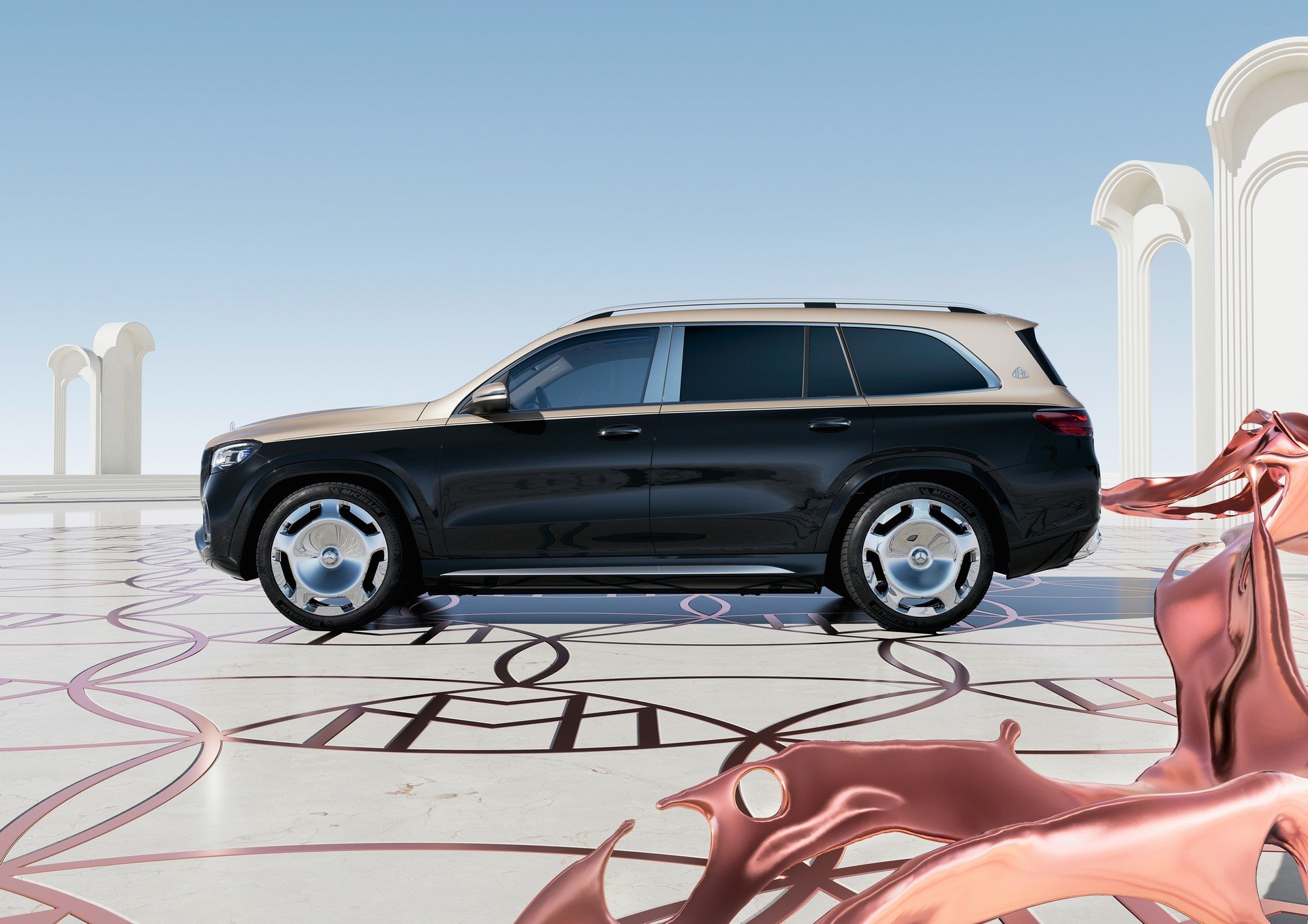
The standard Mercedes GLS 580 is one of the best ways to haul around your family in unrivaled comfort for the money, but the Maybach version takes it all to another level, all while retaining its ability to tow a boat. Exterior changes are immediately noticeable as the GLS 600 is adorned with unique trim. It’s covered in polished chrome, including the skirts, window trim, and the Maybach-exclusive grilles. The wheels are similarly extravagant, measuring 22” or 23” inches, depending on the options selected. Overall size and weight remain nearly identical to other GLS models, but it’s hard to imagine that with all of the Maybach’s extra interior appointments.
Without a doubt, the biggest difference lies in the rear seating area. With the standard seating option, there is only room for two passengers as two fully adjustable seats replace the rear bench seat. They’re fully reclinable and come with extended footrests to keep you comfortable. If the front passenger seat is empty, a rear passenger can use the controls to move it forward for more room. However, that can take the touchscreen entertainment fitted to the front seatbacks out of reach, so rear passengers must use the wireless touchscreen tablet fitted in the rear center console to control it. The tablet can also change the ambient lighting and control the driver’s infotainment screen; that way, if you don’t want to speak to your hired driver, you can simply punch your new destination into the SatNav yourself.
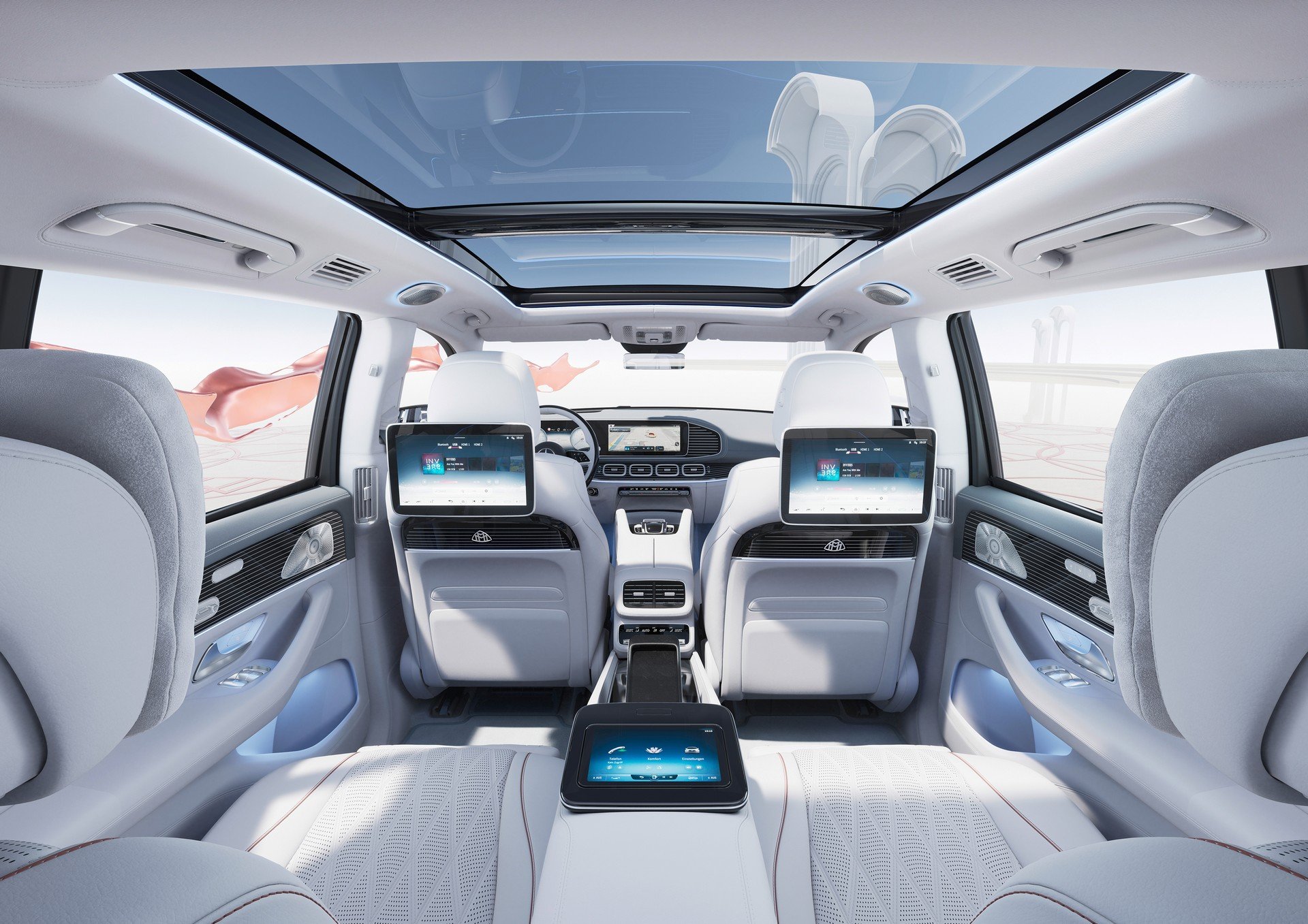
A small fridge with room for three champagne bottles and two flutes is between the rear seats and behind the tablet. If you’re worried about your drink temperature, whether champagne or hot coffee, the cupholders are heated and cooled to keep them in their optimal range. Beyond the toys and features, it’s still ridiculously opulent. Exclusive Nappa leather upholstery with perfect stitching covers every surface, including the buttons and trim panels, which can be one of five inlays. The Burmester speaker covers, seat adjustment buttons, vent trim, and a few other smaller accents are matte silver, breaking up all of the swaths of solid color.
Pushing the 6100 behemoth down the road is a tweaked variant of the M177 bi-turbo 4.0L V8 paired with a 48-volt mild hybrid system to produce 550 hp and 568 lb-ft of torque. It’s enough to get the SUV up to 60mph in 4.6 seconds, which is mighty impressive for something that size. Of course, the 725.0 9G-Tronic transmission and 4Matic AWD take some responsibility there, too. Fuel economy doesn't benefit from either, as hauling around all that weight eliminates any chances of skipping the occasional pump. The Maybach is uncompromised in its comfort and luxury, and nothing—certainly not monetary fuel cost—will get in its way.
Audi RS Q8 - 13/19/15 MPG
The success of models like the Cayenne Turbo and X5 M in the middle ‘00s was a wake-up call for many manufacturers. It opened up others to stuff turbochargers and crazy power into their mid-sized family SUVs, and created a segment dedicated to performance SUVs. It took a while, but Audi eventually made it to the party with their RS Q8. While closely related to other VAG super SUVs, Audi’s take on the vehicle was unique enough to consider it against similar models. The latest facelifted “Performance” variant is more powerful than ever, but its thirsty engine keeps it on this list.
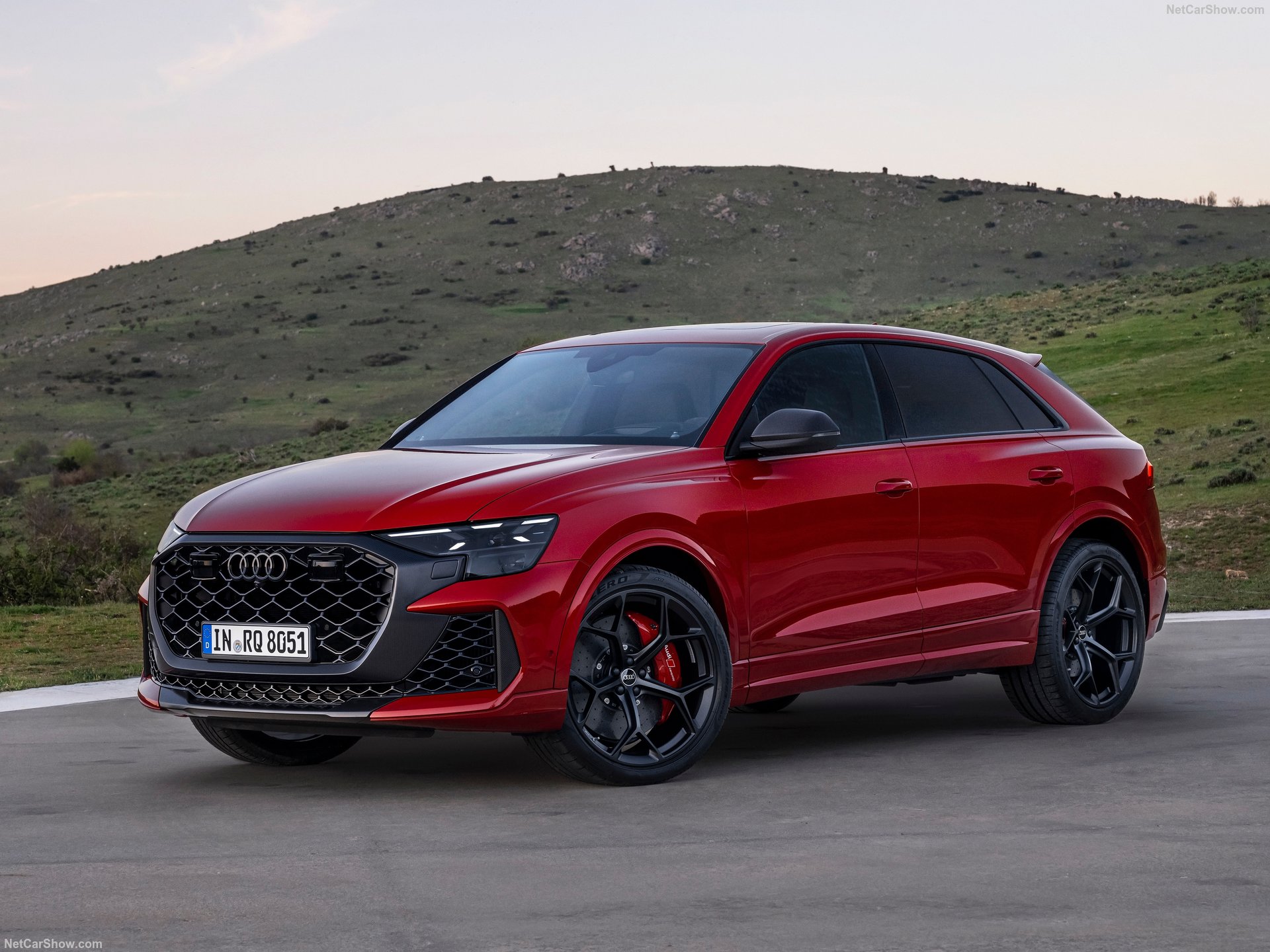
Underneath the stylish body panels and the Audi badging are the same fundamental underpinnings of the Porsche Cayenne Turbo GT and the Lamborghini Urus. A twin-turbocharged 4.0L V8 sits under the hood, mated to a 48-volt mild-hybrid system and a ZF 8HP automatic. Quattro AWD is standard, but the RS’s system is 60% rear-biased as standard, but can send up to 75% to the front wheels or 85% to the rear if necessary. The mild hybrid system adds a bit of power but is primarily for efficiency reasons. Electric drive is available up to 13mph, and 40 seconds of engine-off coasting combined with cylinder deactivation reduce the fuel it uses.
With that said, though, the RS Q8 is far from efficient. Performance is paramount to the RS Q8, so the V8 produces 631 hp and 627 lb-ft of torque with a combined 16mpg figure. Not exactly a fuel sipper, but you get what you pay for—including much more than the engine. A 7-minute and 36-second lap around the Nürburgring Nordschleife is impressive for a sports car but astonishing for the 5400lb RS Q8. It’s an improvement of six seconds over the non-Performance variant, and quicker than cars like the M4 GTS, Mercedes SLS AMG, and Ferrari F430 Scuderia. It even reaches 60mph in just 3.1 seconds!
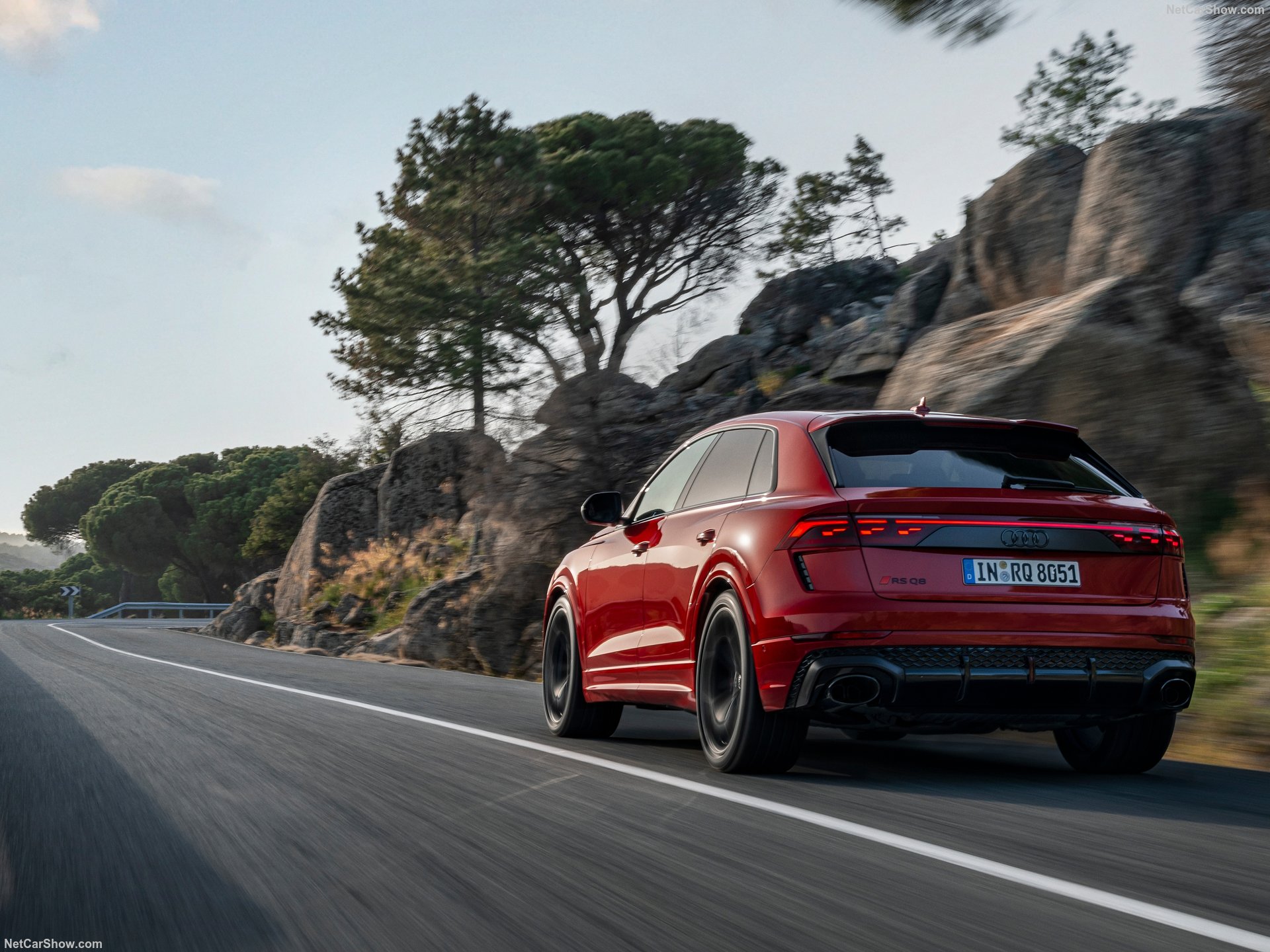
While the engine plays a big part in its performance, the chassis brings the real magic. The adaptive air suspension shared between the VAG super SUVs is as good as it gets, featuring 90mm height adjustment and RS-specific tuning. Comfort, auto, dynamic, efficiency, all-road, and off-road are the standard adaptive damper settings, but the extra RS1 and RS2 modes go further. Flick the “RS Mode” steering wheel button, and you can cycle between the two customizable RS modes, altering the suspension tuning, engine performance, transmission performance, steering assistance, engine sound, and rear-wheel-steering system. The latter is a huge part of the RS Q8’s agility, offering sharper turning response and improved high-speed stability. And, as if that wasn’t enough, optional bits like the carbon ceramic brakes and active anti-roll bars only make it better.
Inside, it’s just as special, with unique upholstery and nearly every option in the catalog. The infotainment with Wi-Fi hotspot and LTE Advanced is shared with the Cayenne and Lambo, but its appearance is Audi-specific. The seats are sporty and wrapped in Nappa leather, but upgrading to Valcona leather includes a massaging function for front passengers and ventilation. Between all the leather are bezels and switches in “Aluminum Race” and one of a few different trim packages, including a couple of RS-specific options. The latter features contrast stitching, Alcantara surfaces, and carbon trim inlays.
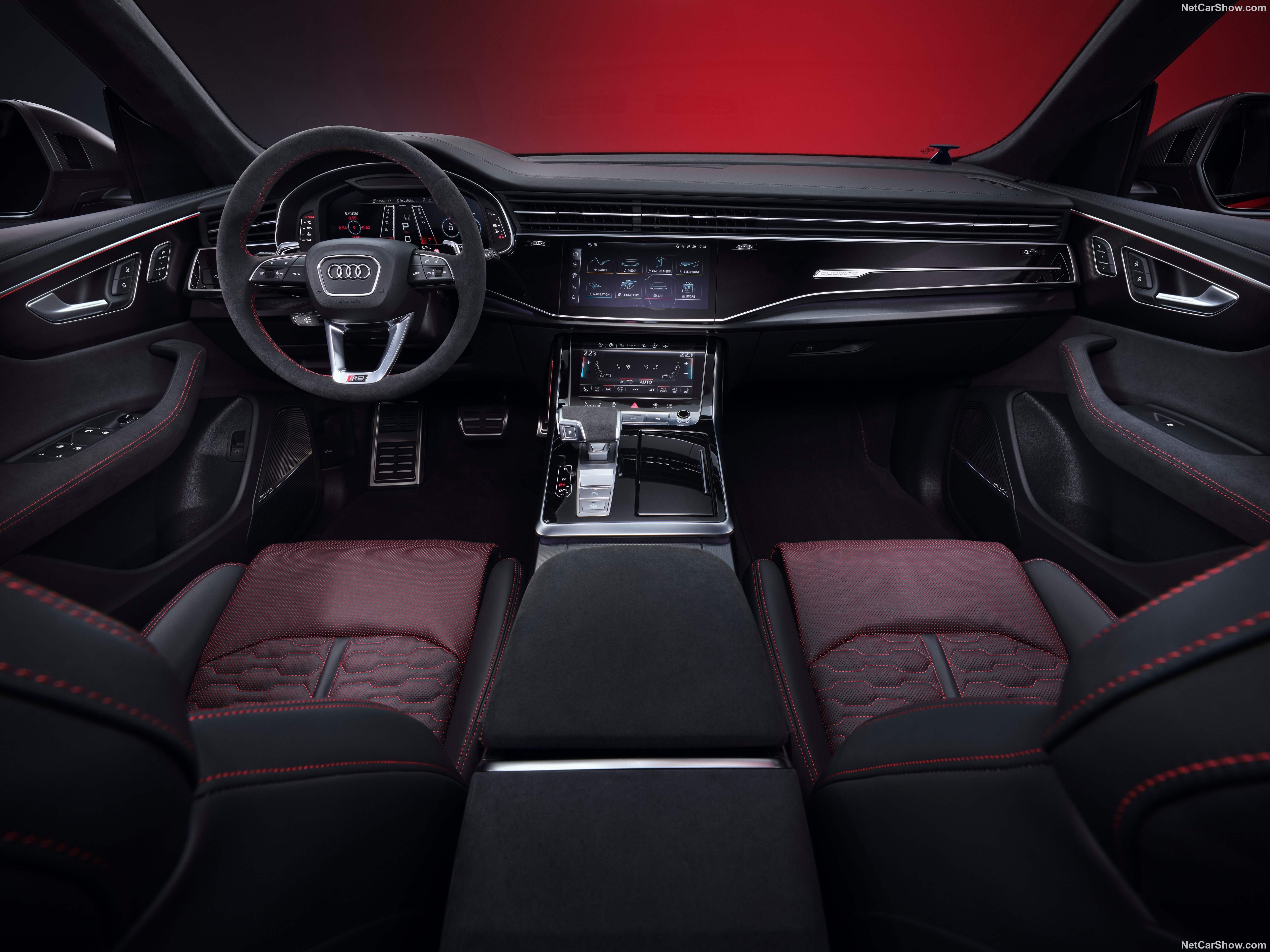
There’s a lot going on with the RS Q8, without a doubt, and that’s what makes it so enticing. At $140,000, the Audi is 66% the cost of a Cayenne Turbo GT and 51% of a Lamborghini Urus Performante, without offering much less. A simple aftermarket tune can make the power if you’re after that, and the relatively reserved looks make it a stunner without all the attention. It’s hardly a bargain, but it's the best you can get for the money.
If none of the models above do your fancy, then keep looking. The current M5 is as thirsty as anything on this list when its battery pack is empty, and plenty of Porsche's performance products are single digits away from sitting on this list. Once you find your favorite, swing on over to the Blog homepage or our YouTube channel. There, you’ll find tons of great content dedicated to giving you a smile and helping you on your European car ownership journey!