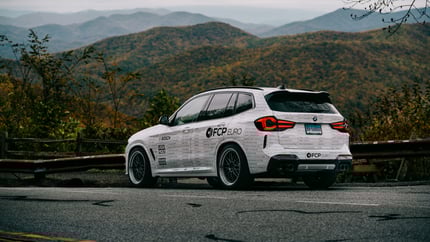
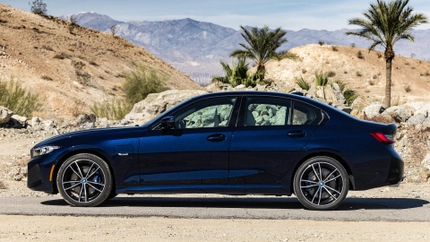
The turn of the millennium brought about numerous changes in the automotive landscape, including the rapid acceptance of the SUV. It’s easy to see the impact of their ascent in the marketplace today; they’re everywhere on the roads. Their ability to tow like a pickup, carry passengers and cargo like a minivan, and take on off-road terrain with ease made them a new and exciting option that few vehicles before it could offer. In fact, the segment grew so quickly that every major automaker needed to get in on it to establish a market share. BMW had its own family hauler in development at that time, but with a slightly different goal.
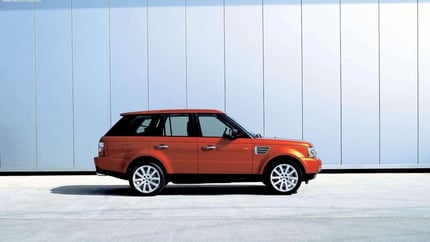
The birth of the X5 didn’t come from German minds but rather British expertise. The post-WWII Series I Land Rover marked the origins of the SUV in Europe. Land Rover never ceased working on their off-road capable 4x4 design and had a few proven models in the segment by the nineties. In 1994, BMW acquired Land Rover and leveraged its engineering expertise to develop its own 4x4, the X5. Rather than an SUV or Sports Utility Vehicle, BMW set out to make the SAV or Sports Activity Vehicle. Since then, the X-series has become a critical part of BMW’s sales, accounting for nearly half of them.
BMW X5 E53 (2000-2006)
The experience engineers gained from the Rover Group provided BMW with a basis for chassis design, allowing them to begin building the X5. Although the tried-and-tested method used a body-on-frame chassis like a traditional pickup truck, its excessive flex wouldn’t allow the X5 to “drive like a BMW,” leading engineers to settle on the eventual unibody chassis. It was just what BMW was looking for, but it forced the Munich-based automaker to ditch the solid axles associated with the SUV. Instead, two large subframes cradle the drivetrain and provide mounting for the independent suspension. While not as off-road capable, the chassis and suspension enabled the X5 to be lighter, stiffer, and more agile on the road than traditional SUVs.
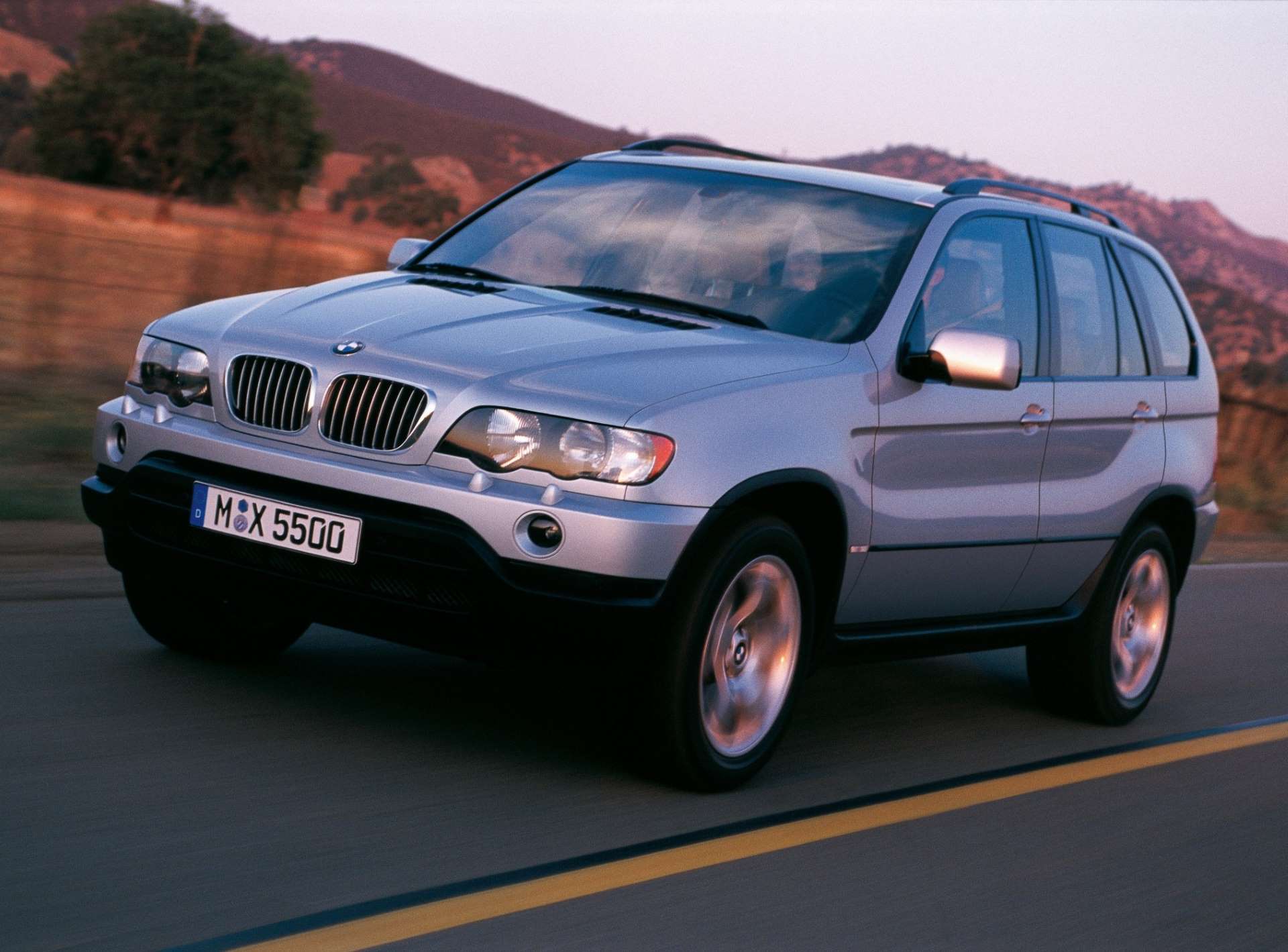
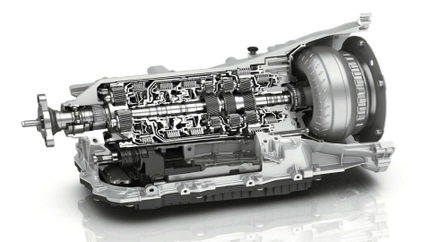
The E53 X5 debuted for the 2000 model year with the 4.4-liter M62 V8 under the hood, mated to ZF’s 5HP24 automatic transmission and full-time all-wheel-drive. After the first run of models was delivered, more trim and engine options became available. The base X5 used the 3.0L M54 inline-6 and was available with a manual transmission. The top-of-the-range model, the X5 4.6is (and eventually the 4.8is), featured a larger, more powerful M62 V8 engine and was distinguished by unique exterior accents, including small wheel arch extensions and a distinct front bumper. A diesel-powered X5 was also available, utilizing the turbocharged M57 inline-6. The all-wheel-drive system in the early E53 X5 utilized a 38/62 front-to-rear power split, complemented by a Dynamic Stability Control system, to ensure traction in slippery conditions. The X5 also utilized a hill descent control system developed directly by Land Rover.
The standard suspension for the basic X5 utilized coil springs at all four corners, with struts up front and shocks at the rear. Optionally, rear air springs (S220A) or front and rear air springs (S221A) were available depending on the model year. The sport models, the 4.6is and 4.8is, both used full air suspension with sport tuning. The self-leveling sport air suspension sat 15mm lower than the standard coil spring and could be raised or lowered at the press of a button. Additionally, buyers of any X5 could option the Sports package to give their E53 the sport-tuned air suspension (S226A). The Sports package also included Shadowline exterior trim, an anthracite headliner, larger wheels, and different kidney grilles.
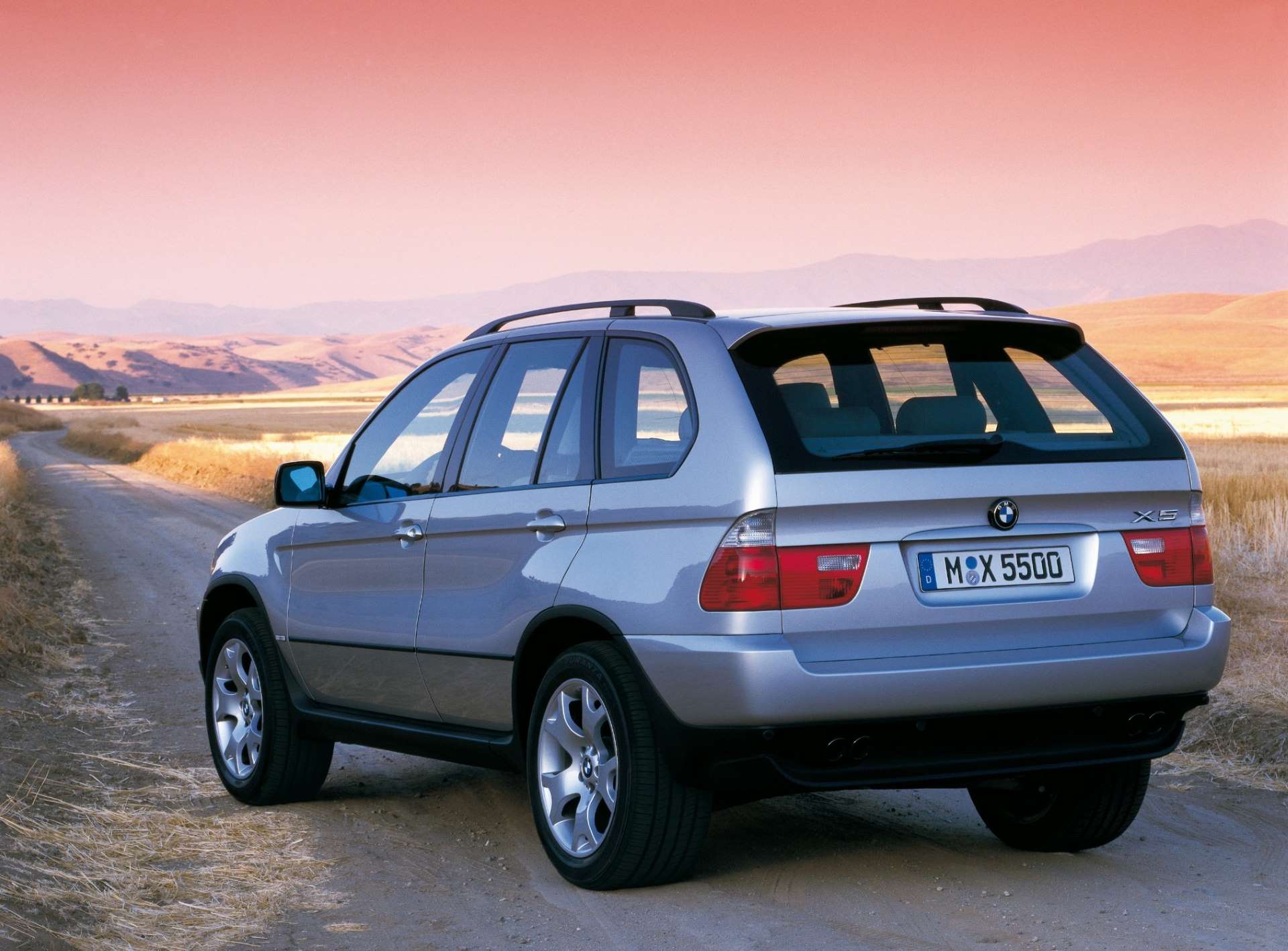
For the 2004 model year, the X5 received its Life Cycle Impulse (LCI) updates. Engine updates included an updated 4.4-liter N62 V8. The top-range model evolved into the 4.8is and also utilized the N62 V8. Also updated was the M57 diesel engine, producing more power and torque. On the drivetrain side, the five-speed manual and automatic were replaced by six-speed units. Externally, the X5 was fitted with new bumpers, lights, and wheels. Towing capacity remained at 6000 lbs, regardless of engine performance.
BMW X5 E53 Models & Specs | |||||
Model | Years | Engine/Power | Transmission | Air Suspension | Tow Capacity |
3.0i | 2000-2006 | M54 3.0L Inline-6 225hp/215 lb-ft tq | 5-Spd Manual or 5-Spd Auto 6-Spd Manual or 6-Spd Auto (LCI) | Optional | 6000lbs |
4.4i | 2000-2003 | M62 4.4L V8 282hp/324 lb-ft tq | 5-Spd Auto | Optional | 6000lbs |
2004-2006 | N62 4.4L V8 315hp/324 lb-ft tq | 6-Spd Auto (LCI) | Optional | 6000lbs | |
4.6is | 2001-2003 | M62 4.6L V8 340hp/350 lb-ft tq | 5-Spd Auto | Full Self-Leveling & Sport Tuned | 6000lbs |
4.8is | 2004-2006 | N62 4.8L V8 355hp/360 lb-ft tq | 6-Spd Auto | Full Self-Leveling & Sport Tuned | 6000lbs |
3.0d
| 2000-2003 | M57 Turbocharged 3.0L Inline-6 181hp/302 lb-ft tq | 5-Spd Auto | Optional | 6000lbs |
2004-2006 | M57N Turbocharged 3.0L Inline-6 215hp/315 lb-ft tq | 6-Spd Auto | Optional | 6000lbs | |
BMW X5 E70 (2007-2013)
The second-generation X5, the E70, debuted during the 2007 model year on an all-new chassis engineered for enhanced stability, improved comfort, and increased cargo capacity. Because of that, the E70 was bigger in all directions: 4.5” in wheelbase, 7.4” in length, and 2.4” in width. New engine options and technologies sat under their hoods, while the E39-based electronics were ditched for much more advanced designs. The interior was also completely redesigned with a more luxurious layout, significantly more rear-seat legroom, and the option for a third row of seats. It was a completely new design, from top to bottom, with very few parts carried over from its predecessor.
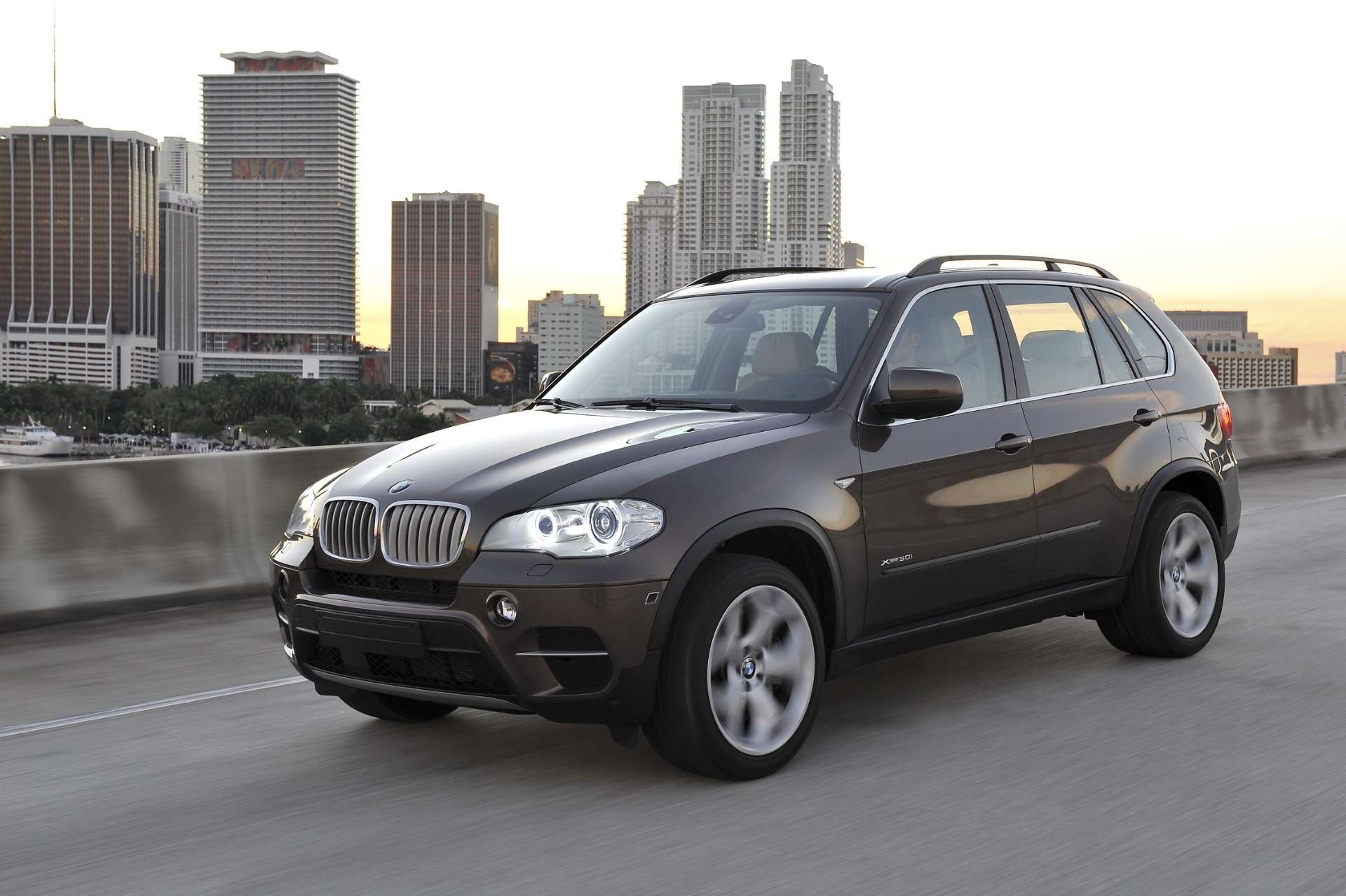
One of the more significant changes to the X5 was the introduction of double-wishbone front suspension. Replacing the E53’s MacPherson struts with double-wishbones gave the E70 much better camber control over bumps and through corners for sharper on-road dynamics. Improvements to comfort were also noticeable, thanks to revised bushings throughout the front and rear suspension arms. The rear suspension remained BMW’s integral link (multi-link) design. Spring and damper packages also remained relatively the same, save for the air suspension. BMW ditched the front pair of air struts for traditional coil springs; only the rear suspension benefited from them.
BMW also introduced two new supporting systems for the steering and suspension—Active Steering and AdaptiveDrive—both as options on the base and middle models. The former system is a variable-ratio steering rack. At speeds below 57mph, the rack is quick and responsive for “sporting and active motoring,” requiring only two turns, lock to lock. The rack became less responsive at higher speeds, allowing for greater stability. The AdaptiveDrive system paired adaptive electromagnetic dampers and active roll-stabilization through electro-hydraulically powered sway bars into one package. Both components were controlled by computers utilizing a handful of sensors for suspension data that it then used to tune the suspension for the best possible characteristics at a given moment.
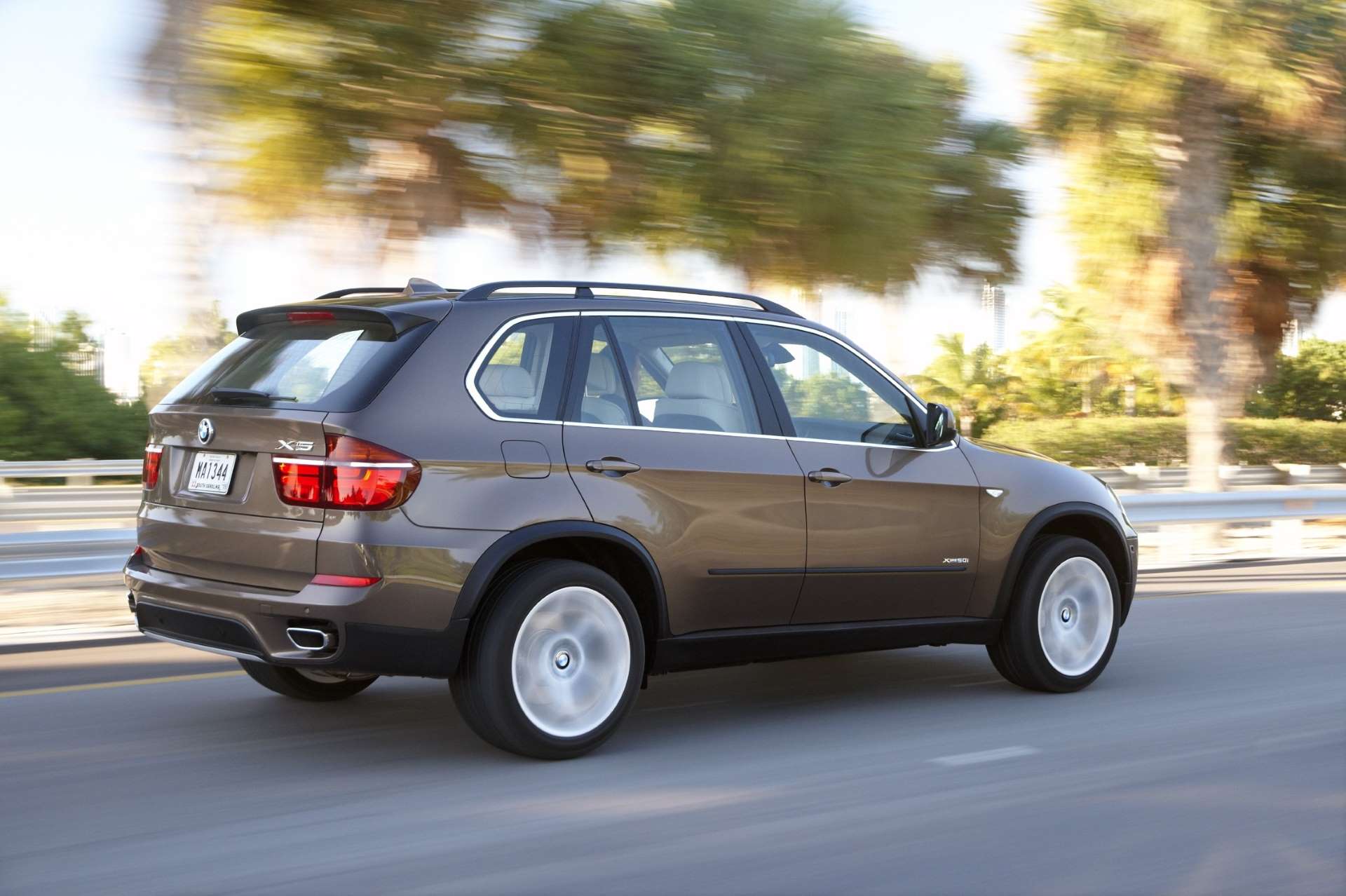
The E70’s engine options remained similar to those of the E53, but with several updates. The base model X5 received the 3.0L N52 inline-6, the last of a generation for BMW, and a very reliable, trouble-free platform. Stepping up to a V8 netted the same 4.8L N62 from the previous 4.8is model. In 2009, BMW unveiled the range-topping X5M powered by the twin-turbocharged 4.4L S63 V8. A diesel engine was also available for the E70, an M57-based turbocharged inline-6 with more power and torque than its predecessor. Backing up every engine was exclusively a ZF six-speed automatic transmission; the manual transmission was discontinued with the E53.
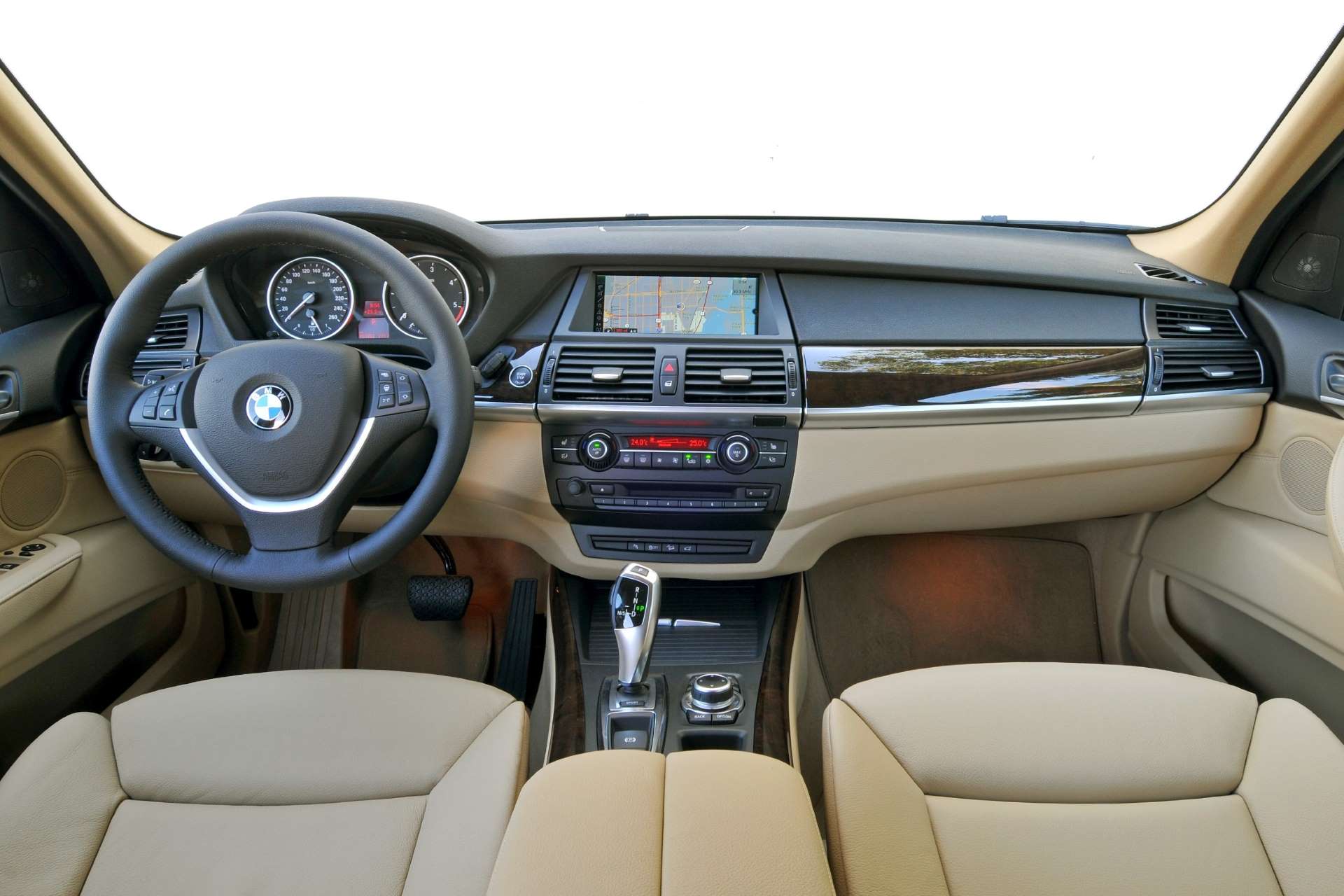
The interior received a similar change. BMW replaced the rather practical shape of the E53 dashboard with a curvaceous, swooping design featuring wood and aluminum inlays. Standard leatherette seats and two-zone climate control ensured the occupants remained comfortable at all times. It only got more luxurious from there, though. Optionally, the X5 could’ve been fitted with four-zone climate control, heated leather front and rear seats, a panoramic sunroof, Bluetooth connectivity, a 16-speaker sound system, and BMW’s navigation system.
In 2009, BMW reworked its entire model nomenclature to the designations we’re familiar with today as the 3.0si and 4.8i became the xDrive30i and the xDrive48i, respectively. After that, the E70 received its LCI update for the 2011 model year. As with every LCI update, the X5 received revised bumpers, exterior lights, and an updated iDrive system. However, the most significant changes came in the engine bay. Turbocharged and direct-injected units replaced both non-M gasoline engines.
Consequently, fuel economy was significantly improved, and the power figures received a substantial boost. The xDrive35i received the N55 engine and kept its model designation. The xDrive48i was replaced by the xDrive50i, which received the smaller but turbocharged 4.4L N63 V8.
BMW also introduced the M Performance Package in 2013. Selecting that package equipped the X5 xDrive35i or xDrive50i with a sport suspension, larger wheels, X5M styling, and an additional power boost. Torque improved by 30 lb-ft for each model, but the 35i only saw its hp rise by 15, while the 50i received a 40 hp boost. Both updated gasoline engines also received ZF’s 8HP 8-speed automatic transmission.
Standard equipment for the E70 LCI X5 included 18-inch wheels, fog lights, automatic and adaptive xenon headlights, dual-zone automatic climate control, 10-way power front seats, leatherette upholstery, and a 12-speaker sound system with HD radio, CD player, and auxiliary audio jack. The towing capacity with a braked trailer remained at 6,000 lbs for each model.
BMW X5 E70 Models & Specs | |||||
Model | Years | Engine/Power | Transmission | Air Suspension | Towing Capacity |
3.0si xDrive30i | 2007-2010 | N52 3.0L Inline-6 272hp/232 lb-ft tq | 6-Spd Auto | Optional | 6000lbs |
4.8i xDrive48i | 2007-2010 | N62 4.8L V8 355hp/350 lb-ft tq | 6-Spd Auto | Optional | 6000lbs |
xDrive35i | 2011-2013 | N55 Turbocharged 3.0L Inline-6 300hp/300 lb-ft tq (MPP)325hp/330 lb-ft tq | 8-Spd Auto | Optional | 6000lbs |
xDrive50i | 2011-2013 | N63 Turbocharged 4.4L V8 400hp/450 lb-ft tq (MPP)440hp/480 lb-ft tq | 8-Spd Auto | Optional | 6000lbs |
xDrive35d | 2009-2013 | M57 Turbocharged 3.0L Inline-6 265hp/425 lb-ft tq | 6-Spd Auto | Optional | 6000lbs |
X5M | 2009-2013 | S63 Turbocharged 4.4L V8 555hp/500 lb-ft tq | 6-Spd Auto | Self-Leveling & Sport Tuned | |
BMW X5 (F15) 2014-2018
The F15 X5 made its sales debut as a 2014 model. Unlike the E70, the F15 didn’t grow substantially over its predecessor, but the chassis was all-new and used a combination of plastic, high-strength steel, aluminum, and magnesium to come in nearly 200 lbs lighter than the E70. The redesigned exterior, made from lightweight materials, was specifically shaped to achieve a reduced drag coefficient, lowering it from 0.36 to 0.31. These changes exemplify the critical improvements BMW aimed for with the F15 X5: reducing emissions and improving its efficiency.
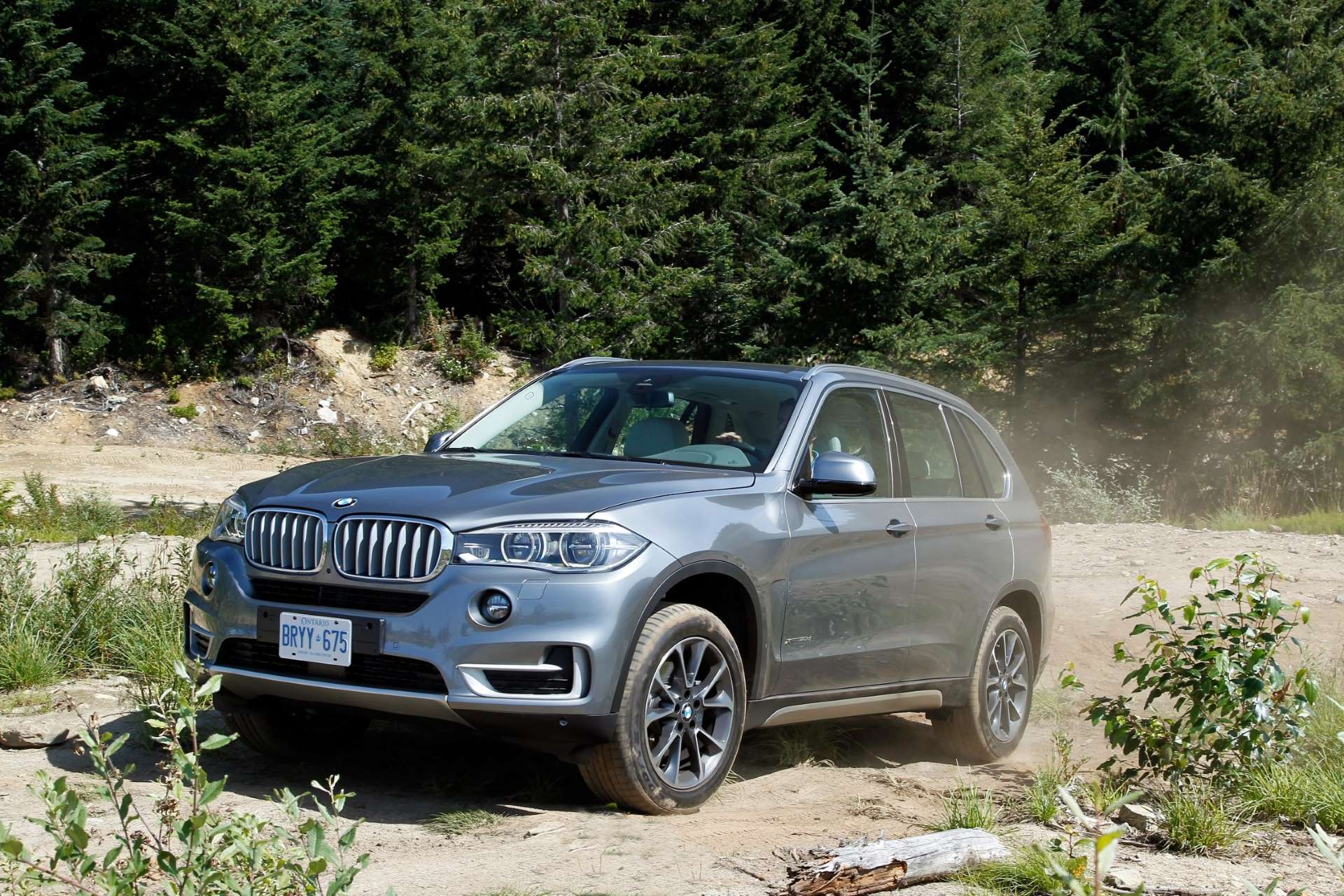
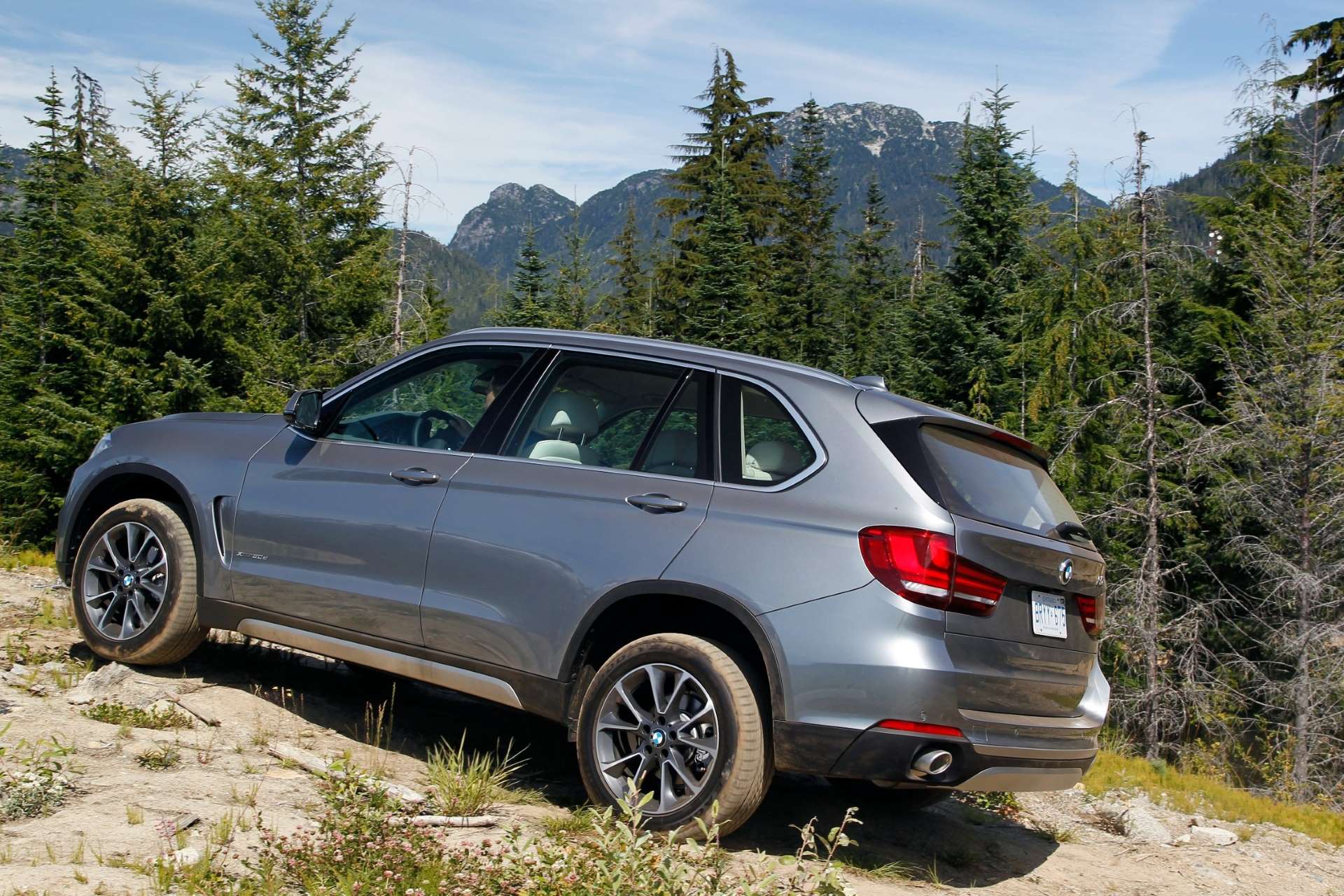
BMW offered four engines throughout F15 production. The xDrive and sDrive 35i models received the twin-scroll turbocharged N55 inline-6 engine, which was unchanged from the E70. The xDrive50i retained its twin-turbocharged N63 V8, with peak power equal to that of the Performance-Package-equipped E70. The xDrive40e featured the N20, a 2.0-liter turbocharged inline-4 cylinder, paired with an electric motor, making it a plug-in hybrid. The diesel variant received the updated N57 engine, though the power output dropped slightly. All models received ZF’s second-generation 8HP 8-speed automatic gearbox. Through BMW EfficientDynamics, the gearbox works with the Auto Start-Stop function, ECO PRO mode, and the Proactive Driving Assistant system to further reduce emissions and increase efficiency.
Carrying over from the E70 was the general suspension architecture. The base suspension package included double wishbones up front and a multi-link in the rear with coil springs all around. Beyond that, the suspension had four option packages, each with its own combination of parts. Each option added self-leveling air springs to the rear, but with different supporting components. Active roll bars and adaptive dampers were also available. For a full breakdown of the suspension options, check out our F15 X5 suspension guide.
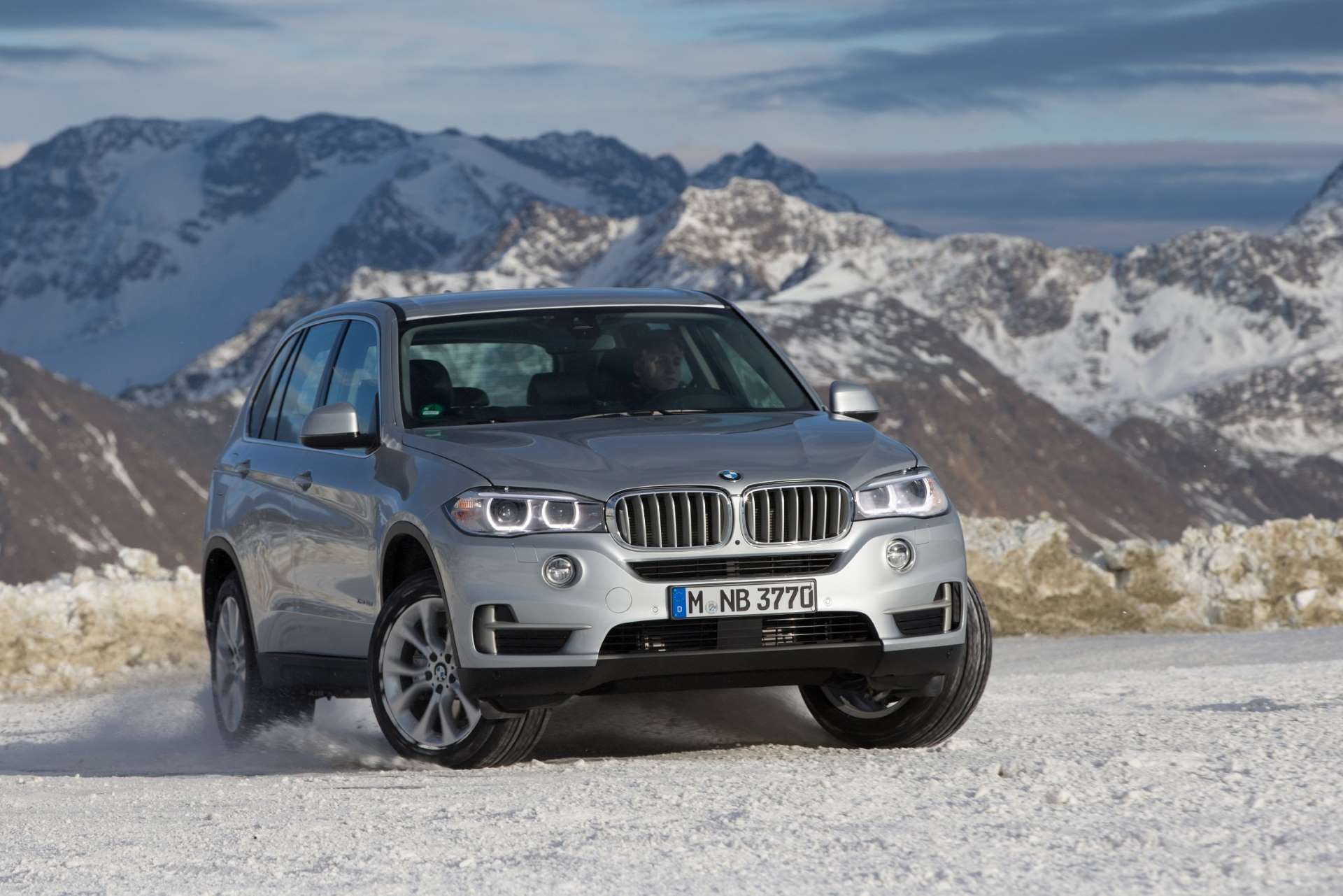
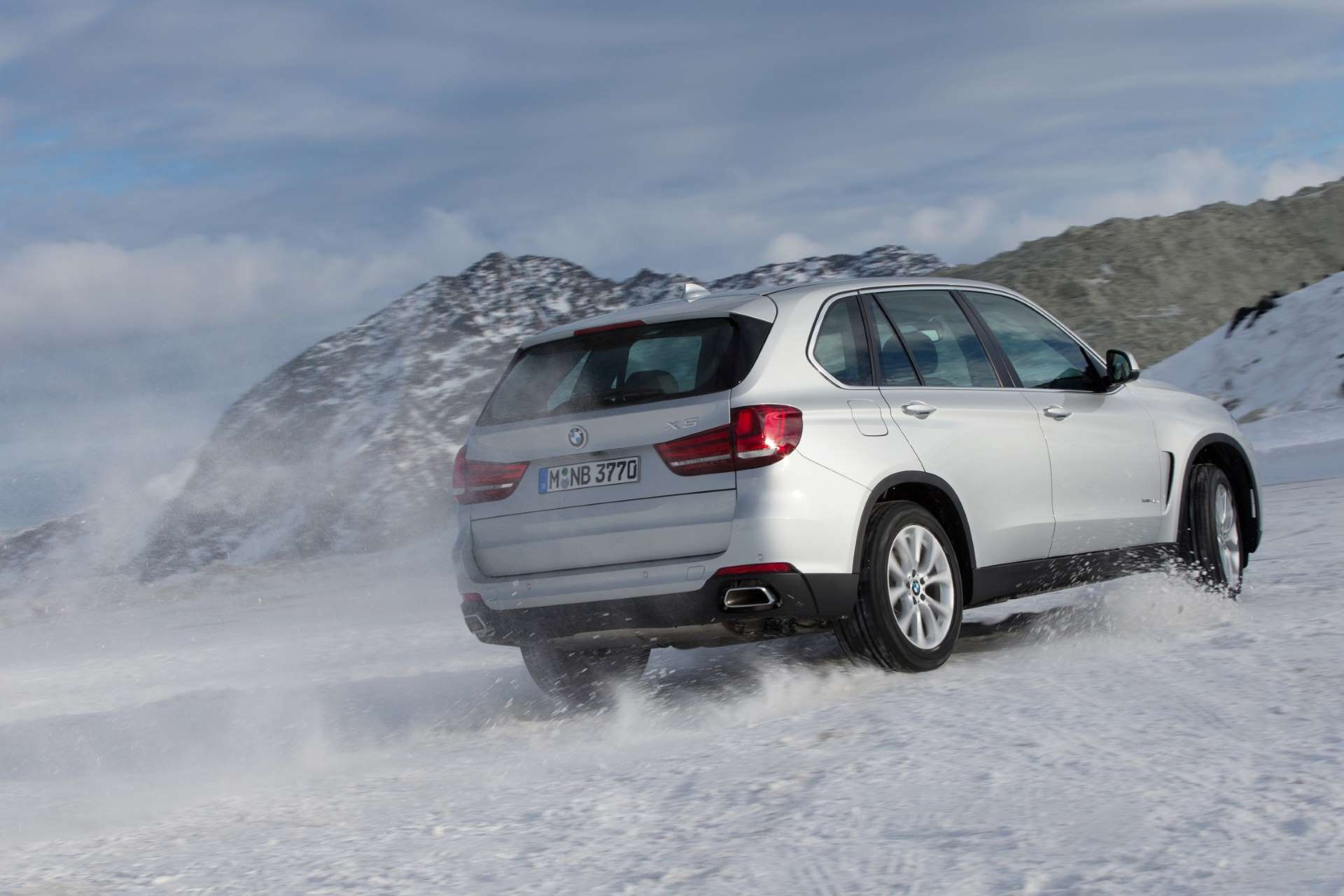
Each F15 was built around one of three trim lines—Luxury, xLine, or M Sport—with each featuring unique wheel choices, accenting trim, and interior upholstery. After establishing the trim, buyers or dealers could specify individual options or complete packages. Standard equipment included Xenon headlights with LED accents, LED taillights and fog lights, Servotronic variable steering, front and rear parking sensors, dual-zone automatic climate control, and the Driver Experience Control. The latter feature allows each F15 X5 to swap between various driving modes, including COMFORT, ECO PRO, and SPORT. Each mode used its own calibrations for the suspension, engine, throttle response, and steering feel to adjust the way the X5 reacted and drove. Optional equipment included:
- Adaptive cruise control.
- Lane change warning.
- A Harman Kardon surround system.
- Rear-seat entertainment.
- Soft-closing doors.
- Adaptive LED headlights.
The F15 X5 received an X5M model but carried the F85 chassis code instead. It used an improved version of its predecessor’s twin-turbo S63 V8 and ZF’s newest 8HP. As with every other M car, the X5M received larger wheels and brakes, a special sport suspension, an exclusive interior design and materials, and a unique body treatment. BMW ended the F15 X5 production without an LCI update, choosing to advance to the next generation instead.
BMW X5 F15 Models & Specs | |||||
Model | Years | Engine/Power | Transmission | Air Suspension | Towing Capacity |
xDrive35i sDrive35i | 2014-2018 | N55 Turbocharged 3.0L Inline-6 300hp/300 lb-ft tq | 8-Spd Auto | Optional | 6000lbs |
xDrive40e | 2016-2018 | N20 Turbocharged 2.0L Inline-4 240hp/260 lb-ft tq 308hp/332 lb-ft tq Combined with 9.2kWh battery pack | 8-Spd Auto | Optional | 6000lbs |
xDrive50i | 2014-2018 | N63 Turbocharged 4.4L V8 445hp/480 lb-ft tq | 8-Spd Auto | Optional | 6000lbs |
xDrive35d | 2014-2018 | N57 Turbocharged 3.0L Inline-6 255hp/413 lb-ft tq | 8-Spd Auto | Optional | 6000lbs |
X5M | 2015–2018 | S63 Turbocharged 4.4L V8 575hp/553 lb-ft tq | 8-Spd Auto | Standard | 6000lbs |
BMW X5 (G05) 2019-Present
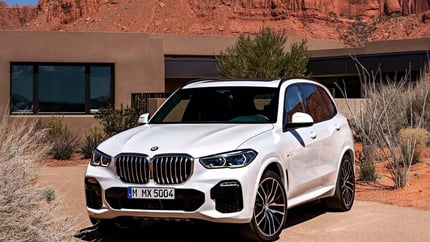
The fourth and current X5 generation debuted for the 2019 model year. Dubbed the G05, it’s built on BMW’s CLAR platform, causing it to grow a 1.7” longer wheelbase, 1.4” in overall length, and 2.7” in width. The G05 shares the CLAR platform with the G11 7-series and G30 5-series, among others, and as a result, shares several electrical and suspension components. The new body features the largest kidney grilles ever fitted to an X5, as well as new standard LED headlights, taillights, and fog lights.
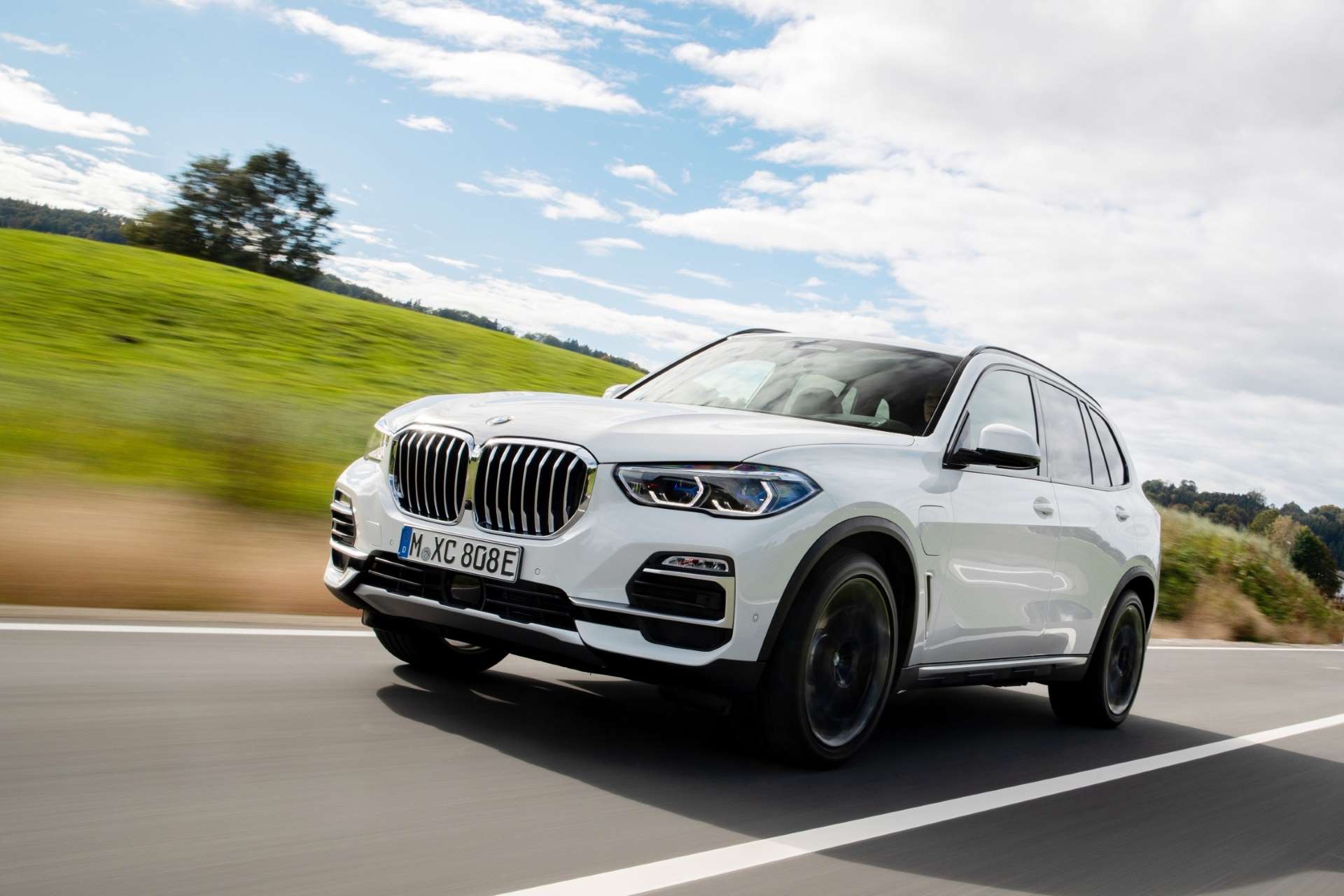
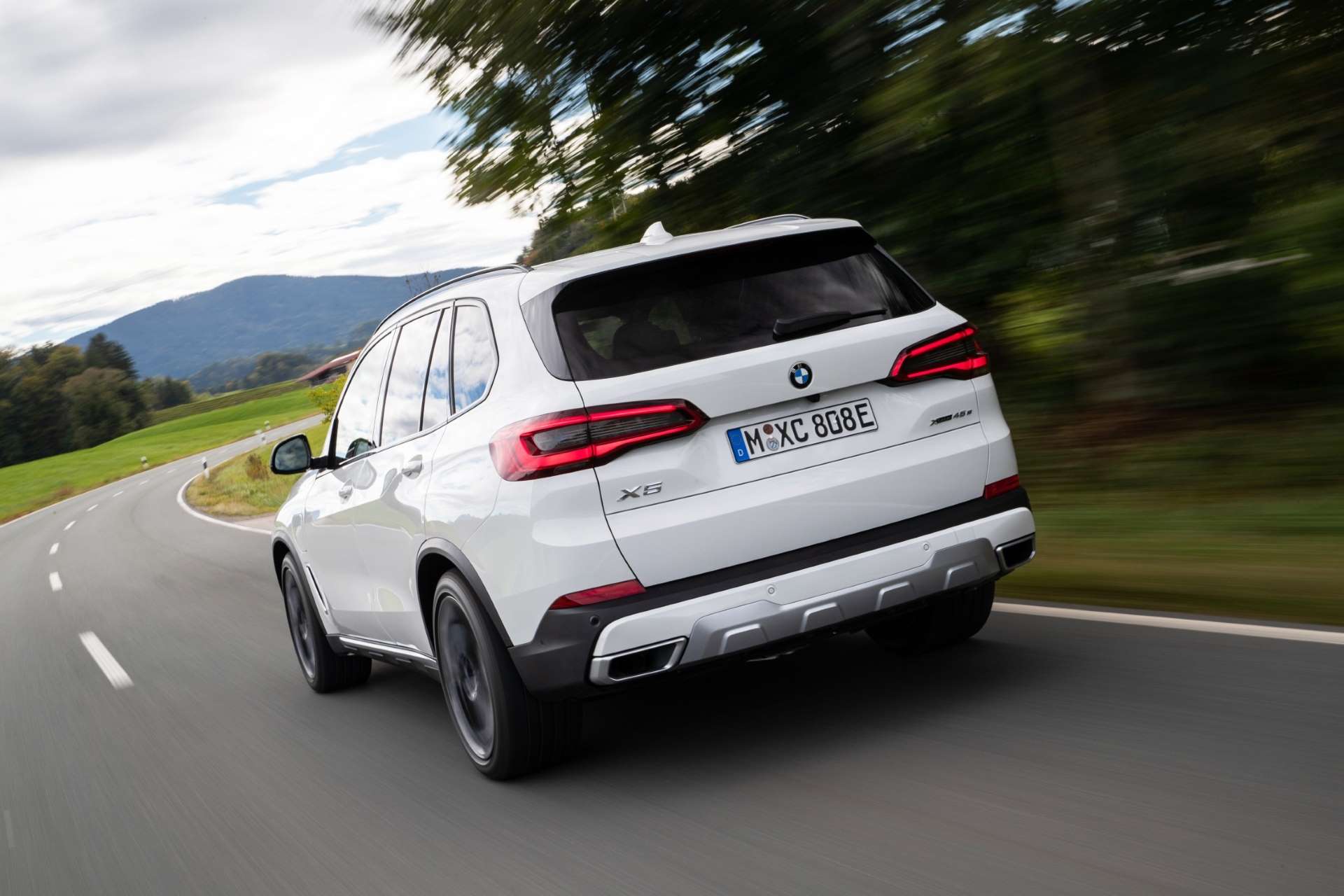
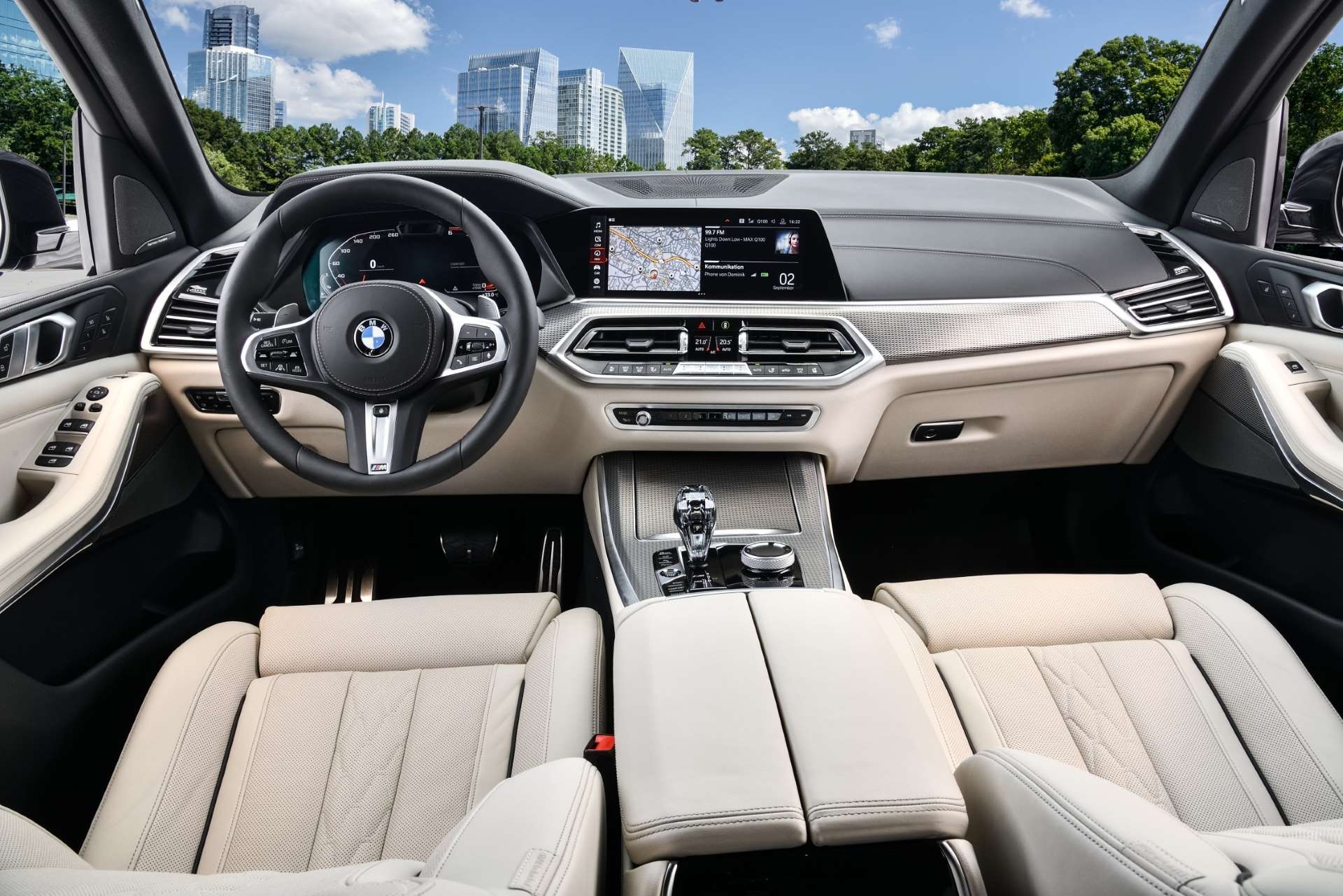
Under the hood, the G05 offers several engine options that have undergone updates throughout production. The latest turbocharged inline-6 engine from BMW, the B58, replaced the N55 in the entry-level xDrive40i and sDrive40i models. In 2021, these models received a 48-volt mild hybrid system, which replaced the starter and several other components to improve emissions and fuel economy.
Debuting alongside the mild-hybrid updates was the first plug-in hybrid X5, the xDrive45e. It utilized the B58 engine, paired with a 24kWh battery pack, providing the X5 with a range of approximately 40 miles. The 389 hp and 443 lb-ft of torque ensure the hybrid slots in nicely between the 40i and the top-spec M50i. Available briefly was the xDrive50i model that featured the N63TU3; BMW discontinued the model after 2020.
At the top of the range, two models wear an M-badge. The M50i is the top of the pre-LCI G05 range, utilizing the latest N63 V8 engine at the time, with nearly the same power as the E70 X5M. Above that sits the X5M, although it’s technically under the F95 chassis. An M-engineered S63 twin-turbo V8 sits in the engine bay and pumps out 600 hp and 553 lb-ft of torque. Each of these X5s uses ZF’s 8HP transmission to put the power down.
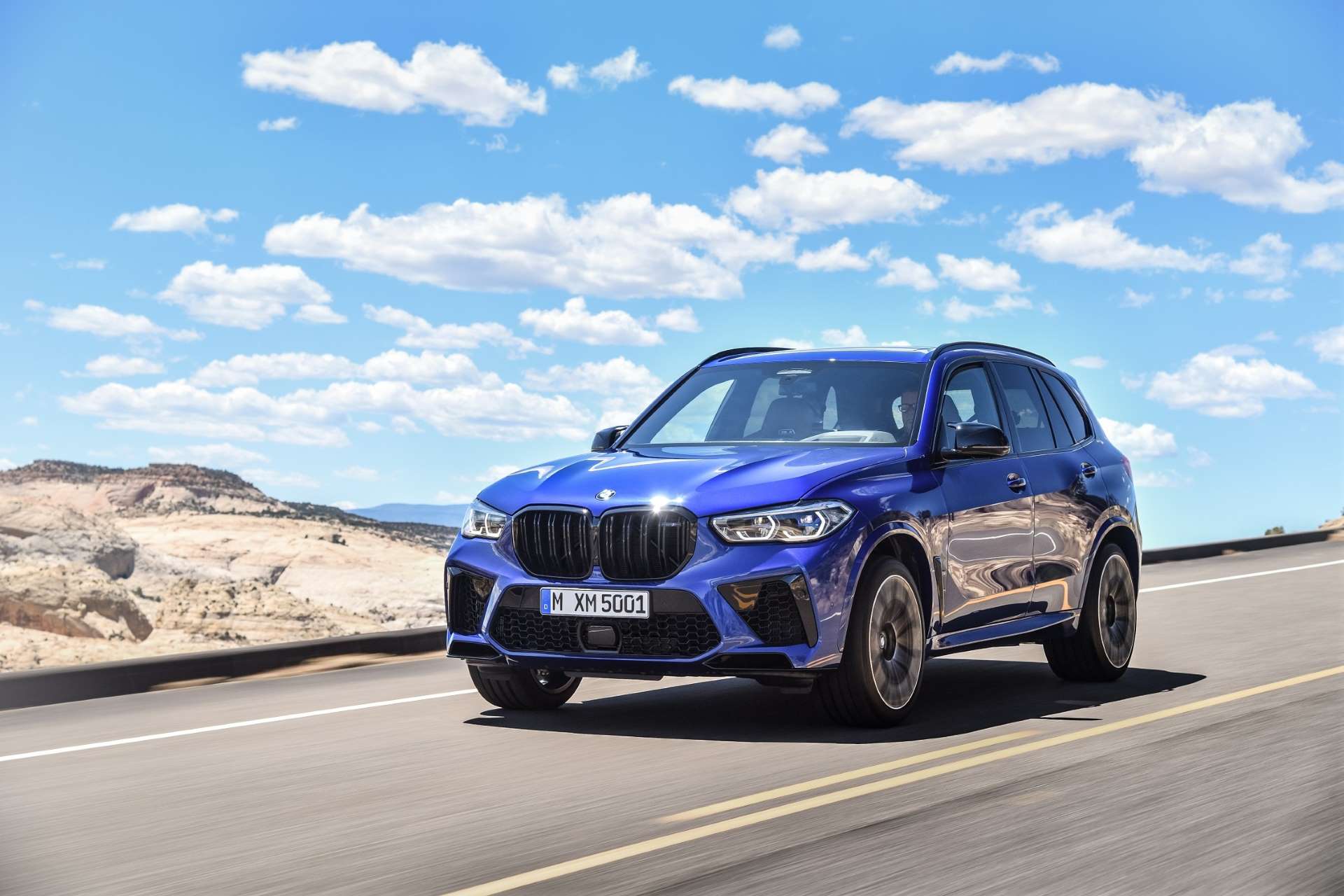
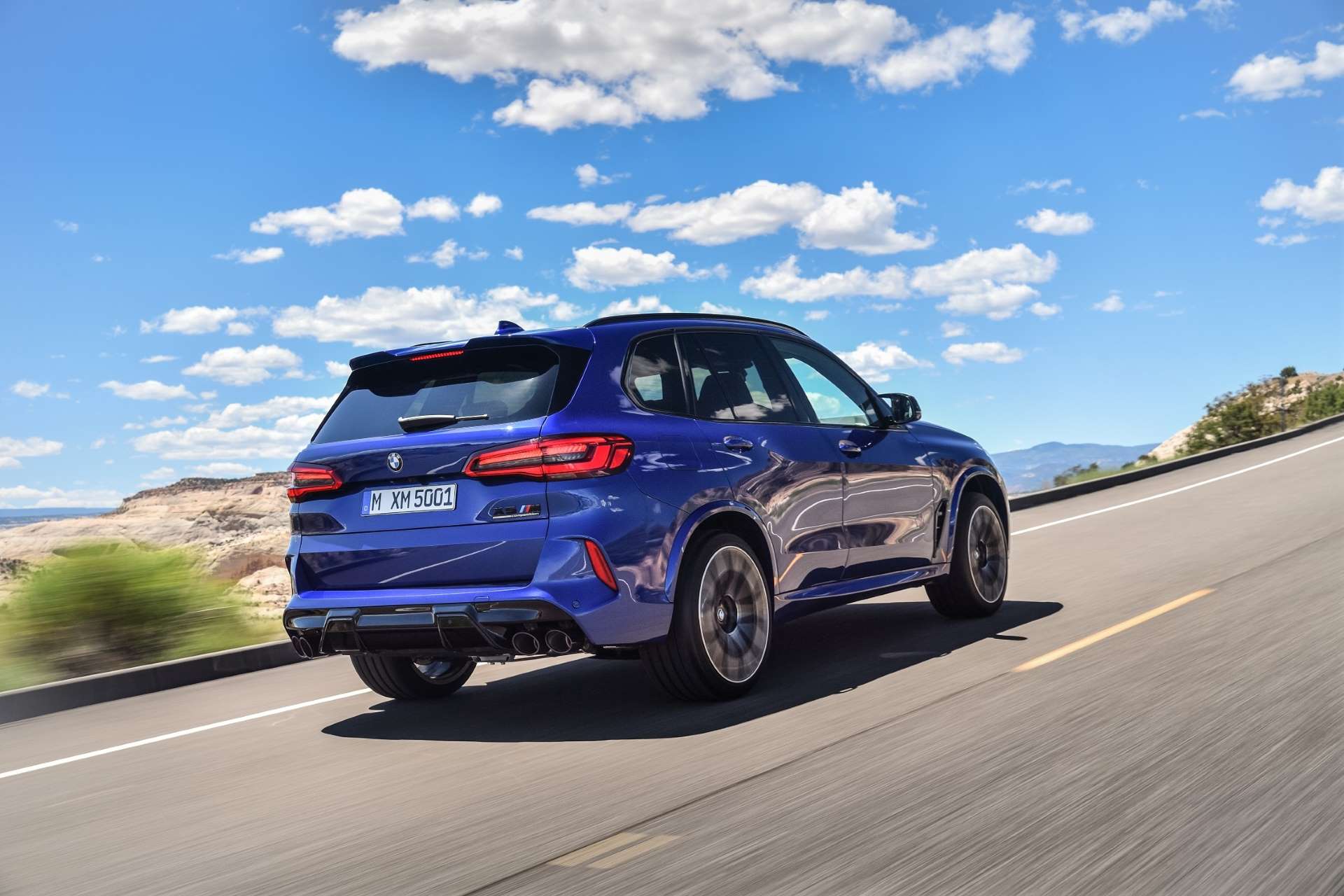
However, 2024 ushered in the LCI facelift and a handful of mechanical changes. The base model remained the 40i with a B58 and 48-volt mild hybrid system combination, but with a peak power bump of 40 hp and 68 lb-ft of torque. A new 4.4L twin-turbo V8, shared with the X5 M Competition and designated as the S68, has been introduced for the updated M50i, now known as the M60i. Performance figures remain the same, but the 48-volt hybrid system joins the drivetrain. Lastly, the xDrive45e morphs into the xDrive50e. Again, its drivetrain components remain mostly the same, but performance jumps by nearly 100 hp and 73 lb-ft of torque. Updates to the X5M haven’t been released at the time of writing.
Returning for the first time since the E53 is dual-axle air suspension. E70 and F15 models only received rear air springs, but the G05 gets them front and rear, paired with the standard Dynamic Damper Control. Those springs can be optioned as part of the Off-Road package. Breaking from BMW’s plan to build the ultimate non-off-road 4x4, that package adds air suspension, an electronically locking rear differential, skid plates, and a drive-mode selector. The drive-mode selector optimizes the suspension, throttle, and transmission for your chosen setting.
The new generation of engines and transmissions helps the G05 offer up to 7200 lbs of towing capacity with a braked trailer, making it the first generation to be rated over 6000 lbs. But don’t believe that the X5 has gone all rugged and practical. A 12.3” iDrive display, large heads-up display, optional massaging seats, the Bowers & Wilkins Diamond Surround Sound System, and thermo-cup holders, among other options, assure the X5 has remained as luxurious as ever. That last option is a pair of cupholders in the center console capable of keeping your drink cold or warm.
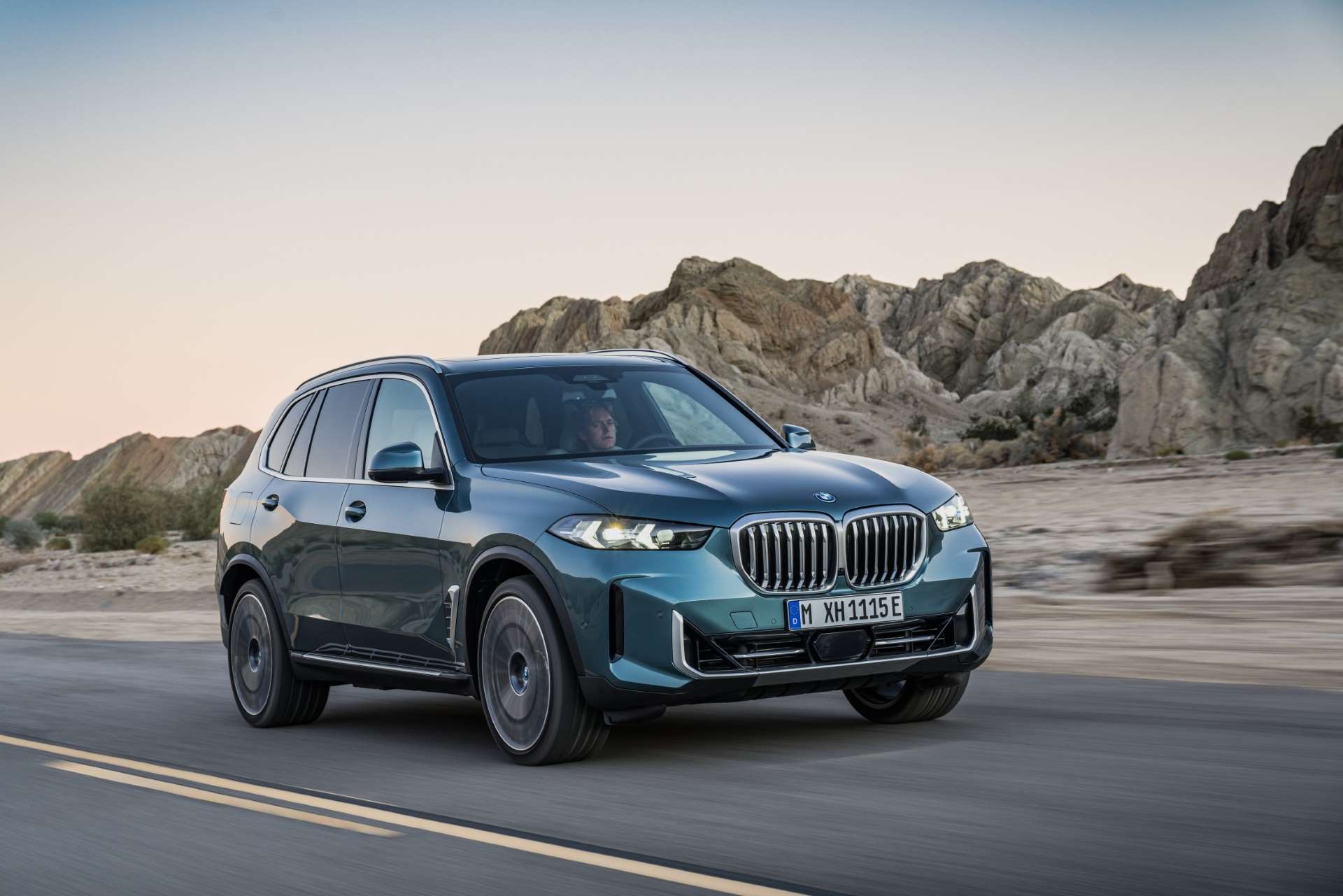
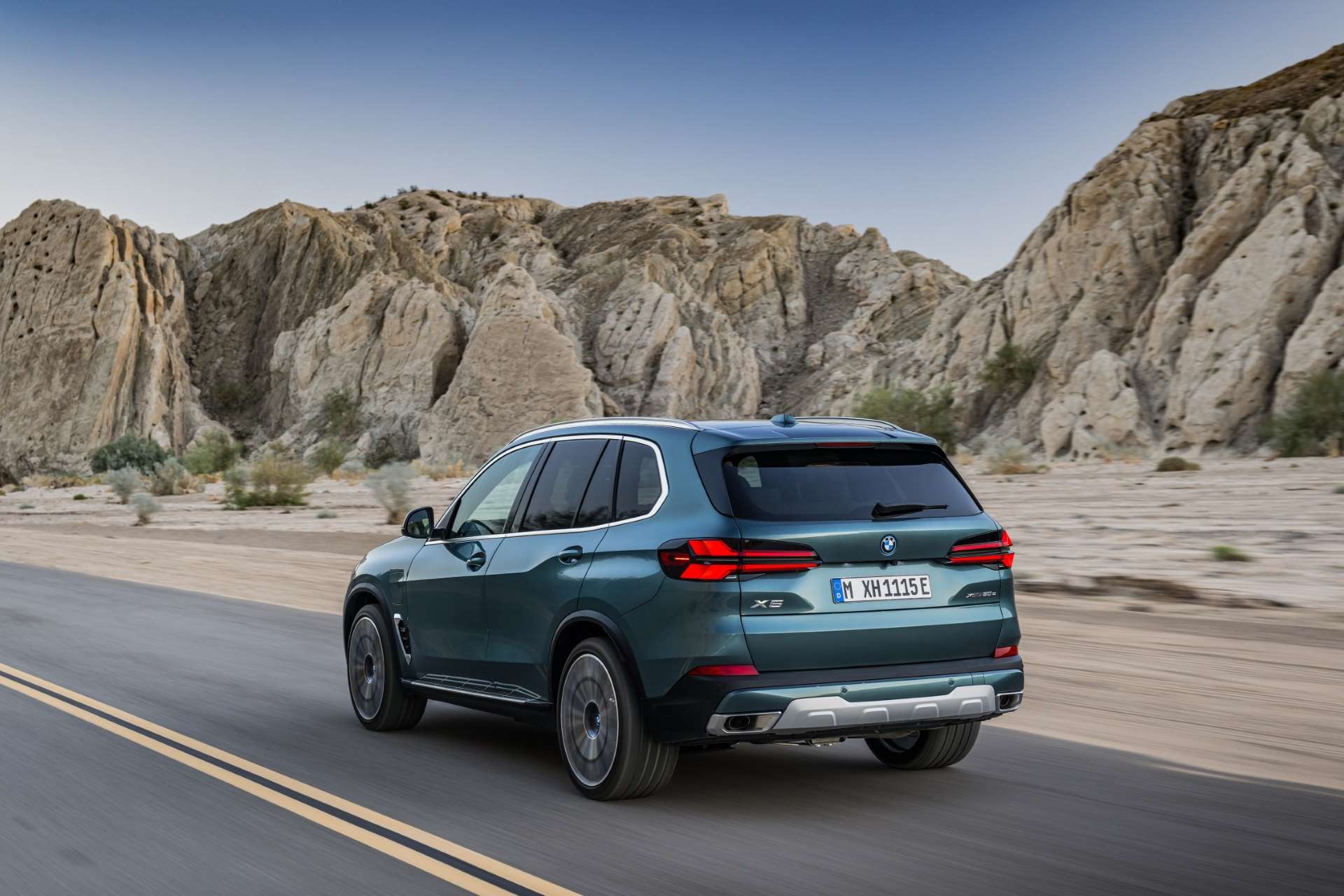
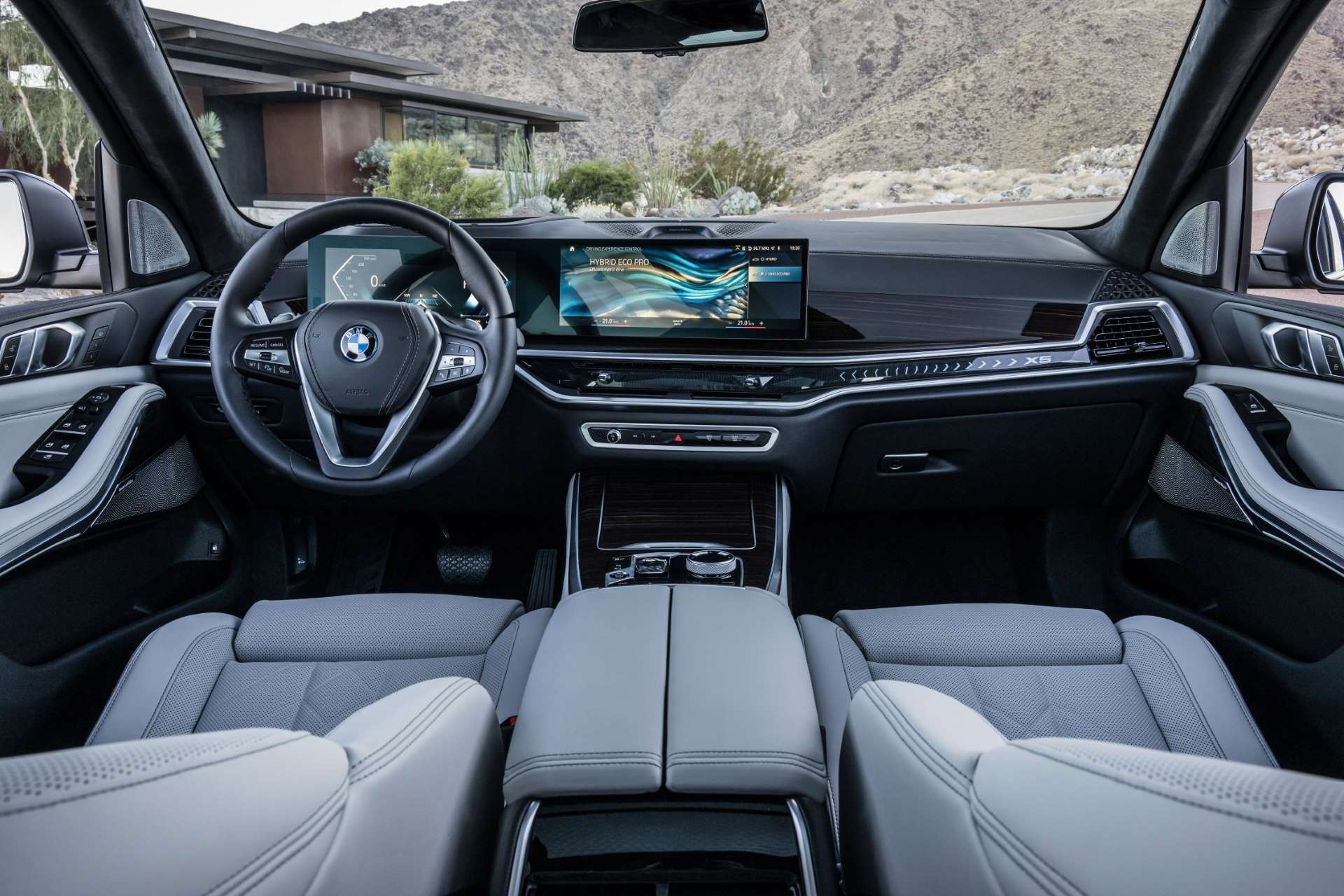
Along with the engine updates, the LCI facelift introduced a host of exterior and interior revisions. On the outside, the headlights, taillights, grilles, and bumpers were all new, but remained more traditional in design compared to the latest iX and 7-series models. Inside, the split instrument cluster and infotainment screen merged into a single, large, curved display. The rest of the dashboard received the modern treatment, featuring thinner center vents and new trim lines. To the chagrin of some, BMW replaced the traditional gear selector with a small toggle switch and moved the standard upholstery to a vegan leather substitute called Sensafin.
BMW X5 G05 Models & Specs | |||||
Model | Years | Engine/Power | Transmission | Air Suspension | Towing Capacity (Braked) |
xDrive40i sDrive40i | 2019-Present | B58 Turbocharged 3.0L Inline-6 335hp/330 lb-ft tq (LCI) 375hp/398 lb-ft tq | 8-Spd Auto | Optional | 7200lbs |
xDrive50i | 2019-2020 | N63 Turbocharged 4.4L V8 456hp/479 lb-ft tq | 8-Spd Auto | Optional | 7200lbs |
M50i | 2020-2023 | N63 Turbocharged 4.4L V8 523hp/553 lb-ft tq | 8-Spd Auto | Standard | 7200lbs |
M60i | 2023-Present | S68 Turbocharged 4.4-liter V8 523hp/553 lb-ft tq | 8-Spd Auto | Standard | 7200lbs |
xDrive45e | 2020-2023 | B58 Turbocharged 3.0L Inline-6 & Electric Motor 389hp/443 lb-ft tq | 8-Spd Auto | Standard | 7200lbs |
xDrive50e | 2023-Present | B58 Turbocharged 3.0L Inline-6 & Electric Motor 483hp/516 lb-ft tq | 8-Spd Auto | Standard | 7200lbs |
Whichever generation you choose, you’re going to end up with a comfortable and capable on-road performer with enough space for the family and enough towing capacity for your race car. If you have questions about any of these generations and models or feel that we should add to this guide, leave them in the comments.