- 04/23/2026
- 8 Min Read
- By: Christian Schaefer
The Most Unreliable European Cars That We'd Still Drive

Do you like to live dangerously? Are you the kind who's up for anything, at any time? Well, I have a few cars you’re going to love.
There are lots of European cars out there that’ll give you good style and performance, with reliability; these are not those cars. No-no, these here will give you great styling, oodles of luxury, and a few exotic engines, but are inclined to leave you with a high probability of owning nothing more than an attractive driveway ornament. At least, for a time, that is, as we know where you can get the parts to set them right. Should you take on the challenge of owning one of them, you’ll have lots to learn and plan for, and they may even beat you up, but the smile they’ll give you, if you can get them right, will be worth the adventure.
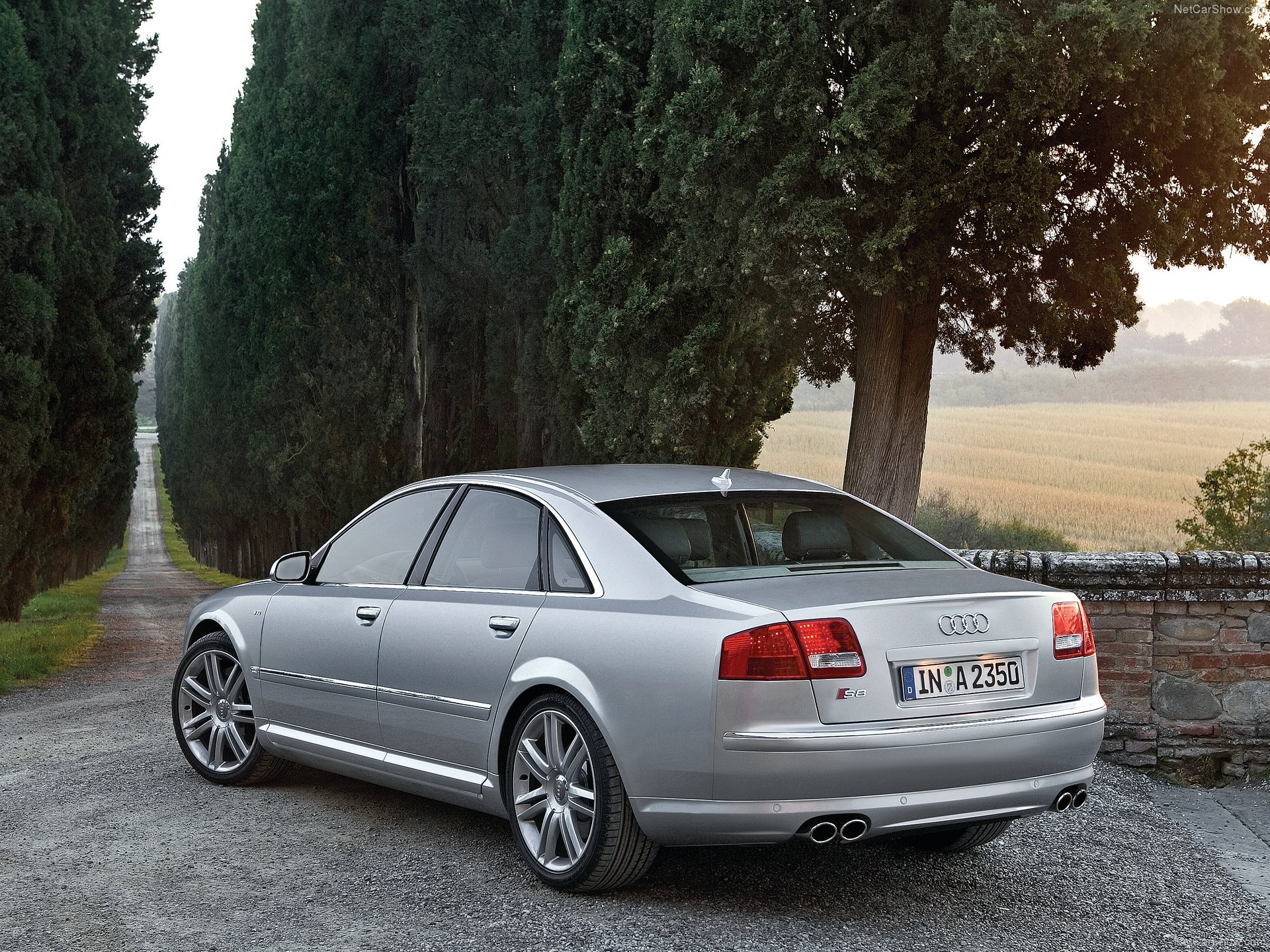
Audi D3 S8
Ferdinand Piech had an incredible run leading the VW/Audi Group, culminating in an era of legendary machinery and engines in the mid-’00s. There was the Mk4 Golf R32 with a VR6, the B6 S4 with a high-revving V8, a Passat with a W8, and the Bugatti Veyron with its quad-turbocharged W16; everywhere you looked, there was something you hadn’t seen before. Not to be left out, Audi engineers decided their flagship S8 needed something larger than its outgoing V8, so in went a brand new 5.2L FSI V10. It was a marvel for its time, but two decades later, the big engine and peak luxury have left many owners with enormous repair bills.
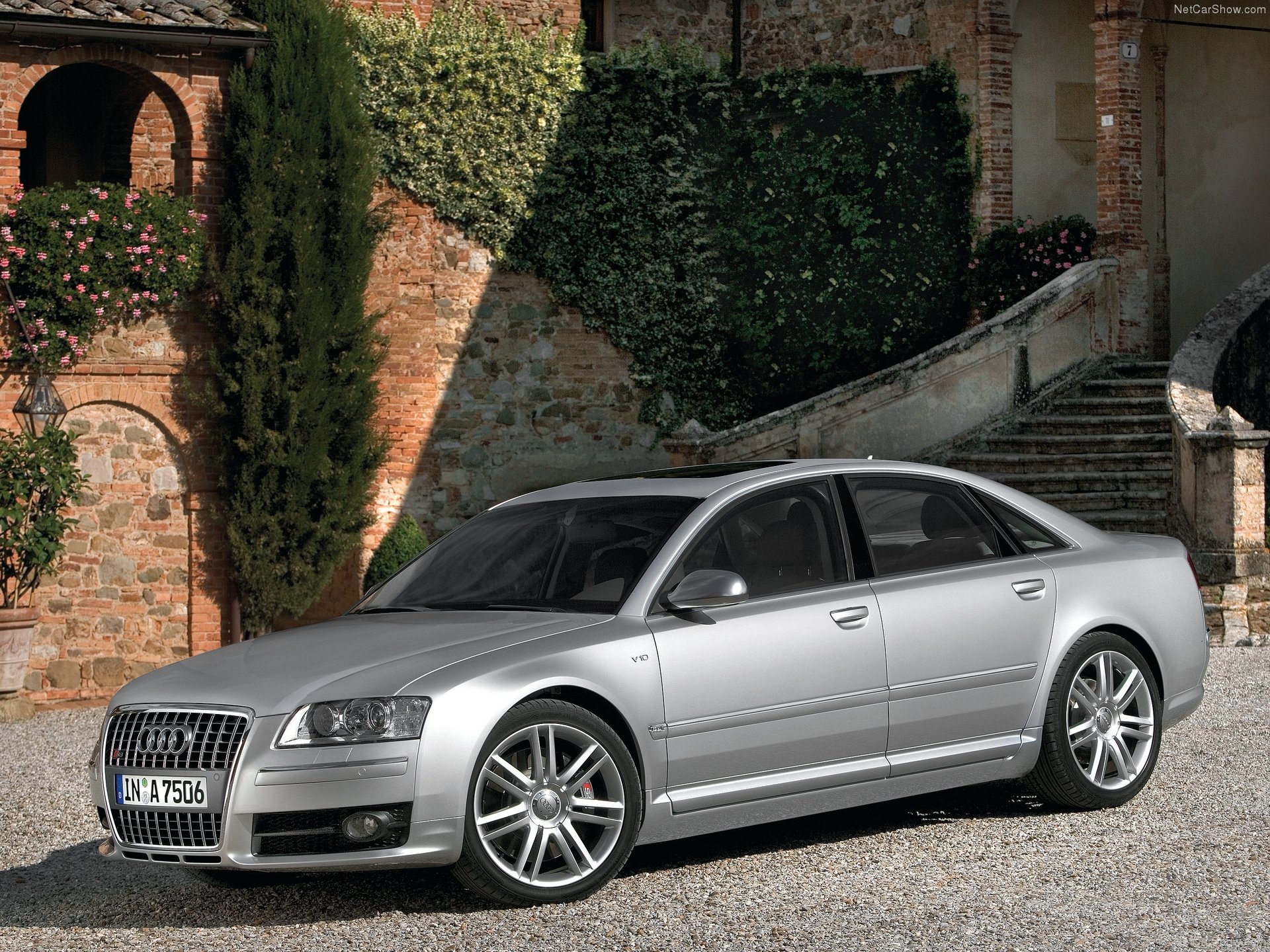
The D3 was an all-new A8 generation starting in 2004. Longer, wider, and far more advanced than its predecessor, the D3 was an immediate contender in the executive luxury sedan space. It was crafted around an all-aluminum chassis, like its predecessor, and despite growing in nearly every measurable way, it came in under 100lbs heavier than the D2. Inside, the big Audi was adorned with the latest and greatest of the day, including early MMI with GPS navigation, air suspension, Bentley-esque seating, and a Bang & Olufsen stereo. A dual-zone climate control system with an infrared windshield moisture-sensing system for automatic defogging was standard, and a four-zone system was available as an option.
It would take a few years for the S8 to arrive, but it did so with excitement, sporting the short-wheelbase chassis all US A8s were without, and the big normally aspirated V10. Despite arriving around the time of the Gallardo’s, the S8’s all-aluminum unit isn’t directly related to either the early 5.0L or later 5.2L V10, though it shares the same bore and stroke as the latter. Regardless of its lack of supercar connections, the V10 is no less exotic, and in the S8, it’s right at home. Its peak power figures of 444hp and 398 lb-ft of torque are still nothing to scoff at today, and combined with its only transmission, a six-speed Tiptronic, the 4600lb sedan could rocket to 60mph in 5.1s. You’d be hard-pressed to find those performance figures for $20,000, let alone nearly half of that, which is what D3 S8s seem to be trending around on major car listing websites. Perhaps that’s because the FSI V10 is notoriously difficult to keep healthy.
As advanced as the direct fuel injection tech was in its era, it came with some interesting side effects, chiefly, carbon build-up. It’s an issue on all direct-injected engines, but especially so for the FSI V10, causing build-up-related misfires within 30,000 miles of its last cleaning. Excessive buildup has been shown to kill power and fuel economy, cause misfires, and general rough running, so it’s not something you’ll want to put off. However, reaching the intake ports to clean the build-up off the backs of the intake valves will allow you to disassemble the intake manifold to repair its active flaps, another major issue not exactly limited to Audi.
Within the manifold are electronically-activated plastic flaps that allow the engine to make more power over a broader area, but exposure to excessive oil and heat makes them brittle. Failure begins with a rattle from the manifold and ends in broken flaps sitting at the bottom of it. Linkages can break, too, triggering engine codes. Solving the flap issue requires replacing the entire unit, which is very costly, or deleting the flaps and re-tuning the ECU.
Beyond that, there are plenty of other smaller things that’ll cause you a major headache, from oil leaks at multiple locations to brittle plastic cooling pipe and chronically bad O2 sensors. While none of those sound so bad, you need to remember that the V10 is the longest engine fitted to the D3, and it’s stuffed in there. Fixing almost all of the chronic leak points—front and rear main seals, oil filter housing, etc.—requires removing the engine just to reach them, then comes the fun part of removing oil pan sections and cam girdles for a reseal.
I haven’t even gotten to the fact that this generation is very susceptible to electronic issues, and dead batteries can be the root cause of a major Component Protection nightmare that only Audi can likely solve. Or that clogged sunroof and cowl drains are pretty common and will force water into the interior and cause electrical hiccups. I could go on, but I’ll leave that to you, and leave you with this instead: There isn’t another Audi like the D3 S8, let alone another “sport” version of a flagship executive sedan. If you have one or get one, and can make it right, you’ll be riding around in something you can’t really replicate, and that just might make all of the heartache and cost worth it.
Land Rover Range Rover (L322)
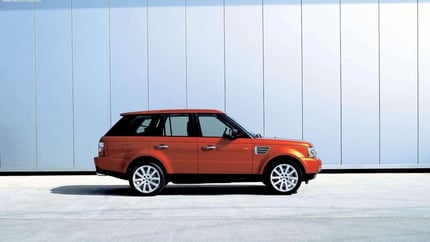
British cars have long earned their infamous reputation for unreliability. Even when acquired by outside firms, British marques often find a way to stick to their roots. BMW had a crack at breaking the stigma in the early nineties when it absorbed the Rover Group, giving the Bavarians access to a few brands, including Land Rover and MINI. Although BMW would shed most of those brands by the end of the decade, including Land Rover, it developed the next-generation Range Rover, remaining part of the engineering and design process even after selling the SUV maker to Ford
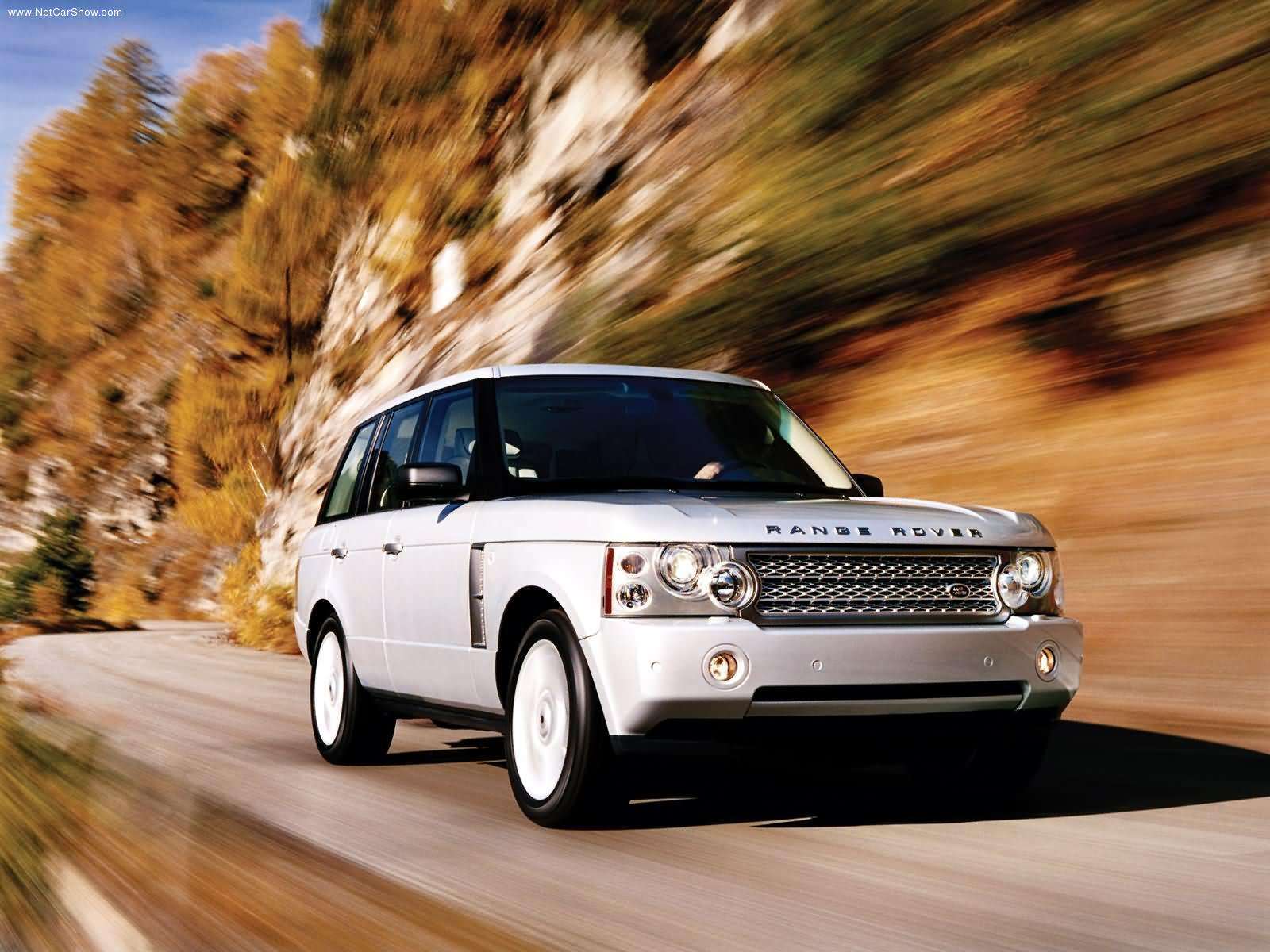
The L322 was a smash hit upon debut and has since become somewhat of a cult classic, with many enthusiasts praising nearly everything except its reliability, unless relative to prior Land Rover generations. Its balance of opulent luxury and off-road capability is a benchmark for the segment, and if you can keep one running, they’re stunning modes of transportation, but that’s just it. Even as Ford quickly phased out the early BMW M62 V8 engine for more reliable AJ-series V8s, electrical and chassis-related issues remained through the facelifts, and have since given high-mileage L322s an infamous reputation. I’d argue no one has put that on display better than Doug DeMuro, who chronicled his ownership on Jalopnik a decade ago; if you haven’t read those articles, give ‘em a good read, they’re worth it.
Should you decide to take on the L322, there are a few things you’ll need to know. The standard air suspension is notorious for failing in many ways; struts, valve blocks, and compressors are common failure points, while the electronic side of the system is relatively robust. Replacing just a couple of struts and a compressor costs almost $2,000 in parts before you pay someone to reprogram the suspension module. Later models can also have issues with the electronic parking brake module, which is another four-figure component, but the early cars are spared the electrical issue; instead, they’re known for corroded and seized mechanical parking brake mechanisms. Other similar electrical-type issues can vary depending on the model year, as Ford moved on from the E39 5-Series-based electronics and drivetrain in 2006, but know that they reach every corner, whether it's a failed ABS module or broken steering column lock.
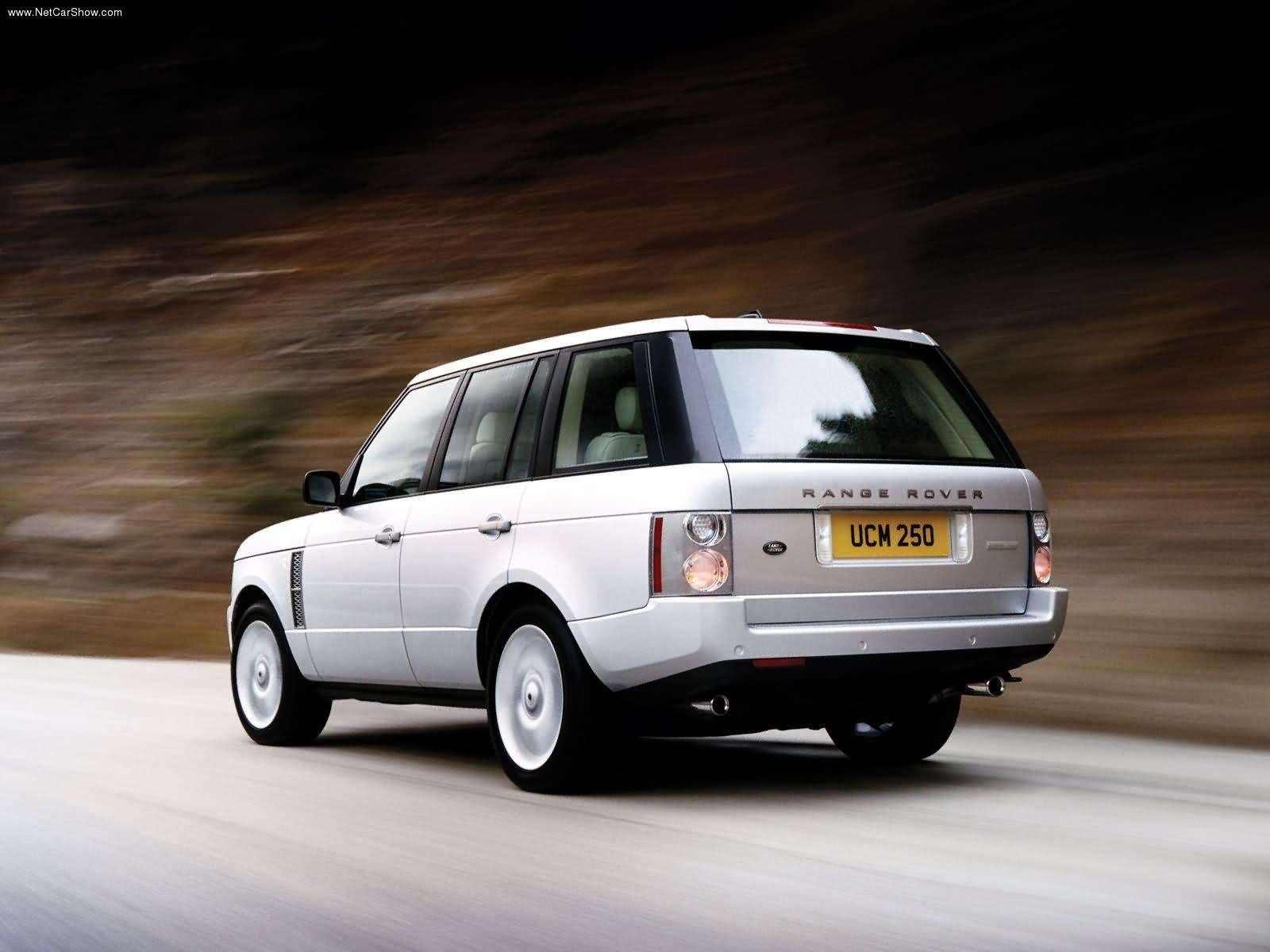
If there were an area where the Range Rover could make up some ground against those issues, well, it wouldn’t be the engine bay, where two generations of engines kept it relatively fraught with hiccups large and small. As mentioned, BMW’s electronics and M62 4.4L V8 were the powerplant of choice until 2006, when Ford replaced them with Jaguar’s AJ-series V8. A supercharged 4.2L and N/A 4.4L provided more power and better reliability than BMW’s much older M62, but both were plagued with cooling system and timing chain issues. The timing issues differ slightly per engine and facelift, but each is equally serious, requiring major engine disassembly for repair at high cost. Cooling system issues can be less serious and easier to solve at home. Unfortunately, they’re often found after the engine has already overheated at least once, and that’s enough to weaken other components and cause a larger issue soon after. Other countries saw several turbo-diesel engines as well, but they didn’t make it to the US.
There's more that can go wrong, leaving you with a big bill, but that can happn with any car. If you're really serious about the L322 Range Rover, do your homework and find one that's been cared for. Sure it's no guarantee you'll have an easy experience, but it'll get you off on the right foot. Spend some time in the forums, too. There are thousands of dedicated owners and Land Rover fans who know exactly how to keep them going. Such capability and comfort comes at a cost; can you afford it?
BMW E60 M5 & E63 M6
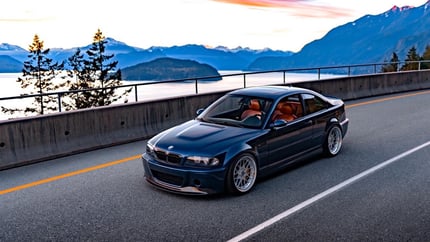
The E60 M5 and E63/64 M6 are some of the most famous M cars to leave Munich. They were filled with Formula 1-derived technology and modern luxury comforts, making them one of the best sports sedans/coupes of the time—or at least they should’ve been. Chronic issues with components, small and large, plagued every owner regardless of treatment. These two are part of BMW M’s most celebrated era, yet they regularly leave their owners for dead and without any money.
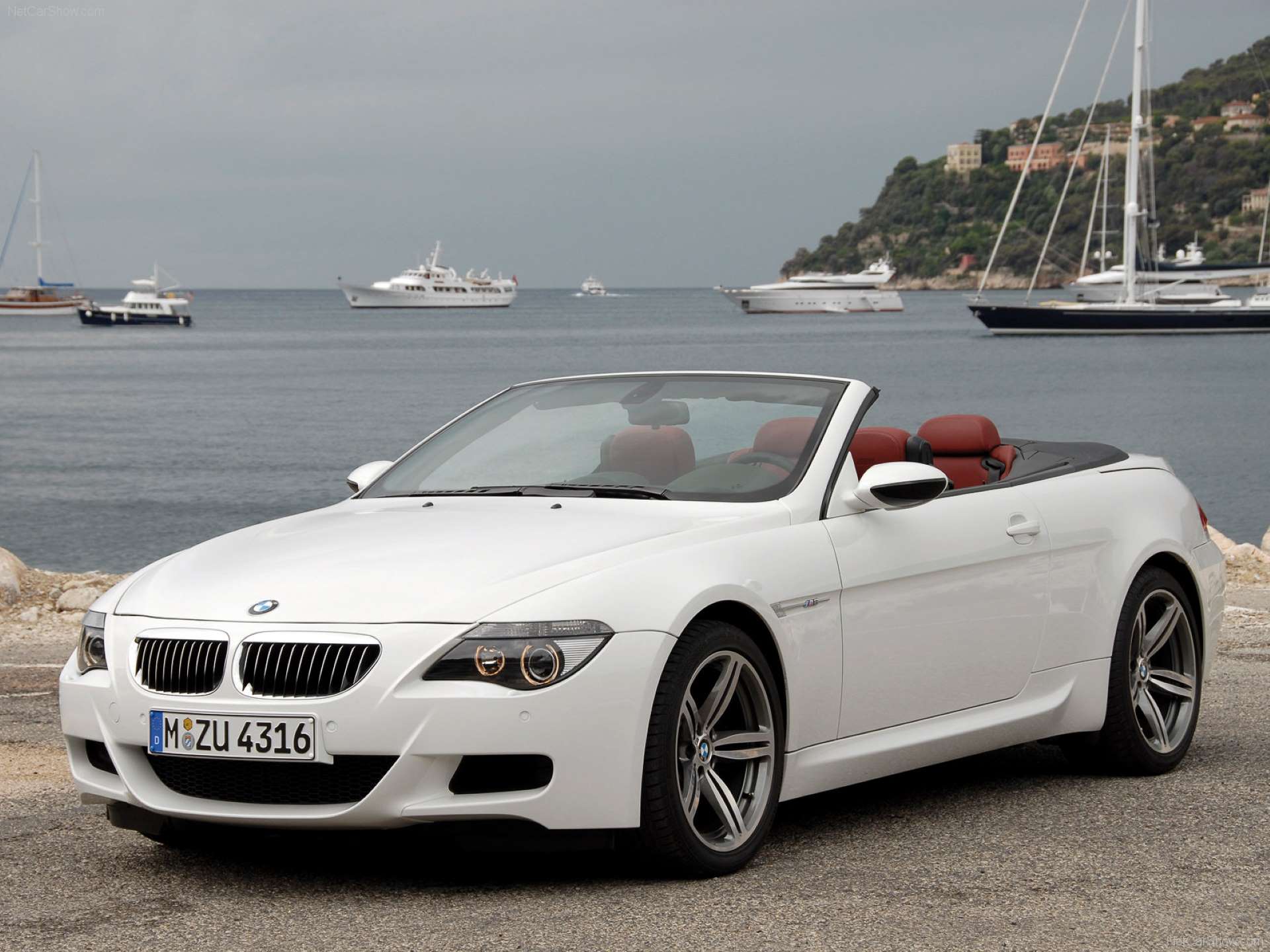
The defining characteristic of the E60 M cars is the engine. BMW was well into its partnership with the Sauber Formula 1 team and manufactured the V10 engine used in that series. In linking their F1 prowess with their streetcars, BMW built the S85 for the M5 and M6. The S85 is a 5.0-liter, naturally aspirated V10 that pushes out 500 horsepower and revs to 8250 rpm. It was the jewel of the M division, and journalists ranted and raved at its sound and power upon testing.
It even won many awards, including the 2005-2007 Best Performance Engine and the 2005 and 2006 International Engine Of The Year. It was the darling of the motoring world and only got better with the car built around it.
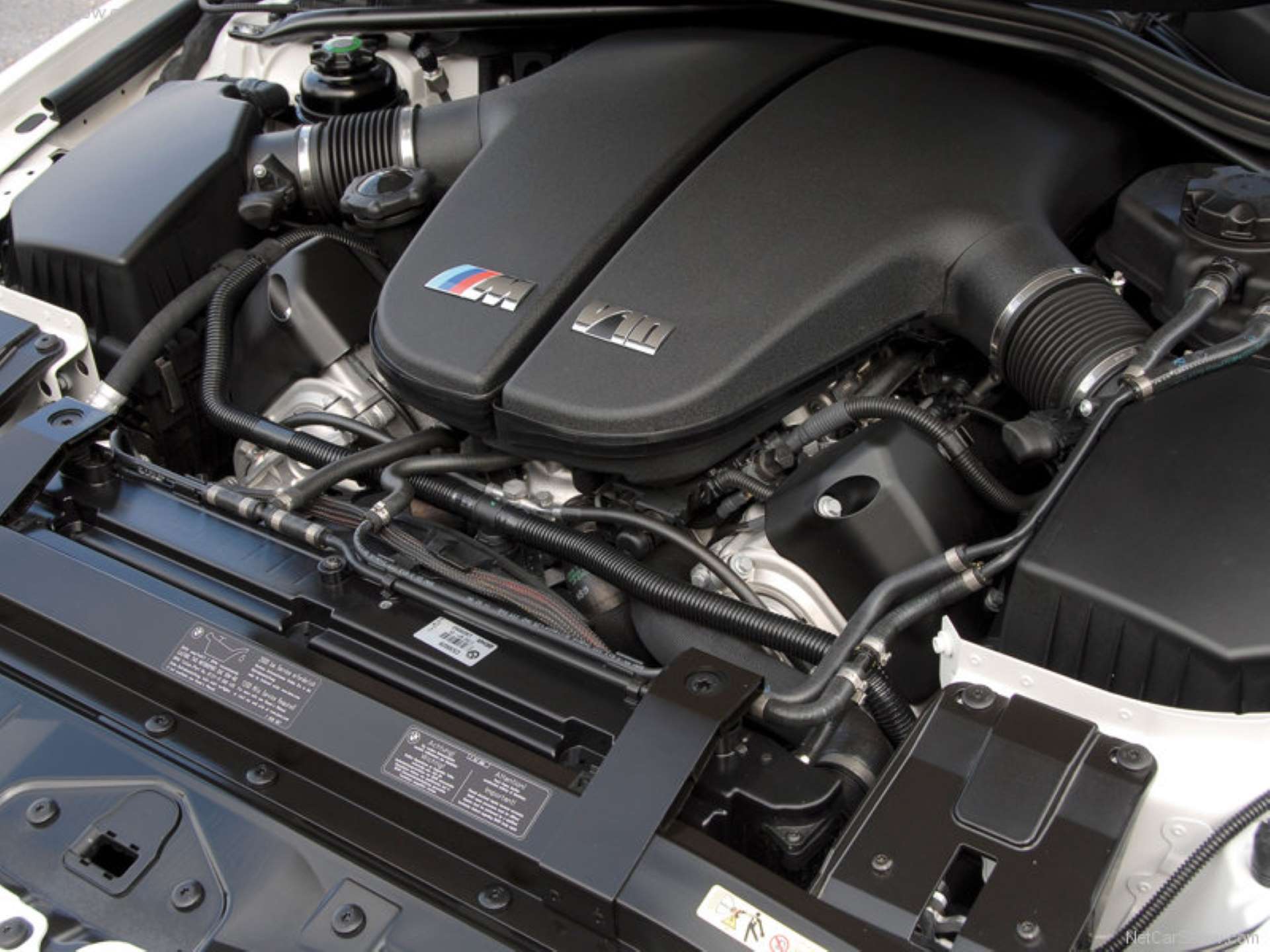
The rest of the M5 was generally viewed as sublime. The classic M division characteristics were present, as were a handful of new options designed for more adjustability. The SMG-III transmission had six shift settings, the M-Variable rear differential had three settings, and the suspension had two. It was to be the best one yet, an instant future classic. Fifteen years later, the S85 M cars are arguably classics, but not all for the best reasons. The snarling V10 quickly became a time bomb, with the early cars suffering from some catastrophic issues.
Both the S85 V10 and the S65 V8 were bitten by their connecting rod bearings being too weak. Owners regularly spun the bearings and sent metal bits throughout the oiling system. In a best-case scenario, the engine was ok and the rod bearings could be replaced to the tune of over $10,000 at the dealership. Worst-case scenario, a new engine was required. In both cases, the front subframe and suspension required removal.
Alongside the bearings were the VANOS pumps and high-pressure feed lines, failing regularly. Both VANOS-related problems are easier to fix than bad rod bearings, but are still very labor and money-intensive. Other smaller bits like VANOS solenoids, throttle actuators, and thermostats became the cheaper common failures. That’s relative, though, as the actuators are over $650 apiece, and there are two of them.
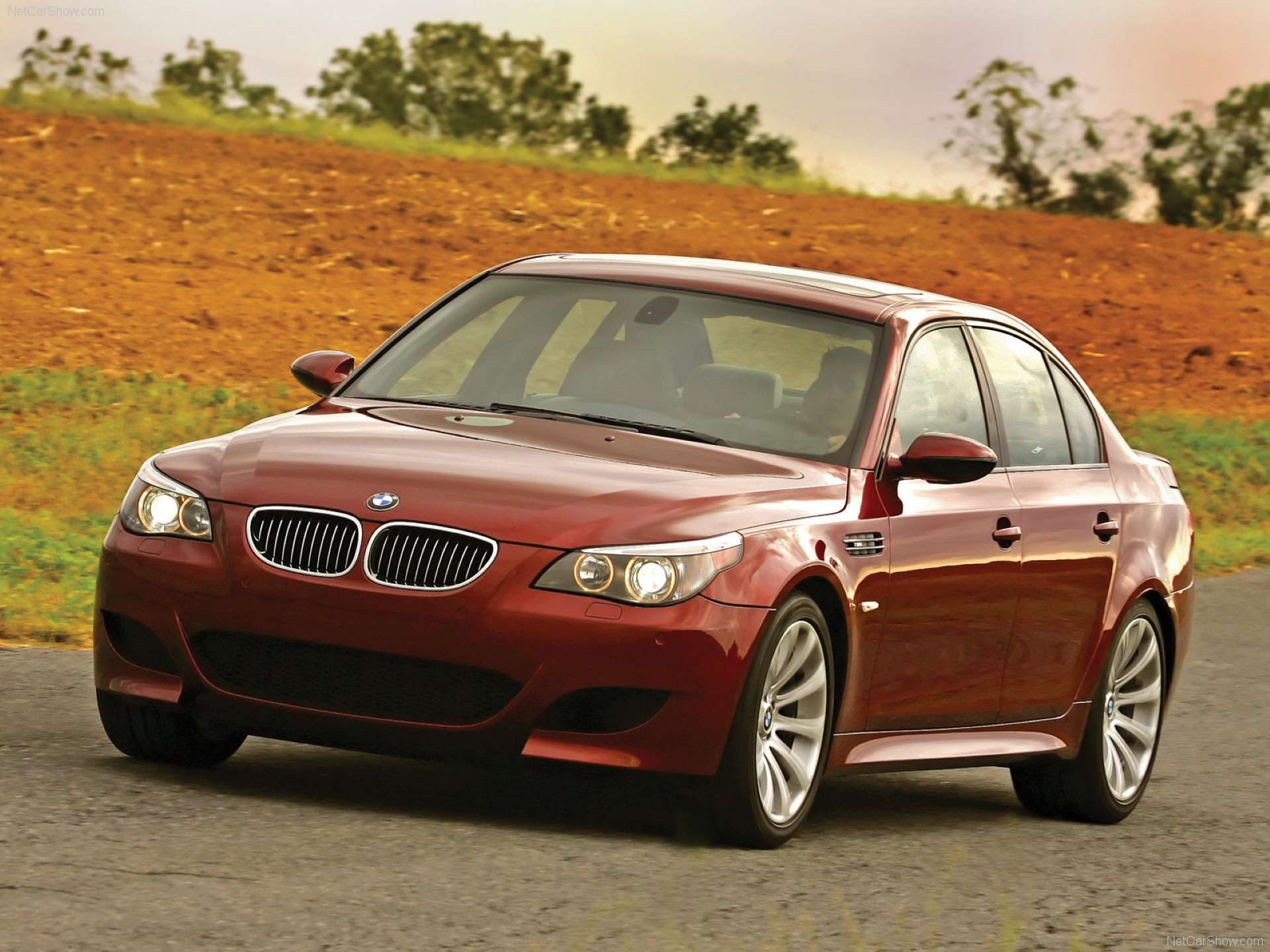
So a temperamental engine in an otherwise solid package? Not quite. The SMG-III transmission fitted to the vast majority of M5s and M6s was about as fault-free as the engine. It was a technologically advanced transmission for the day, but it was ultimately a flawed system, hence the switch to the dual-clutch gearboxes. The SMG’s complex hydraulic systems let it down everywhere with pump failures, pump motor failures from debris, and pump accumulator failures affecting nearly every gearbox. Then there were the mechanical and electronic failures from the clutch release bearings, PLCD sensor, and the poorly heat-shielded wiring. None of the components is inexpensive, and a majority of the fixes necessitate opening the gearbox.
There’s more than that, too, with things like valve cover gasket and differential seal gaskets leaking and the odd worn suspension bushing, but I’m sure you get the point. Do all of them suffer from these issues? No, they don’t. The problems they have don’t carry a guaranteed failure rate, even though they’re pretty standard. Look around, and you’ll find plenty of owners who are proud to be breaking the stigma of the E60’s unreliability. There’s also a healthy aftermarket scene and plenty of informative forums that offer improved parts and years of insight on how to repair and maintain the finicky models. Like any performance car, the S85-equipped M cars are a risk, albeit a debt-inducing one, so proceed with great caution when ownership thoughts begin to creep in.
Volkswagen Passat W8
Volkswagens have always been for the masses, but that hasn’t stopped the automaker from attempting to change. In the early ’00s, VW introduced two new models to its lineup in a move projected to boost sales in segments never before filled with a Volkswagen. At the top of the range was the Phaeton, a full-sized sedan sharing the seats, suspension, and W12 engine with the Bentley Continental, albeit sans turbochargers. The other was a then four-year-old Passat featuring the new W8 engine. The unique engine in an established chassis could’ve been a hit, but it was hit with recalls along the way, becoming infamously unreliable in the VW community.
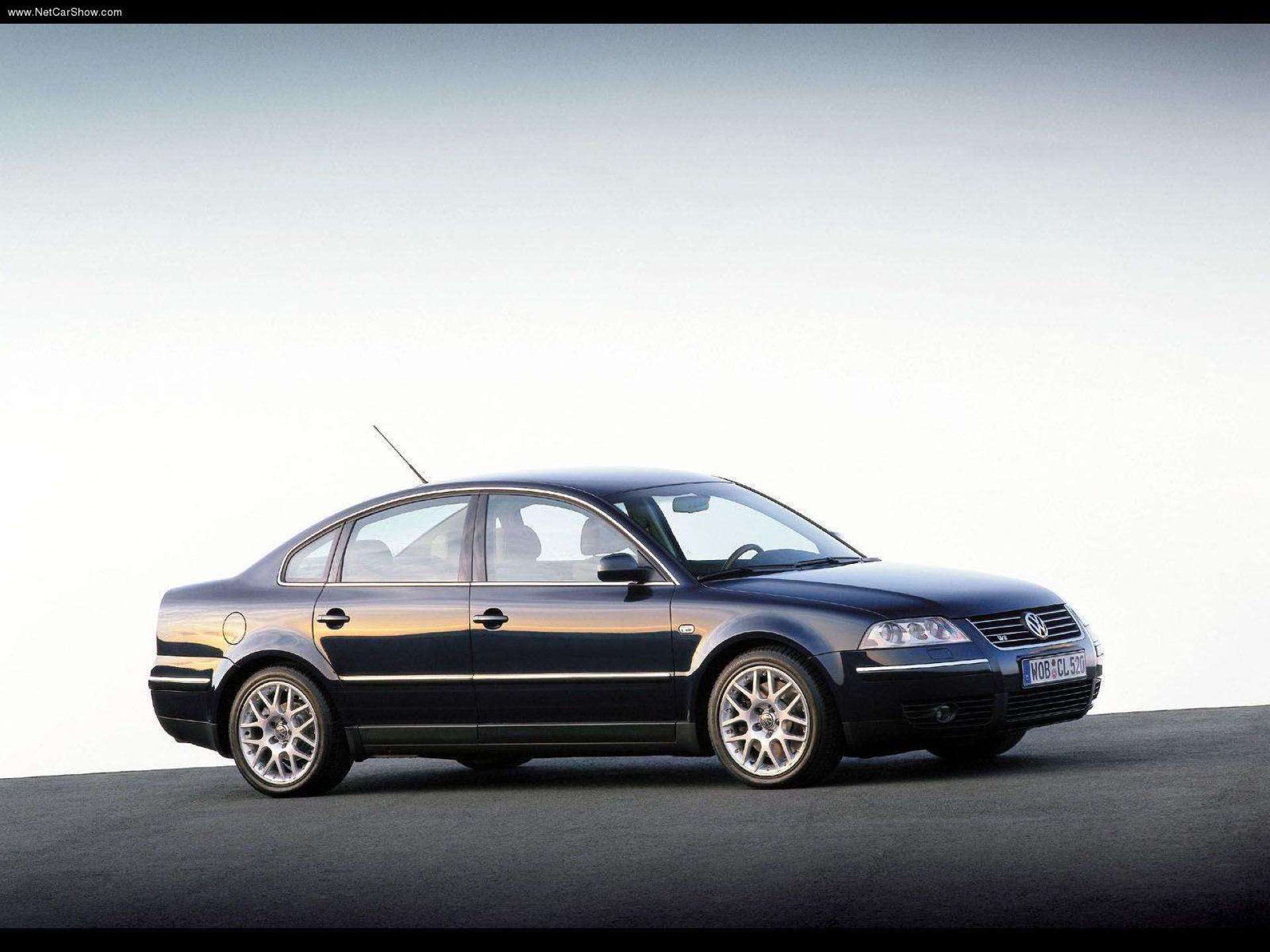
The Passat’s party piece is the W8 engine. VW had never put an eight-cylinder in one of its cars before, but dove straight into the deep end when it did. The W8 is assembled like a V8, except each bank is a narrow-angle VR cylinder layout joined at the crankshaft. It’s a funky, unique design that’s shorter than a traditional V8 and fits under the hood of the Passat. With 270 horsepower and 273 lb-ft of torque, the 4.0-liter W8 was no slouch and could push the big sedan to 60 mph nearly as quickly as the Mustang GT of the day. Back in 2002, a buyer could option their W8 sedan or wagon with a six-speed manual, too, which sent its power down through VW’s 4Motion all-wheel-drive system. On paper, it’s the perfect daily-driver recipe for many enthusiasts.
The W8, while exciting and new, had more than a handful of issues that have since plagued nearly every owner, chief among which is the failure rate and severity of its camshaft adjuster solenoids. Fitted before them in their oil passages are small screens designed to keep debris out. But instead, they break up and become that very debris. All of that metal clogs oil passages and damages bearings, often causing extensive servicing if not an entirely new engine. But hey, on the bright side, the engine, subframe, and transmission removal required for cam adjuster work allowed Tiptronic-automatic-equipped W8 owners to replace their torque converter, another almost guaranteed failure.
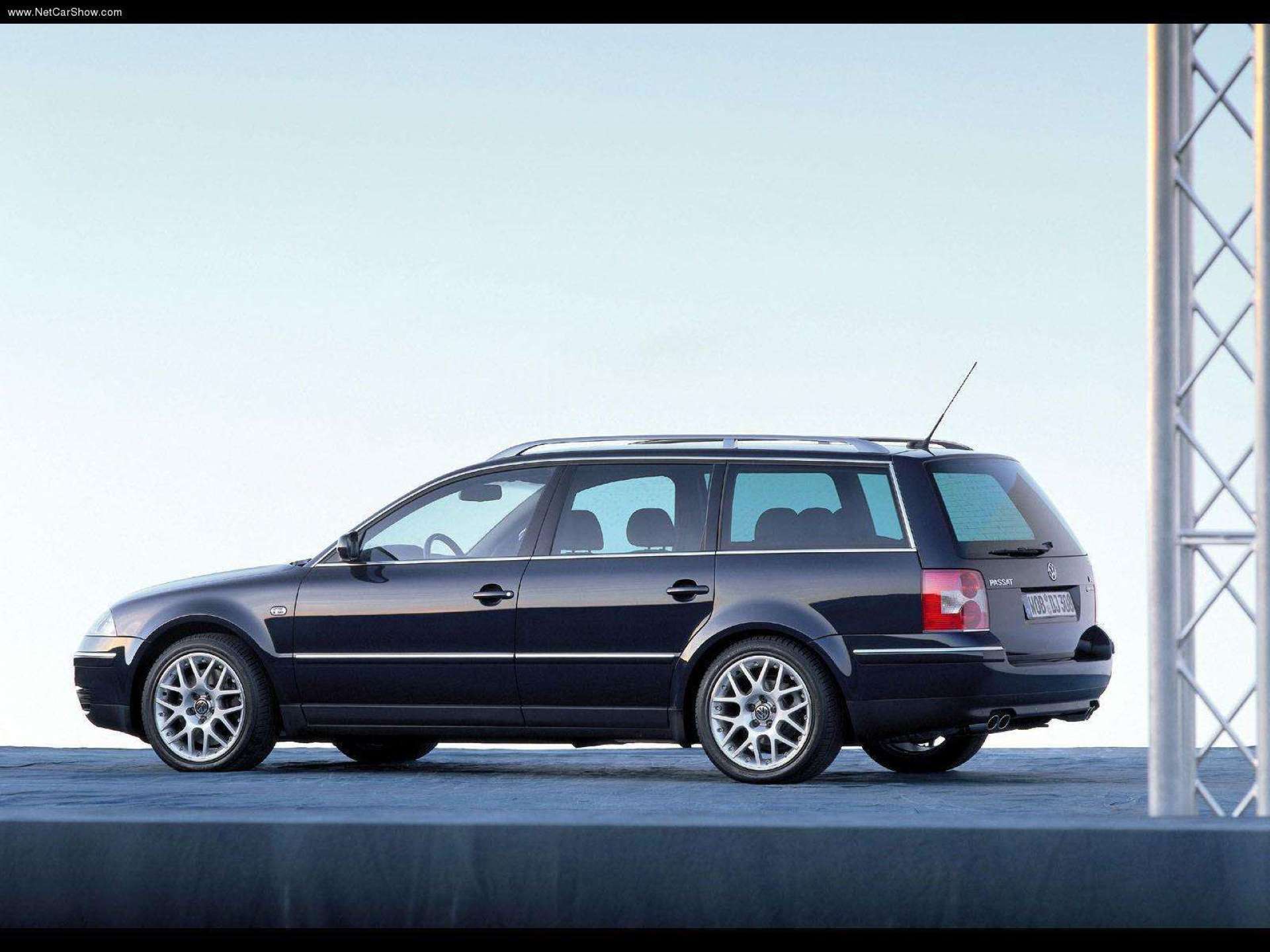
Take the W8 out of the equation, and there’s still a handful of B5/5.5-related issues. Running out of gas is never fun, and this generation Passat with 4Motion is known for having a faulty sender. If the senders aren’t causing fuel issues, it’s a failed fuel pump control module. Those sit at the bottom of the spare tire well, where water is known to collect, frying the W8-exclusive module. Do you want to be warm while you drive your all-wheel-drive VW in the cold? Go for it, but don’t put the seat heaters on too high, or they’ll burn a hole through the seat. On top of that are the faulty brake light switches that prevent you from shifting out of park and frequent CV boot rips.
But don’t take this as a reason not to buy the car, it’s just an explanation of what you’d be getting into. The W8 is as unique as it gets, and offers a wonderful noise to balance out its foibles. The B5 chassis it’s wrapped in has aged beautifully, featuring understated but handsome lines, standard bi-xenon headlights, and exclusive wheels. As the top-range Passat, VW clad the interior in Nappa leather with wood and chrome trim everywhere. For the money, which is well under $10,000, in case you were wondering, few will come close to its uniqueness and cool factor. Just be sure you can take on the challenge.
Volkswagen Phaeton W12
VW was swinging for the fences in the early 2000s, thanks to Ferdinand Piech with the Passat W8 and Phaeton W12. Their upscale, upmarket push would be championed by an all-new model developed in tandem with the Bentley Continental and Flying Spur, sharing many parts and systems. It was as big as a Mercedes S-class and meant to rival them, too. But a lack of marketing and poor judgment of its segment meant the Phaeton never sold anywhere near what Volkswagen hoped for. However, that might be a good thing, as the Phaeton has become synonymous with challenging ownership.
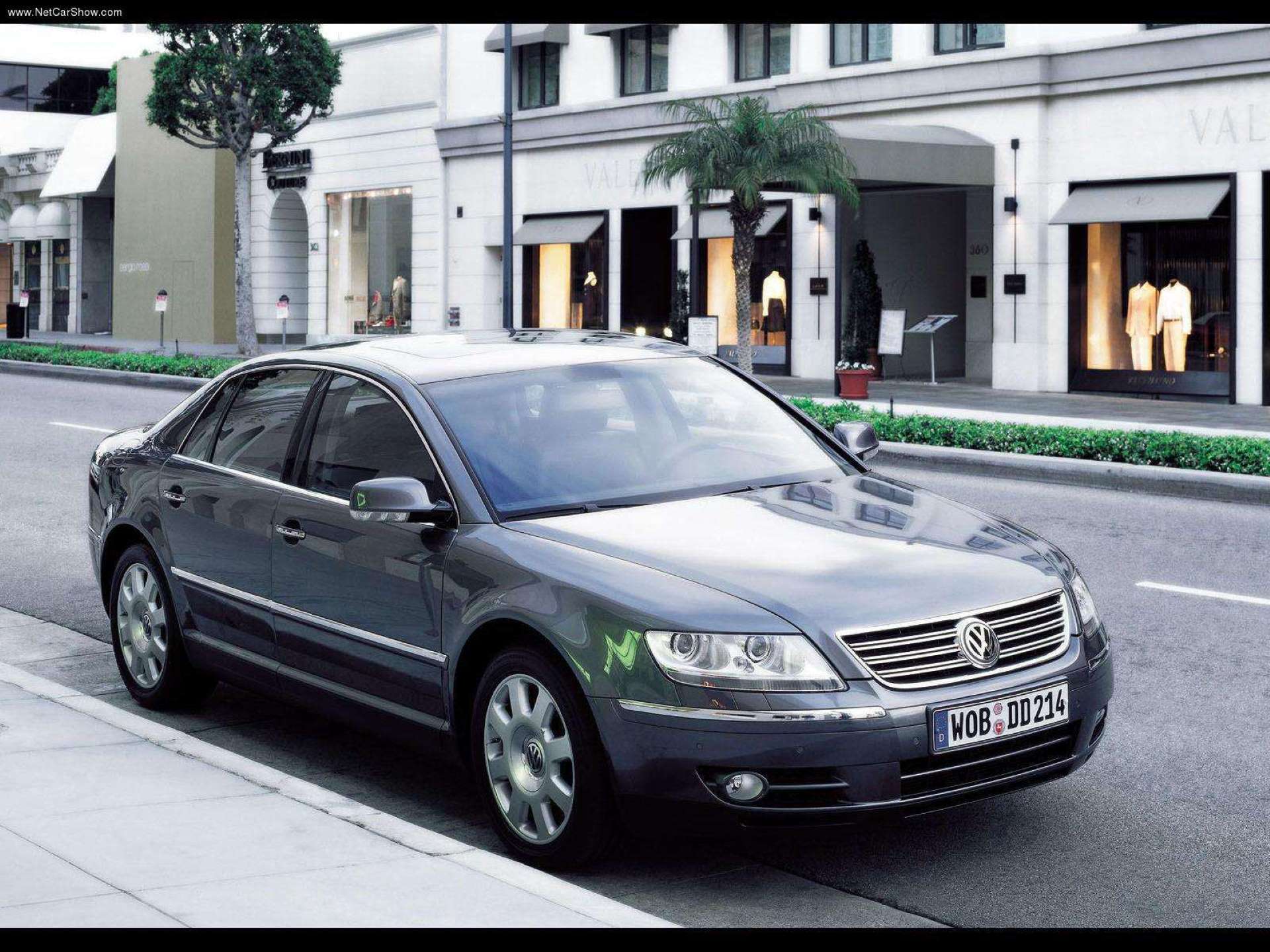
The W12’s development spanned over ten years before entering service. It first appeared in an Audi concept before landing in the VW Syncro, Roadster, and Nardo concepts between 1997 and 2001. Two examples of that final concept were modified for 24-hour endurance speed records, which were broken on each attempt made. It was well developed, and the naturally aspirated, 6.0-liter unit that sat in the Phaeton was a strong performer. With either 420 or 444 hp on tap, depending on the model year, the Phaeton could at least keep up with its more established rivals in a straight line. The standard all-wheel-drive system ensured the flagship was capable in poor weather conditions, too. All good features in a car that no one was looking for.
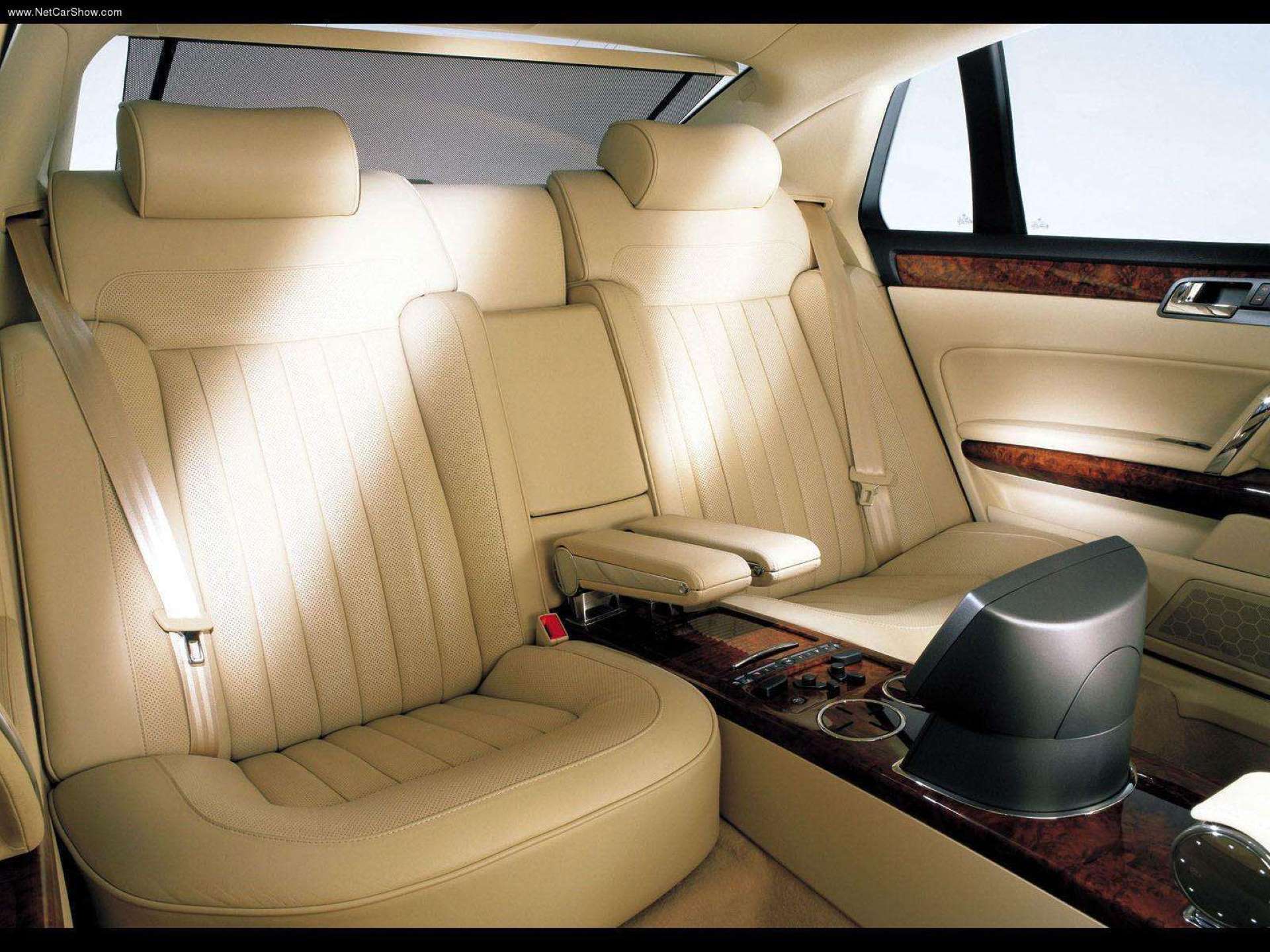
It got exponentially fancier inside the cabin. Hidden vents and a four-zone climate control system kept each occupant comfortable, but so did the heated, cooled, and massaging front and rear seats it shared with Bentley. Touch surfaces were leather, wood, or the nicest plastics VW had to offer. Each window had its own defogger vent, and the rear seats received retracting power headrests automatically. Even the glass was upscale—the side windows were all double-pane insulated to keep out road noise. All of that interior comfort was capped off by the air suspension shared with Bentley.
The near six-figure price tag and Volkswagen badge were enough to keep buyers away from the Phaeton when new, and the subsequent repair costs and time spent in dealer service centers have kept away second-hand ones. The Phaeton’s technologically advanced systems and incredible luxury looked great on paper, but owners quickly learned that they weren’t always the easiest to live with. Its complex electrical system used more than a handful of different computers to monitor every part of the car. If they didn’t all see eye to eye, codes would be thrown, rough running was possible, and the vehicle might not have started. Transmission issues became fairly commonplace, too, with slipping in one of the first three gears being the main complication. I know that doesn’t sound like much, but the faults were only half of the problem.
Each Volkswagen dealership was required to have a Phaeton-trained technician, though that didn’t help in many cases. The kinds of issues many Phaeton owners dealt with regularly had dealerships in touch with the VW factory for assistance. Cars could be stuck in service for weeks at a time while technicians and VW threw parts at them in hopes of a cure. Making matters worse was abysmal parts support, which hasn’t gotten any better in recent years. Things like A/C vent motors, window regulators, massaging seat motors, and sunroof motors are regular sticking points for older cars, and their Bentley connections haven’t made them affordable. The most serious Phaeton owners in America these days own multiple parts cars waiting to be pulled apart, as failures of modules, motors, and sensors are just that common.
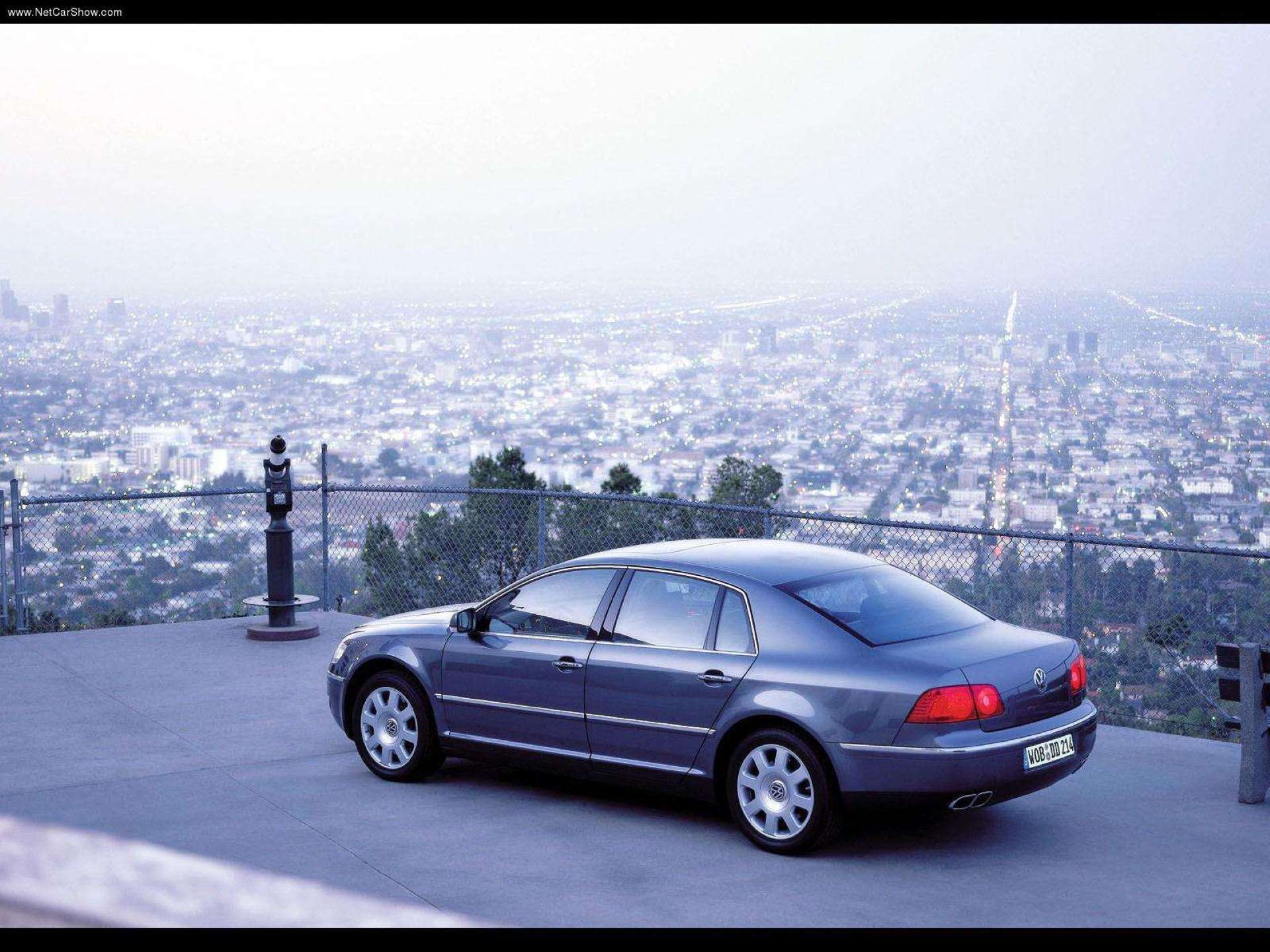
Even with the bank account-crushing running costs and general unreliability, they have a cult following. When functioning correctly, they’re as refined as any luxury sedan of the day, if not more so. The W12 is, relatively speaking, one of the most reliable parts of the car, and it isn’t uncommon for them to make it well beyond 100,000 miles with the proper care and maintenance. As a whole, the Phaeton would be an incredible value for money if modern and proven electronics could replace the old stuff. Someone get working on that.
Having some time to think about it, these models are reliable, but just not in any beneficial way, and that’s OK! Just because they cause us financial and emotional pain doesn’t mean they shouldn’t be celebrated. Each of the models on this list is unique, whether it's within their own brand or generally. With funky drivetrains and luxurious complexity, they deserve a bit of love. Not too much, though, or you’ll likely find yourself stranded and moneyless. As always, subscribe to our YouTube channel and follow along on the DIY Blog for more daily content.