- 10/27/2025
- 13 Min Read
- By: Christian Schaefer
Can You Beat The BMW G01 X3? Finding Out Which European Compact Luxury SUV Offers The Most Complete Package

BMW’s G01 X3 is the enthusiast favorite. It has the right engines, an excellent transmission, killer styling, and it’s widely available. However, the compact luxury SUV market is one of the most competitive in the automotive world. Solid options from other Euro manufacturers, such as Audi, Porsche, and Mercedes, offer slightly different takes on the segment, each bringing a unique spin to the group. With each now going on a decade old, prices have dropped, but competition has remained. Is the BMW really the best for the money?
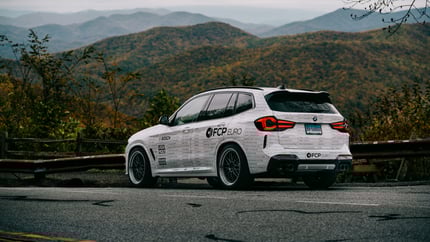
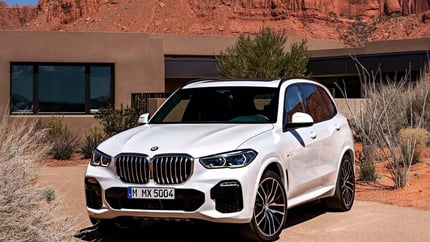
The BMW X3 (G01)
The original X3 was a trend setter, one of the earliest compact SUVs designed explicitly for road use with car-like handling. Since then, it's evolved into its best version by sticking to the formula BMW crafted twenty years ago. Take your best technology, mix it with the same suspension design ethos and near identical drivetrains as their smaller sport sedans, and profit.
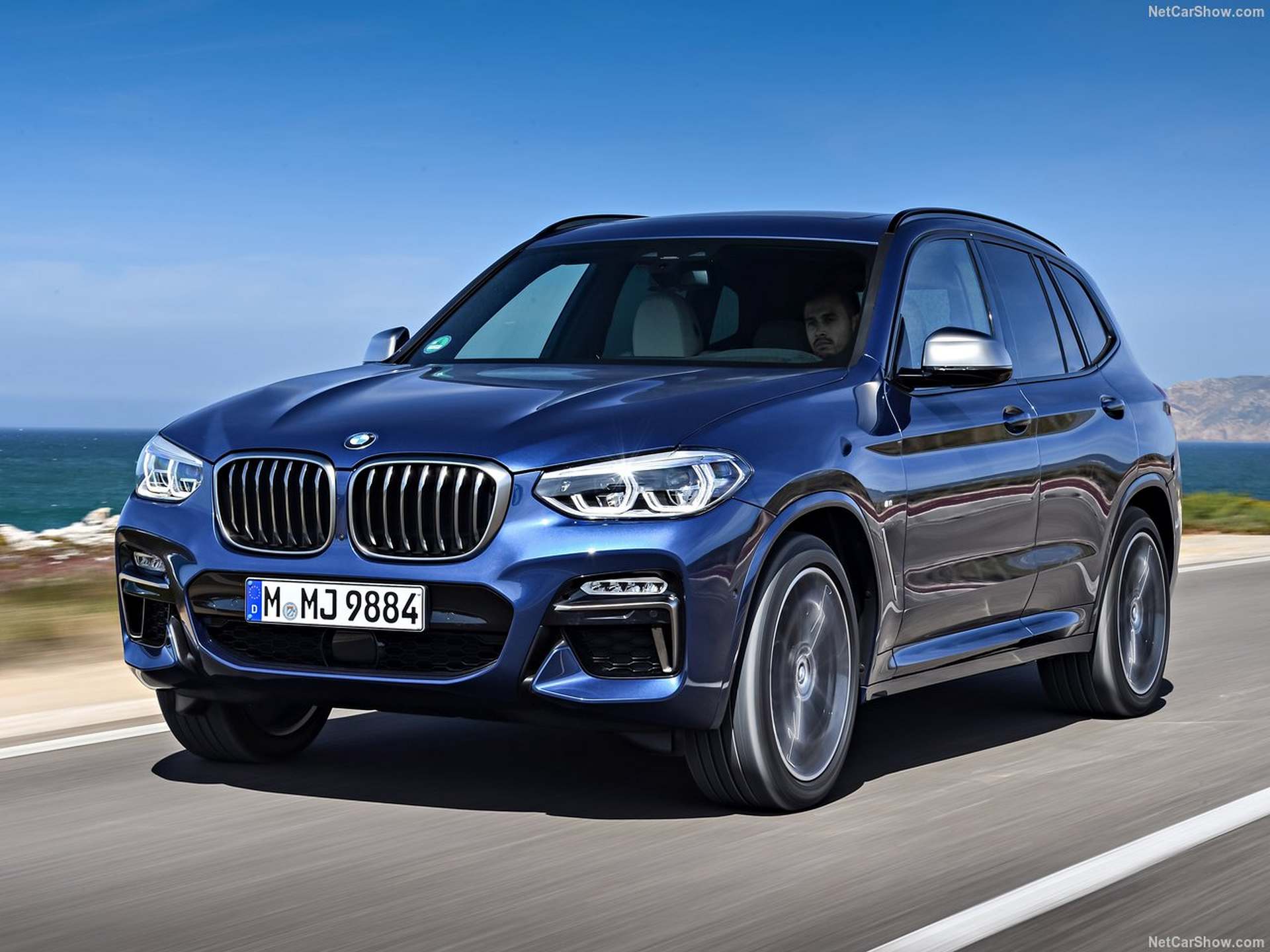
The G01, the third-generation X3 offered between 2018 and 2024, is now all over the second-hand market. A quick search on your favorite used car site should yield plenty of results regardless of your budget. What exactly you can get is dependent on how much you have, but the G01 offers a good variety of choices; you can have four or six cylinders, rear or all-wheel drive, luxury-oriented or sport, and one of a handful of exterior packages that narrow down trim color, wheels, and paint options. Whichever you settle on carries some of the best modern BMW engineering, so be confident in what you’re buying, as long as the service history looks good.
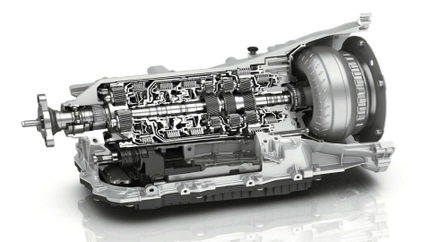
The xDrive30i (later just 30i) and M40i are the two most common trims, although there is an M model for those who need performance and space. The former rocks BMW’s B48 (or B46 if SULEV) 2.0L turbocharged inline-four, while the higher-spec trim features the B58, a turbocharged 3.0L inline-six cylinder. They build on the legacy of the first series of turbocharged BMW engines for its non-M models, and improve on them in every conceivable way. Common issues are far fewer than ever, and major catastrophic mechanical failures are almost nonexistent when run at factory power levels. That said, both engines are highly responsive to tuning and will retain a lot of that factory reliability when stuck with a respectful tune and a few bolt-ons. Behind them is a ZF 8HP, though only the 30i models are available in a rear-wheel drive configuration.
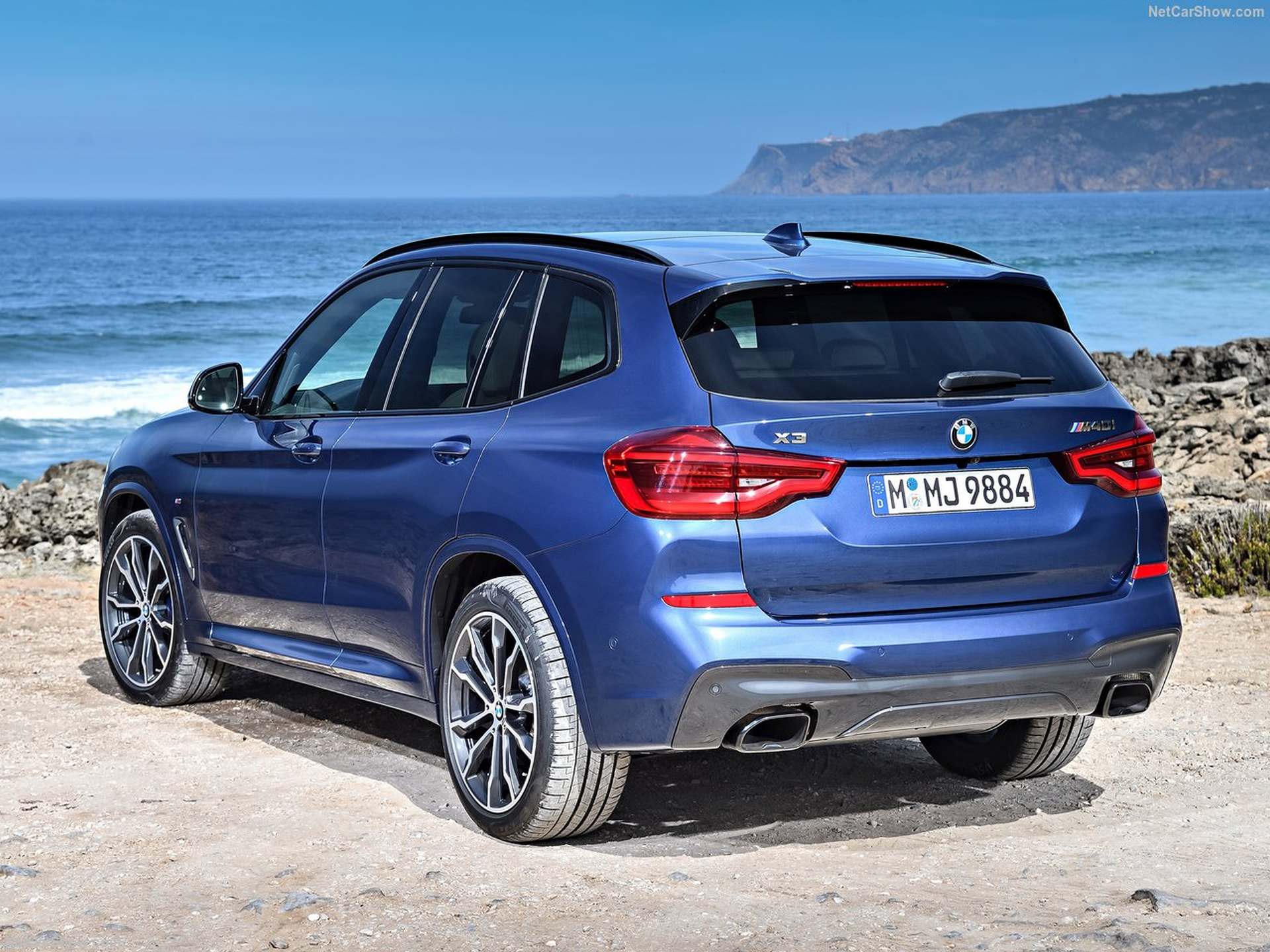
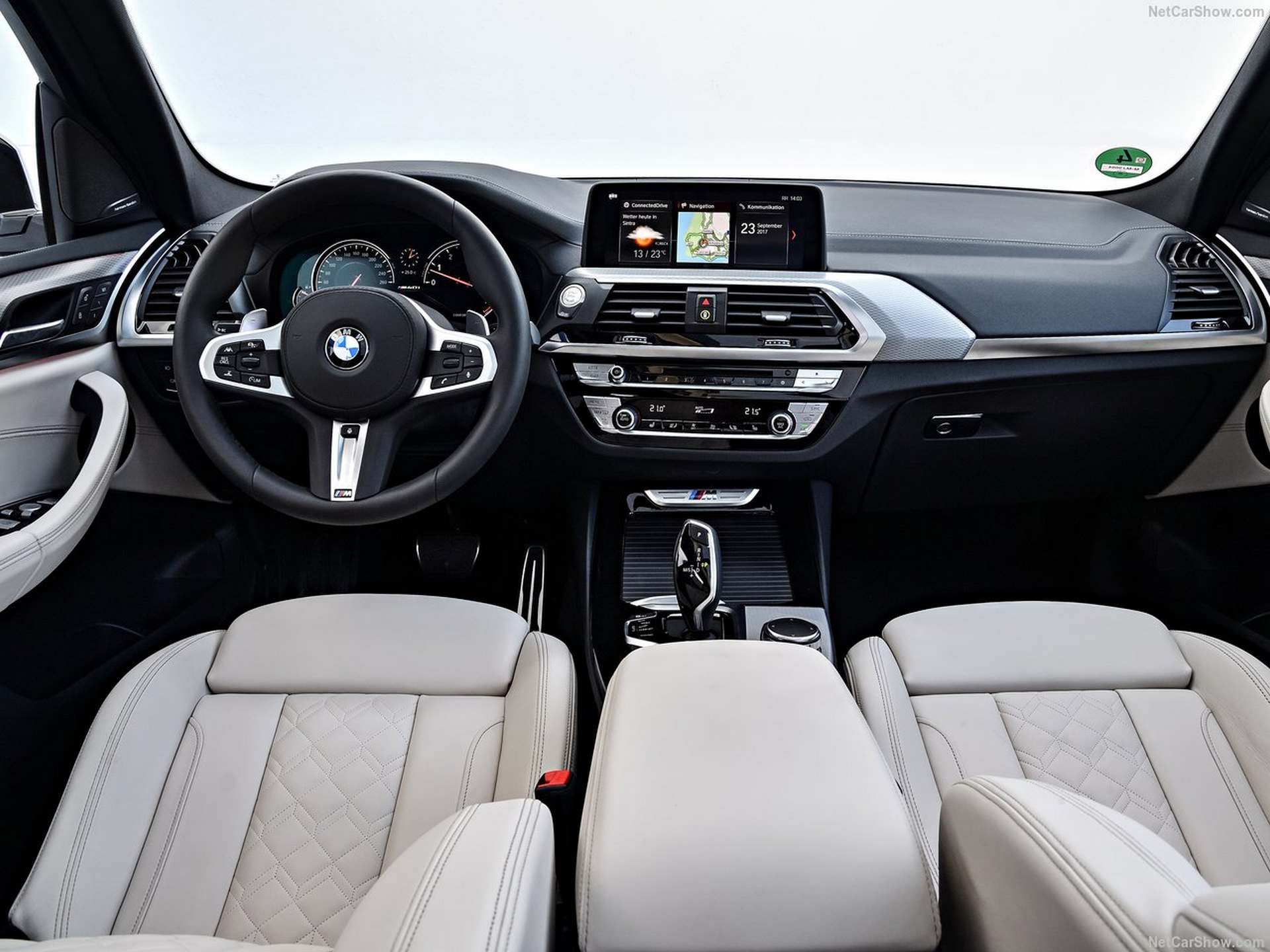
While previous X3s were built around shared parts, the G01 is built on Cluster Architecture (CLAR), BMW’s more recent modular platform, taking drivetrain bits from the G20 3-series, suspension from the G30 5-series, and interior switches from the G12 7-series to form this readily available SUV. Interior space is plentiful, and styling is lovely but reserved compared to some competitors. Technology is on full display, even in the early models, which feature iDrive 6 through a standard 6.5” screen or an optional 10.3” screen and a digital instrument cluster. The 10.3” touch-screen infotainment display became standard with the LCI; a larger 12.3” display became the option. Larger option packages included a Premium package, M Sport, and M Sport Pro. Those included features like Parking Assistant Plus, a panoramic moonroof, shadowline trim, and adaptive Dynamic Damper Control sport suspension.
BMW mildly updated the X3 in 2020. The change included a switch to iDrive 7 and the next generation of B48 and B58, commonly called the “TU.” However, the traditional LCI update came in 2022, bringing new bumper covers with slightly more angular features, new headlights, the beloved “energy-sword taillights,” and a new 48V mild-hybrid system for M40i models. With the LCI update came the discontinuation of the short-lived hybrid xDrive30e trim, essentially to make room for the 48V mild-hybrid system.
As expected, the more recent variants still command a hefty premium. However, the earlier G01 X3 models have fallen relatively sharply in price. High-mileage 30i models are hovering in the very-low five-figure range, while those with off-lease mileage aren’t too much more. M40i models are fairly sought after for their B58, but even they can be had within most budgets if you don’t mind some miles.
But what else is there? Has BMW’s ability to put out a vehicle that satisfies luxury, performance, and tuner-focused buyers finally been met, or are the Bavarians once again at the top of the heap?
The Porsche Macan (95B.1 & 95B.2)
In life, you often get what you pay for, and in Porsche’s case, you usually pay much more. However, even their largely Audi-based compact SUV, the Macan, retains the familiar Porsche engineering feel. It’s often considered the sportiest of the compact luxury SUV space, but does that make it a fierce competitor in the face of rivals who lean more toward comfort to attract a larger owner base?
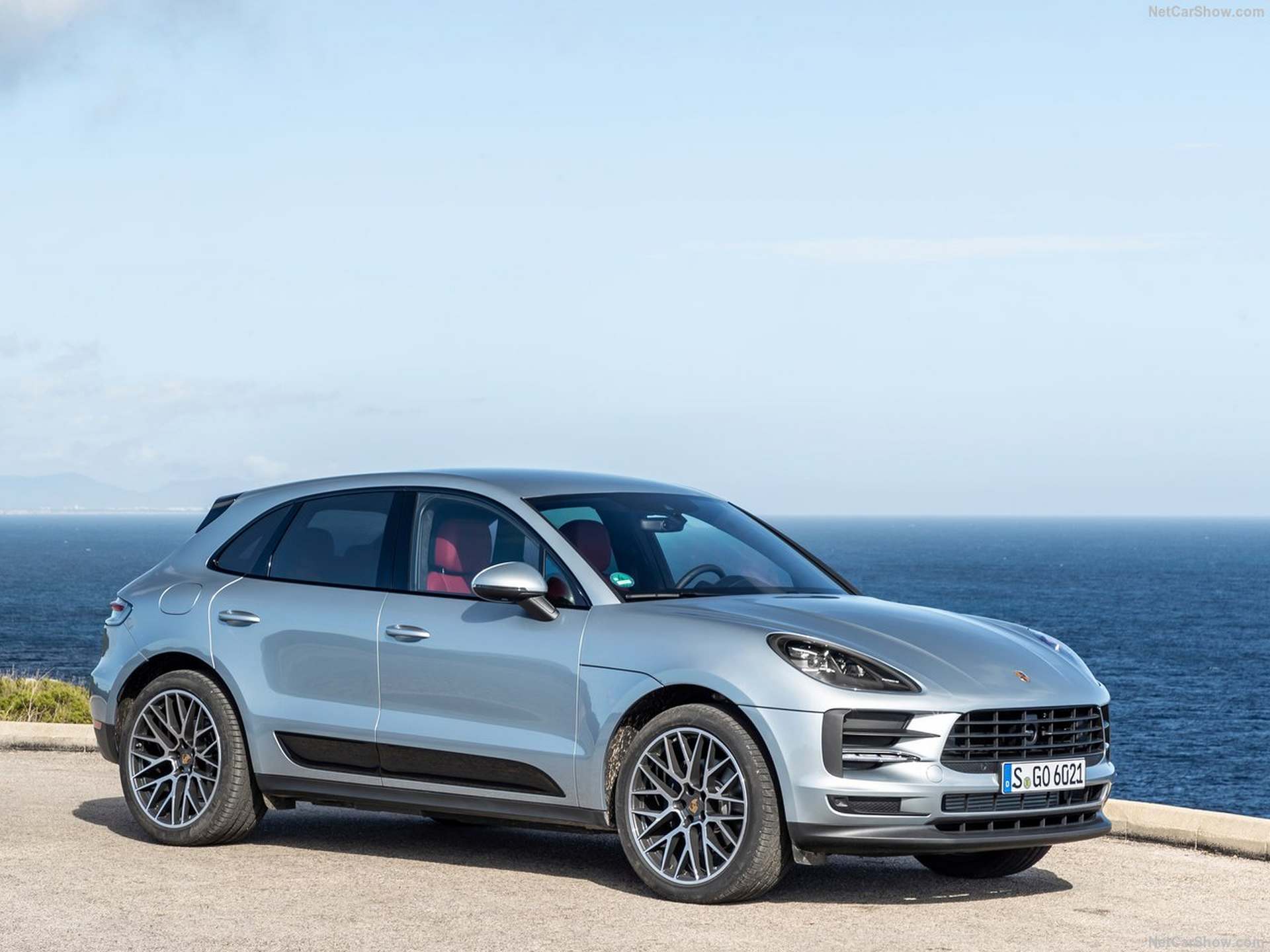
The Macan arrived in 2015, much to the chagrin of Porsche faithful, but it attracted buyers in droves and has since become Porsche’s hottest seller. It arrived with a chassis tied to VAG’s MLB platform, heavily tuned by Porsche engineers, and then stuffed with a pair of new twin-turbocharged V6s. The more common S model received the 3.0L V6 while the Turbo featured a larger 3.6L version; the entry-level Macan debuted in 2017 with a variant of VW’s killer EA888 Gen.3 2.0L turbocharged four-cylinder. Power figures would rise over the years, but the three engines remained in the Macan until 2022, when the EA839 2.9L twin-turbocharged V6 took over. Behind them was a seven-speed PDK and a transfer case, putting the power down to all four wheels.
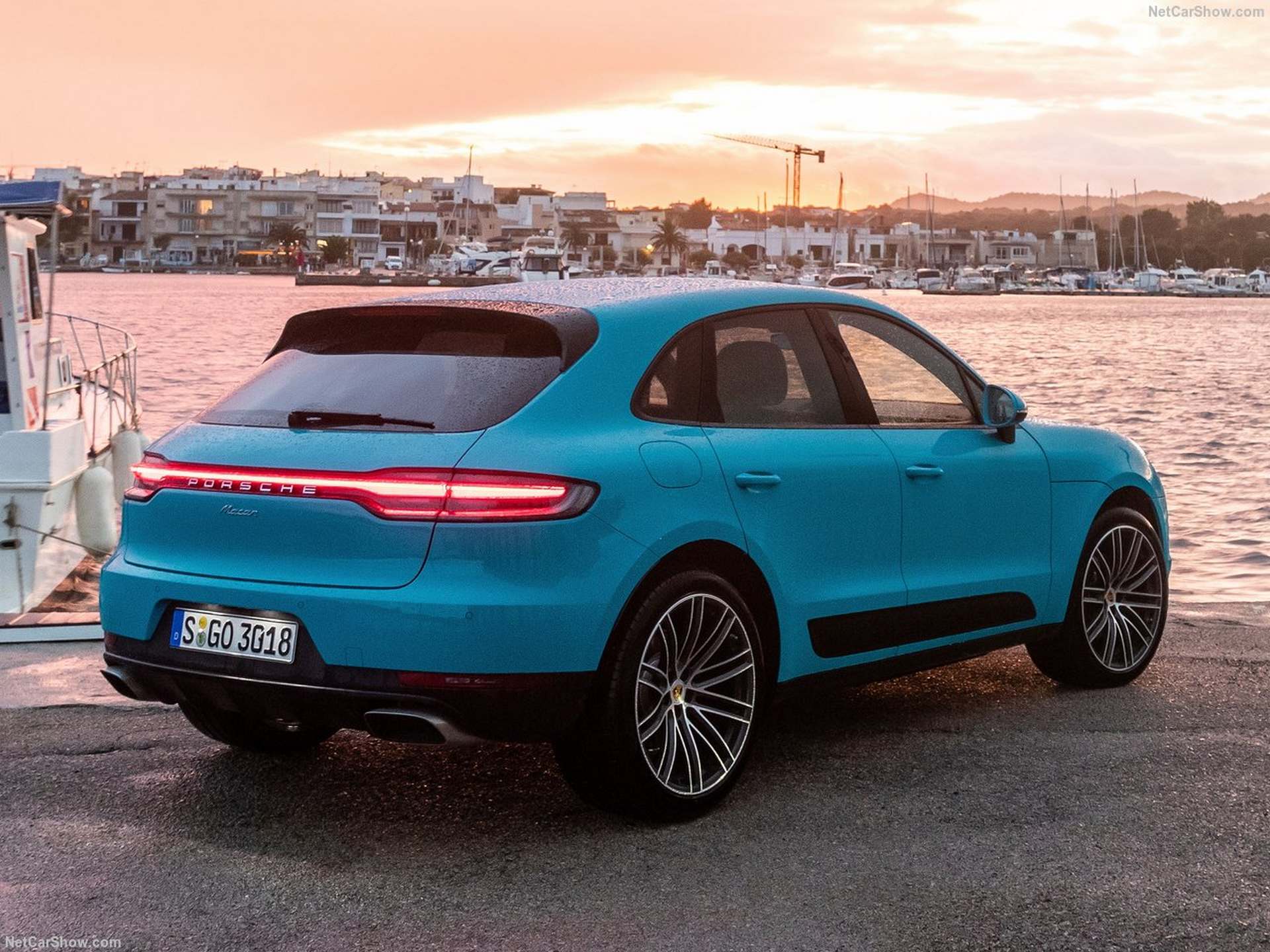
On the road, the Porsche engineering shines through in typical form. While the Macan shares many of its suspension components with the Q5 and other B8-platform Audi products, Porsche has made their small SUV agile and responsive in a way few competitors have come close to matching. Some have compared it to sport sedans, while others mentioned hot-hatches, but the sentiment is always the same: the Macan is the performance benchmark for the segment. In most cases, the journalists who’ve written those words have had PASM (adaptive suspension) or PASM Air Suspension at their disposal, but even the basic passive suspension should deliver similar sporting qualities.
Moving to the cabin, the Macan offers luxury similar to many of the vehicles in the segment, but it has nothing that stands head and shoulders above the rest. Leather seating surfaces were standard, but placed anywhere else, it was an option. The center console is very button-heavy, and a lack of options appears as a load of switch blanks. Infotainment depends on the year, with the more advanced systems available in the facelifted 2019-2021 models when Apple CarPlay was standard. Luxury features like heated rear seats, 18-way adjustable front seats, and two-tone leather with deviated stitching were specced by many. However, the Macan falls far short in utility thanks to a lack of trunk space relative to other small SUVs.
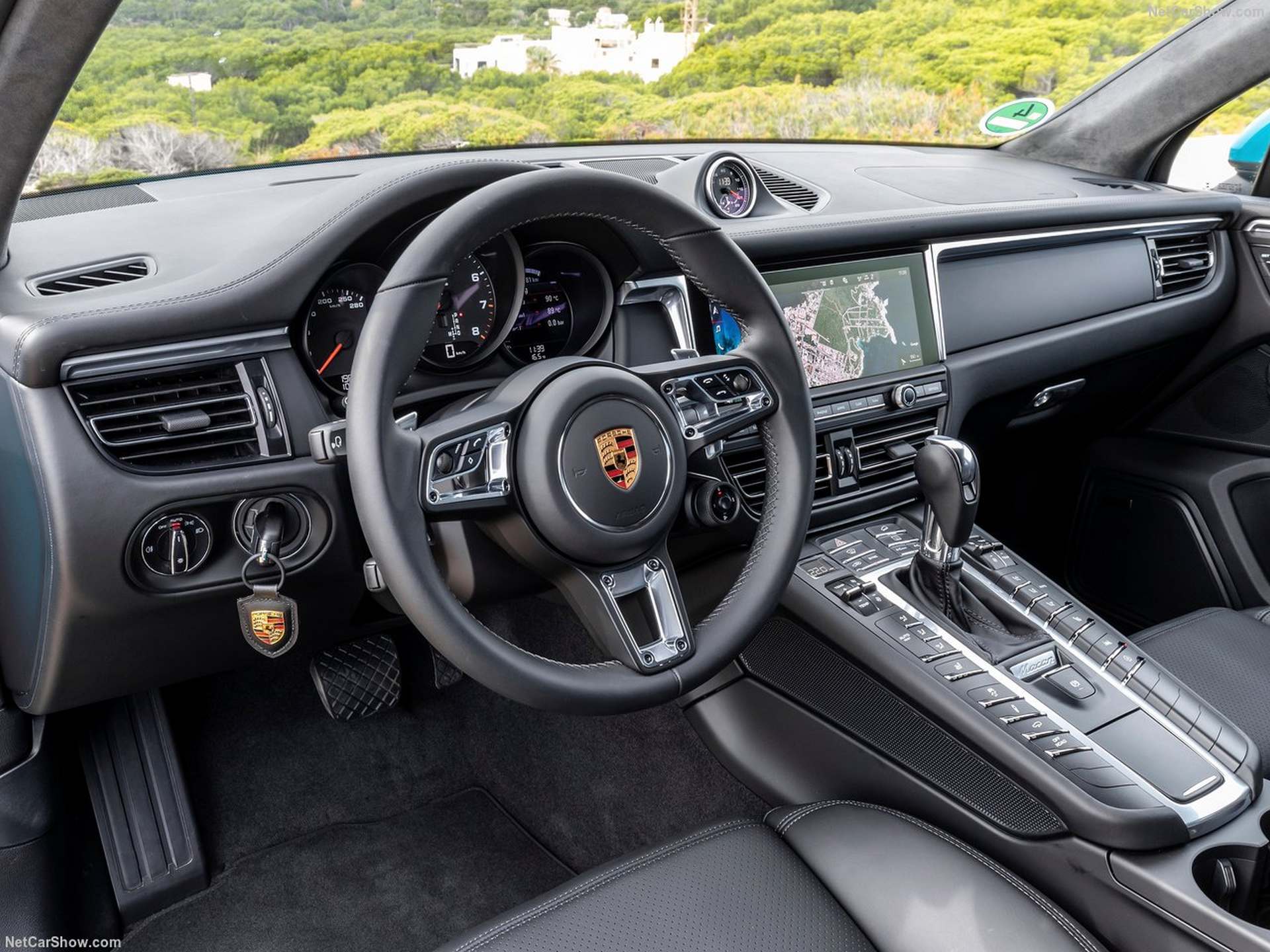
The Macan can be a great daily driver if you can get around the minimal storage, interesting exterior styling, and higher entry cost. All trims, whether a base, an S, GTS, or Turbo, are widely available in the $30,000 to $40,000 range. Shopping within that range should give you a wide range of specifications and intense competition in sales; don’t be afraid to use that to your advantage.
BMW G01 X3 M40i | Porsche Macan S | |
| Engine Type | Turbocharged Inline-6 | Twin-Turbocharged V6 |
| Displacement | 3.0L (2998cc) | 3.0L (2997cc) |
| Horsepower | 382 | 348 |
| Torque | 365 lb-ft | 354 lb-ft |
| Transmission | 8-Speed Automatic (ZF) | 7-Speed PDK Dual-Clutch |
| 0-60 mph | 4.4 seconds | 4.9 seconds |
| MPG | 21/27/23 | 18/24/20 |
| Cargo Volume (Seats Up) | 28.7 cu. ft. | 17.6 cu. ft. |
| Curb Weight | 4317 lbs | 4350 lbs |
The Mercedes GLC (X253)
Mercedes’ small SUV has seen a few iterations over the years, but since 2016, the GLC has carried the mantle against competitors like the Q5 and X3. It’s distinctly different in its focus from those aforementioned competitors, and is classic Mercedes because of that. It’s comfortable, quiet, and full of tech designed to make your driving experience less stressful.
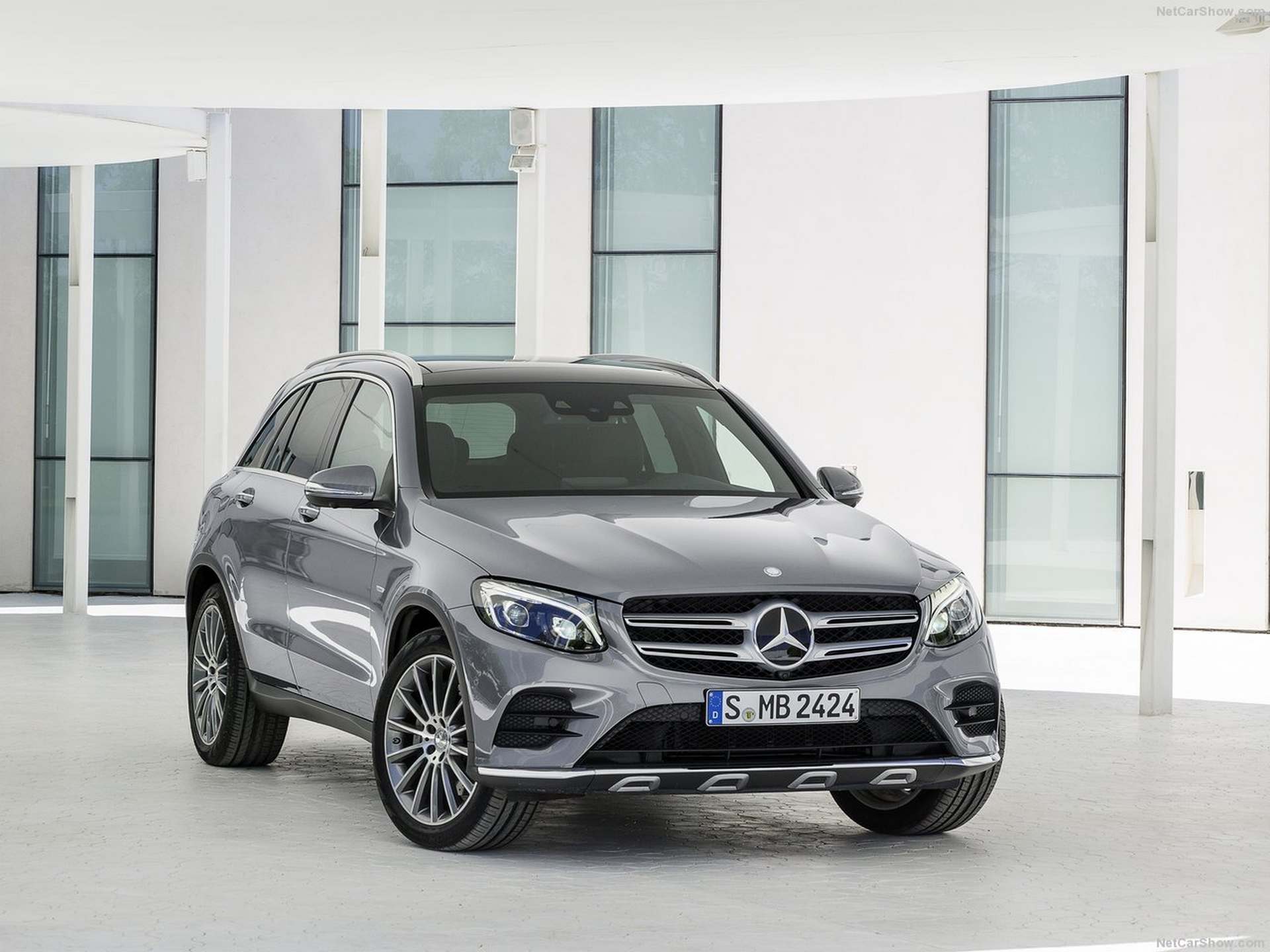
The X253 GLC features an almost identical lineup to BMW’s G01 X3: there’s the entry-spec turbocharged four-cylinder, the mid-tier sporty-lite variant with a turbocharged six-cylinder, the top-spec, full-fat, all-out performance model, and a seldom-purchased hybrid model. Though beyond that, the GLC is all Mercedes. Rounder shapes and styling are blended with choice wood or carbon trim, brushed aluminum accents, and the upholstery of choice, creating an interior that wraps occupants in soft touchpoints and configurable ambient lighting. It’s a stark difference from the sea of hard plastics and Piano black trim in the X3, especially compared in person. The tech was better in higher trims, but plenty of highly-specced GLC 300s are out there. Bits like Burmerster audio and air suspension aren’t uncommon to find. The exterior is predictably bereft of much anything interesting, giving off a pleasant but understated appearance when not in AMG guise.
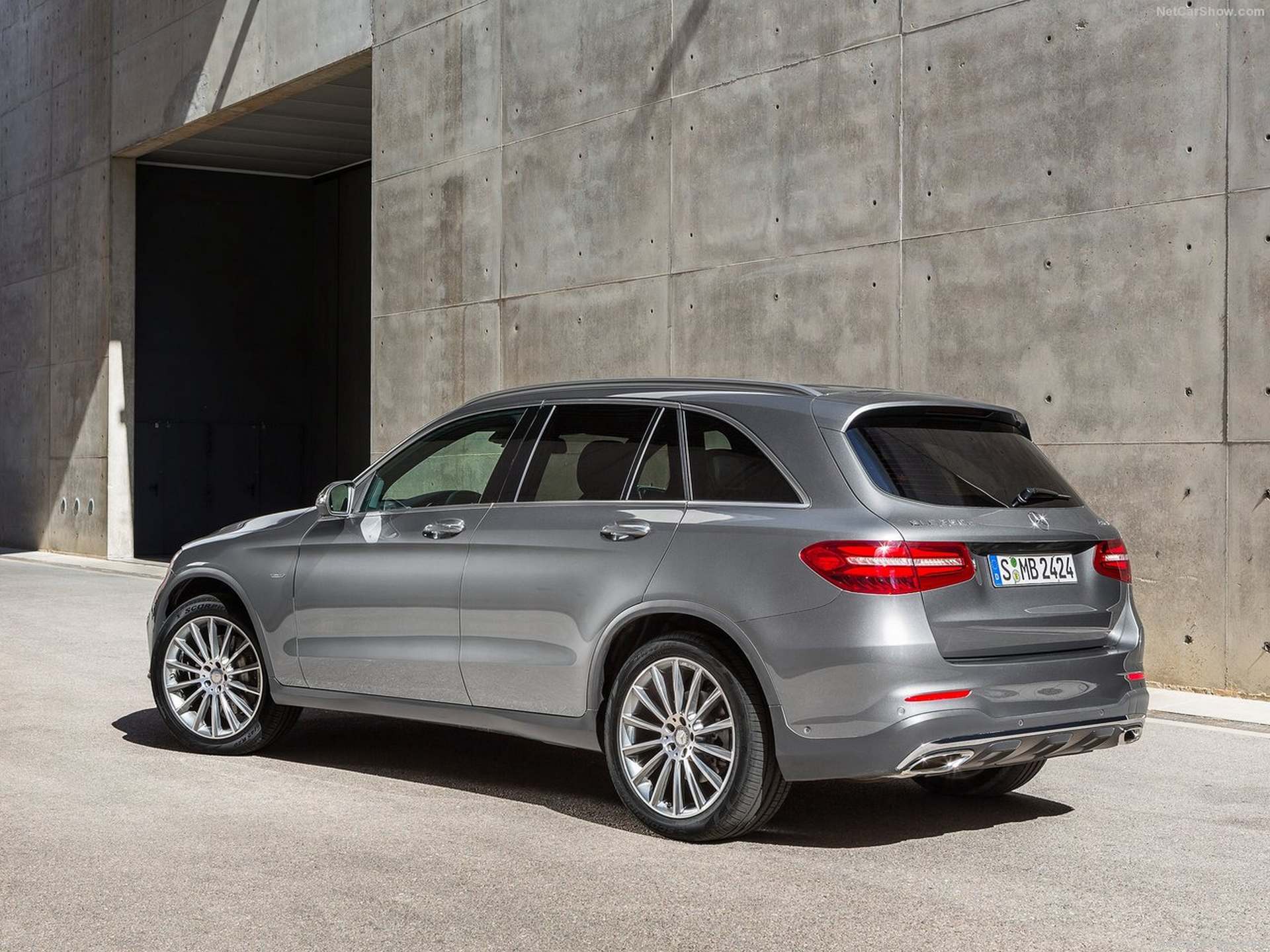
The AMG versions are plenty sporty, but journalists and owners alike have determined they are not as sharp as the G01. Still, that shouldn’t diminish how good they can be when outright performance isn’t the determining factor. The GLC 43 AMG’s turbocharged V6 is nothing to scoff at, and even if it is not as sharp through the bends, the accompanying interior appointments, exterior treatment, and other specialized bits make it just as special in overall feel to an M-badged X3. However, it falls short in the finer performance details that make the X3 a near bargain for its capabilities as a performance street car.
The GLC underwent an update in 2020, which brought about a handful of changes. The most significant changes increased the battery size in the plug-in hybrid, and a new turbocharged four-cylinder, the M264, took over duties from the M274 in the GLC 300 and 350e models. Other changes, like the revised exterior with new LED lights, a revised 4Matic system, new wheel designs, and an updated MBUX infotainment with a 12.3” screen, were enough to keep the GLC relevant against competition.
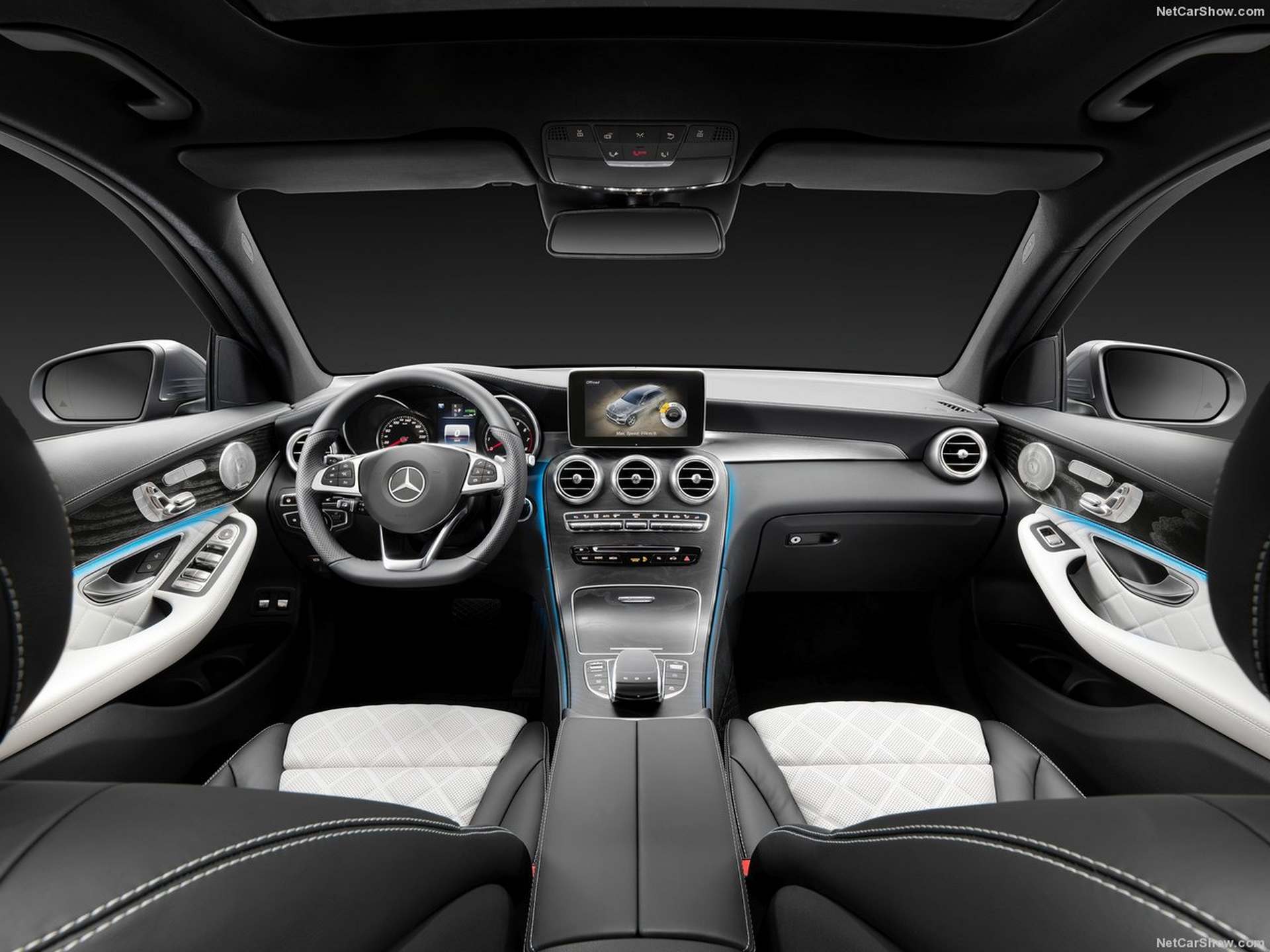
A handful of years later, the GLC is all over the second-hand market. Finding a GLC 300 is as easy as it gets, and while it's tougher to find a GLC 43 AMG, they’re out there. Pricing is similar to, if not a bit better than, the G01 market, so there’s a good chance you'll find a better deal with the Mercedes. You will have to contend with a bit less cargo space with the rear seats up, and a less communicative ride, but that’s not much to ask.
BMW G01 X3 M40i | Mercedes-AMG GLC43 | |
| Engine Type | Turbocharged Inline-6 | Twin-Turbocharged V6 |
| Displacement | 3.0L (2998cc) | 3.0L (2996cc) |
| Horsepower | 382 | 385 |
| Torque | 365 lb-ft | 384 lb-ft |
| Transmission | 8-Speed Automatic (ZF) | 9-Speed Automatic (725.0) |
| 0-60 mph | 4.4 seconds | 4.7 seconds |
| MPG | 21/27/23 | 18/24/20 |
| Cargo Volume (Seats Up) | 28.7 cu. ft. | 17.6 cu. ft. |
| Curb Weight | 4317 lbs | 4191 lbs |
The Audi Q5 & SQ5(FY)
Audi’s second-gen Q5 had much to aim for between the GLC and X3, and met them with a unique package. Distinct styling and a tech-heavy focus presented it as a fashionable but more relaxed take on a sporty and modern SUV. A single engine with or without hybridization for the Q5 kept trims to a minimum for the average shoper, while the SQ5 provided the performace-enhanced chops the M40i cross-shoppers were after.
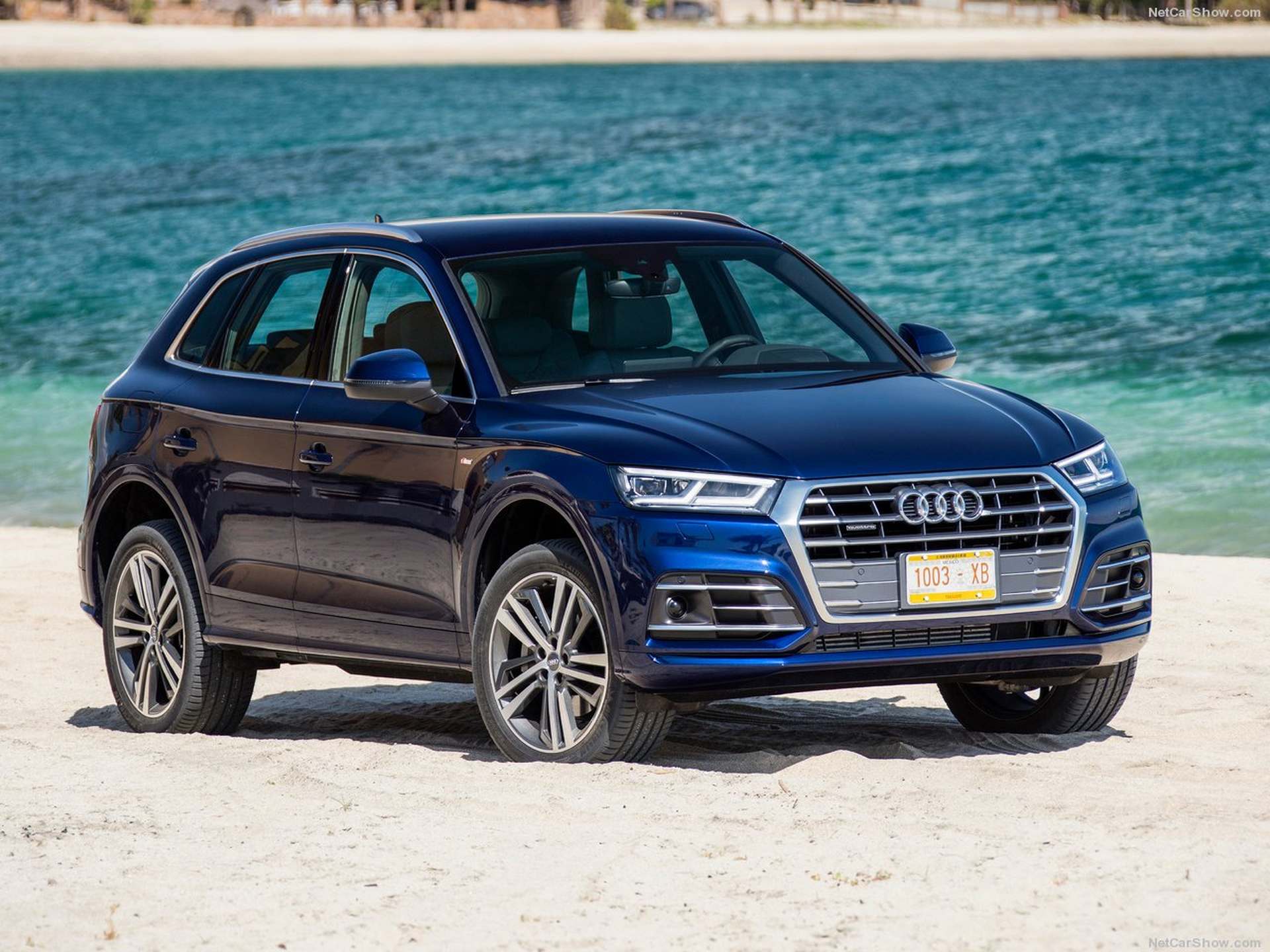
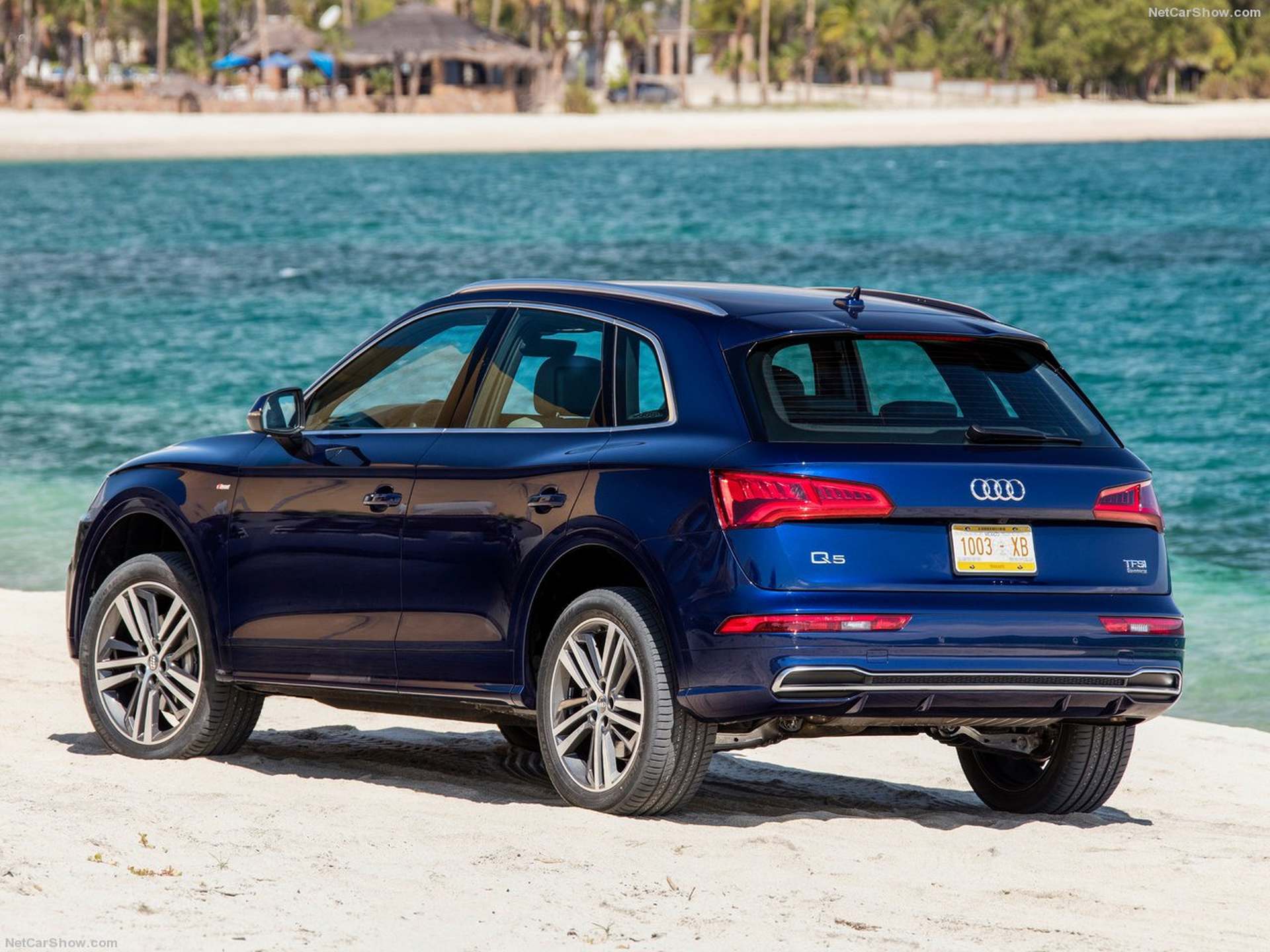
It arrived alongside the G01 X3 for the 2018 model year in the US. It coincided with the move to the B9 A4/A5 and the MLB Evo platform, giving it a new engine, transmission, chassis engineering, design language, and tech features that were sorely needed over its predecessor. The latter gave it much improved reliability and a favorable amount of extra punch, identical to the base Macan, thanks to being the same Gen.3 EA888 engine. It's plenty peppy on its own, but there is a plug-in hybrid that uses an electric motor and a 14.1-kWh battery pack to produce peak power on par with the M40i coupled with 20 miles of all-electric range on a full charge. Both engine configurations then put the power down through a seven-speed DSG automatic.
SQ5 models make do with the turbocharged 3.0T V6 shared with the S4 and S5 models from the B9 platform. Co-developed with Porsche, the EA839 V6 gives the SQ5 genuine performance credentials. It's torquey and responsive at all revs, and while it doesnt quite match the X3 M40i's horsepower figure, it's similarly tuneable. Backing up the engine is a ZF 8-speed automatic rather than a DSG, and a rear-biased all-wheel drive system. The SQ5 makes for a very good performance package, but there are a few things you should look out for when seriously considering one. Check out the B9 Ownership Hub for more on this platform's mechnicals.
Finding a 2019 or later model will give you the best chance at a better-optioned Q5. Audi updated the standard equipment for the second and third model years, including features like heated front seats, Audi Connect CARE telematics system, three-zone automatic climate control, and aluminum trim around the windows for the basic trim. If you can find a “Prestige” trim, you’ll have Audi's Virtual Cockpit gauge cluster, a 19-speaker Bang & Olufsen audio system, and a head-up display. There was again shuffling of standard equipment and options in 2020 and 2021 for the Q5’s mid-cycle refresh.
Facelifted Q5s feature the slightly more powerful EA888 Evo4, revised exterior styling with redesigned lights and bumper fascias, new wheels, a 12-volt hybrid system for the base model, and a new trim level naming scheme. The latter was made across all Audi products, but the two that the Q5 has are the 45 and 55 trim, with the latter being the more powerful plug-in hybrid variant. There were updates again to standard equipment, this time focusing on larger standard infotainment screens, wireless smartphone charging, and a handful of advanced safety features previously optional. The SQ5 shared some of the technological updates but retained its EA839 3.0T V6.
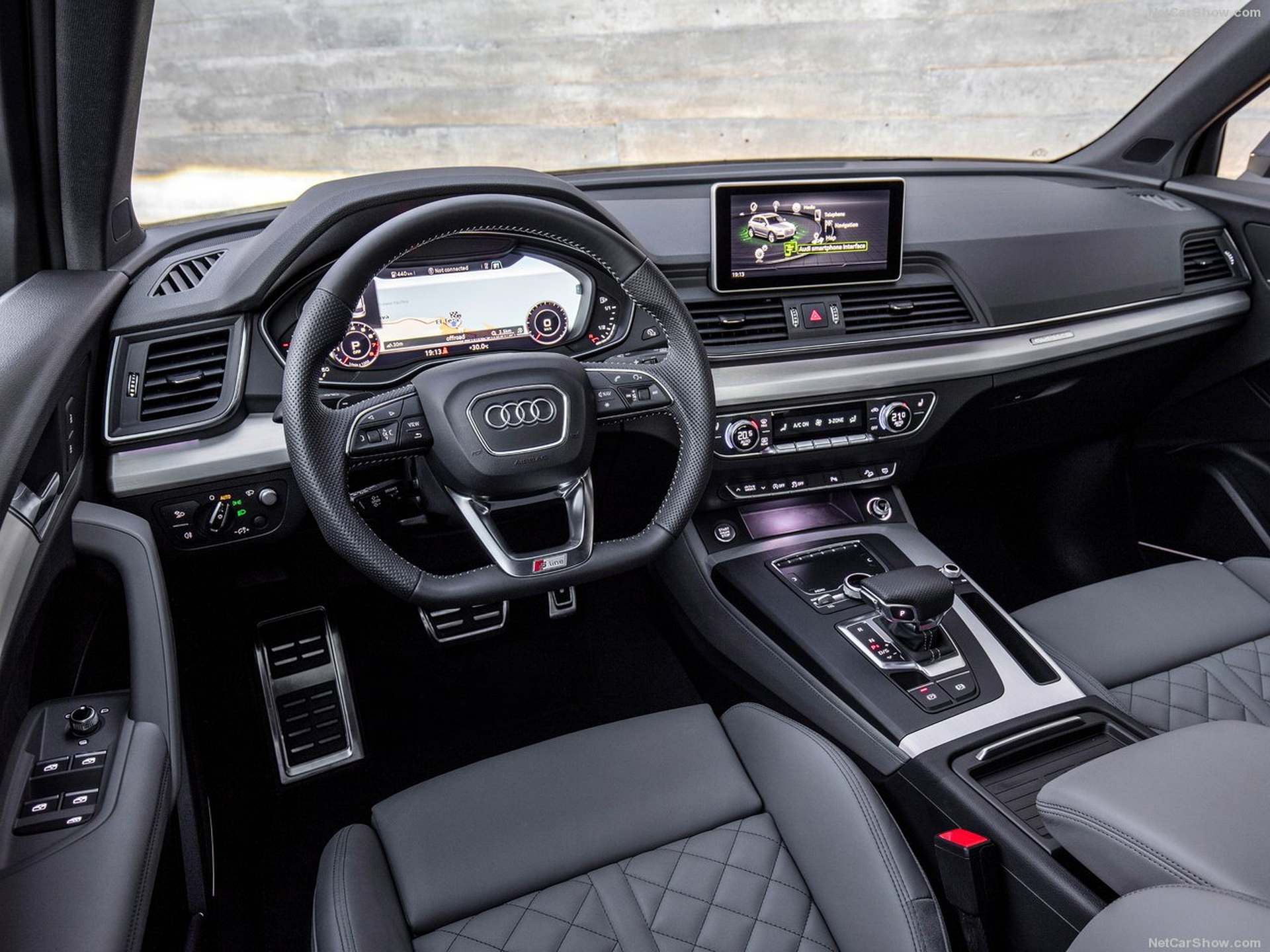
If you shop right, you can have all that for about the same price as a G01 X3. Equipment is in the Audi’s favor, especially for a lightly-optioned model, so if tech and features are what you’re after, it's tough to beat the Q5.
BMW G01 X3 M40i | Audi SQ5 | |
| Engine Type | Turbocharged Inline-6 | Turbocharged V6 |
| Displacement | 3.0L (2998cc) | 3.0L (2995cc) |
| Horsepower | 382 | 354 |
| Torque | 365 lb-ft | 369 lb-ft |
| Transmission | 8-Speed Automatic (ZF) | 8-Speed Automatic (ZF) |
| 0-60 mph | 4.4 seconds | 5.1 seconds |
| MPG | 21/27/23 | 19/24/21 |
| Cargo Volume (Seats Up) | 28.7 cu. ft. | 25.8 cu. ft. |
| Curb Weight | 4317 lbs | 4288 lbs |
The Volvo XC60 (P5/SPA)
Volvos have long been the other option when shopping in Europe, but the XC60 built on the SPA platform makes a case for being at the top of the list. Quietly refining its powertrains and interior quality for decades, this modern batch of Volvo products is some of the best we’ve ever seen, and they’re now more accessible than ever a decade on. If you don't need to feed an ego with a German badge, you may want to look for a Swede.
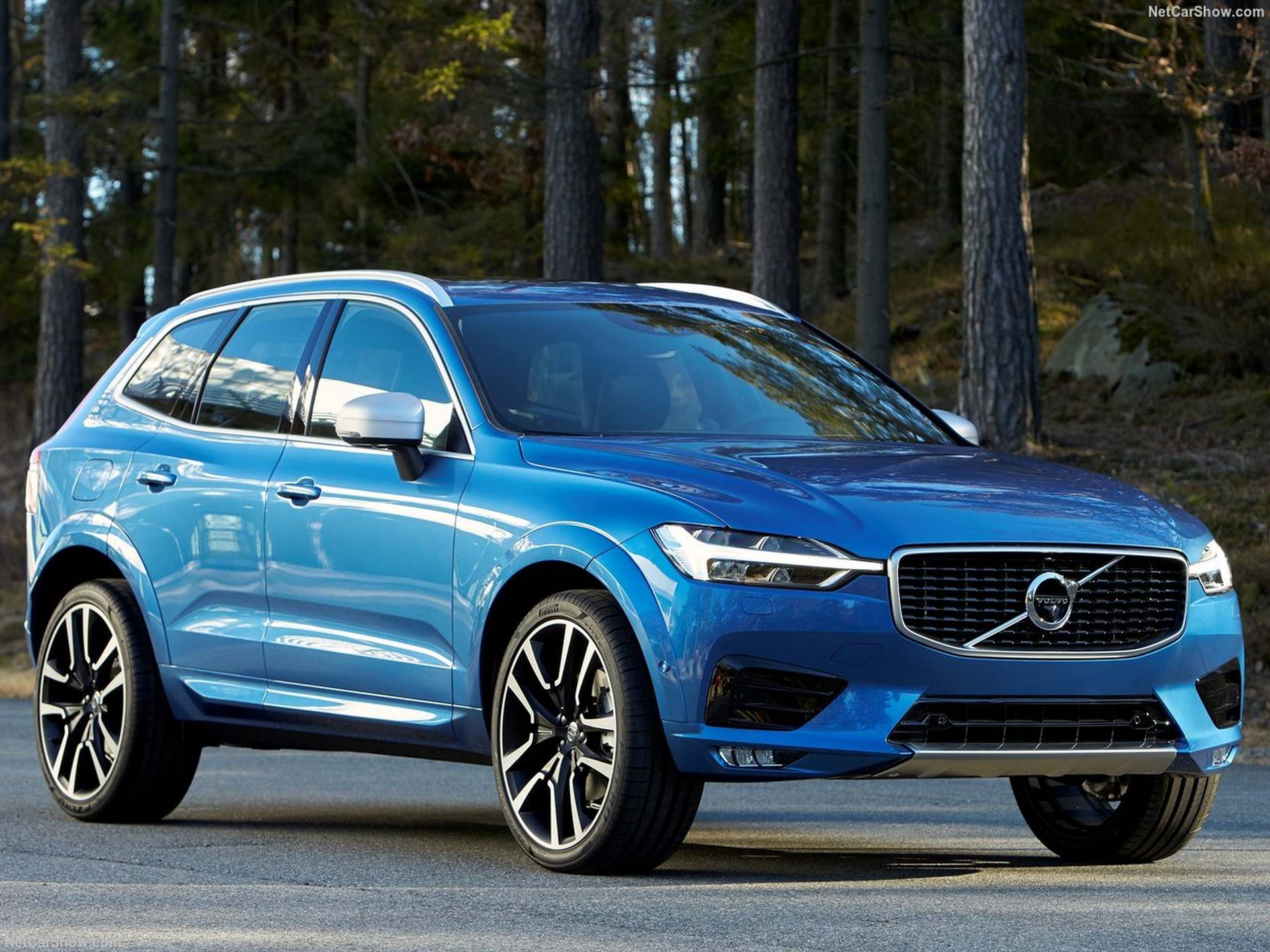
Whether you’ve noticed or not, Volvo has put out some of the best styling over the last decade. From the "Thor's Hammer, understated" headlights to the classic yet reimagined taillights, it’s quiet and understated, but striking all the same, as each crease, curve, and angle adds to an objectively attractive package. Even nearly a decade later, the XC60 wears essentially the same outward appearance, and it hasn’t seemed to have aged a day. It’s a testament to Volvo’s design team and a significant reason why the small SUV has been so successful for the Swedish automaker.
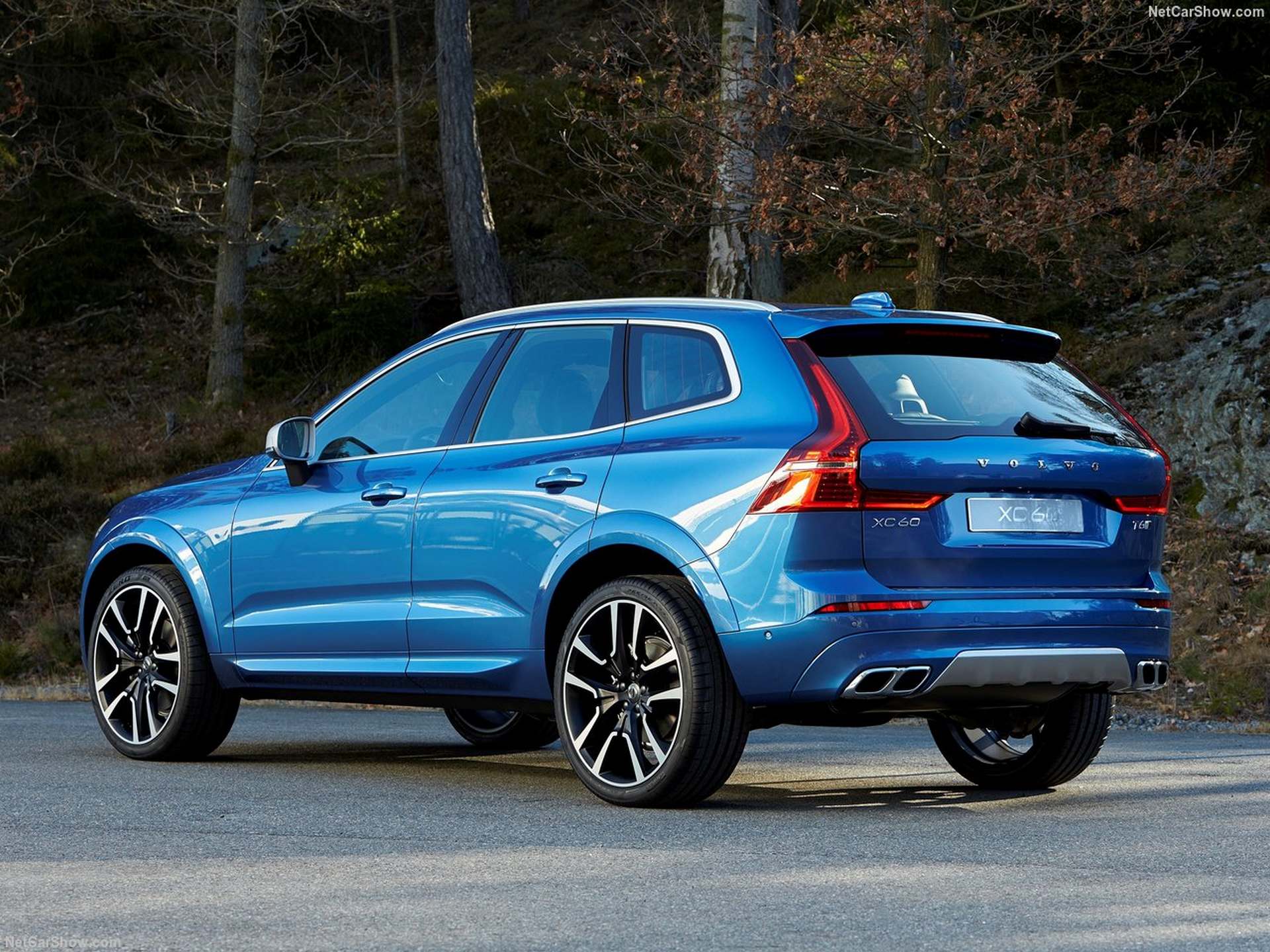
Despite its sharp and somewhat aggressive appearance, it’s not a particularly sporty vehicle; however, its engine comes in a few configurations that give it plenty of shove. At its most basic, the T5 trim rocks the 2.0L VEP (Drive-E) engine with a turbocharger, but above it in the T6 trim, the VEP also gains a supercharger, making it one of the few twin-charged engines available today. In T8 trim, the XC60 pairs the VEP with a plug-in hybrid system—one quite different from those of the German automakers—boosting power and economy figures. Beyond that, the XC60 isn’t much concerned with performance, but focuses on a more premium feel.
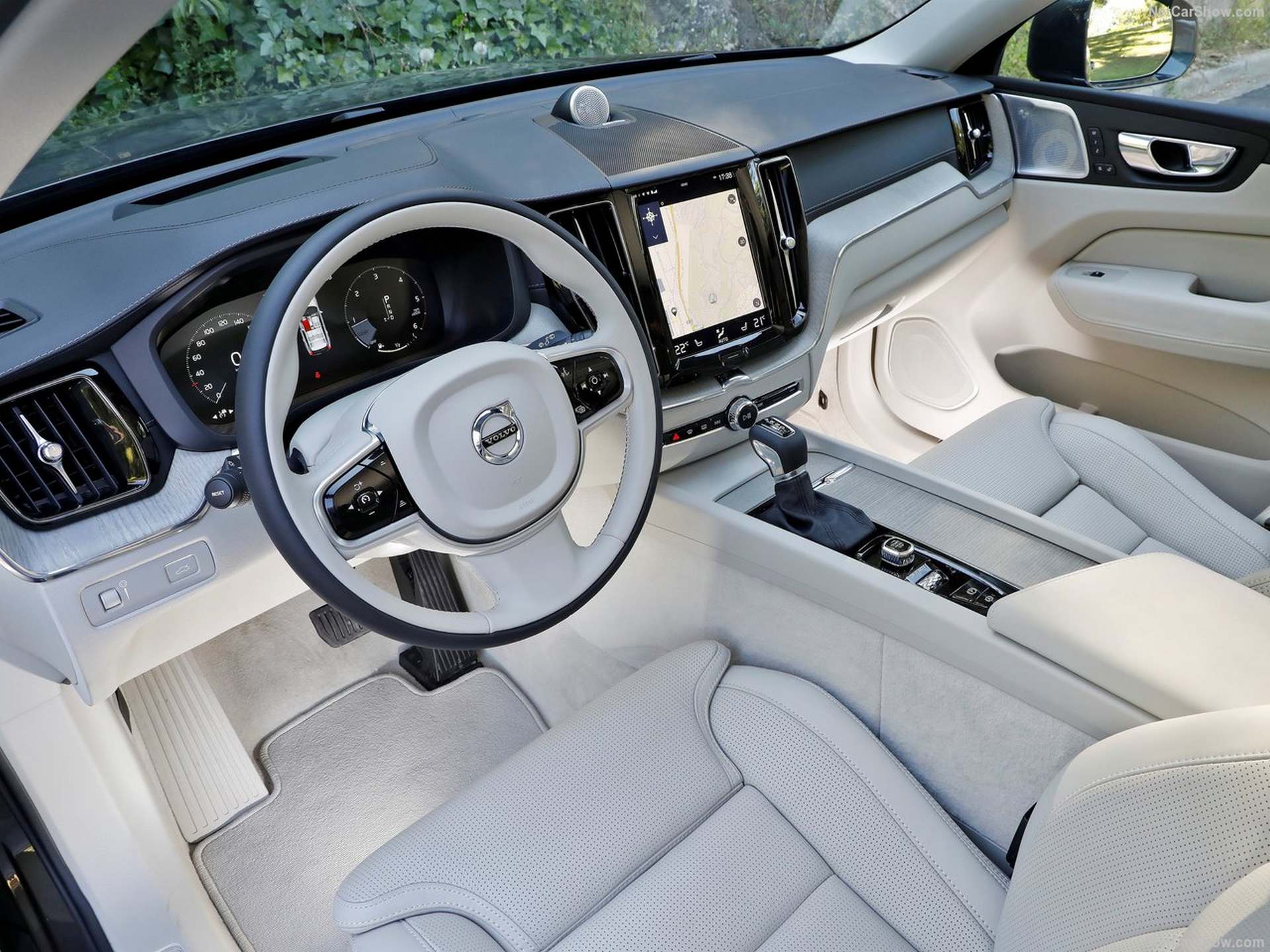
Inside the XC60, the interior features broad and largely flat surfaces while utilizing squared-off shapes for vents, screens, and even the airbag. It’s not very busy compared to some, like the Macan; instead, it's efficient and straightforward in a way that feels perfectly Volvo. Leather is the most common upholstery material, but there are different levels of suppleness depending on the trim and model year. Standard equipment is deep, with big screens, powerful audio, power-folding rear seats (on earlier models), massaging front seats, and four-zone climate control all included at some point in the many interactions of trim levels Volvo instituted with the XC60. However, it’s the standard safety feature list that’s most impressive, eclipsing the standard features of most and even the optional features of some.
BMW G01 X3 M40i | Volvo XC60 T6 | |
| Engine Type | Turbocharged Inline-6 | Twin-charged Inline-4 |
| Displacement | 3.0L (2998cc) | 2.0L (1969cc) |
| Horsepower | 382 | 315 |
| Torque | 365 lb-ft | 295 lb-ft |
| Transmission | 8-Speed Automatic (ZF) | 8-Speed Automatic |
| 0-60 mph | 4.4 seconds | 6.1 seconds |
| MPG | 21/27/23 | 21/27/23 |
| Cargo Volume (Seats Up) | 28.7 cu. ft. | 22.4 cu. ft. |
| Curb Weight | 4317 lbs | 4322 lbs |
Compact Euro Luxury Compared: How Do They Stack Up?
When it comes to shopping within this segment, being spoilt for choice is a good way to think about it. There's a lot to love about many of the European offerings, and that's likely to cause some tough decisions when it comes time to make a choice. Of course, the best way to shop is hands-on, so don't be afraid to see them in person to get a real-life feel. However, knowing what you're getting into beforehand always helps.
Separately, each model meets the compact luxury SUV segment with its own take on what is best. The Volvo and Mercedes attack the luxury angle from two different approaches to cover a wide range of tastes, the Audi is somewhat sporty and focuses on a modern look with lots of tech, the Porsche is the sportiest of the bunch but sacrifices its utility for that, and the BMW slots between the latter two, providing lots of space and a solid platform for performance modification. Somewhere in there is a happy medium for whever you're looking for. Regardless of which you end up with, FCP Euro has all of the tools, parts, and expertise to help you along your ownership journey.