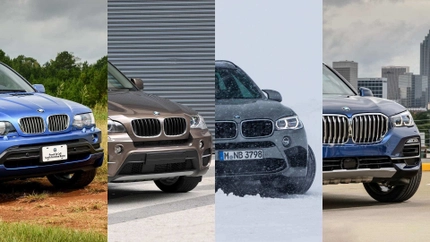
The small SUV is the dominant machine on the road today. Within twenty years, it’s ascended to the top of the heap, all but eliminating sedans and wagons from existence in buyers’ minds. BMW’s smaller variants are some of the more popular, as the badge offers a luxury appearance for relatively affordable money, and have been since the X3’s debut in 2004. There wasn’t much competition then, and the X3 excelled in its space. Twenty years later, it’s still seeing similar success, even if the clientele and focus have changed slightly. If you’re after BMW’s best-selling small SAV, here’s your best opportunity to learn the basics.
2004-2010 E83 X3
Following the success of the X5, BMW was keen on introducing a smaller SAV for its buyers who wanted utility and convenience without the size or cost. The 3-series was the perfect platform, so BMW took what they needed—like the floor pan and basic suspension architecture—and crafted a taller, boxy body on top to form the E83 X3. Despite some polarizing styling thanks to many unpainted plastics, the X3 was a quick success, selling over 600,000 units at the end of the first generation.
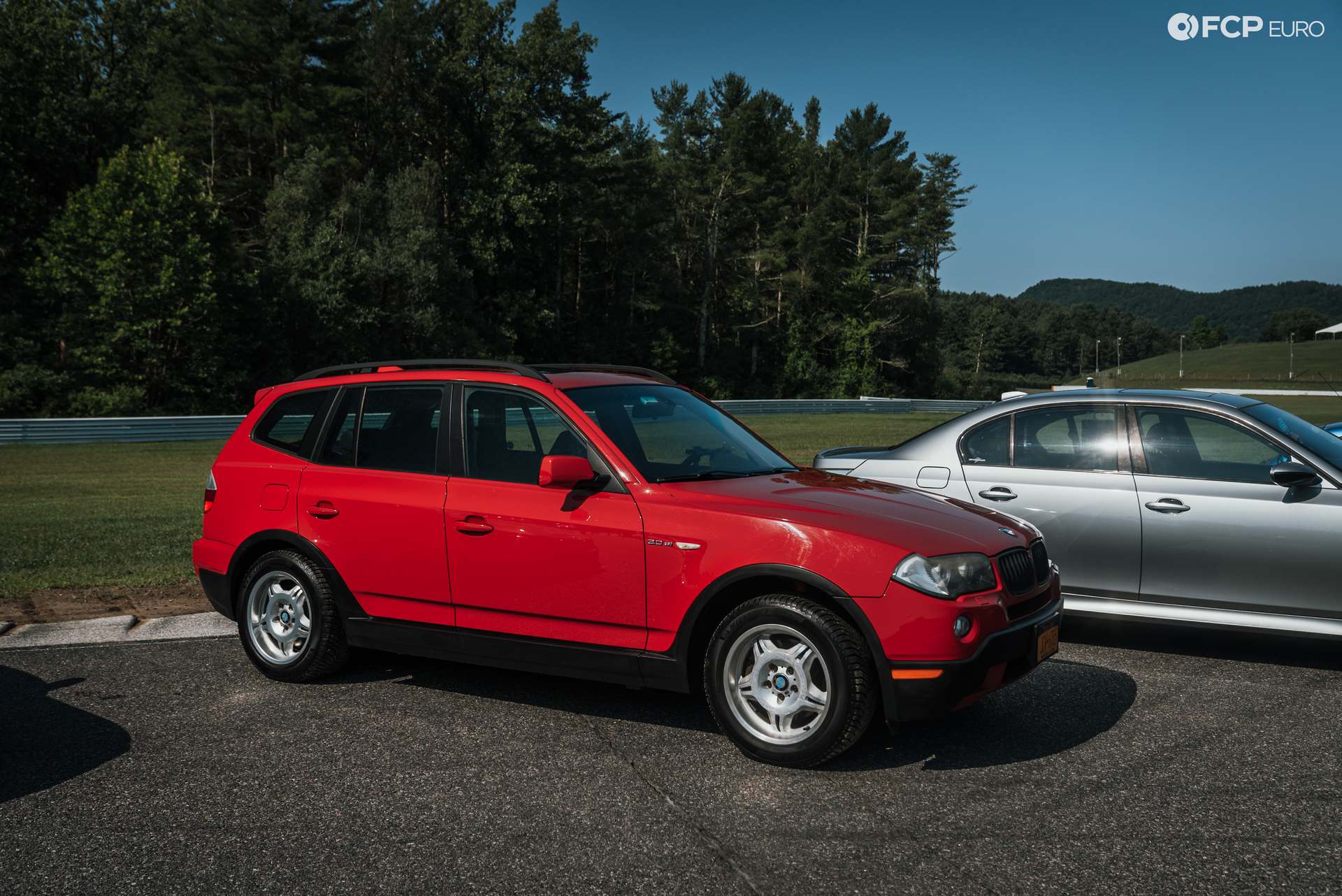
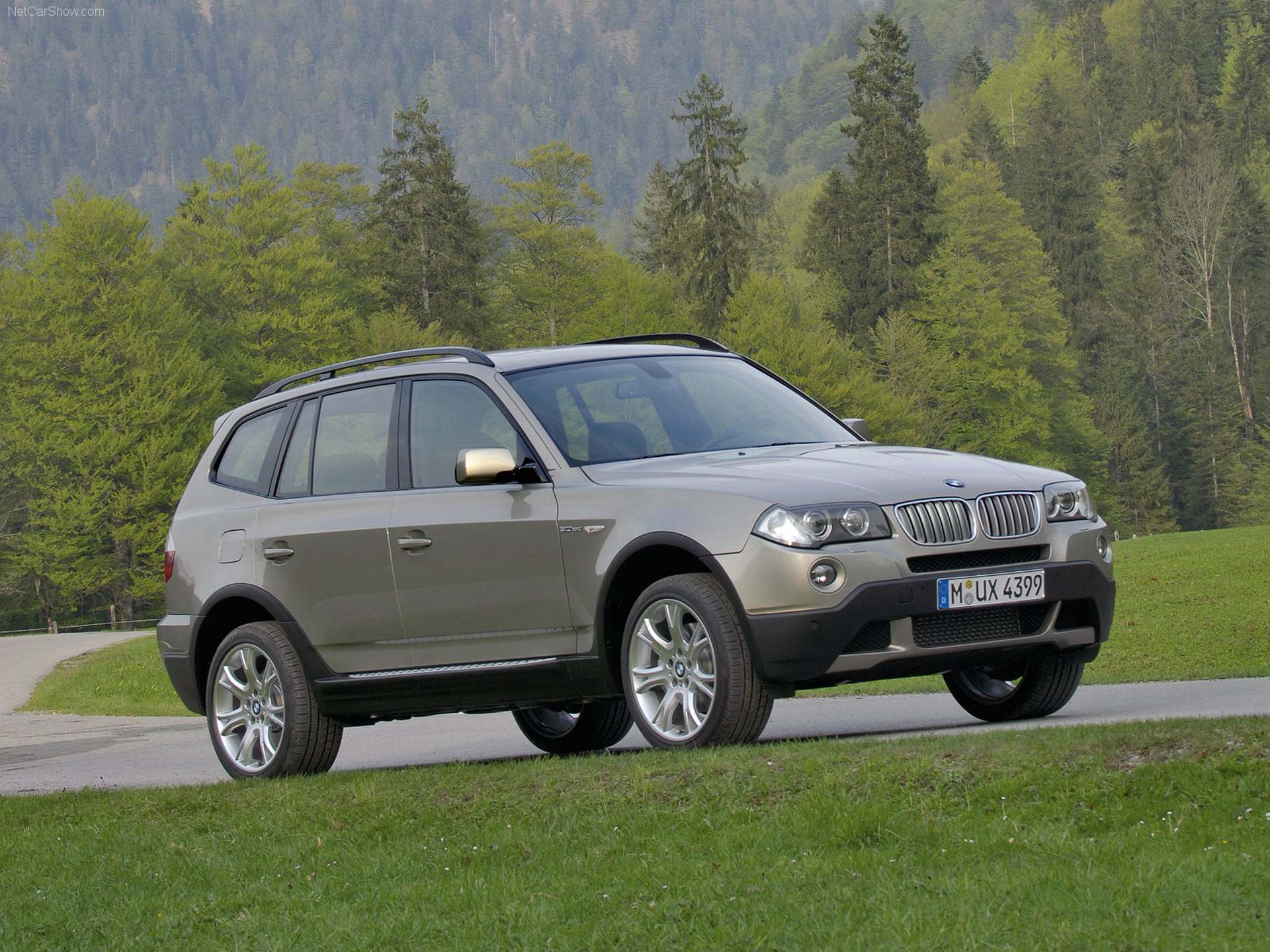
The E83 is a mix of E46 and E90, arriving most of the way through its production in 2004. Drivetrain components mostly follow both generations’ progression, with the pre-LCI models sporting 2.5L and 3.0L versions of the M54 straight-six in the 2.5i and 3.0i trims, respectively. The later facelifted 2007+ models sport the E90’s 3.0L N52, receiving as much as 260hp in the 3.0si trim. All E83s in the US were available with a six-speed manual transmission, though most buyers chose the automatic transmission option. European buyers were given diesel options, but those didn’t make it stateside.
On the other hand, the E83’s electronics weren’t inherited from the E46, but became the basis for the upcoming E90. As the first of a new generation of electronics, the early X3s were a guinea pig of sorts, and as such, they don’t have the best reputation for reliable electronics. They range from commonly contaminated contacts to bad body control modules in a few places. There are fixes for them, but something most owners will encounter at some point.
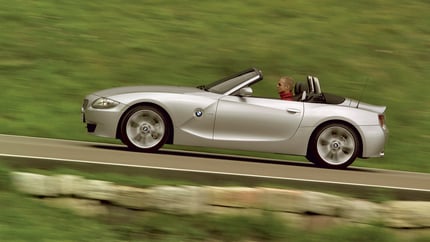
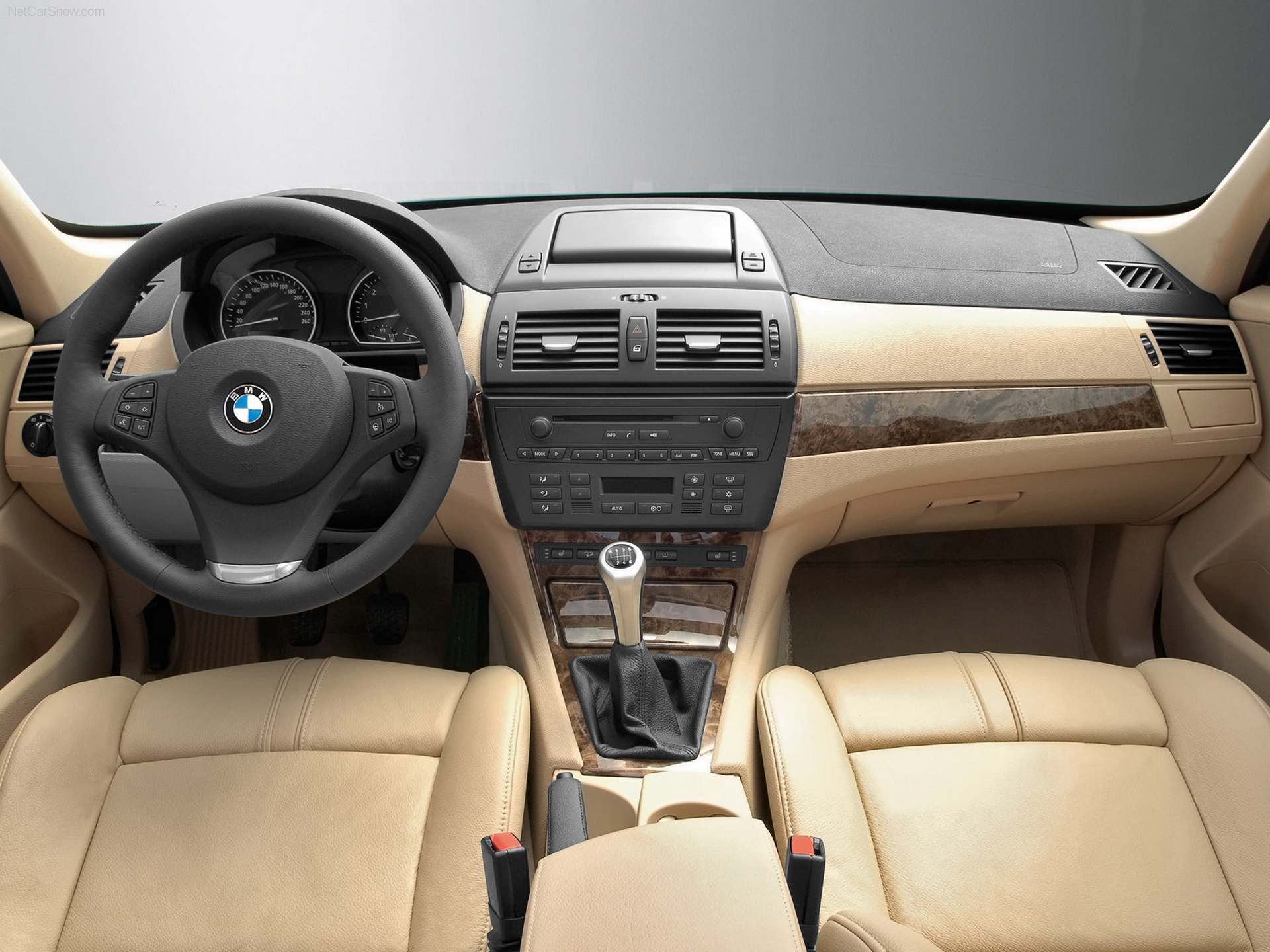
Although based around the 3-Series, the X3 wasn’t much smaller than its bigger brother, the E53 X5. Its wheelbase is less than an inch shorter, so rear legroom is more plentiful in the X3 compared to an E46 of the same vintage. It also beats the X5 and E46 Touring for cargo space with the rear seats up and down. Interior design and touch surfaces are largely bespoke for the X3, with one reviewer comparing it to the Z4. Hard plastics are abundant, but optional leather seating on pre- and post-LCI models gives a somewhat luxurious feel to the small SAV. Ergonomics of interior features are button-heavy, but that’s a sign of the era and may be a welcome option against the haptic touch mess of today’s models.
As mentioned, the chassis took a lot of inspiration from the E46 3-Series and provided the platform that would underpin the E90. That’s present again with the optional xDrive all-wheel drive system. Relatively new at the time, it’s the basis for the current xDrive system that BMW still uses. Unlike larger 4x4 systems, it featured an electronically controlled center differential that used clutches to forward up to 50% of engine torque. xDrive was developed by Magna-Steyr, an automotive engineering and design company with production capabilities. At Magna’s Austrian plant, every first-generation X3 was built, alongside models from other companies, like the Mercedes Geländewagen (G-Wagon). Although fitted from the start, the xDrive moniker only joined the lineup after the 2007 LCI update.
The X3 was a less expensive option than the X5, though a large part of that was the lack of options. There was a sport package for anyone looking for a slightly stiffer SAV that added sport seats, slightly stiffer and lower suspension, and an ‘M’ bodykit painted body color. In later models, this became the M-Sport Package. Other bits like heated seats, a panoramic sunroof, larger wheels, and a better sound system were all standalone options.
2011-2017 F25 X3
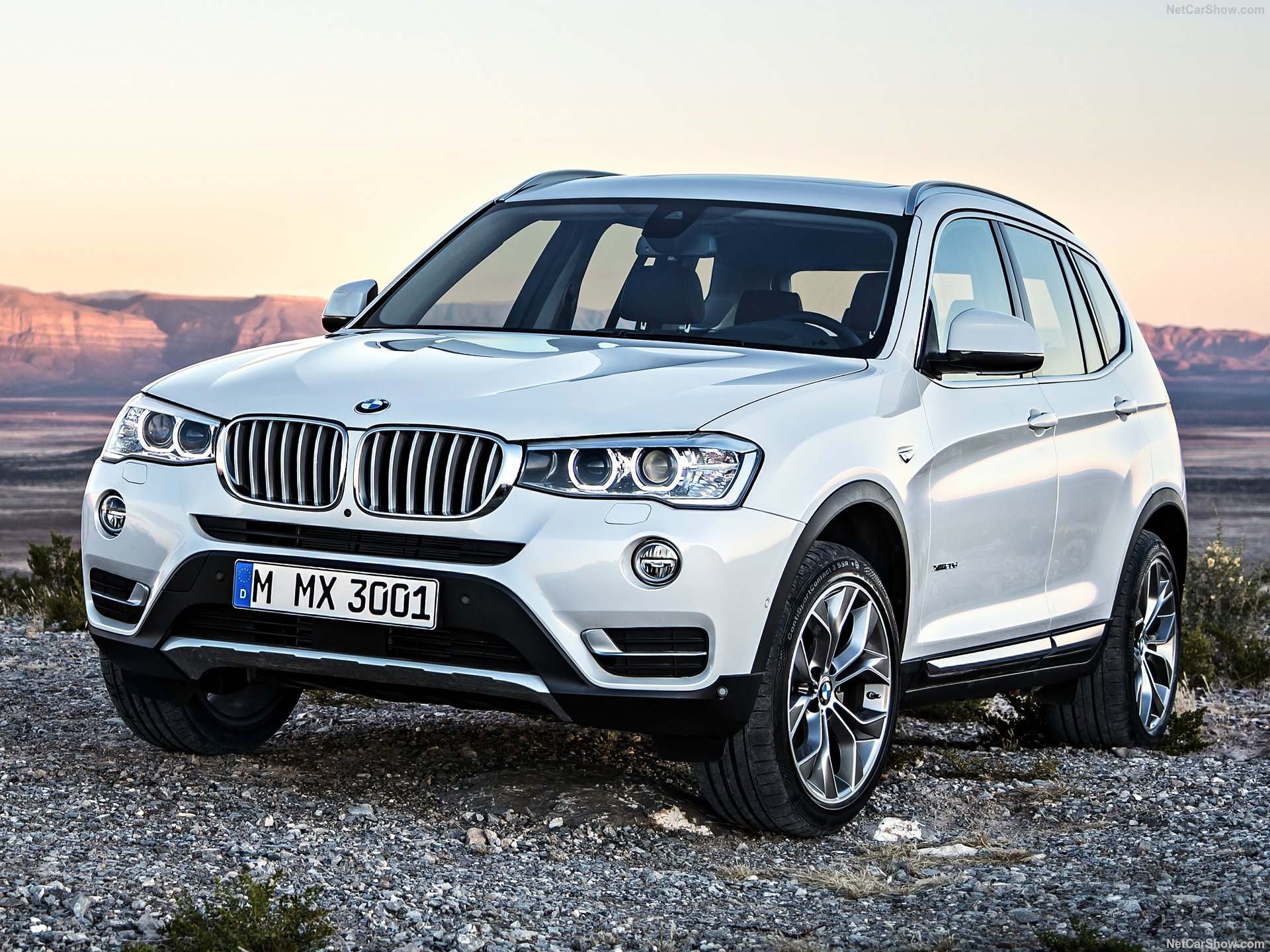
Although the E83 sold well, it was largely outdated a few years into production. Yet, it was still seven years before the succeeding F25 X3 reached dealer networks in the US. This time, BMW based it on the F30 3-Series, which had not yet launched as the F25 was leaving dealerships, ensuring it was on a current platform, rather than an outgoing one. That turned out to be a solid choice, as motorjournalists cited nearly every area the previous generation lacked was improved upon while retaining the handful of good qualities present in the F25’s predecessor.
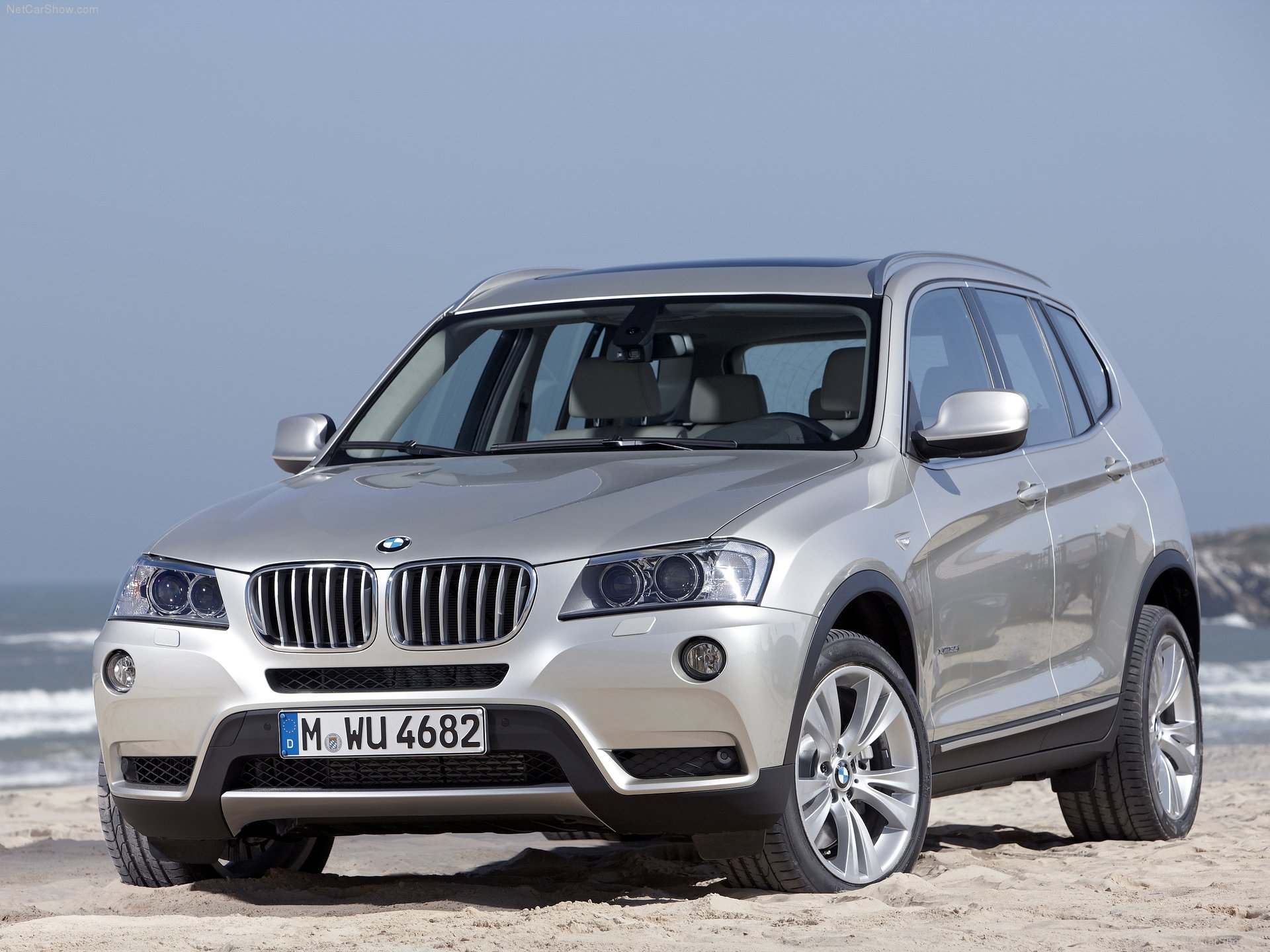
Debuting as a 2011 model year, BMW offered the X3 in xDrive28i and xDrive35i trims. The former carried over the non-turbo 3.0L N52 straight six from the old E83, while the latter donned BMW’s fresh turbocharged 3.0L N55. However, two model years later, the older N52 was axed in favor of BMW’s new turbocharged four-cylinder, the N20. A ZF 8HP eight-speed automatic transmission backed up all engine options. The X3 would carry these engines through the 2015 model year LCI facelift. Joining the lineup that same year would be the short-lived xDrive28d diesel, and the X3’s coupe-roofed sibling, the F26 X4.
The revised engines and more modern transmission improved the trims' performance and economy. Much of that was due to their compliance with Euro 5 regulations. Two generations on, they make for a tunable option if that’s what you’re after.
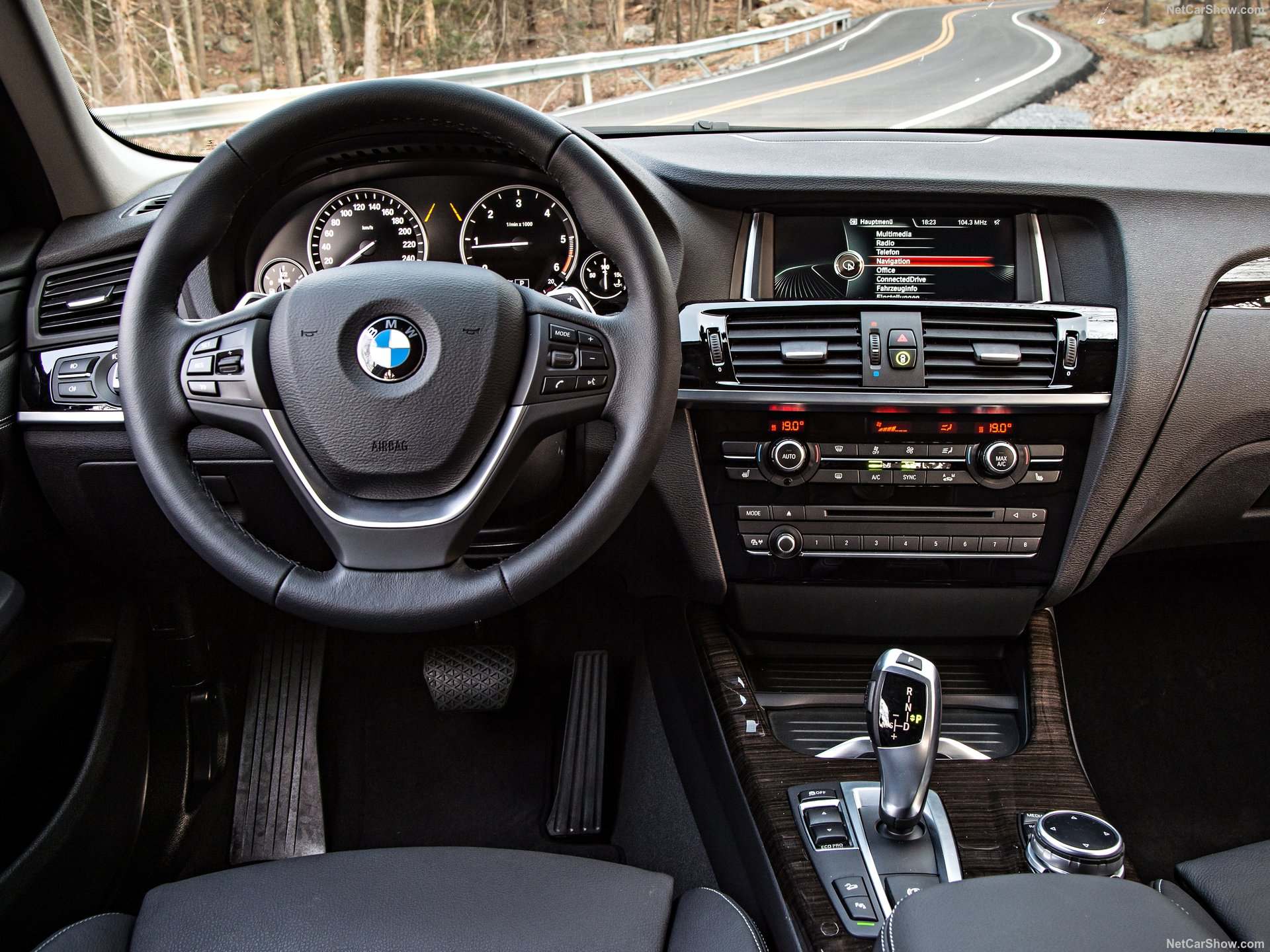
Size-wise, the F25 grew by a good few inches—3.4” in length and 1.1” in width—making it as large as the E53 X5. Despite that, BMW claimed the base model dropped 50lbs over its predecessor. The larger body added extra room in the rear for passengers and in the cargo area while also accounting for a completely redesigned interior and exterior that was in line with BMW's styling of the era. The interior was a major leap forward, with updated controls, nicer materials, and an optional 8.8” iDrive screen, though it was very much reminiscent of the larger X5 in terms of looks. The interior feel only improved with the LCI, as the iDrive received a significant update. BMW added nicer materials and touch points to keep up with the segment’s changing offerings.
However, the most considerable chassis improvements came from highly revised suspension tuning. Architecture was shared with the F30 but revised for the taller chassis and slightly different dynamics. Tuning was softer and less jarring than the E83, something many reviewers were excited about, but it retained a firm ride. A sport suspension provided a slightly lower and more aggressive damper tuning for those wanting the best agility. However, owners could’ve had the best of both had they selected the optional Electronic Damper Control. EDC is a reasonably rare option on the F25.
Much to buyers' excitement, BMW gave the F25 a relatively long list of standalone options and packages to help tailor the SAV to the individual. These include the Cold Weather package with heated seats and steering wheel, the Technology package with Bluetooth connectivity, Park Distance Control, and a rearview camera, and the Premium package with 16-way adjustable front seats, a panoramic sunroof, and Nevada leather. Individual options like premium hi-fi and automatic climate control were popular additions to many builds.
Lastly, but certainly not least, the F25 featured a significant change in place of assembly. Magna Steyr finished with the E83, and BMW transferred all future X3 production to its plant in South Carolina. As such, almost all gasoline-powered X3s have been built on US soil since 2011.
2018-2024 G01 X3
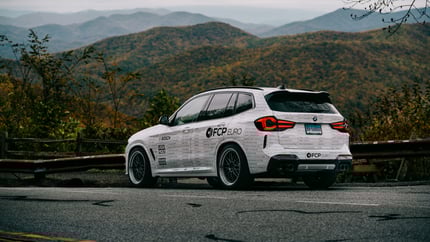
Going on sale in 2018, the G01 X3 is one of BMW’s most significant steps forward in the SUV segment. Whereas prior generations were supplemental to the 3-Series, the G01 represents the first X3 that has essentially replaced its sedan sibling as the go-to model for most buyers. It represents the SUV’s ascent to the theoretical top of the bodystyle hierarchy, at least in the US. That’s certainly not a shot at it either, as the G01 is by far the best X3 generation BMW has put together.
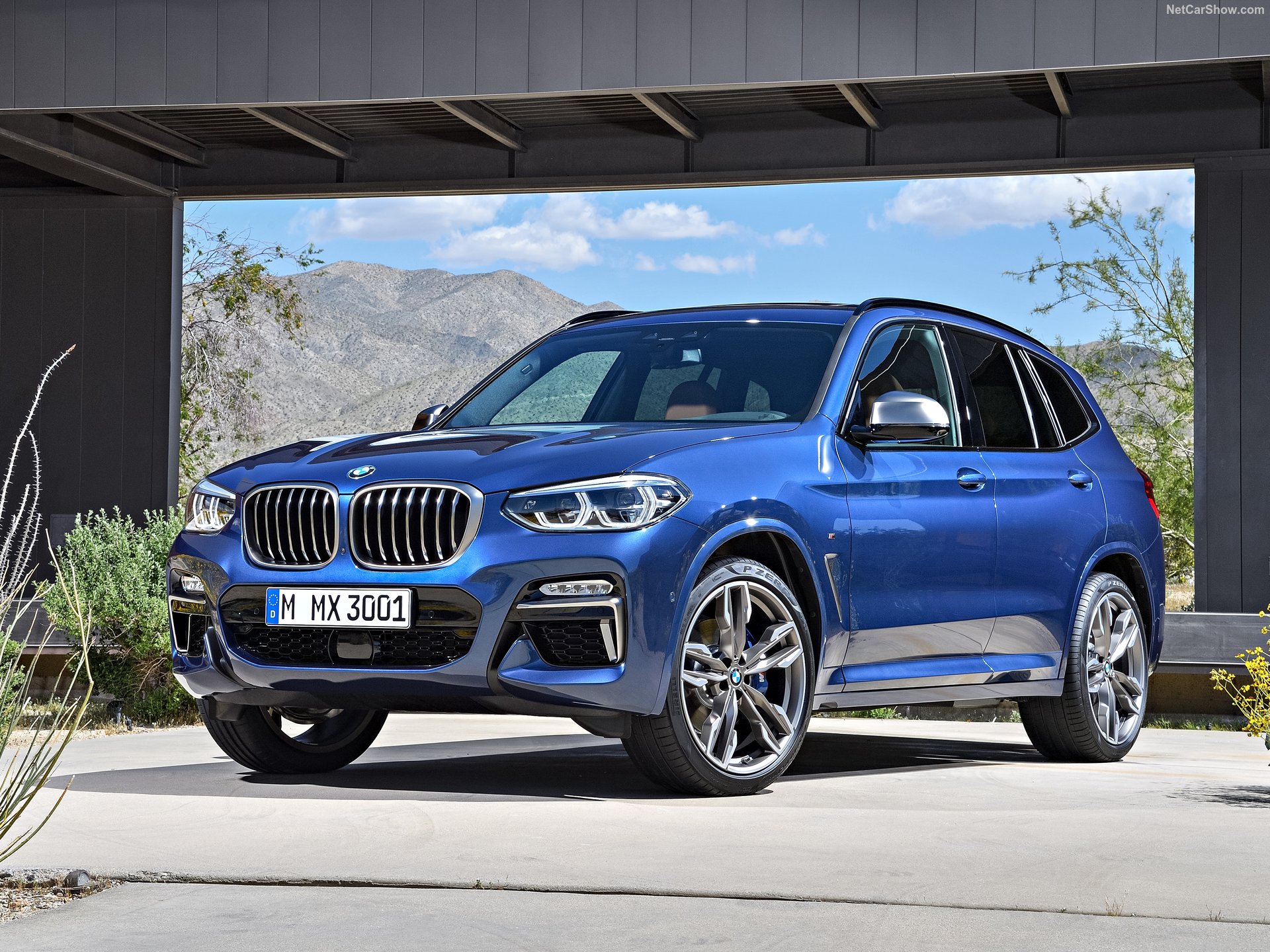
Based on BMW’s Cluster Architecture (CLAR), the G01 X3 takes bits from the G20 3-series, G30 5-series, and G12 7-series to form the Bavarian’s best use of its newly engineered modularity. US-spec model years range from 2018 to 2024, with a definitive LCI update for the 2022 model year, bringing exterior tweaks, updates to infotainment, and a 48-volt mild hybrid system; the latter depending on trim. On the used market, that all comes off as a wide variety of sporty and non-sporty models and specs to choose from.
No matter the trim, there’s a turbocharged engine. Both received updates during production that improved reliability, but neither is ever a liability. The smaller of the two is the B48, BMW’s 2.0L four-cylinder, found in the 30i and 30e trims. Performance is good in the relatively heavy SAV; reaching 60mph in 6.2s makes it no slouch—that’s about as quick as a Mk7 GTI. Stepping up to the M40i, the B48 is swapped for the B58, the latest generation of BMW’s turbocharged 3.0L inline-six. Prior generations had become tuner darlings, but the B58 is better in every conceivable way. It’s tougher out of the box, more responsive, more reliable, and returns better fuel economy, only if you can keep your foot out of it. In many ways, this engine has been a leading factor in why the X3 has supplanted the 3-Series as the better seller.
Pre-LCI also featured the xDrive30e trim, a Plug-In Hybrid. It saw the B48 paired with a 12-kWh battery pack and an electric motor good for 107hp and 77 lb-ft. Together, they could propel the G01 X3 for 17 miles on a full charge. Its performance was marginally better than the 30i, with the most significant gap coming from the near second quicker the hybrid reached 60mph. It was short-lived, though, as the LCI added the mild-hybrid system to the other models, eliminating the plug-in’s benefits.
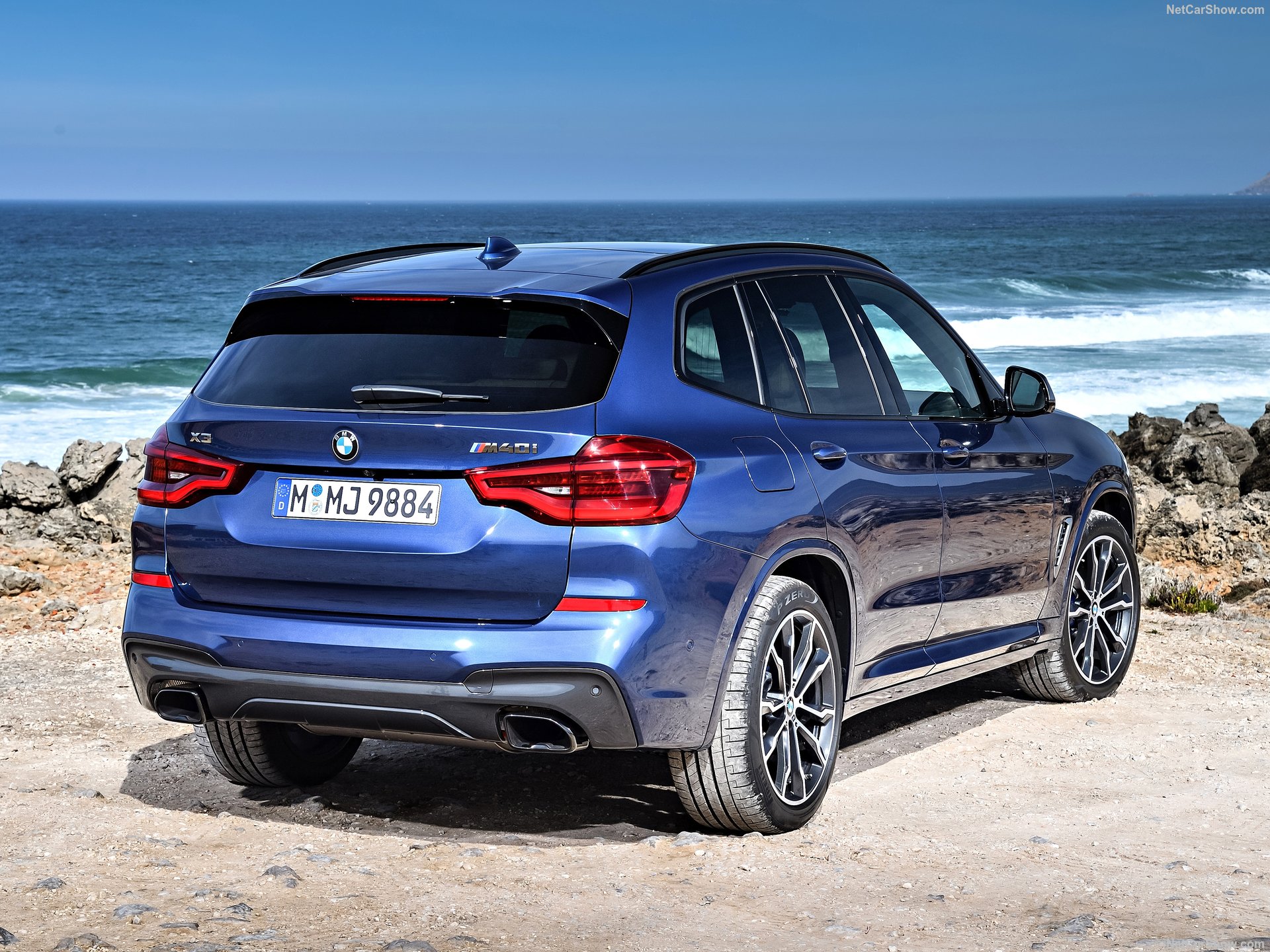
For the first time, BMW also offered an X3 tuned by its M division. Although considered on the F97 platform, it’s a G01 fitted with the best of everything M. Under the hood is the S58B30 BMW that would share with the G80 M3 a few years later, and a specially tuned ZF 8HP automatic. Suspension is lower and far stiffer with various damper settings to adjust the suspension to the road ahead. Bushings and control arms feature better geometry, the brakes are massive, and the wheels are bespoke. It got the complete M treatment, and enthusiasts have bought them in droves.
X3 30i models featured much softer non-adaptive suspension as standard, but Dynamic Damper Control was an optional add-on. Previous years could be specced with M Sport packages to bring the appearance up to top spec, but not for this generation. M40i models were available with an adaptive M suspension package, lowering the body by almost half an inch. They also featured larger brakes with blue-painted fixed-piston calipers upfront. They also had a few optional M wheels and specialized trim options for interior and exterior aesthetics.
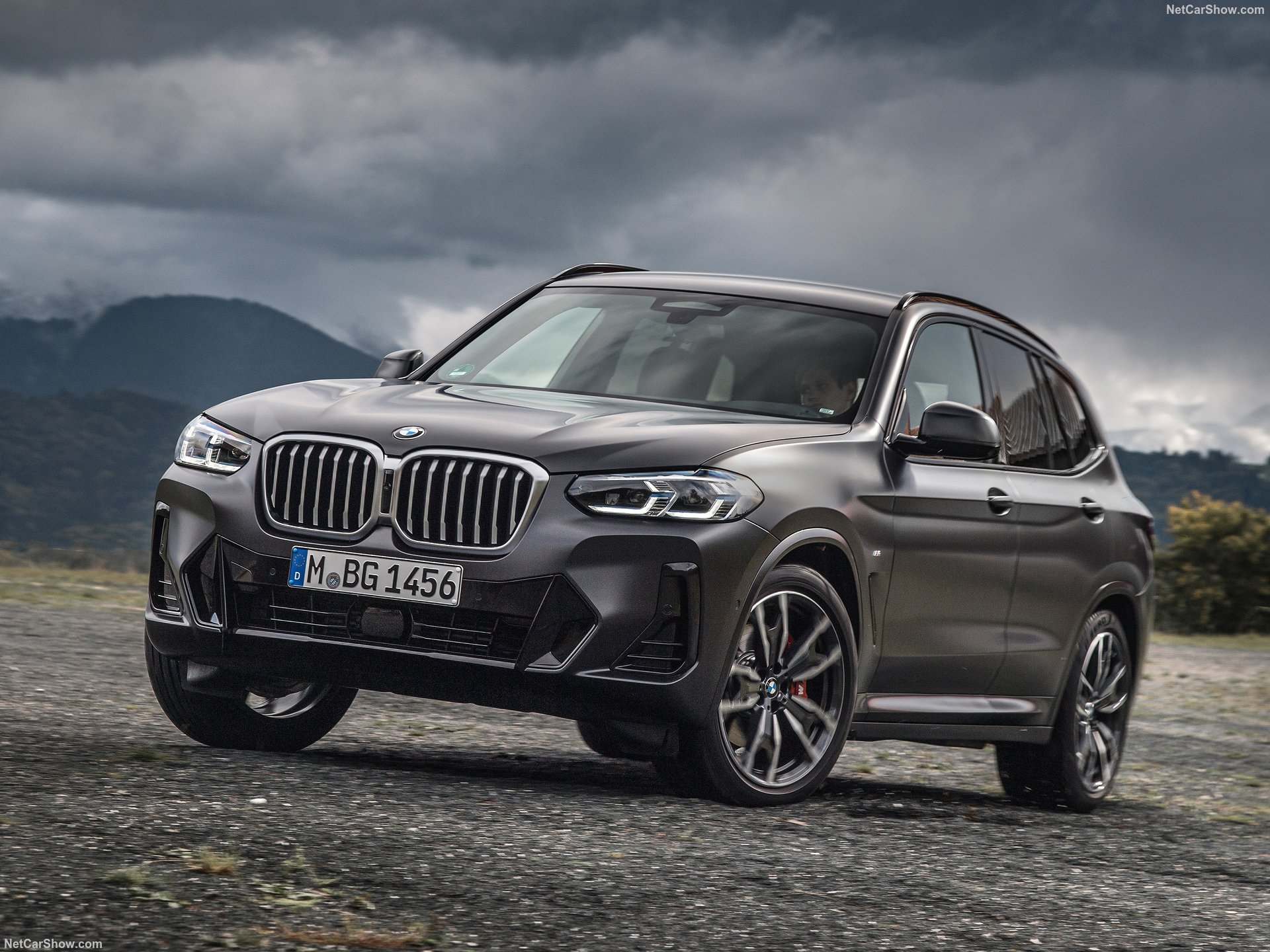
In any detailed search for a G01, you’ll come across a few different infotainment systems. The first two model years used tech introduced in 2015. In 2020, BMW updated the X3 to iDrive 7 and then, in 2022, replaced the controls and screen with those from the G20 3-Series. Oddly enough, the update to iDrive 7 also coincided with engine changes. Both engines became updated variants, known as TUs in BMW speak.
The LCI’s external updates included more angular body lines, revised lighting, and larger kidney grilles. Bumper treatment brought the X3 closer to its sedan stablemates, notably featuring smaller lower corner inlets made up of sharp angles. The X3M/ X4M received similar updates to the interior and exterior, including the infamous Halo “Energy Sword” taillights.
2025-Present G45 X3
BMW engineers got the G01 right, and rather than throw it away, they chose to refine what they had and redress it in a neue suit. The G45, then, is the product of careful evolution and some key advancements that keep it near the top of the compact SUV hierarchy. If there’s anything that may say otherwise, it’s undoubtedly the polarizing restyling, but BMW’s attempt at catering its styling to the Chinese market hasn’t missed the mark for everyone. Regardless of how it appeals on the outside, the G45 X3 is all business underneath.
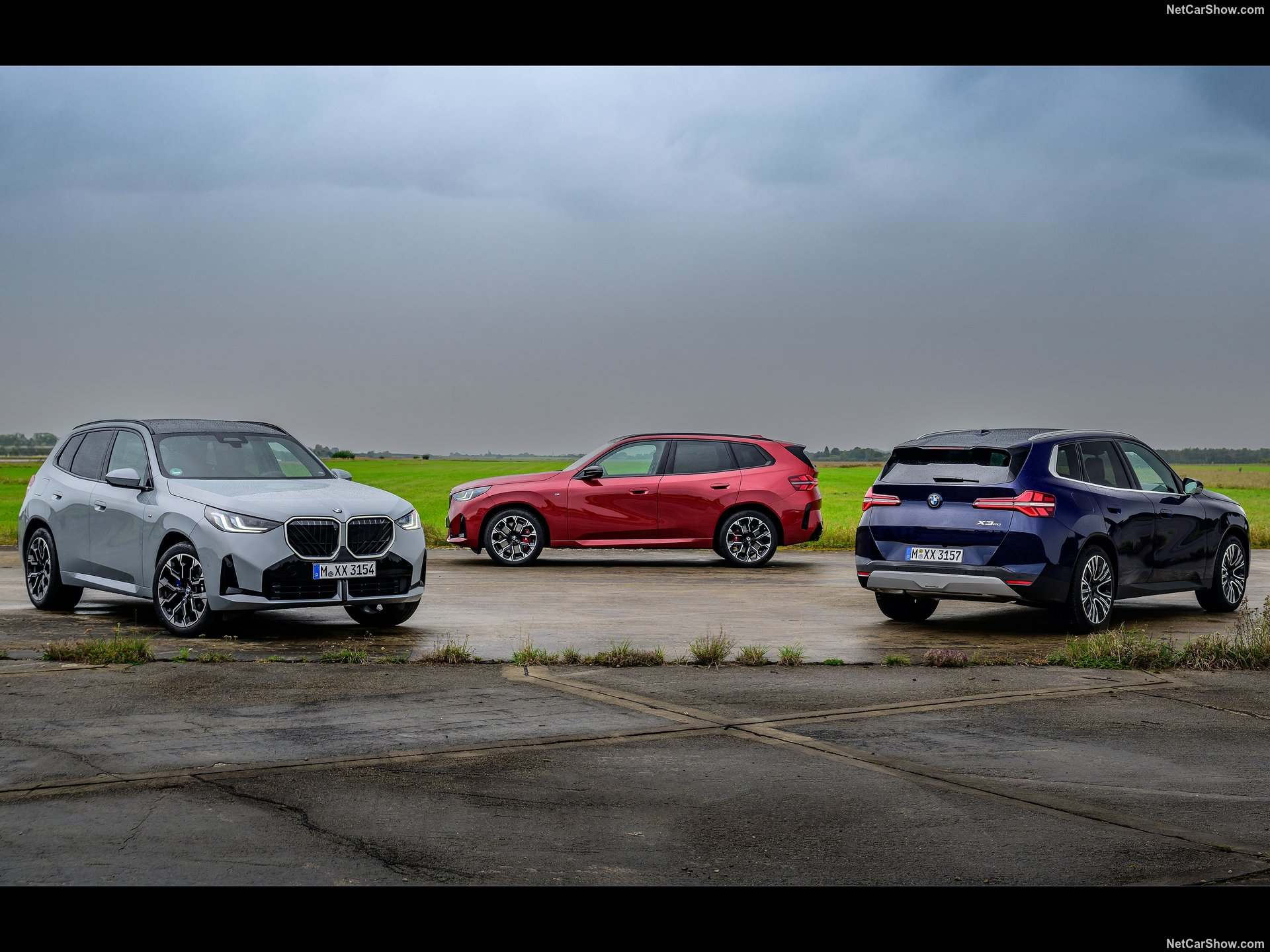
This newest variant rides on the same Cluster Architecture as its predecessor but features an updated chassis with revised mounting points and extra stiffening. Stiffening the chassis allows engineers to soften the suspension for the same cornering ability, and many journalists have cited a marginally improved ride with similar performance characteristics. Part of that is due to the adaptive suspension standard on the upper trims, though the standard passive suspension is without criticism.
Speaking of trims, BMW recently altered its long-time nomenclature to give the “i” designation solely to EVs. G45 X3 trims consist of the B48TU-powered “30 xDrive” and the B58TU2-powered M50. The latter is the Gen 3 B58, featuring significant updates for the inline-six, like dual injection (port and direct), electronically-controlled VANOS, and a switch to combustion on the Miller cycle. There’s no plan for a next-generation X3 M, leaving the F97 as the sole variant. This generation also eliminates the rear-wheel-drive sDrive variants that the three prior generations had, making every currently sold X3 all-wheel drive.
Both engines retain their 48-volt mild hybrid systems, but minor updates make them more efficient and powerful. The ZF 8HP remains the only transmission option. Performance is, again, a bit better than the G01, with a majority coming from the large lifts in peak torque figures for both trims—37 lb-ft for the four-cylinder and 59 lb-ft for the six-cylinder. Towing capacity also gets a slight bump to 4850 lbs.
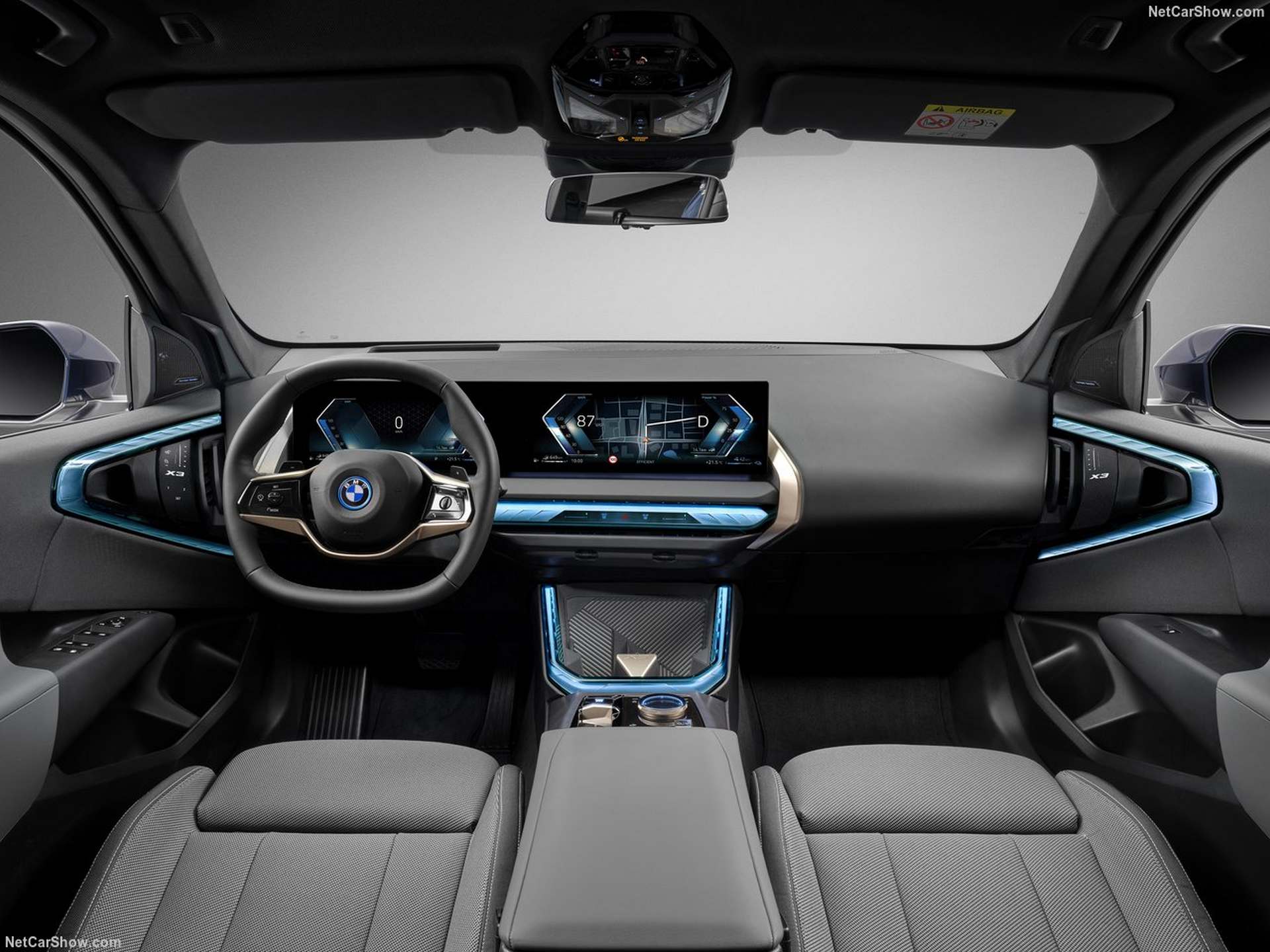
The significant updates come from the Neue Klasse refresh and the new tech. The latter includes the BMW iDrive 9 software, which debuts in the G45. The familiar rotary knob is still around, this time made from crystal-like glass and positioned on a small and tidy switch panel just behind a large section dedicated to wireless charging for two phones. However, it won’t be around for long as BMW has recently announced its cancellation, so grab yourself an early G45 if you need the knob. Like any other system, it’s also touchscreen capable, as per the enormous rectangular screen that makes up the instrument cluster and infotainment/climate control. Interior seating surfaces, door panels, and the dashboard are covered in nice materials with a few faux-leather options and one for genuine leather. Styling-wise, it shares the same focus on angled lines and funky geometric shapes as the rest of this generation of BMW styling.
The rear of the G45 feels familiar, with a sharper approach to the X3 rear ends of hold. But the front is something entirely different. It’s broad and flat, with kidney grilles large enough to pass a watermelon through if they weren't filled with active aero and cooling. The broadness and flatness carry on through the sides, with significantly fewer body lines and creases than preceding generations. All the smoothing and flattening speak to the desire to make it more slippery through the air in the name of efficiency. BMW, like many, has seen just how far the industry has been able to take efficiency, and it's leaning into that with this more complete way of taking on the challenge.
With a six to eight-year lifespan ahead, the G45 is just setting out on its sales adventure. While we’ve yet to see how it wears in, what breaks, and what needs improving, it takes a lot from its predecessor, and FCP Euro is well prepared to cover all needs from that chassis. The G45 has a long way to go to best its predecessor, and at least one major update to help out with that. Whatever happens with that, FCP Euro will support all X3 owners with whatever they need to keep their BMWs in perfect running order.