The A6 has been Audi’s mid-range sedan for nearly three decades, and can trace its roots to a model born in the sixties. Its popularity has evolved with the times, but even in today’s sedan-strapped world, it remains a tech-forward, luxury-wrapped choice for many. Along the way to its current generation, it’s had legendary engines, striking designs, and a few bouts on the silver screen, each adding to the storied history of Audi’s mid-size sedan. Where the A6 lineage officially begins is up for some debate, so read up on its history and make that determination for yourself.
The Audi 100 and 5000 (C1, C2, C3)
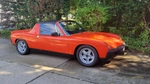
Way, way, WAY back in the ancient times, circa 1970, Audi brought their then-flagship 100 sedan across the pond for American consumers. To this day, the C1 Audi 100 remains a great-looking example of the era’s styling, with clean, simple lines that lend well to modern resto-mod builds. Sold until replaced in 1977, the C1 sported a 1.8L naturally aspirated inline-four cylinder mounted longitudinally ahead of the front wheels and mated to a FWD transaxle. Audi sold 100s in a few body styles, including two- and four-door sedans and the striking 100 Coupe S. A 1973 facelift introduced a slightly larger 1.9L engine, US-spec crash bumpers, new headlights, and a few rear suspension changes.
American-spec 100s lacked the 100 hp its name was meant to signify, but its stylish exterior helped it sell well enough Stateside—it was a major success in Europe, too—for Audi to follow up with the next generation. The C2 was a major step forward, boasting an all-new unibody chassis designed to fit Ferdinand Piech’s vision of Audi fighting Mercedes and BMW on showroom floors. It was larger than its predecessor and full of tech advancements, led by the introduction of the first production five-cylinder engine. While a four-cylinder was also available in Europe, the odd-numbered engine was the sole powerplant for the American-spec C2, which also lost its “100” model name. The new variant was to be the Audi 5000.
Audi offered several 5000 variants in the States, with a few five-cylinder flavors. Many were the upmarket S trim, pushing Audi’s narrative of becoming the “other” choice, if not a direct competitor to Mercedes and BMW. Owners of the former were meant to be tempted by the diesel engine options, none of which were particularly strong. Performance shoppers were given the 5000 Turbo in 1980, ushering in the beginning of Audi’s most famous engine. The C2 would carry on for a few more years through 1982 before being replaced by its successor, the C3.
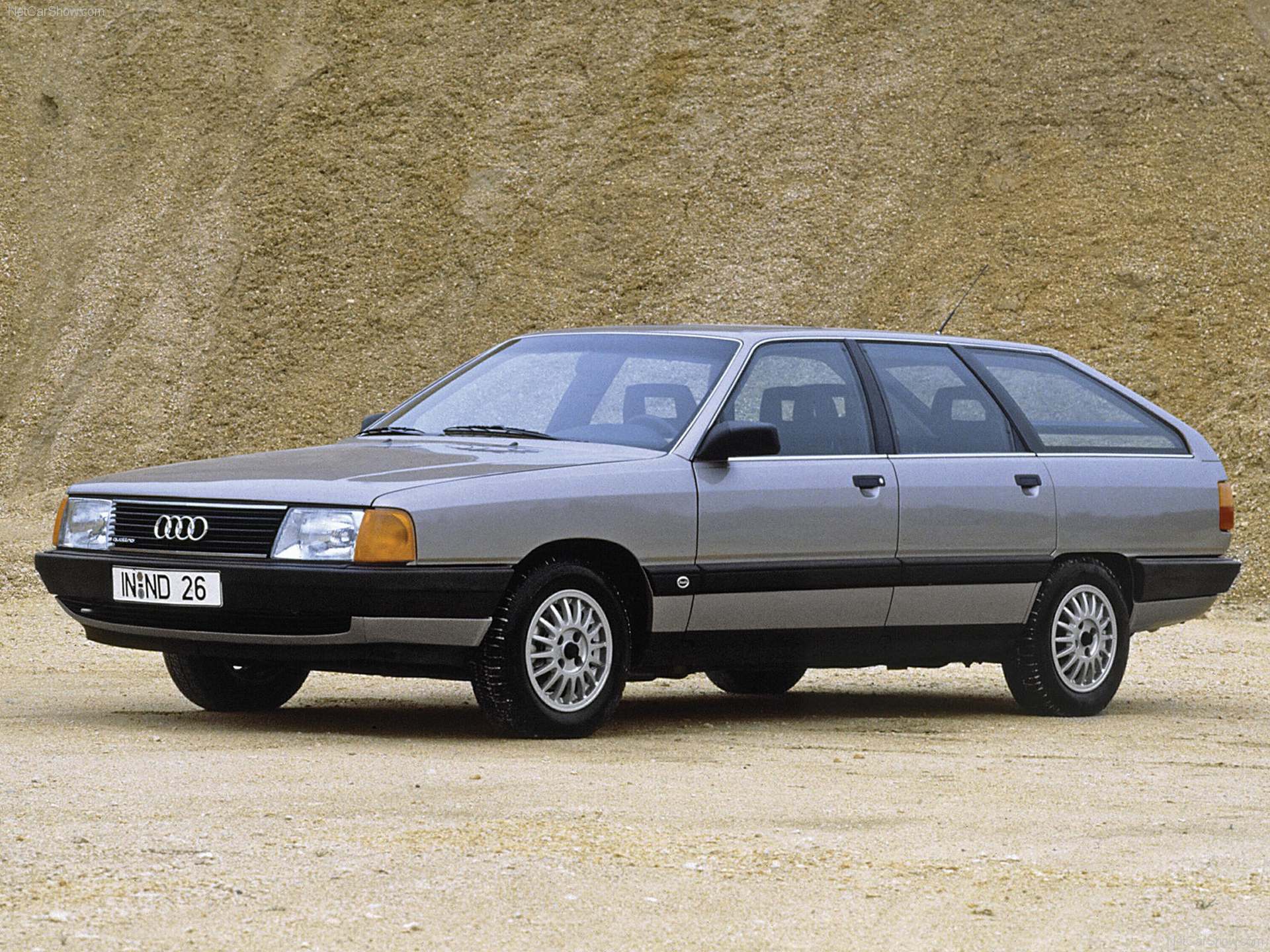
The first few years of the C3 5000 were promising for Audi, as sales climbed to heights not yet seen by the four rings Stateside. The updated sedan was the first to really focus on aerodynamics, tucking trim and blending lines for a much more drag-efficient package that raised the top speed and improved fuel efficiency across the range. It also featured the first Avant in the lineage, spawning the body style that remains today. There were new engines and updated tech, too, but only Audi enthusiasts really remember that. Most everyone else only remembers what happened next.
The NHTSA called it “Sudden Unintended Acceleration,” in which the 5000 would leap forward uncontrollably and of its own accord, resulting in several crashes and a few fatalities. In the end, the federal agency determined the cases linked to Audi 5000 models were not the result of mechanical defects but of user error. But that didn’t do anything for public opinion, which, on the back of a falsely portrayed 60 Minutes investigation in which they rigged an Audi to appear faulty, had deemed the 5000 damaged goods.
The PR whirlwind and subsequent recalls designed to make their cars just a bit safer for those who didn’t pay enough attention while driving had crushed Audi’s reputation. Not its rock-steady performance in a daring mission to save a pilot from a belly landing, keeping a mechanic steady enough at speed to pull down the remaining pit of landing gear just feet from the active propeller, nor its absolutely dominant 1988 Trans-Am championship run could help. By then the damage was done.
Even to this day, unintended acceleration is the first thing most remember. Sales of the big Audi cratered, and 1989 models were renamed the 100 once again, likely to distance itself from the 5000 in any way. Despite the name change, C3 sales wouldn’t recover before its replacement in 1991.
Audi C4 100 & A6 (1991-1998)
The last vestige of the Audi 100 name was definitely the best. Built on the revolutionary C3, the C4 followed with evolution. The overall car grew by very little, but that didn’t stop engineers from working with what they had, squeezing a two-inch wider track and a couple extra feet of cargo space into the stiffer chassis. Styling largely remained similar, but the hard edges of the eighties gave way to nineties softness, adding a bit of curvaceousness (largely for aero improvements) to the C4 100. Under the hood was an all-new 2.8L V6 that provided a big bump in power and, combined with the stiffer suspension and four-wheel disc brakes, gave the base 100 far more performance than its predecessor. However, there was a new top-spec trim this time around, and Audi called it the S4.
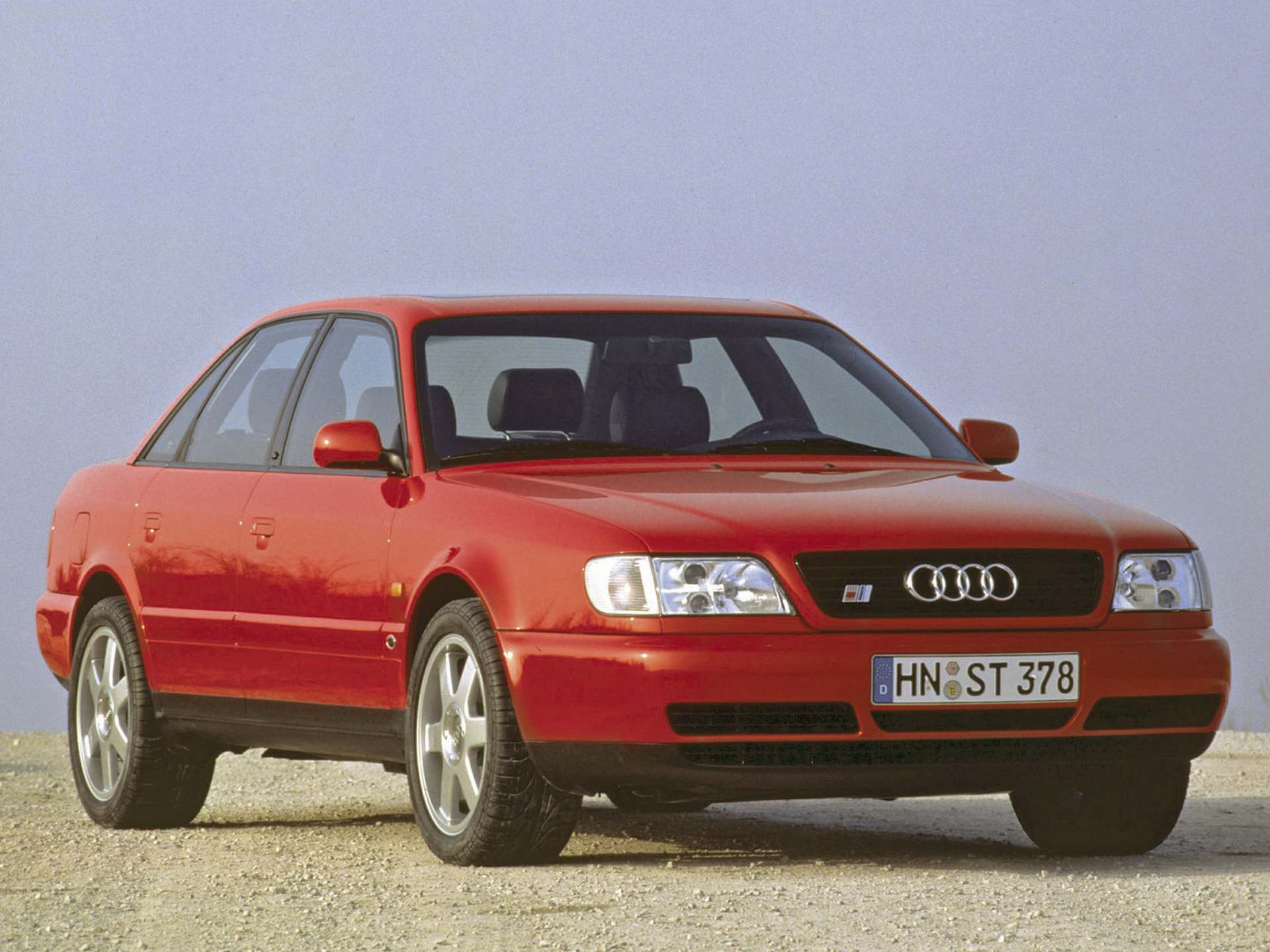
Before the B-chassis-based A4 arrived, the C4 platform was the first to wear the S4 badge. It arrived in the US sporting the AAN engine, the beloved 2.2L turbocharged 20V five-cylinder known for putting up staggering power figures when modified. Even in stock form, its 230 hp and 258 lb-ft of torque were nothing to scoff at, helping the big sedan snap off a low six-second sprint to 60mph. It was placed in a standard C4 chassis, mated to a five-speed manual transmission with quattro all-wheel-drive, then fitted with a lowered, stiffened suspension and intensely bolstered leather seats. The ones you’ll find today almost always have upwards of 200,000 miles, a testament to their reliability and owners’ love.
C4 100 sales recovered somewhat from the 5000 debacle, but never returned to their heights. With that said, the 100 accounted for most US sales in the early nineties, helping keep Audi relevant against an increasingly competitive US market as companies like Lexus, Acura, and Infiniti joined the luxury car segment.
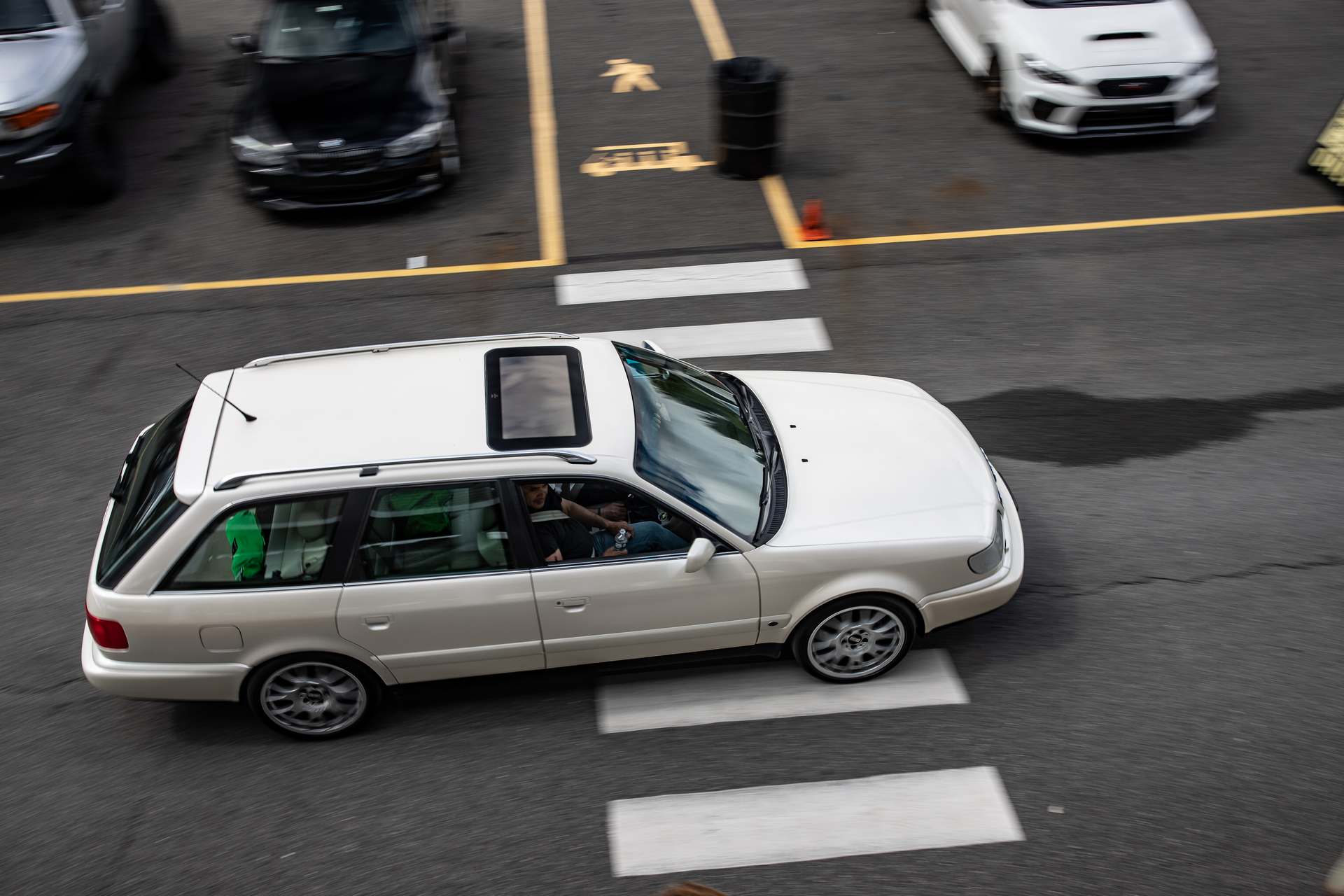
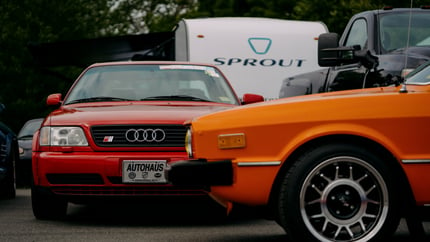
The 100 lasted until 1994, when Audi retired its name during the C4’s mid-cycle facelift. It came with a few smaller mechanical and comfort-related changes, but each of those is overshadowed by the new model name we’re now so familiar with: A6. Along with the A6, the S4 (often referred to as the Ur-S4) was renamed S6 to maintain the naming convention. Both model variants remained on sale through 1997 without major updates before Audi swapped over to its successor, the C5.
Audi C5 A6 (1998-2005)
Audi's design philosophy was being reinvented in the mid-nineties, shedding its historically boxy shapes for all things curvaceous. Starting with the Avus quattro concept and peaking with the TT, the softened designs represented a revolutionary period for Audi. It saw the rise of five-valve cylinder heads and the first series of S-models across the newly renamed and restructured Audi lineup, which continues in an evolved form today. Build quality was superb, as was comfort and the tech available in the more expensive models. It was the first series of cars with Piech at the helm of the VW Group, which many believe is the best the conglomerate has ever had.
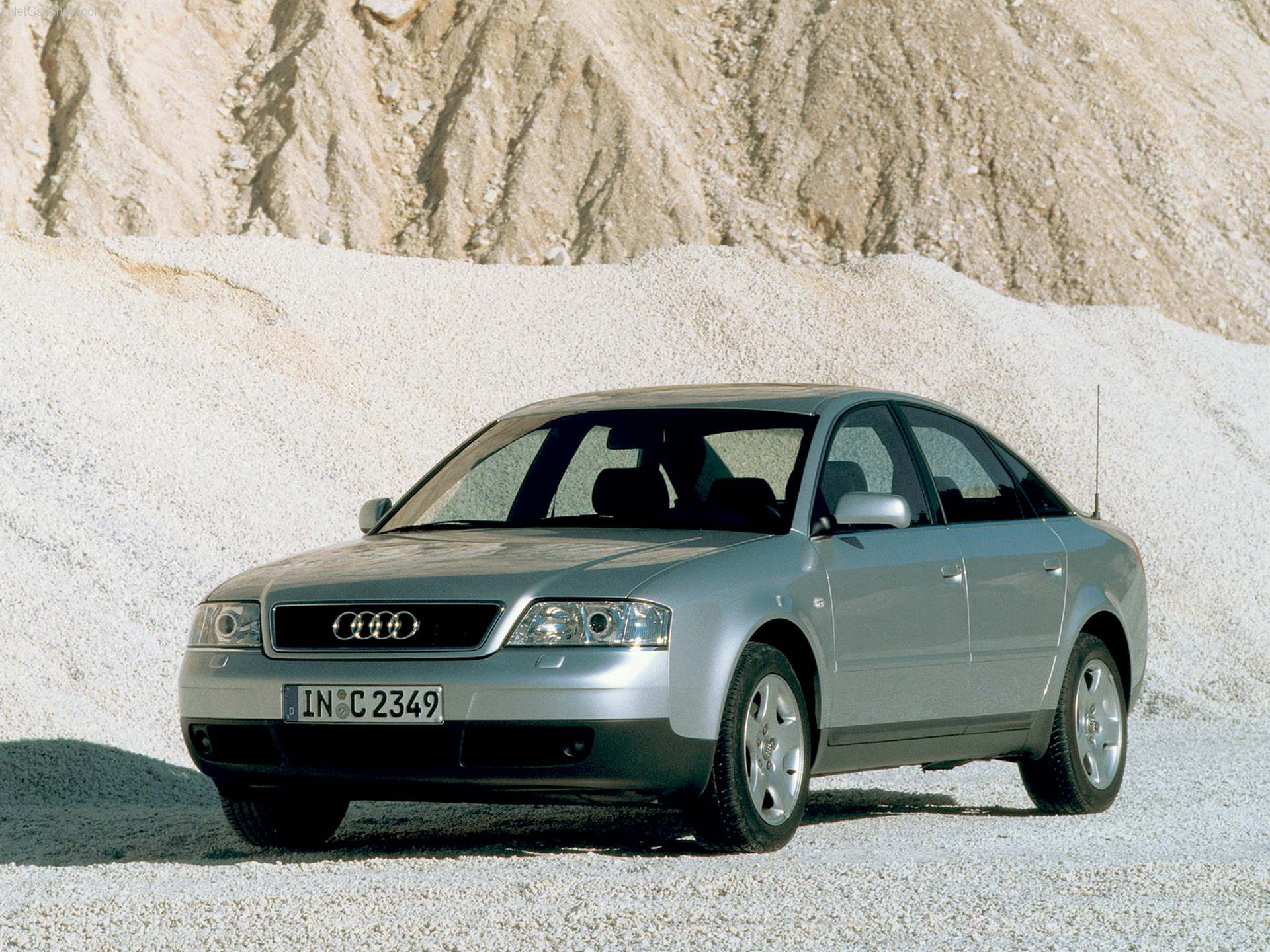
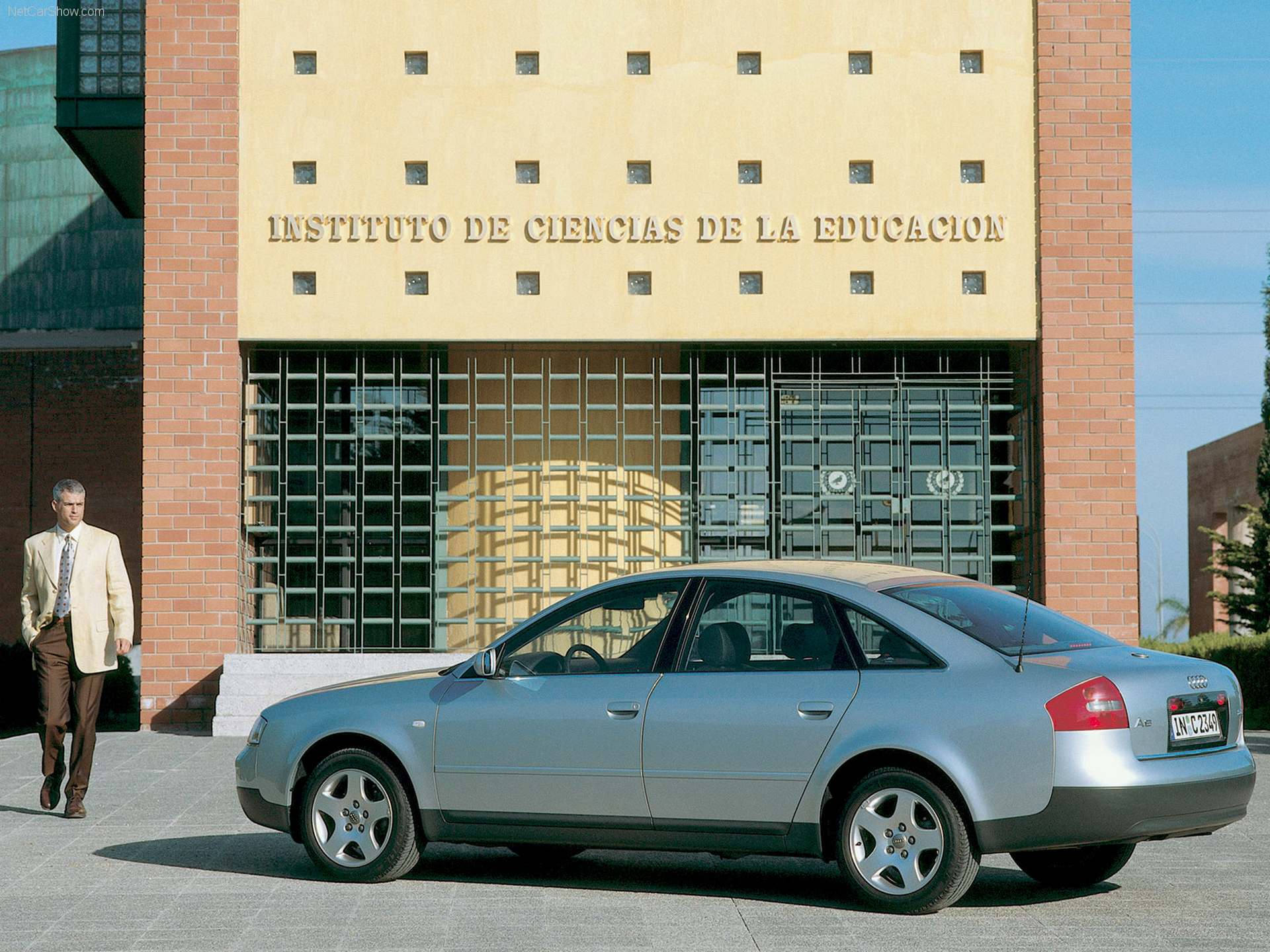
The C5 A6 benefited from the recently released B5 A4 and Passat, sharing much of their powertrain and suspension architecture while utilizing A6-specific individual components in many areas. Quattro was an option in America, but could be had with the Tiptronic five-speed automatic transmission and both the five-speed and six-speed manual transmissions. Under the hood could’ve been a handful of engines, from the basic 30V 2.8L V6 to its 3.0L facelift replacement, a 40V 4.2L V8, or the infamous 2.7T twin-turbo V6. Most of those could be had across all three body styles, which, for the first time, included the allroad along with the Avant and sedan.
Speaking of body styles, the C5’s exterior was a major departure from the models it succeeded, largely in part due to Audi’s updated design philosophy. Their vehicles now embraced curves, with the A6 adopting a somewhat chunkier appearance without looking out of shape. Connections to predecessors can be seen in the grille and headlights, but the rear is completely redesigned, sporting taillights reminiscent of those on the TT. The rest of the car's appearance depended on the trim, with the sportier S6 receiving a few differing exterior bits, like the door side blades, marginally different bumpers, a quad-tipped exhaust, 17” Avus alloys, and the aluminum mirror caps. Allroad models saw their wheel arches and bumpers replaced with unpainted plastic versions to signify their rugged capabilities.
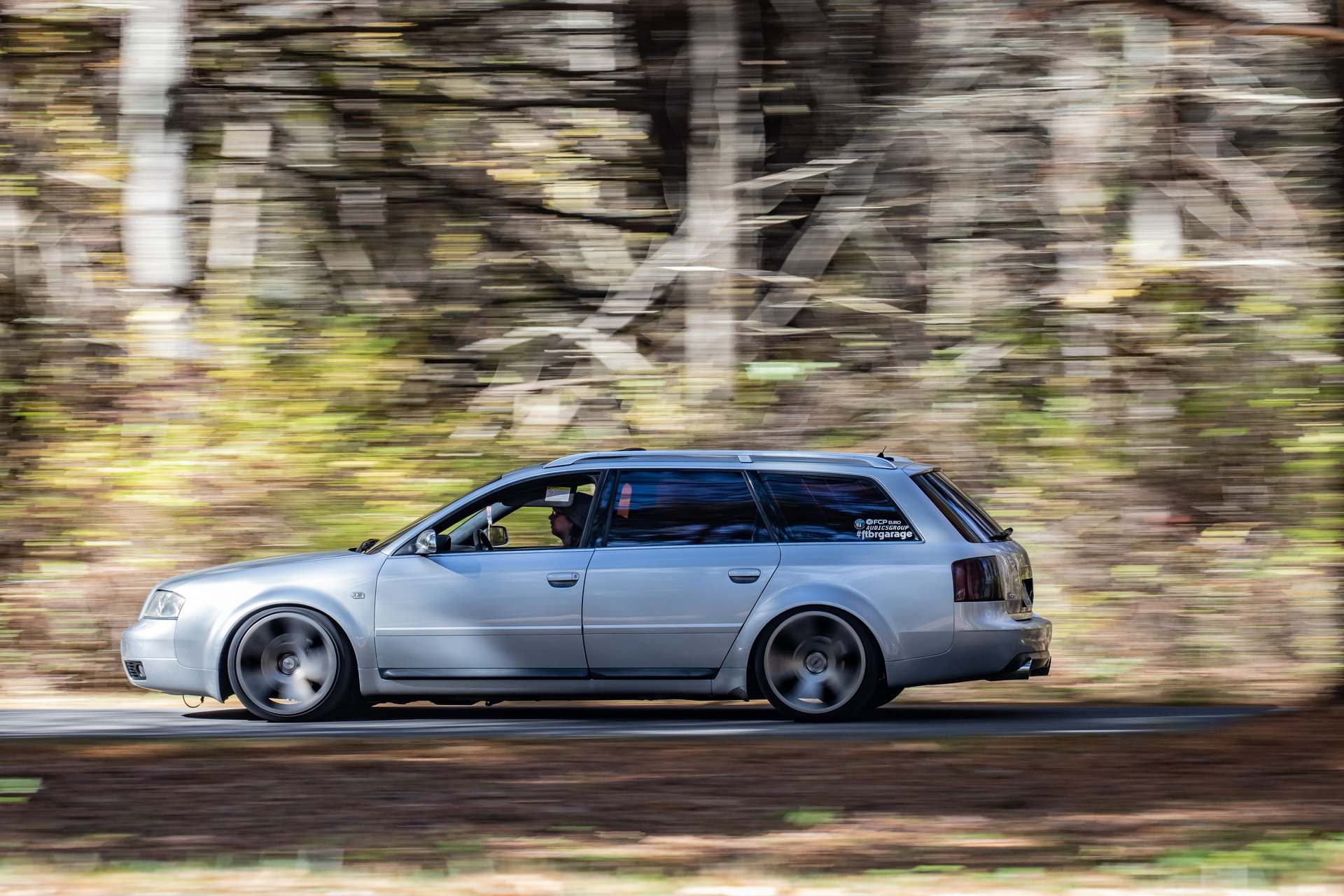
Both the allroad and the S6 were only brought to America as Avants, though a sedan S6 was available in Europe. Audi had offered fast wagons for several generations, but the C5 was the first to bring the 40V 4.2L V8 to the A6 family stateside. In the S6, it made about 340hp and 310 lb-ft, while in the standard A6 and allroad, it was tuned down to 300hp and 280 lb-ft. Engine power also reflected the performance those two models were designed for, with the S6 being the stiff, low, and sporty family wagon. Providing the counter to the S6, the allroad featured height-adjustable air suspension for a smooth, adaptable ride. Of course, two decades on, that air suspension has become infamous for its unreliability, so consider that if you’re looking for the original allroad.
The C5’s facelift came in 2002 and brought mostly cosmetic changes, including reshaped headlights, a different grille, and restyled taillights. It also introduced soft-touch interior plastics, much to the chagrin of many today. Most importantly, though, it ushered in the RS 6, the first RS model for the US.
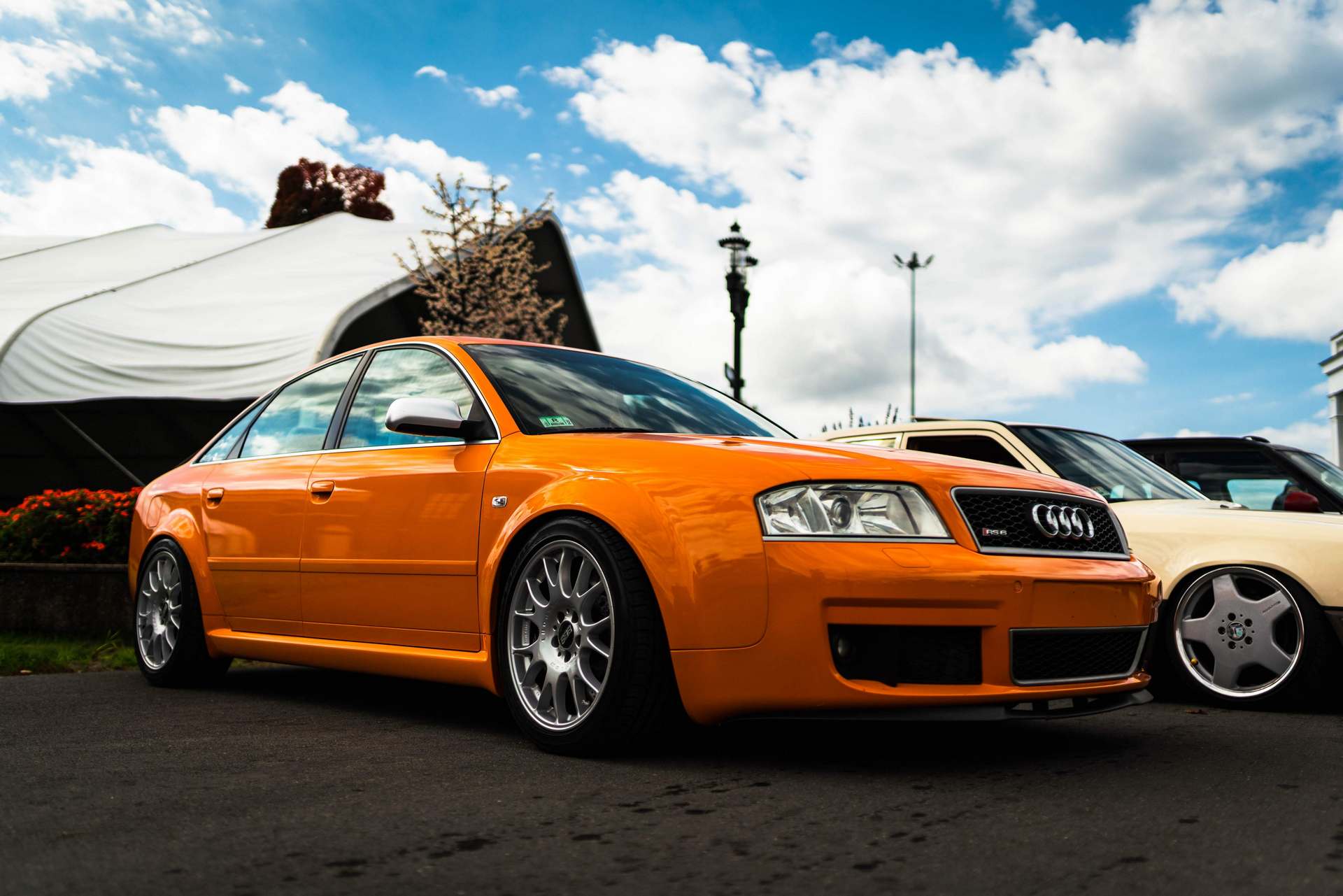
The C5 RS 6 is still a monster all these years later, thanks to a Cosworth-developed, twin-turbocharged variant of the five-valve 4.2L V8 that produces 444hp and 413 lb-ft of torque. The Tiptronic automatic in each example came from the European A8 W12 because it was the only one that could withstand the engine’s power and help it reach a sub-five-second sprint to sixty despite its 4100lb curb weight. Enormous eight-piston front calipers were placed behind the bespoke wheels to rein in all that mass at speed, and Audi’s Dynamic Ride Control suspension with double-wishbone front suspension (all other C5s used a MacPherson strut) kept the big sedan flat through the bends. Oh, and all of that performance was stuffed into a widened bodyshell adorned with bespoke bumpers, aluminum panels, and leather Recaro seats. All examples brought into the US were sold as 2003 model year, and although exact production figures aren’t available, most outlets put the total at around 1200-1400 cars between the US and Canada.
Audi C6 A6 (2006-2011)
Towards the end of C5 production in 2003, Audi debuted the Nuvolari concept car. It sported a 5.0L twin-turbocharged V10, a large trapezoidal grille, and a handful of body lines and light shapes we’d see in the years to come. The C6 A6 benefitted from a few of those features, including what we now know as the singleframe grille, a defining feature on nearly every Audi product since. More than that, the C6 represented the next generation of Ferdinand Piech’s vision.
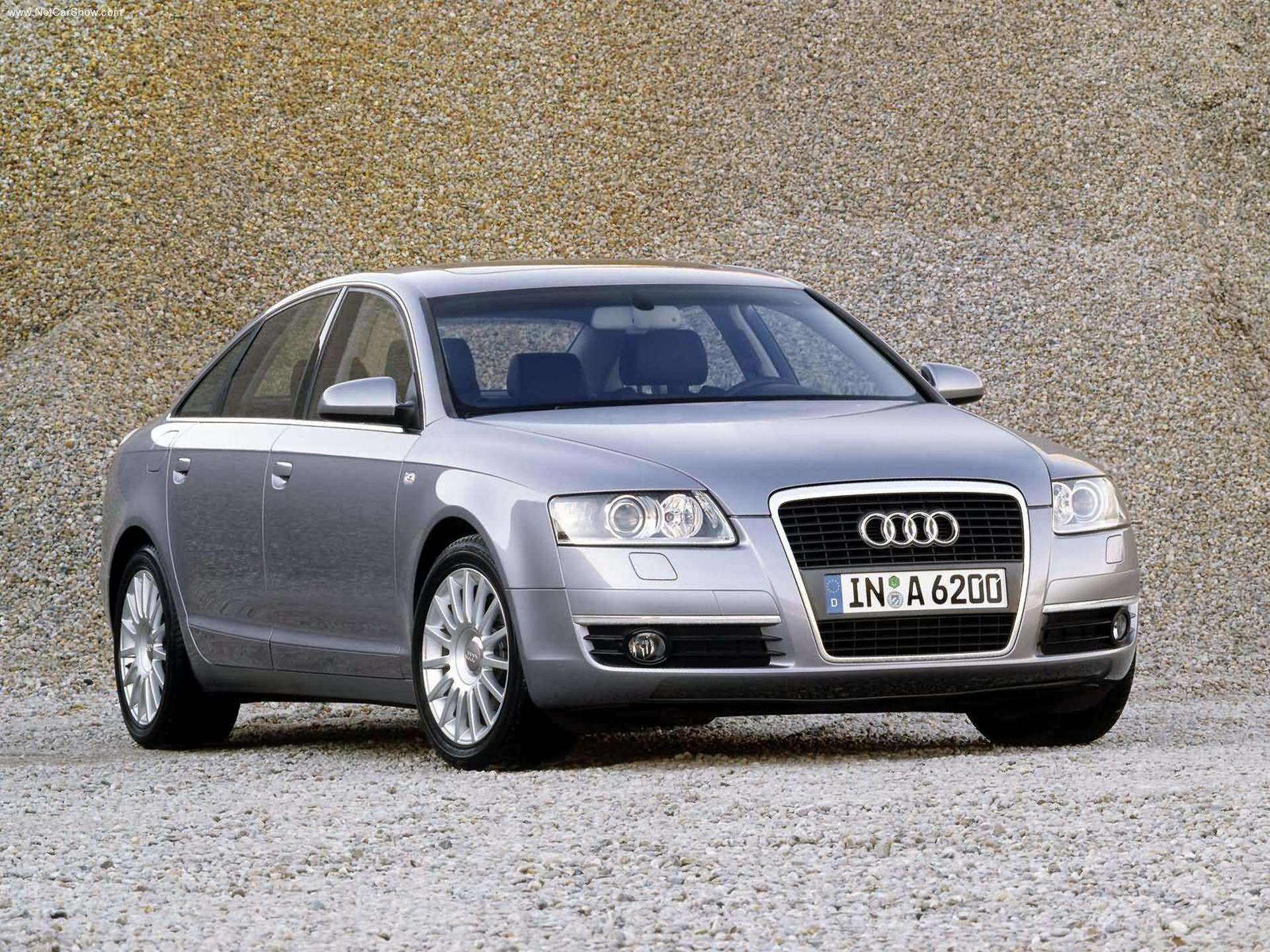
With the grille came an abandonment of the previous generations' Bauhaus-inspired cleanliness and curvature for a bit more presence from sharp body lines at the beltline and around the sills. It’s tidy and handsome, remaining so today as design language has shifted toward intense angles and deeply cut lines. The modernized look is draped over a chassis a tenth of an inch longer than the C5, but with a significantly longer wheelbase. Audi moved the front axle line forward by 2.4” relative to the dashboard and added a bit more interior space behind it, for a total extension of 3.3”. It got wider, too, growing 1.4” up front and 1.1” in the rear. Between the rearward weight shift, the wider track, and extensive aluminum usage in the suspension, the C6 became a far better-handling sedan (or Avant) than past generations, despite not being a sport sedan.
Beneath the skin, the C6 A6 debuted with a more powerful 4.2L 40V V8 and a new naturally aspirated 3.2L FSI V6. While the V8 was the flashier choice, the FSI V6 was the first to introduce direct injection to the A6, adding more power and improved fuel economy despite more displacement than its predecessor. Both engines came equipped with a six-speed automatic transmission and quattro all-wheel drive. However, just two years after its debut in 2007, the older V8 was replaced by the 32V 4.2L FSI V8, shedding the five-valve head and port injection for a more traditional four-valve head and direct injection. As with the V6, the FSI V8 provided more power and better efficiency than its predecessor.
2007 was also the year the other FSI engine debuted in the C6 S6: a normally aspirated 5.2L V10. Essentially the same as that in the D3 S8, it produced 435 hp and 400 lb-ft of torque through a specially tuned six-speed automatic transmission and a rear-biased quattro system. Twenty years later, the Lamborghini-esque roar it belts when you mat the throttle is still one of the prettiest ever created by Audi, and its sub-five-second 0-60 mph time is just as impressive. Unfortunately, beauty is pain in this case, as the V10 has proven to be one of the toughest engines to keep issue-free. Unlike its predecessor, we Americans only received the S6 as a sedan; as you’d expect, Europe also received it as an Avant. Europe also got the C6 RS 6, which utilized the V10 strapped with two turbochargers. An absolute monster but a genuine rarity, it’s even more of a hassle to own than its “lesser” sibling.
Audi facelifted the A6 in 2009. Wider, reshaped taillights previewed future Audi design, while the front end got a milder update in the form of a slightly reshaped Singleframe grille and larger lower bumper inlets. Audi’s third-gen MMI provided a much better infotainment system, but that couldn't outshine the introduction of the supercharged 3.0T V6. Built on the 3.2 FSI with tons of changes, it delivered V8-like performance in a smaller, lighter, more efficient package. It’d power the next-generation A6, and in the process, become one of the most beloved engines in Audi’s history.
Audi C7 A6 (2012-2018)
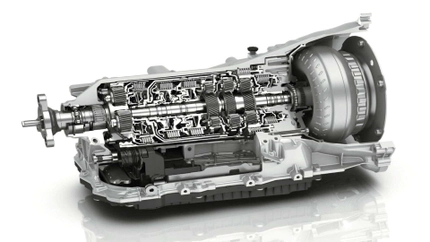
Audi had long been operating within established VAG platforms, but the MLB architecture underpinning the C7 A6 may just be Audi at its best. The new platform took all the previous generations of modularity and expanded on it, ensuring powertrain positioning in a range of applications was going to remain uniform. I wouldn’t argue that it doesn't sound flashy, but it allowed VAG to consolidate parts, reducing engineering costs and ultimately those passed to the consumer. The A6 was always going to join the MLB platform and reap its benefits, but doing so just as the EA837 3.0T engine was hitting its stride, and the ZF 8HP automatic transmission came into service, pushed the C7 to new heights.
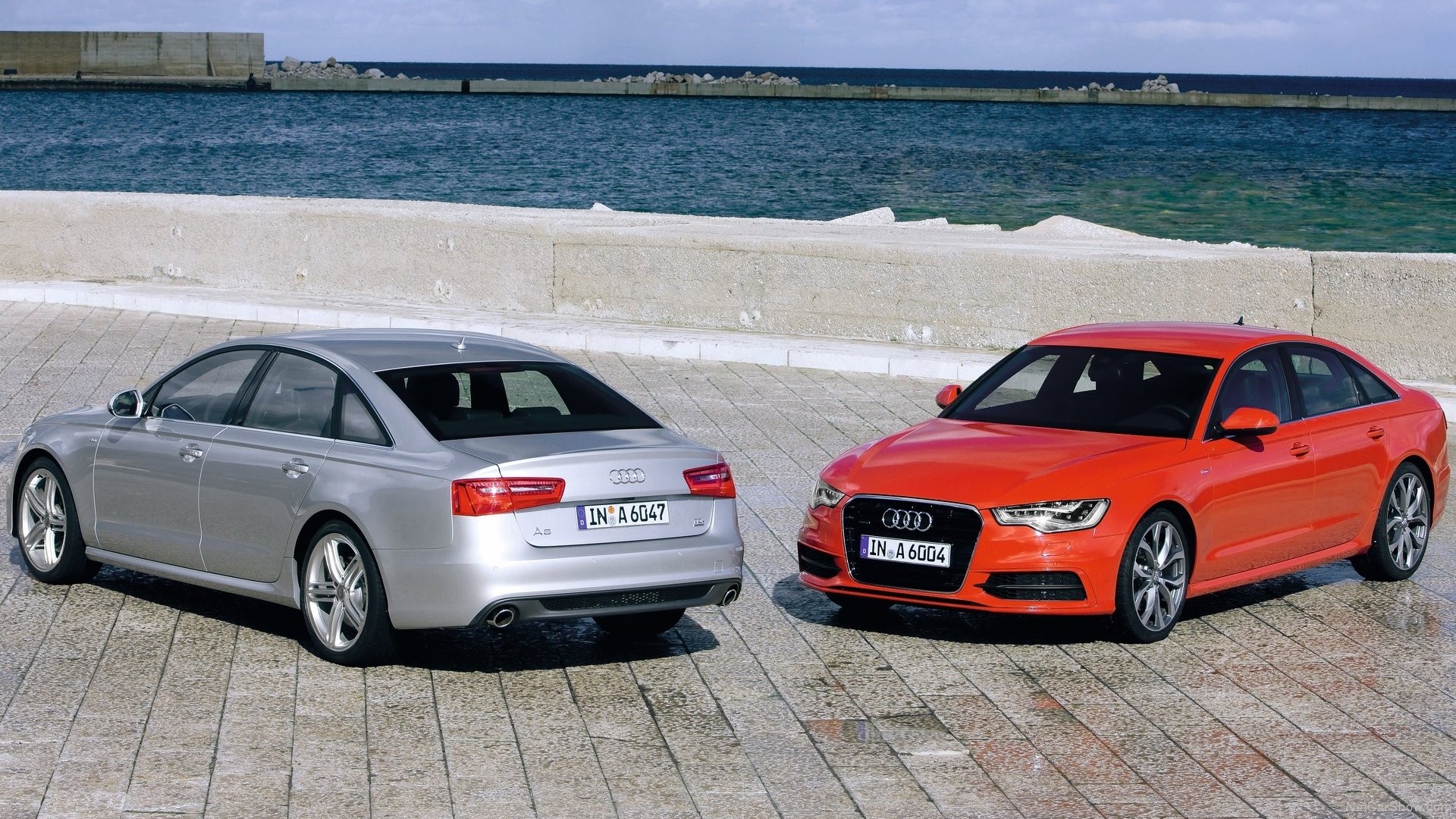
The all-new chassis was a leap forward for the A6. The MLB architecture and advanced manufacturing meant the C7 was assembled with significantly more aluminum, lending to a lighter, stiffer package. It, along with some refreshed suspension (non-adaptive, coil spring), made the C7 A6 a much better-handling car yet a more comfortable ride than the often-considered stiff-riding A6. Wrapping that chassis is a handsome exterior that balances muscular fenders with a perfectly styled front and rear fascias to deliver what some consider the best-looking A6 of all time.
Power is provided by one of a few engines. Pre-facelift 2.0T models utilize the EA888 gen3, a turbocharged inline-four, while 3.0T models use the EA837, a supercharged V6. Post-facelift 2.0T models feature no change, but the 3.0T engine was replaced by its updated EA837evo variant. All three are relatively reliable choices with good tuning potential and killer fuel economy; however, none beat the TDI for the latter. TDI examples arrived a couple of years into production and left after 2016 thanks to Dieselgate. Despite the emissions cheating, the 3.0L turbodiesel V6 remains a great choice for a commuter and can even be tuned for a bit more performance. All engines send their torque through the aforementioned ZF 8HP eight-speed automatic transmission and quattro all-wheel drive. That said, FWD is the base drivetrain on 2.0L models, provided by a seven-speed DSG.
Facelifted models arrived for the 2016 model year with subtle exterior changes and a handful of tech improvements. Luxury appointments were already strong with adaptive cruise, adaptive headlights, 4-zone climate control, and a Bang & Olufsen stereo, and they got even better with updated MMI software bringing about Apple CarPlay and Android Auto connectivity. Mechanical updates consisted of a couple of engine updates, moving the 2.0L engine from its second-generation variant to the third, and the 3.0T to its evo variant. Both resulted in improved economy, reliability, and power, with the latter gaining nearly 30hp.
Once again, the S6 was the top-spec C7 model available in the US. It was built on a standard C7 A6 chassis but with four-corner adaptive air suspension, a twin-turbocharged 4.0L V8, and a seven-speed DSG. Inside, the S6 features all the tech you can get in the A6 and special S-branded Valcona leather seats with diamond stitching. Altogether, it was a more liveable package than some of the harder-edged sport sedans, packing ridiculous power and luxury appointments into a sporty-enough chassis.
Buyers were quick to see the benefits of the C7 generation early on, and never really relented in their desire for it. Whereas the C6 A6 sold well enough in the States, the C7 sold exceptionally well, nearly doubling the C6’s best year in its worst. You can see that for yourself on almost any online automotive marketplace where Audi listings are littered with C7s of every type. Good news for you, the prospective A6 owner.
Audi C8 A6 (2019-2025)
Taking over from the most successful generation in Audi’s history was never going to be easy, but Audi managed to make it work. The C8 didn’t grow much, nor did its chassis change radically. It's an evolution of its predecessor, featuring an updated MLB evo modular platform, a few new engines, and revised transmission offerings. Tech updates were aplenty, too, with larger screens, quicker software, and a refreshed interior layout. It was an A6 reimagined for a more advanced market, and Audi successfully made that work for themselves and buyers alike.
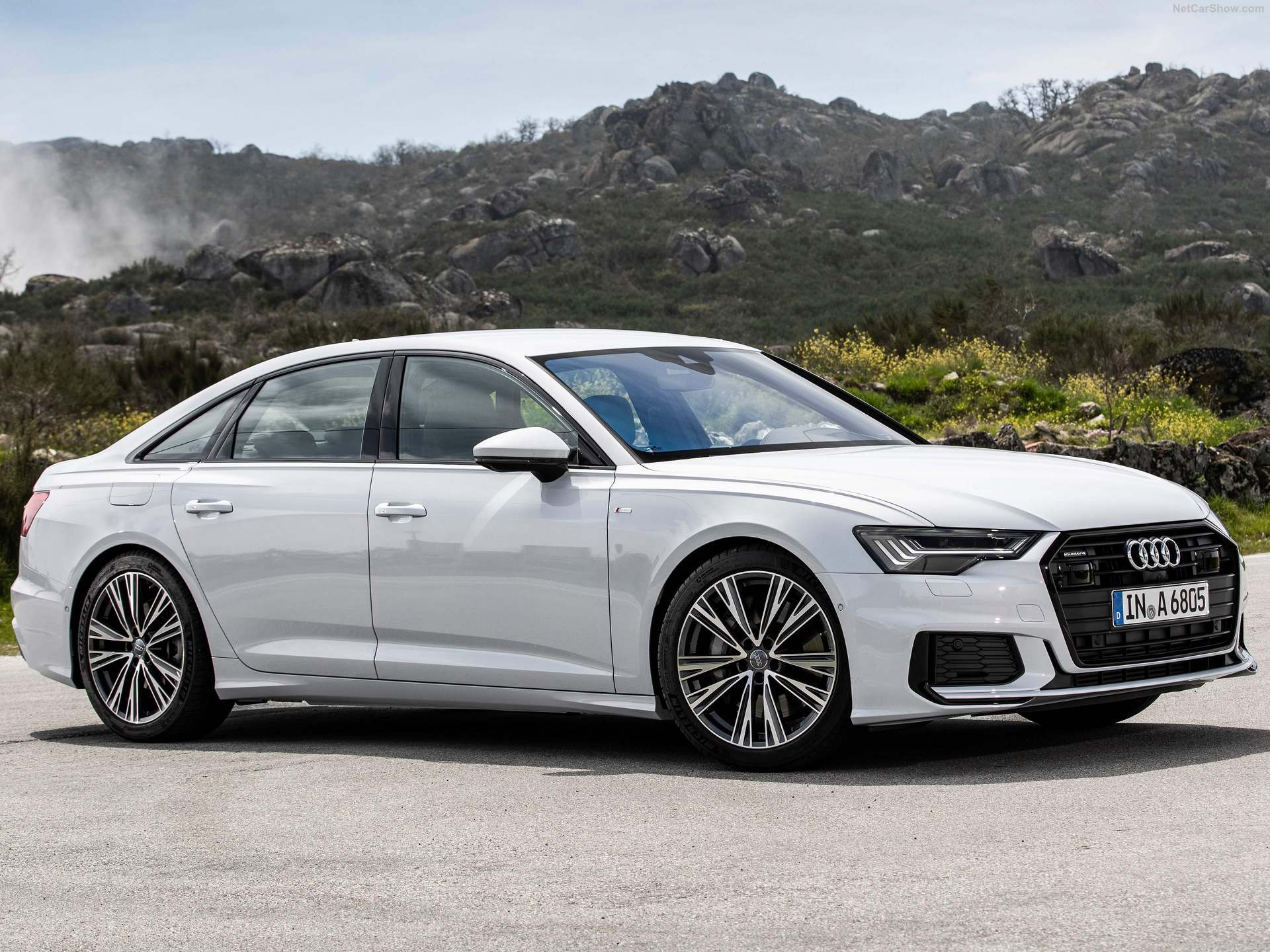
Riding on the MLB Evo platform, the C8 A6 shares its firewall, engine mounts, powertrain positioning, and a few other components with a range of vehicles across the VAG family, including the D4 A8, Cayenne (9YA), and 4M Q7. From that, many engines could have found their way into the C8, should Audi have wanted, but it was once again just two options: a 2.0L turbocharged four-cylinder or an all-new 3.0L turbocharged V6 developed with Porsche. Dubbed the EA839, it’s commonplace in many Audis and Porsche’s four-door models, generating plenty of punch even in its most basic form. Behind the new engines was a then-new seven-speed DSG accompanied by a 48V mild-hybrid system and quattro with ultra technology. The latter is the first major update to quattro in nearly thirty years.
The C8 A6 uses a multi-link suspension architecture front and rear. Both arrangements are tweaks of Audi’s long-established suspension design, providing enough agility and plenty of composure through the bends. For the first time, Audi offered electronically adjustable dampers, with multiple settings for the A6. Those settings are adjusted as part of Audi’s Drive Select system, which provides five modes (Efficiency, Comfort, Auto, Dynamic, and Individual) that change the damper setting, steering weight, transmission shift points, and throttle response. You’d be hard-pressed to call the ride sporty, even with the optional Sports suspension, but the A6's focus is more on its tech, leaving the performance to the S6.
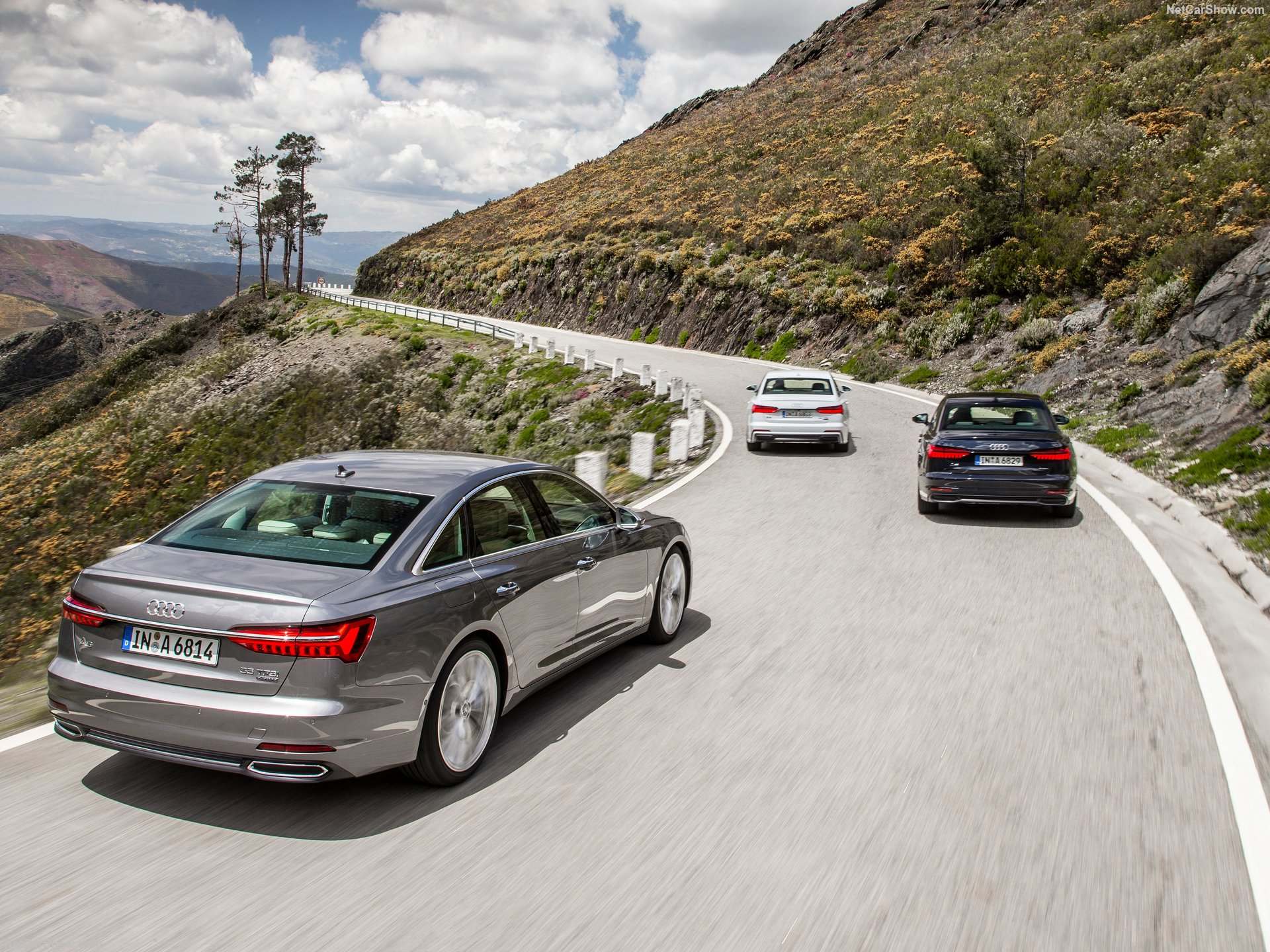
Speaking of tech, Audi positively loaded the C8 with it. Early cars are the lightest of the bunch; in 2020, Audi expanded the standard equipment list across the range to include LED headlights, lane departure warning, and heated exterior mirrors for the most basic model. Building off of that, V6 models could have Audi’s Virtual Cockpit digital gauge display, a heated steering wheel, adaptive cruise control, traffic-sign recognition, lane-keeping assist, intersection assist, and heated rear seats, depending on the trim. Audi also introduced an Executive package, which adds four-zone automatic climate control, adjustable interior ambient lighting, ventilated front seats, heated rear seats, and a power trunk lid. Audi played with the standard and optional equipment throughout the C8’s production, moving individual changes in and out of packages yearly.
The C8 also ushered in the return of the Avant body style missing from America during the C7’s production run. However, should you want the A6 wagon, it’ll have to be as an allroad. The big wagon doesn’t feature much different from the A6 sedan. Standard air suspension is likely the most substantial difference beyond the far larger cargo area and increased headroom in the Avant. As with previous generations, it also wears unique bumpers and wheel-arch trim, signifying its off-road intentions.
You could consider the S6 the antithesis of the allroad, designed for on-tarmac speed and agility rather than soft cruising over rough terrain. It received treatment similar to S6s in years past, using a similar suspension architecture but with S-specific parts to improve handling. Adaptive air suspension plays a huge role in that, providing height and damper adjustability on the fly. Under the hood is a 2.9L twin-turbocharged V6, a more potent variant of the EA839. Oddly enough, the S6 ditches its predecessor’s DSG for a ZF 8HP automatic transmission. Inside, there’s a familiar sight with Valcona leather and diamond stitching on the S-embossed sport seats. Most other touch points are leather-coated or inlaid with Carbon trim.
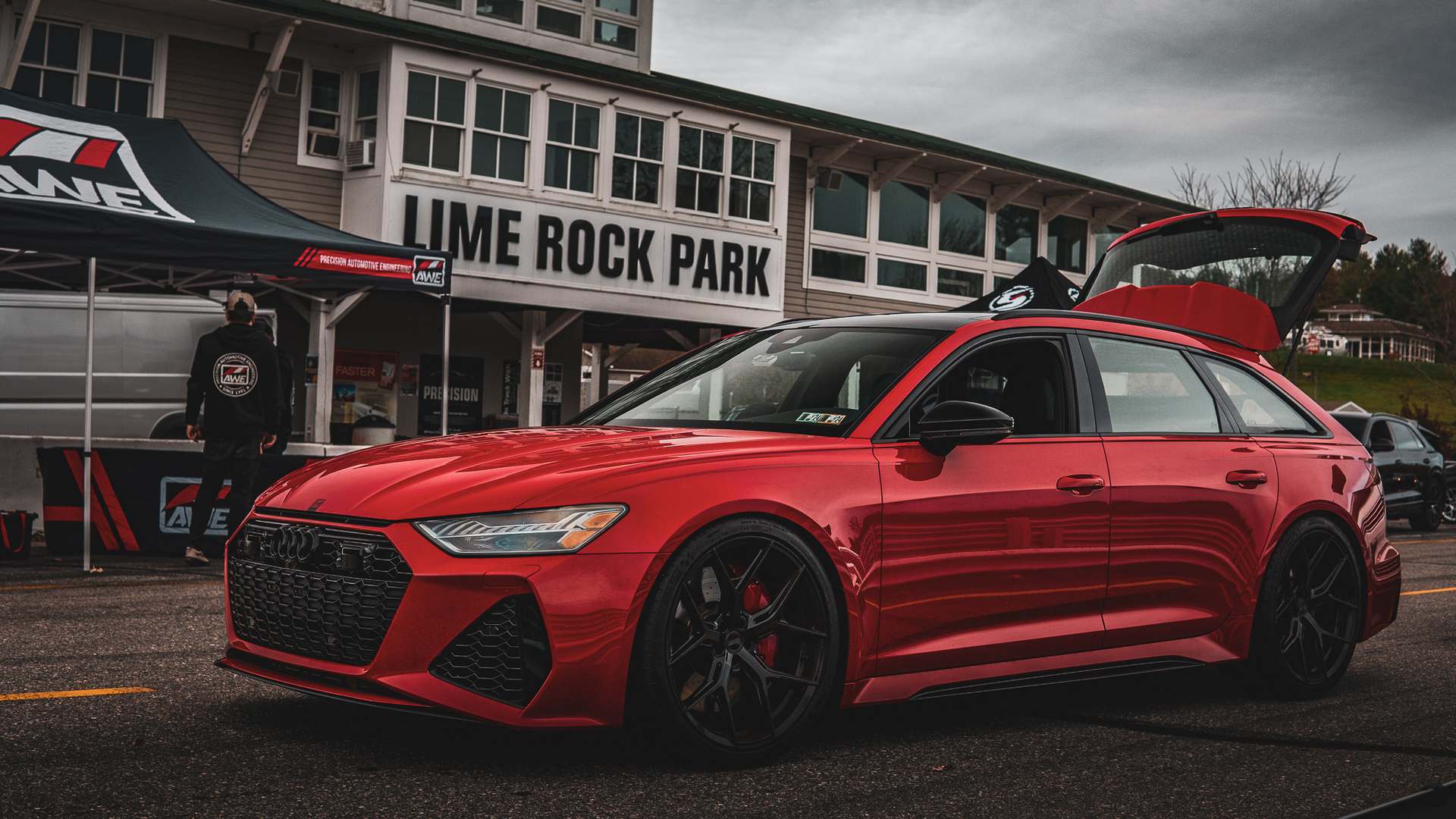
Audi knew the S6 was enough for most, but it still listened to its rabid American fanbase and brought the RS 6 back stateside. Appearing for the first time in almost two decades, it returned as a wildly flared wagon with enormous wheels hiding brakes larger than dinner plates and a twin-turbocharged V8 paired to a 48V mild-hybrid system under the hood. Despite weighing 5000 lbs, the wagon showed immense performance, snapping off mid-three-second 0-60 mph times and topping out around 190mph thanks to a specially geared ZF 8HP. Cornering performance was provided by sport-tuned air suspension, torque-vectoring differentials, massive summer-performance tires, and rear-wheel steering. In 2023, the RS6 Avant evolved into the RS6 Avant Performance, gaining about 30hp and roughly the same in torque thanks to larger turbochargers and more boost. There was also a new center differential, the previously optional RS Dynamic package as standard, and more than a few interior changes.
You can still buy a new RS6 Avant Performance, for now; same for the A6 allroad. But the standard A6 has moved on to what’s likely to be the most polarizing A6 generation yet.
Audi C9 A6 (2026-Present)
European automakers seem to be moving in an unexpected direction with their customers. Rather than sticking closely to what could be considered a recent peak in styling between Audi, BMW, Volvo, and Mercedes, the former two have chucked away their recently beloved designs for radical changes few have asked for. Whether that was a coincidence or the result of chasing a market that was always going to abandon European automakers once its domestic manufacturers caught up, we now have a few interesting-looking vehicles to choose from.
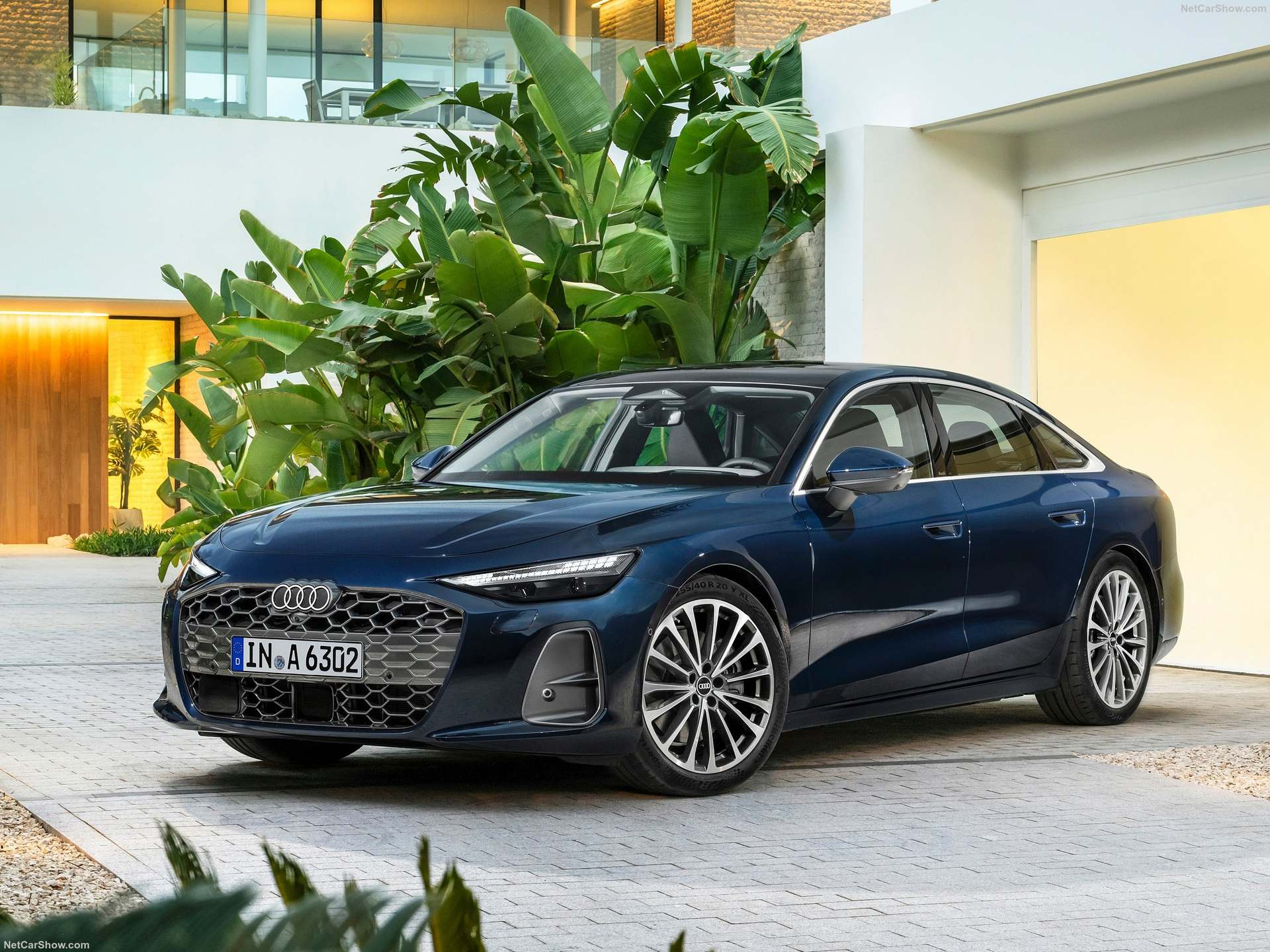
Shedding its predecessor’s large Singleframe grille for one that looks like it's another object pushing itself out through the front of the car, Audi designers certainly went for a more radical redesign than in prior years. Around back, the C8’s taillights were given the split for the C9. The upper portion is the taillight with signals, while the bottom half on either side connects via a large OLED light bar spanning the width of the trunk. I’m not certain it looks one way or the other, but the taillights remind me of the eyes of a certain extra-dimensional demon from DC Comics. Perhaps the extra 2.4” in length and .5” reduction in width are throwing us off of the C9’s otherwise great styling. What do you think of the design?
The C9 is a substantially different car beyond the looks, too, riding on the Premium Platform Combustion architecture. It’s the same platform beneath the newest B10 A5, Q5, and SQ5, providing the latest firewall, software systems, and powertrain positioning to the mid-size sedan. The only engine offered in the US is an updated EA839 3.0T V6 that produces 362hp and 406 lb-ft of torque. It retains the 48V mild-hybrid integration, seven-speed DSG, and quattro with ultra technology from its predecessor, with minor updates.
Although Audi hasn’t released an S6, they offer an optional Sport Plus package for the top-spec Prestige trim. The pricey package strips the air suspension—standard on the Prestige—for electronically adjustable dampers paired with shorter, stiffer coil springs. It then strips the A6 of its standard rear end and replaces it with a similar kit to last-generation’s RS6 Avant: special trim, red calipers, massaging Sport seats trimmed in Fine Nappa Leather, a sport differential, rear-wheel steering, and larger summer tires on bespoke wheels. With or without that package, the A6 Prestige is still plenty special and largely tech-focused, as you might expect, sporting the aforementioned air suspension, double-pane acoustic glass, and 10.9" passenger MMI screen.
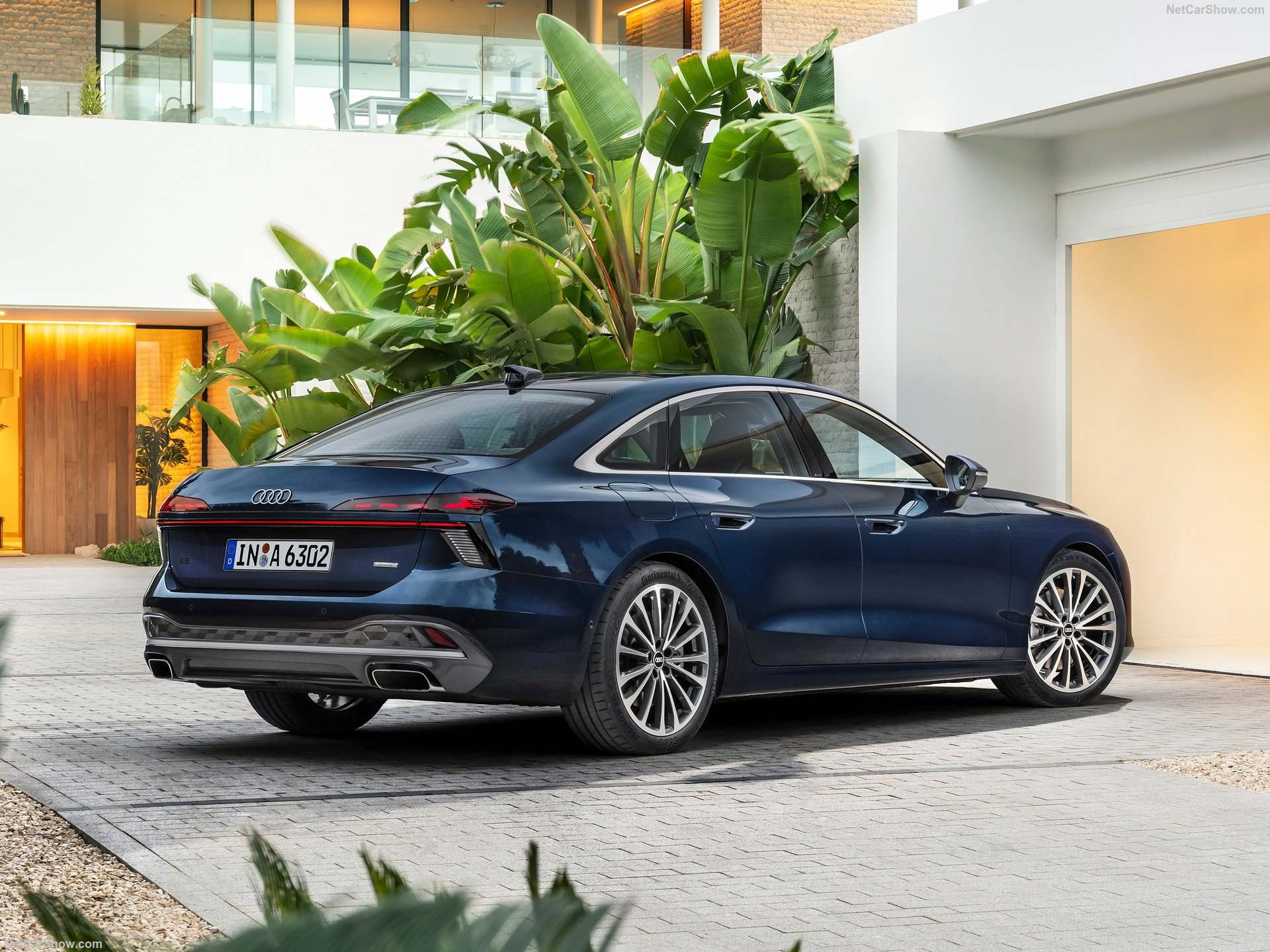
Even without stepping up to the Prestige, the most basic C9 A6 is packed with goodies. These days, an enormous driver’s display screen, heated and ventilated front seats, and adaptive cruise control are regular features, as is a panoramic sunroof with photovoltaic panels that can individually adjust opacity for a highly adjustable light source. Moving up to the Premium Plus includes a Bang & Olufsen 3D audio system, four-zone climate control, and Matrix-design LED headlights.
The upcoming C9 A6 allroad is set to join the sedan in the US in late 2027 for the 2028 model year. As of now, it’s the only other C9-based model confirmed for the US. Regardless of the generation you own, FCP Euro is going to have the Audi A6 parts you need to keep yours running at its best. For more great content, check out our DIY Blog or bounce over to our YouTube channel!