The warmer, precipitation-free weather signals months of mostly lovely driving ahead for all vehicles, but your car may not be ready. Whether your favorite ride was sitting in a climate-controlled garage all winter or it was outside with you, blasting through the snow and braving the brutal weather, your vehicle’s condition may have changed for the worse, and the change in season offers the perfect opportunity to give it a thorough lookover. There’s lots to look at if you don’t know what to look for, so take the guesswork out of it and follow our spring tune-up recommendations.
Wash Your Car
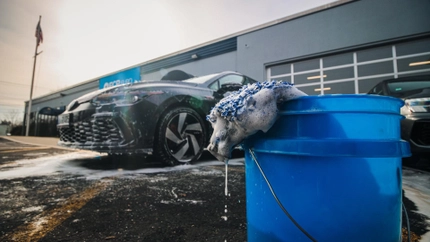
Winter weather, salt, and road debris are harsh on your car. There's just something about a fresh, clean car after a long, rough winter that inspires you to go through the rest of the vehicle. Who wants to work on a dirty car when you could be working on a clean one? Not only that, but removing the salt from your car as soon as possible prevents rot from taking over.
If you're new to hand washing your car, which you should be doing to protect its delicate paint, we have two articles to help get you going: Part one on how to wash your car using the "two bucket" method, and part two on how to clay your car.
Shop Car Wash & Detailing Products
Swap Out Winter Wheels & Tires
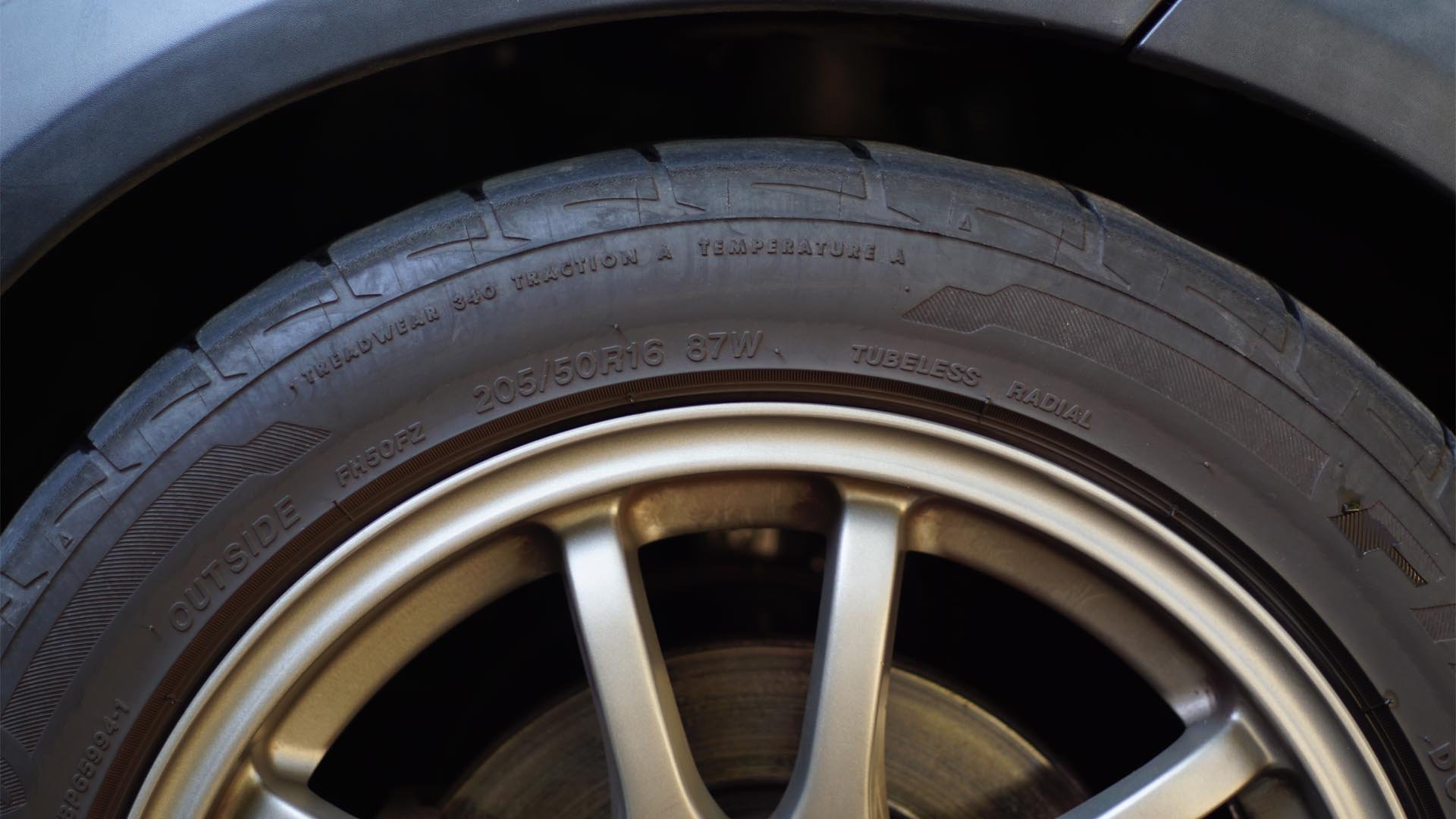
If you've read any of my other articles that mention tires, you know that I'm a strong advocate for running separate sets of winter tires and summer tires. If you're on the same side of the argument, this major spring tune-up is the perfect time to swap your summer tires back on and remove those loud, heavy, and ill-handling winter tires. I look forward to this day every season, as the handling characteristics of a good set of summer tires are unmistakable.
If you just washed your car, your wheels should now be nice and clean and ready to go directly into storage. If you skipped this step, you will probably want to clean the brake dust at least and grime off your wheels from the winter before putting them away. There's nothing worse than going to move your wheels and tires or mount them for the next season and getting covered in brake dust and grease when you least expect it.
While you have your wheels and tires off, it just makes sense to take a look at a few of the other major tune-up points from the list below. To make swapping your wheels and tires a breeze, we recommend trying out these wheel hanger sets. No more having to line up and balance a wheel while fiddling with annoying lug bolts that European manufacturers love to use.
Learn More About Choosing The Best Tires For You & Your Car
Inspect & Replace Brake Parts
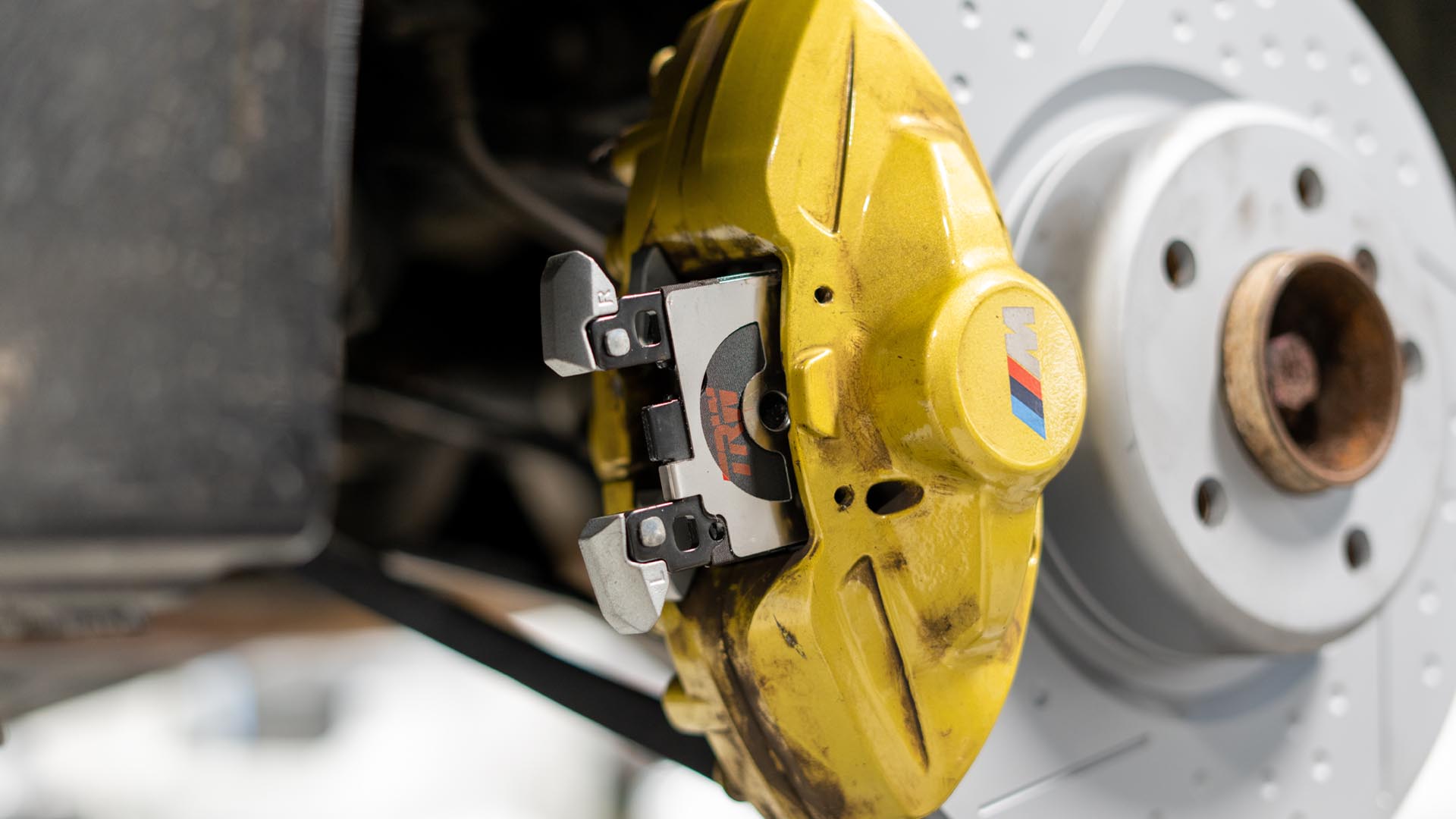
Since you should be swapping your winter wheels and tires back to your summer setup, now is a good time to do a full brake inspection. I drive my cars hard, so I go through brakes probably a bit faster than the average driver. During my spring wheel and tire swap, I typically replace my brake pads and check my rotors and brake lines for signs that they need to be replaced. If you don't know what to look for when examining your brakes, don't worry; we have you covered.
Shop Brake Pad & Rotor Service Kits
Replace Your Windshield Wiper Blades
Winter wreaks havoc on your wiper blades. Wiper blades are actually very precise components, and the rubber has to be in the utmost perfect condition to conform to your windshield tightly enough to clear the water away. During the winter, road salt dries out the blades' rubber, causing them not to bend as easily and potentially even crack. That, coupled with the blades clearing ice and snow build-up, can easily deform the rubber. Making a point to replace your wiper blades every winter is the easiest way to make sure you keep seeing clearly.
Shop Wiper Blades
Check Your Driveline Fluids
Your vehicle's fluids are critical to its condition and performance. Ensuring they’re fresh and filled to their respective levels doesn’t take much time, and if you have to perform a service, none are too complicated.
Before you can think about moving, you have to know if you can stop. Brake fluid is the key in transferring the brake pedal pressure to the calipers, and it’s arguably the most affected by sitting around. Being hygroscopic, it naturally absorbs water from the air, diluting its needed properties and rendering it ineffective. A brake fluid testing pen is the best way to check its water content, but you only need your eyes to check its color. Brake fluid is a very pale amber color; anything darker than that is a sign for replacement.
Dark engine, transmission, and gear oil are also grounds for replacement. While they’re naturally a darker color—red for ATF, golden amber for engines, differentials, and manual transmissions—they should be transparent, without suspended particles or cloudiness. These won’t have been affected by sitting, but anything driven through the winter should have its levels checked, especially if there are known leaks.
Now that it’s nice out, you may want to take advantage of it with a complete fluid and filter service, or a flush for any one of your fluids. If that’s the case, you can find assembled Service Kits ready to go for your vehicle via the links below.
- Engine Oil Change Service Kits
- Shop Transmission Fluid Replacement Kits
- Shop Brake Fluid Flush Kits
- Shop Engine Coolant
- Shop LIQUI MOLY Additives
Check Your Air Filters
We've repeatedly discussed the importance of cabin air filters; they're not just a luxury but absolutely necessary for keeping you healthy. Feeding your HVAC system with air naturally brings in contaminants and debris, and it's only thanks to your cabin air filter that they don't get blown around your interior. With pollen season about to get rolling, there's no better way to ensure you'll stay sneeze-free while driving than having a fresh filter in place.
Just as a cabin air filter cleans the air you breathe inside your car, the engine air filter cleans the air the engine breathes. In an identical way to how the fresh air vent collects debris, so does your engine airbox. In this case, pollen isn't an issue, but leaves and saplings love to find their way in, blocking off airflow to the engine. Replace the engine air filter, and you'll have all the engine performance and fuel economy you can.
Shop Cabin Air Filters
Shop Engine Air Filters
Inspect & Replace Suspension Parts
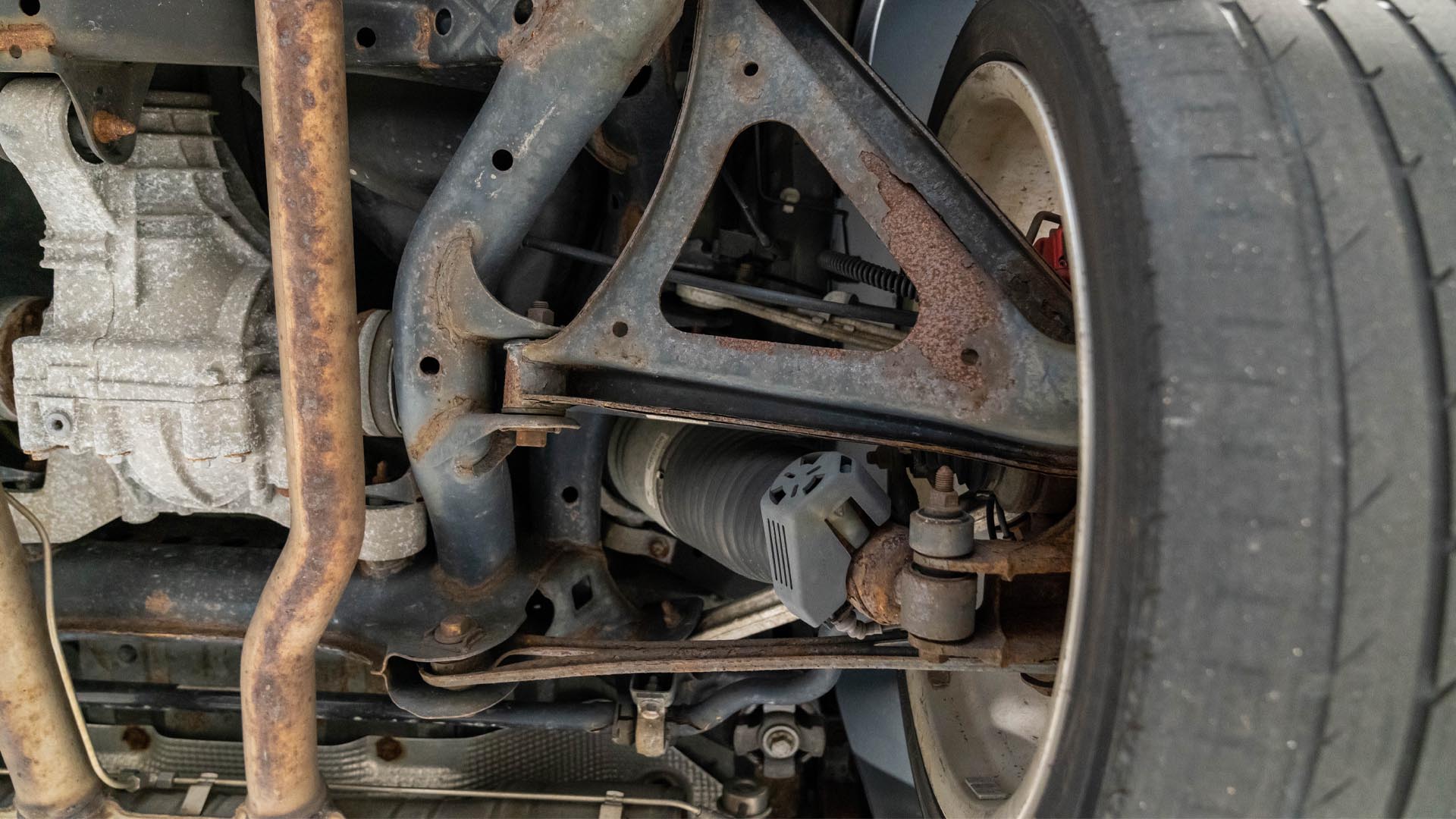
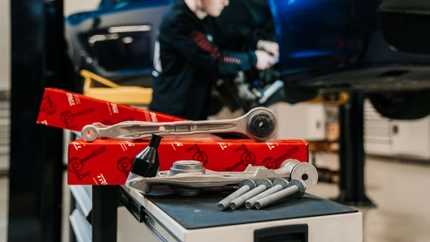
If you live anywhere where it snows regularly, your suspension is straight-up assaulted by the roads. Salt and chemicals, plus the incessant pummeling by plow trucks, leave the road surface tattered and strewn with potholes. We recommend taking a good look at your suspension during your spring tune-up. Catching issues now means an optimal handling and safe vehicle for the upcoming warm weather, as well as not having to deal with issues when snow is on the ground next season. To inspect your suspension, look for:
- Obviously broken or bent suspension components. New suspension components are engineered to bend when faced with major potholes or curbs. It's not uncommon to find bent control arms or tie rods.
- Leaking shocks or struts. When struts and shocks blow out, they typically leak their hydraulic fluid. If you see these leaking, they should be replaced immediately. You can usually tell when they're no good by a bouncier than a typical ride in your car.
- Bushings and ball joints. You want to be looking for rubber bushings that are cracked or separated from their housings and ball joints with excessive play. This is pretty straightforward, and all you need is a flashlight and a pry bar or long screwdriver.
- CV Axles. Check your CV axle boots for tears or escaping grease. Road debris can easily cause these boots to tear, and if you had water intrusion all winter, the bearings of your CV axles could be toast. If they're torn, you will want to remove your CV axle and inspect the bearing before deciding to replace the axle entirely or simply repacking the bearing with grease and replacing the boot.
Shop Suspension Service Kits
Shop Steering Service Kits
Check The Battery
While that seems like a lot, each is a very important piece in the larger system, and it must be looked after. Such is the experience of any DIYer. But replacing parts improves your mechanical ability and ensures trouble-free driving going forward. Who can be upset by that? When you're done shopping and DIYing, come back over to the blog or head to one of our YouTube channels for more of our content!


.jpg?width=430&crop=16:9&format=webp)