- 09/24/2025
- 8 Min Read
- By: Christian Schaefer
Must-Have BMW N55 Upgrades For Performance & Reliability

BMW's N55 engine was the Bavarian’s powerhouse of the 2010s and has since become a tuner’s delight. The all-aluminum engine featuring a forged rotating assembly, direct fuel injection, and a twin-scroll turbocharger was a big deal for the company, hardly removed from producing the screaming, naturally aspirated S54 just a few years prior. As emissions regulations tightened their grip on gasoline-burning engines, the N55 adapted to the times, allowing BMW to produce more power than ever without damaging its fuel economy standards. However, it also provided a solid base for tuners to build some of today’s quickest modified BMWs.
These days, you can find an N55-equipped BMW just about anywhere. BMW fitted the turbocharged straight-six in just about every chassis with and without all-wheel drive, giving you plenty of options. Do you want a civil 3-series or a sleeper X5 with 400whp? The choice is up to you. However, you’ll also choose how you want to make that power, as the aftermarket support is fairly large and offers a staggering number of performance and reliability upgrades. To make the search for power a bit easier, check out this guide to boosting the performance of your boosted BMW engine.
Performance Upgrades For the BMW N55
ECU Tuning
The engine control unit (ECU) is the brain of every modern engine. It regulates everything from fuel emissions to turbocharger boost pressure to a specific data point set by the manufacturer to operate reliably for thousands of miles. Consequently, if you want more power, the ECU will need tuning.

Better is the operative word there; in this case, better means more performance. Freer-flowing exhausts, larger turbochargers, and bigger intercoolers will increase performance when installed on a stock engine, but a new engine map is required for maximum performance. The engine computer must be told that it can run more boost and push the engine further because you’ve bolted on better parts. It won’t intuitively know that leaving you with two options: flash the ECU like the services from 034Motorsport or a piggyback tuner like DINATRONICS X from Dinan.
Dinan has long been a big name in BMW tuning, and their recent resurgence into supporting the brand like they did decades ago has seen more than a few stellar products become available. Their DINATRONICS X piggyback tuner provides an easy way to boost power beyond factory output without seriously harming the engine and affecting the various safety systems put in place. It simply plugs into your BMW and connects with an app on your phone. Then you'll have seven different power maps to choose from. It also provides a complete on-board diagnostics function while plugged in. If you need to remove it for any reason, it can be removed in minutes without affecting your stock BMW ECU tune.
Flash tunes offer similar performance for similar money. Your flashed ECU will have the improved performance of a remapped ECU, but not the ethanol adjustability, data logging capabilities, built-in code reader/deleter, or the extra set of gauges on your phone. Plus, you’ll have to return to a tuner to have them remove the map when it’s time to sell the car. It's a less fiddly process to improve performance, but if it needs to be removed, it will need to be flashed back to stock.
Cat-Back Exhaust
The exhaust system on a turbocharged engine contains a few distinct parts, and the exhaust section after the catalytic converter is a popular upgrade. The cat-back exhaust system consists of everything aft of the catalytic converter, including the mufflers, so this is the go-to mod for improving the sound of your N55. It also plays a significant role in the performance of a turbocharged engine, making this upgrade great for performance benefits.
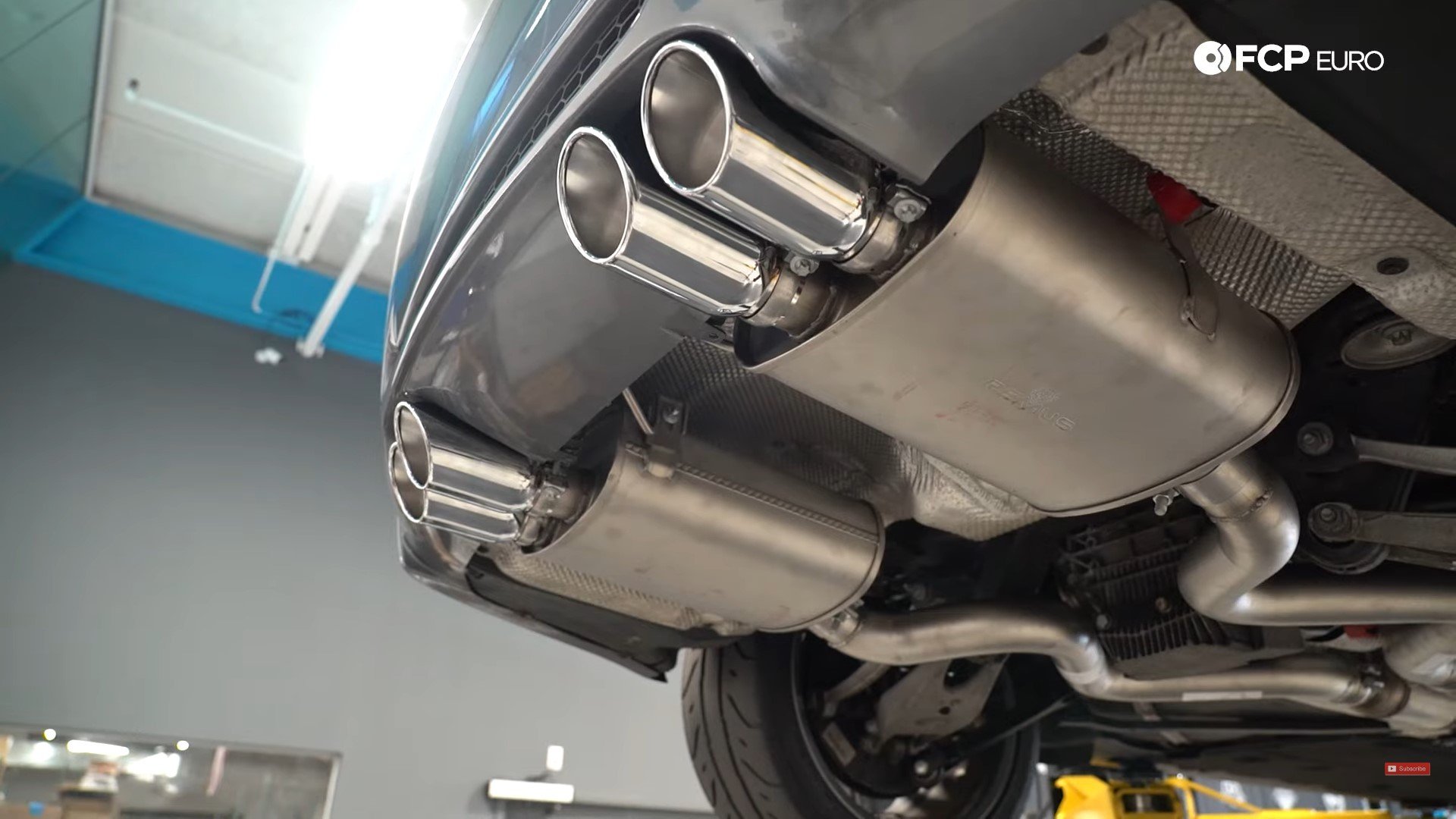
An engine is all about airflow. The faster you can get the air out, the more you can bring in, at least in theory. However, a turbocharged engine differs from a normally aspirated one because it doesn’t need to worry about exhaust scavenging or backpressure. Once the exhaust leaves the turbo, remove it with as little restriction as possible. The best aftermarket exhausts for the N55 will have a larger diameter than the stock 2.5” exhaust and stainless steel construction. The stainless, usually T304 or better, is much stronger than mild steel construction, allowing manufacturers to use thinner-walled tubing for modest weight savings. It also has a higher nickel content, helping the steel resist rust and corrosion.
Beyond the exhaust construction, the brand isn’t too important. There are tons of companies offering N55 exhausts. Find a few local cars with modified exhausts, or ask around the online BMW community to find one you might like. Some names to consider are AWE Tuning, Remus, and Supersprint. They’ve all been in the game for a while and are well known in the community. BMW M did offer a high-performance exhaust kit for a handful of N55-equipped models, and those will work well, too, but more performance can be had from an aftermarket piece. With those criteria met, you’ll get a peak power bump in the teens and around the same in torque.
Downpipe
The downpipe is the exhaust section between the turbocharger and the cat-back system. Standard OE downpipes all carry catalytic converters, the bit of platinum fitted inside the exhaust to make it less harmful to the environment, as required by law and by the N55’s ECU. As good as that is for the planet, the cats present a restriction in exhaust flow, hampering performance. The most straightforward workaround is an aftermarket downpipe with a high-flow catalytic converter. Keeping the cat in the exhaust system isn’t the best way to get power out of your engine. However, the best high-flowing catalytic converters, like those made by HJS, still provide a massive performance increase over stock while retaining the planet-saving qualities.

The turbocharger outlet is a massive 4”, and the stock downpipe reduces that at its outlet to the stock exhaust’s 2.5”. Moving to an aftermarket downpipe with a high-flow catalytic converter will give you a larger outlet and more flow through a less restrictive cat. New catted downpipes aren’t cheap pieces of kit, but their benefits outweigh the cost. The aftermarket pieces usually employ a 200-cell cat, around a third of OEM density, and prioritize flow over air cleaning. However, they still do their job and keep the ECU happy by cleaning the air. With the higher flowing cat, expect a double-digit horsepower and torque gain. Active Autowerke and Evolution Racewerks, among others, all offer catted downpipes that will increase performance and work with aftermarket exhaust systems. Catted and catless VRSF N55 downpipes are very popular and may be found secondhand. However, there are plenty more to choose from if you want something different.
Intake
Getting the air out as quickly as possible is great for performance, but you still need to get it in quickly. Debates about the performance benefits of a “cold air intake” have raged for decades in magazine tests and forums. Now that we have access to tuners, data logging, and unfiltered testing, we know they can improve performance in the right situations.
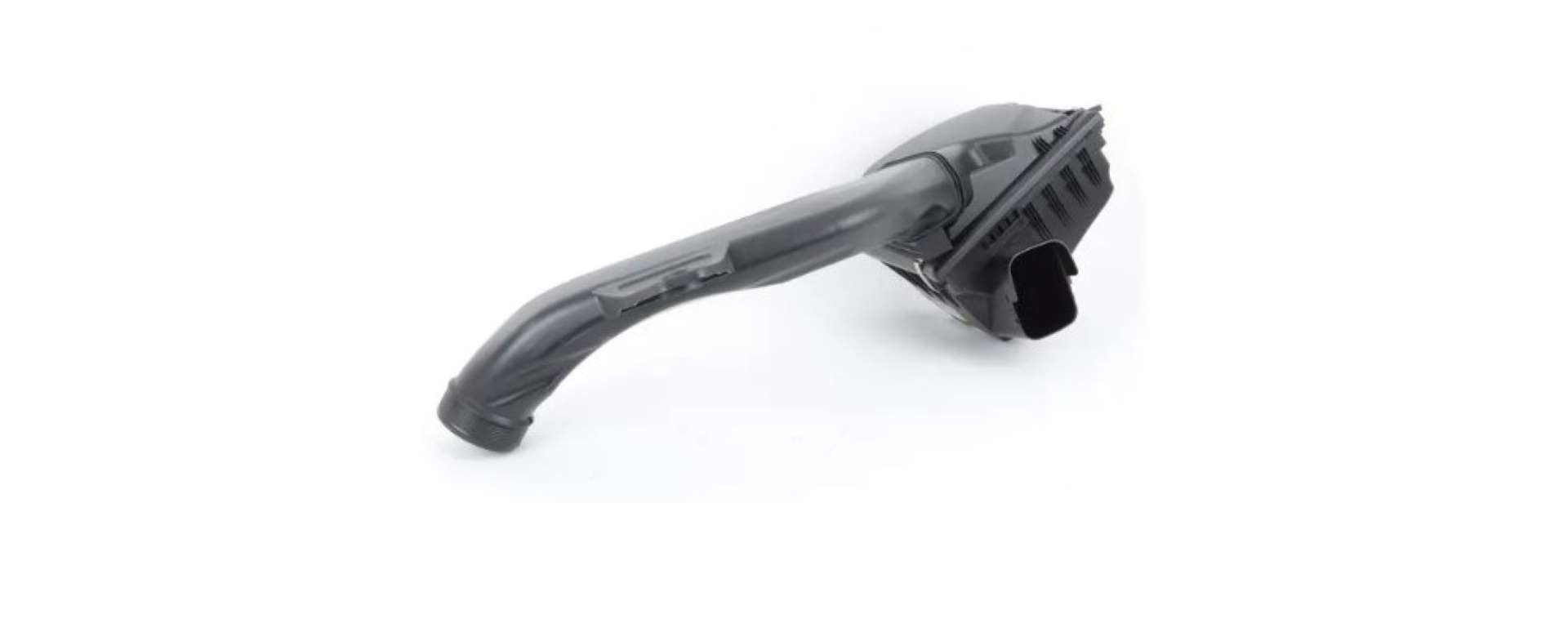
The standard BMW N55 intake features many bends and edges that disturb the air, making it more turbulent and restricting flow. At the beginning of the intake is an airbox that houses the air filter. The initial air intake happens through a small hole in that airbox. Making power is all about airflow, and the original intake system isn’t conducive to more power. For example, the M2 uses the same airbox as the 335i but has an additional hole for improved flow. You can use the M2 airbox as an OE upgrade, but the results will be minimal. Your best course of action is to move to an aftermarket system.
As you look around the aftermarket offerings, you’ll find one style is the most popular. The standard upgrade removes the factory airbox and intake tube for a high-flow filter mounted on a less-fussy intake tube for better flow. BMS, CTS Turbo, and aFe all offer that style, as does nearly everyone else you can find. However, those can make performance worse by sucking in hot air. Dinan is one of the few aftermarket intakes thatretain the factory-style airbox. Eventuri and their exquisite carbon work offer an intake that blends both styles, using a big cone filter and a couple of carbon panels to block hot air. Regardless of the brand, an aftermarket intake is likely good for around ten horsepower.
Intercooler
Further down the intake, past the turbocharger, is the intercooler. Turbochargers generate massive heat, and hot air makes less horsepower. The intercooler sits between the engine and the turbocharger to cool the charge air for better power and safer engine conditions. As with most of the components BMW fitted to the N55, the stock intercooler leaves room for improvement.

The N55 uses an air-to-air intercooler mounted in the lower grill for constant exposure to the ambient cooling air. Aftermarket intercoolers, such as those from Wagner Tuning and Evolution Raceworks, use thicker cores with larger frontal surface areas to increase the flow they can handle and improve their cooling efficiency. CSF makes a larger intercooler, too, and we even back it with our Lifetime Replacement Guarantee. Many aftermarket companies claim an increase of nearly 20 hp at stock boost levels, depending on the supporting modifications. Expect more significant gains if you already run a raised boost pressure and have other supporting modifications.
Charge Pipes
Manufacturers love their plastics in modern engine bays as they are lightweight, cheap to produce, and relatively durable. However, constant exposure to heat makes the plastic very brittle. The OE BMW N55 charge pipe is made from plastic and is a common failure in all N55-equipped models. Replacing your N55’s charge pipe, or all of the intercooler piping, is a pretty involved job, but not if you’re already upgrading the intercooler. Install them together to save yourself a bunch of hassle.

Once you know you’ll replace your intercooler piping, you’ll need to choose an aftermarket manufacturer. The VRSF charge pipe is incredibly popular, but Burger Motorsports, Masata, and RK Tunes all offer slightly different takes on the intercooler piping made from aluminum. They’ll carry a slight weight increase over the factory plastic pieces, but they will be far more durable and less expensive than an OE replacement. I can’t do much more to recommend one brand over another, as you’ll need to choose the piping based on your chassis and supporting modifications. Do you want bungs for methanol injection? Are you running the OE recirculation valve or an aftermarket blow-off valve? Are your intercooler's inlet and outlet the factory size? All factors to consider when choosing piping.
Reliability Upgrades For the BMW N55
Performance modifications will always be the flashy and fun options you can experience daily, but they aren’t the most important. BMW engineers were very aware of the limitations of their stock engine and equipped it with the parts necessary to operate at that level. Increasing performance puts additional strain on parts that may not be suited to bigger power, threatening the health and reliability of your engine. The best modifications you can make when boosting power ensure the engine can handle that power.
Oil Cooler
Every N55 is equipped with an oil cooler right from the factory. Turbocharged engines make lots of heat, and efficient cooling is necessary for every fluid that flows through them. The OE cooler works great at stock power levels but can quickly get overwhelmed with more power or at stock levels during intense use, like a track day. Consider installing a larger oil cooler to avoid any issues.
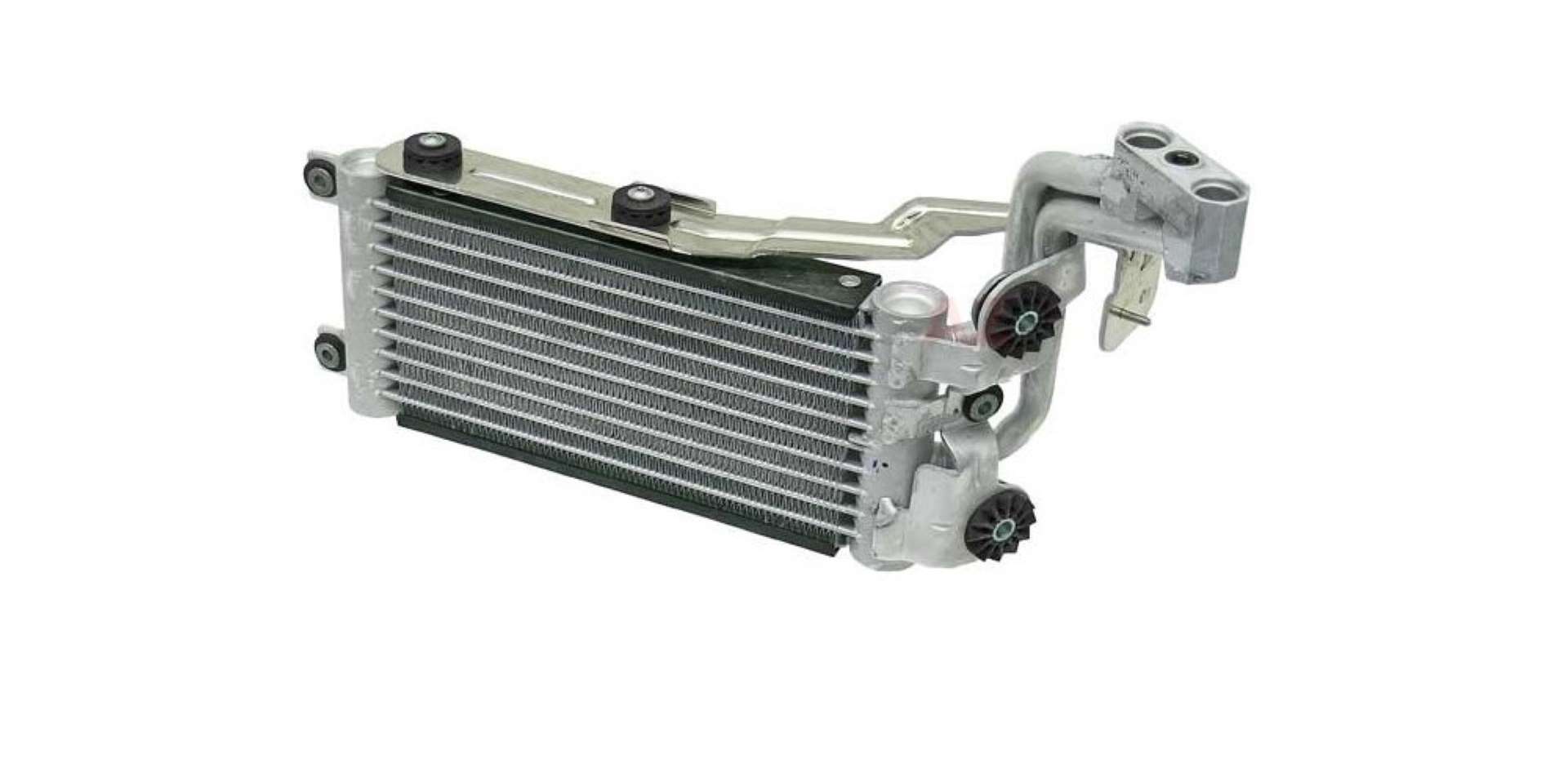
There’s only one larger, “plug & play” cooler made for an N55-equipped BMW, and CSF makes it. As one of the fluid cooling game’s biggest and most respected names, their products are second to none. Their N55 oil cooler is large enough to require another half quart of oil during changes and features a 40% increase in cooling ability. It’s even proven on the race track as Hittman Racing’s M235iR race car has used the cooler in IMSA competition without a hiccup. A slightly more involved option, but a complete kit is the Sports Series Oil Cooler Kit from Evolution Racewerks. It includes a massive cooler core, ducting, and stainless-braided oil lines, providing significantly more cooling power than the stock setup.
Choosing anything other than the CSF piece or the ER kit will require a custom setup. Stainless-braided hoses and proper fittings can be purchased online or from any local high-performance shop. The only piece you’ll have to sort out is the cooler; the stock engine already uses an oil cooler thermostat that will work with an aftermarket cooler. Mocal and Setrab are two well-respected manufacturers of fluid coolers, the latter being the OE supplier for making things like Ferrari, Mercedes-AMG, Lamborghini, and Aston Martin. Their coolers are more expensive than Derale's and Mishimoto’s, but you do get what you pay for. I wouldn’t skimp on safety.
Oil Cooler Thermostat
Oil coolers are great for keeping oil in its best operating temperature range. However, without the right equipment, an oil cooler can prevent engine oil from ever reaching that temperature. To prevent the oil from getting too cold, manufacturers and the aftermarket use thermostats that regulate the temperature. Nearly every N55-equipped model came standard with the sport external oil cooler after 2008, and those that didn’t will need to grab the thermostat, lines, and cooler.
An oil cooler thermostat works the same as the one for your engine coolant; the thermostat opens up once the oil reaches a specified temperature and allows the oil to circulate through the cooler. The N55’s stock oil cooler thermostat opens up right around 120°c. That’s alright for normal driving, but much too hot for anything else. Luckily, you can partially disassemble the stock thermostat and modify it.

Burger Motorsports and FTP Motorsports sell revised thermostat valves that open the passage to the cooler at around 95°c, allowing the oil to stay much cooler but still reach a proper temperature before reaching the cooler. Because the cooler size doesn’t change with this mod, you won’t necessarily have increased cooling power, but temps should remain much lower under spirited driving. Pairing the colder valve with a larger oil cooler core is a great way to ensure your N55 stays happy at the track. However, if the revised thermostat valves aren’t robust enough for you, your best bet is an entirely new thermostat like the one Mosselman Turbo Systems offers.
Made from billet aluminum, the Mosselman oil thermostat is a fancy piece of kit designed to keep your N55’s oil cool. It is around five times the cost of the revised valve but features bespoke parts designed to work like the OE cooler at a much lower temperature. The billet thermostat opens at 85 °C and has been proven to keep oil temperatures around 95 °C to 105 °C.
Ignition Coils & Spark Plugs
Pushing more power out of the N55 is generally considered easy. With a few bolt-ons, owners can expect a 100hp increase, but not all stock components can handle that jump. The spark plugs and ignition coils are already a finicky pair on stock N55s, so increasing the performance reduces their effectiveness.
Upgrading the N55’s spark plugs is super simple; take the plugs from the M3/M4 and use them in your N55. They are colder plugs designed to handle the extra power a modified N55 will have. Ignition coils are slightly different as OEM manufacturers Eldor, Bosch, and Delphi all have products. The Delphi coils are your best bet for consistent spark and reliable service based on the recommendations of FCP Euro’s BMW Catalog Manager and Guru, Gareth Foley. However, others on forums have reported success with the other brands.
Precision Raceworks and Dinan offer aftermarket ignition coils. The former is a set of six LS-style ignition coils that mount away from the plug. A separate lead wire then goes from the coils to the plugs. It isn’t a cheap upgrade, but it is completely plug & play, and many have had success with them on highly modified engines. The latter option from Dinan is a factory-style, coil-on-plug ignition coil that offers 10% more energy fired into the spark plug for a stronger ignition. Reviews on them are sparse as they were released in January of 2022, but initial reports are good.
Any of these upgrades is a great way to enter the world of performance modifications, and putting them all together will give you a BMW that can rival some of the quickest cars out there. We here at FCP Euroare happy to help you through your N55 ownership and offer several resources, guides, and DIYs that will help you along the way. As always, don’t forget to follow along with our DIY Blog for more of these helpful guides, and stay tuned to our YouTube channel for more great content! Let us know in the comments below if you have any questions or concerns. Happy wrenching!