- 10/05/2026
- 4 Min Read
- By: Christian Schaefer
5 Tips To Prepare Your Car For This Fall Driving Season

Don’t fall behind on your end-of-year seasonal maintenance. Whether you like it or not, the days are getting shorter and colder. For your vehicle, that means different driving conditions than the last several months, and you’ll need to make sure it’s prepared. The cold affects rubber parts, the electrical system, and even your vehicle’s fluids, and driving in the dark through leaves and other plant debris can make the road a bit more treacherous. Your car doesn’t need a major overhaul, but likely just a bit of specific maintenance. Read on to see just what that is and how easy it is to take care of.
Check/Replace Your Battery
Modern cars rely on electronics more than ever, making a healthy battery essential. You may believe your battery is healthy as long as your vehicle starts every day, but that’s not always accurate. The charging system can keep a weakening battery alive in warmer weather, but once the cold comes in, it’ll likely be pushed beyond its breaking point. An automotive battery typically lasts about five years, so anything close to that could give you trouble this winter.
Batteries are weaker in the winter because of fluid dynamics. Colder temps thicken fluids, slowing them down physically and slowing the chemical reactions that produce electricity. Along with slowed battery acid, it thickens engine oil, making it tougher to pump through the engine. The starter doesn’t get any stronger, so thicker oil requires more battery power. Then combine that with the fact that an engine already draws the most amount of electrical power while cranking, and you have a recipe for an easy no-start, no-crank condition with a weak battery.
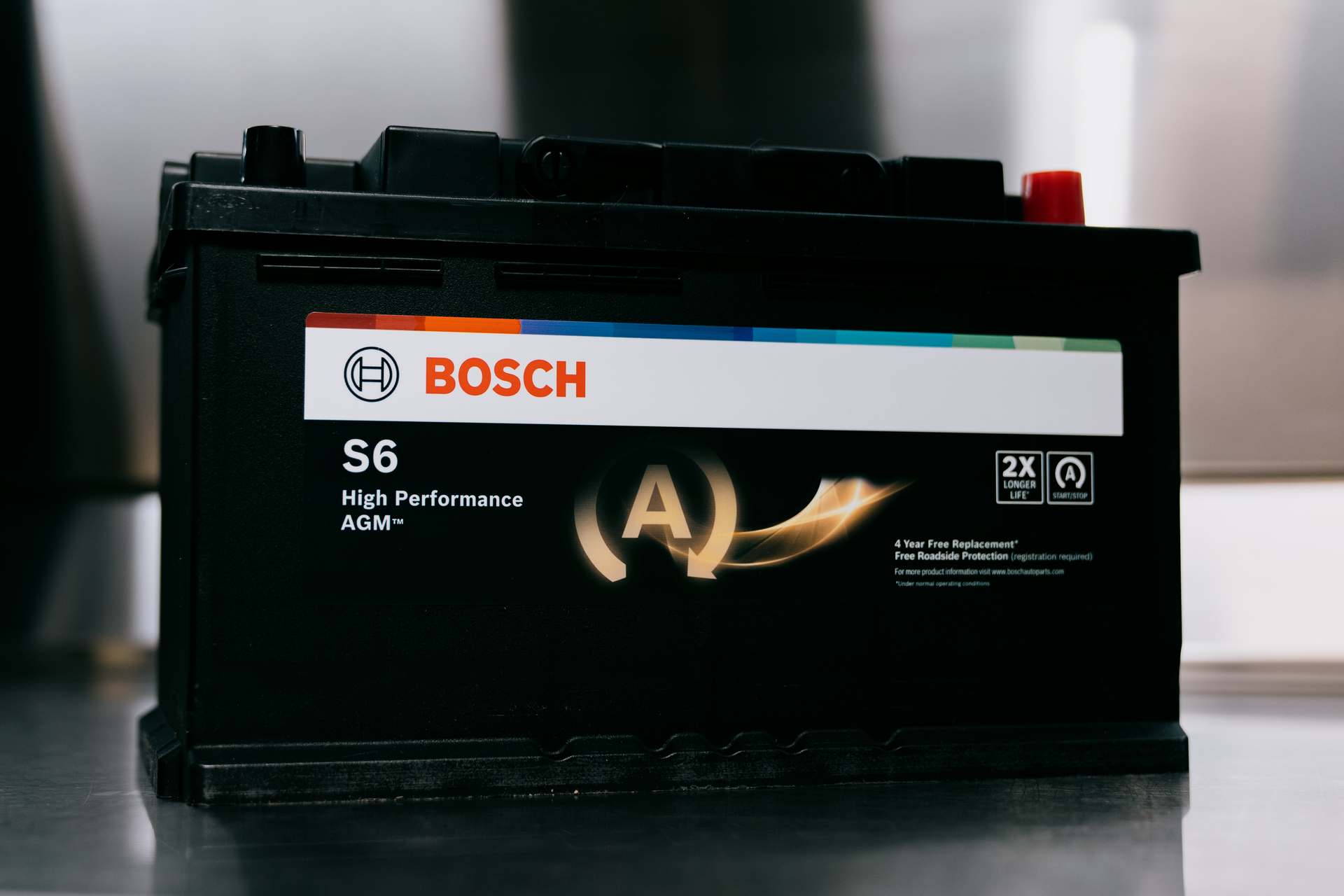
So, what you want to do is two things. One: get to the battery and check its date sticker. Anything older than five years is best replaced preventively. Two: Use a multimeter to check the resting voltage. A healthy battery should show right about 12.7 volts with the car off. Anything near 12 or lower indicates a weakened battery and is grounds for replacement.
You’ll find a few great options in our catalog when it’s time to choose a battery. Bosch and Odyssey are two of the more popular brands, offering AGM batteries for most applications we cover. We also stock Antigravity’s hardcore, lightweight Lithium-Ion batteries typically reserved for supercars and race cars. Whichever you choose will set your electrical system up for a trouble-free fall and winter driving season.
Check/Replace Your Lights
The necessity to see clearly while driving at any time cannot be overstated. For everyone’s safety, give yourself every advantage in the dark or inclement weather with properly functioning exterior lights. They let everyone know where you are on the road and give you the best chance to navigate poor visibility, so it’s in your best interest to keep them shining bright.
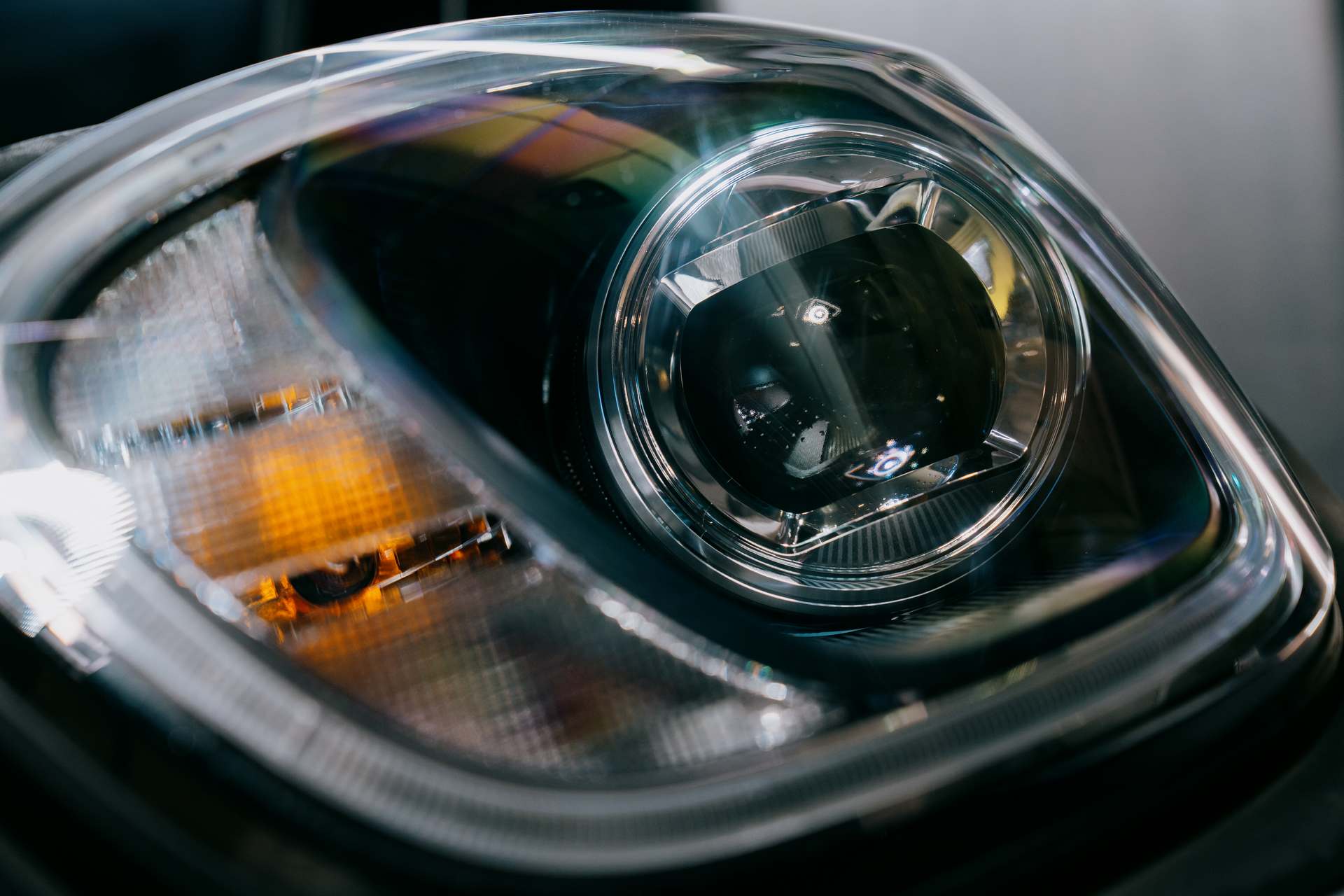
The best way to do that is to replace a burnt or dimming bulb as soon as possible with a fresh one you’ve bought ahead of time. We all store extra bulbs for our homes in the garage/basement/storage closet; why wouldn’t we do the same with our vehicles? Not being able to see is annoying, not to mention dangerous, so having one on hand when needed goes a long way. It can even save you money, too.
Your local auto parts store likely has a few bulbs for your application. However, if you check their pricing, you’ll find many are listed for more than what we charge. We carry Sylvania bulbs, as they do, alongside more choices from Philips and Hella. That gives you a wide range of OE and OEM options at several price points. Be sure to enter your vehicle in the vehicle selector tool to see only the bulbs for your application.
However, a brand new bulb can't do much about a cloudy headlight lens. In that case, what you need is a headlight restoration kit, like this one from Griot's. Sanding and polishing your headlight lens is a bit more involved than replacing your bulb in most applications, but we have a DIY video to make the process easier for you.
Check/Replace Your Air Filters (Cabin & Engine)
Leaves and acorns are lovely to see scattered on the ground in shades of red and orange. Stuffed into your engine and cabin air filters? Not so much. However, that’s just the nature of their job. They prevent that foliage from entering your HVAC system and your engine and wreaking havoc. While very good at that job, they can’t clean themselves along the way, so that’s where you come in.
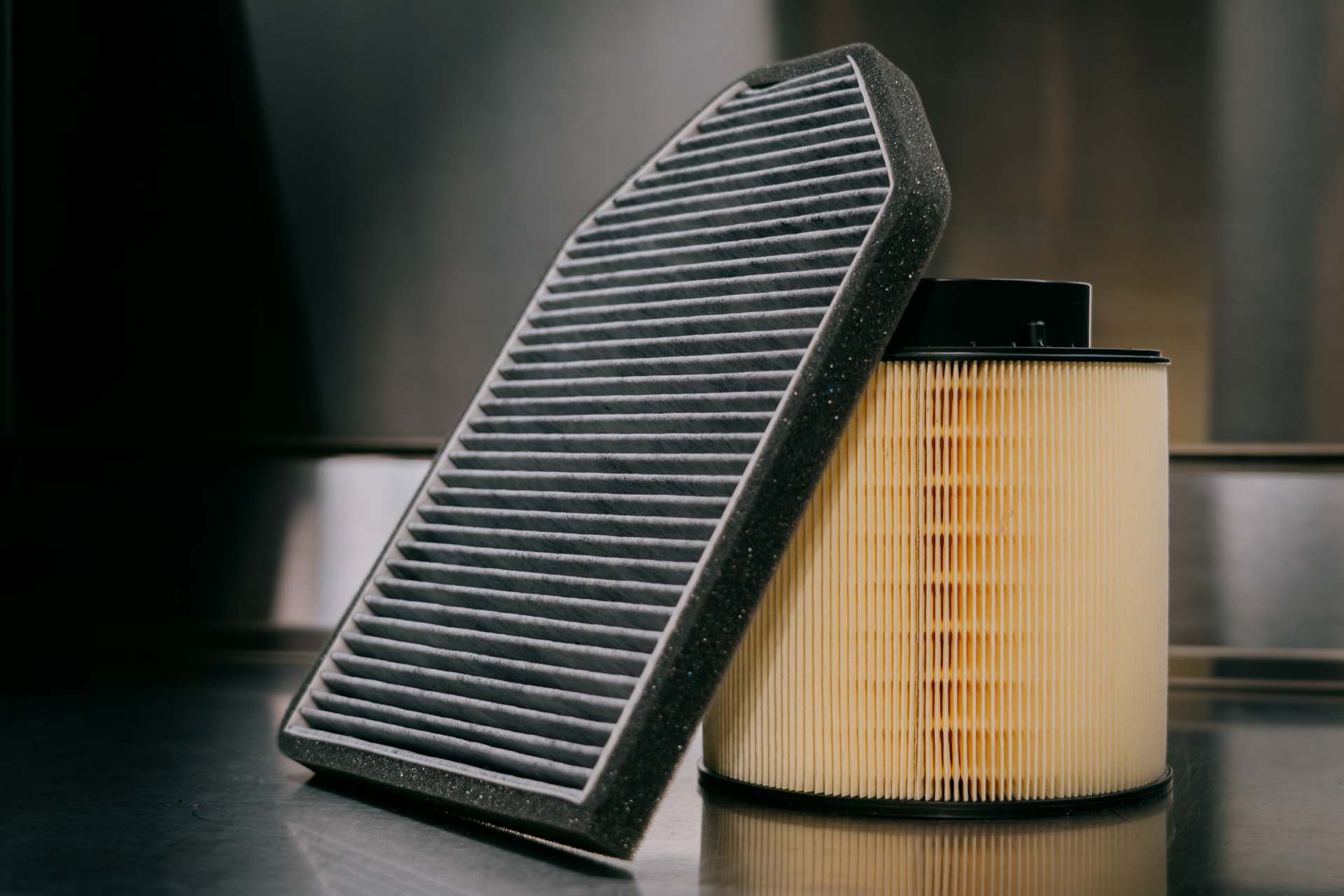
Checking your filters should be straightforward; automakers make them easy to access because they have a fairly short replacement interval. The consensus for both is around 30,000 miles, but autumn can shorten that as fallen leaves, acorns, and other foliage will reach the air filters. You can reuse a recently replaced or fairly clean filter once you clear off the larger leaves and debris from the filter folds. However, that’s a fairly fine line. Wet foliage can soak into the cabin filter and cause a moldy or mildew-like smell, forcing you to replace it. The same can happen to the engine air filter, but the issue there is less smell and more airflow restriction.
Replacing an engine air filter or cabin air filter is the same process as checking it, so there’s no extra work. The biggest challenge you’ll face is deciding which of the several filters we offer for your vehicle you want to use. With Genuine, OE, and OEM options for both filters, as well as activated charcoal options for the cabin filter and high-dust filters for the engine, there are plenty to choose from. Thankfully, whichever you choose will work much better than a dirty filter.
Replace Your Wipers
As mentioned, exterior lights are critical for seeing and being seen in inclement weather, but they’re not the only items you need to care for. Windshield wipers are one of the most forgotten maintenance items on our cars, yet they’re the only ones that actively worsen visibility when worn. Often, you only remember they need replacing when you’re in the middle of a storm, and there’s really no reason for that. Before driving in autumn, you should replace your wipers.
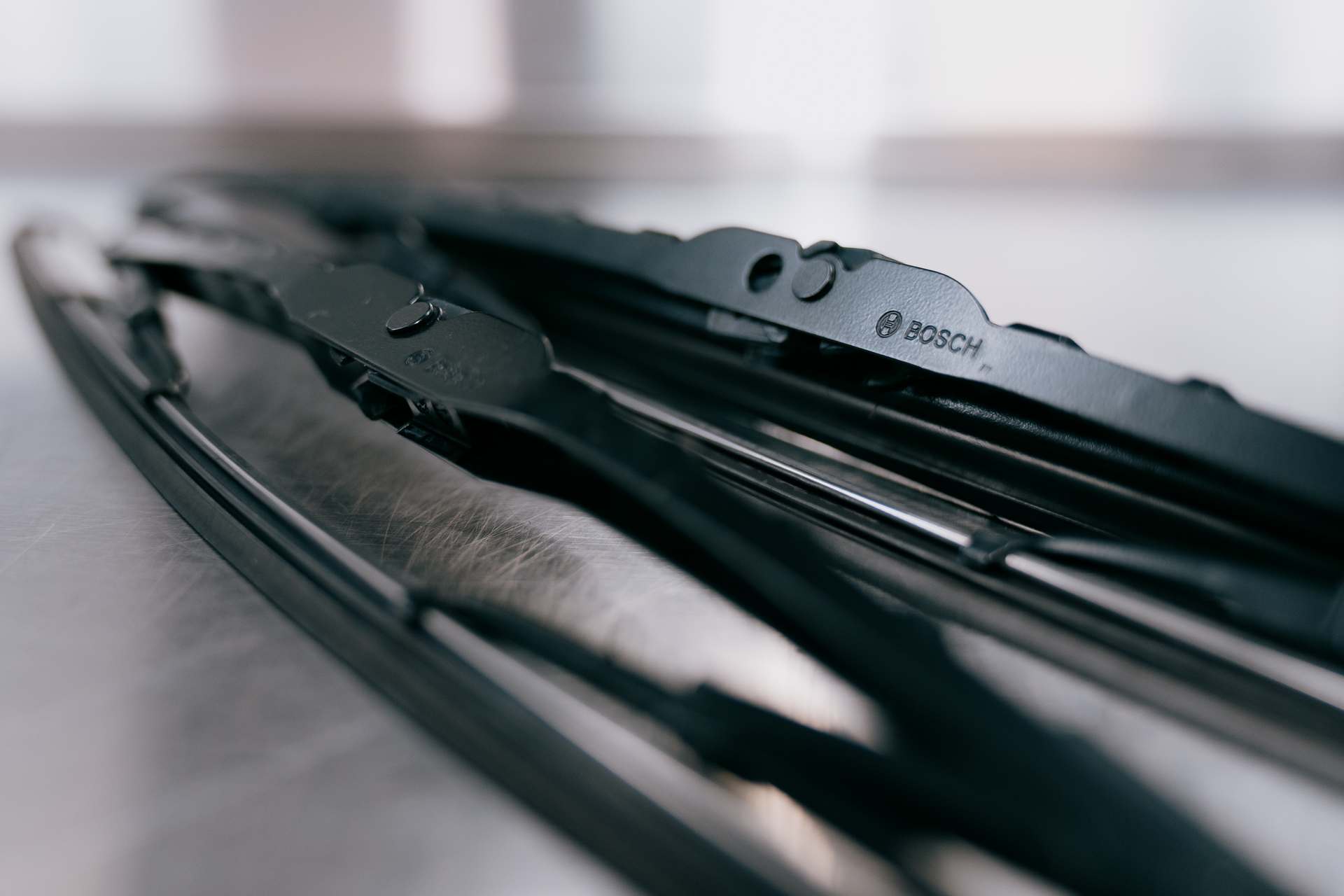
Wipers are as simple as car parts come. Their metal frame keeps its structure as the rubber blade swipes across the glass to remove water and debris. However, exposed to the elements 24/7 and only used when conditions are tough, your wipers are constantly battling the elements. When sitting, the sun bakes the rubber blade, causing it to lose its water-swiping properties. The blade edge can also be damaged during use, leaving annoying water streaks in its path. Luckily, you only need a fresh set of blades and up to five minutes to fix wiper-related visibility issues and get back on the road safely.
Check Your Tires
Tire health is always a major safety concern. Your tires are the only part of your car that touches the ground. They affect comfort, performance, road noise, handling, braking, steering, and accelerating—everything your car does while moving. Any damage or excessive wear will reduce a tire's effectiveness in any weather, especially inclement. Check them every few weeks to ensure nothing is out of the ordinary. It’s very straightforward and shouldn’t take you much time.
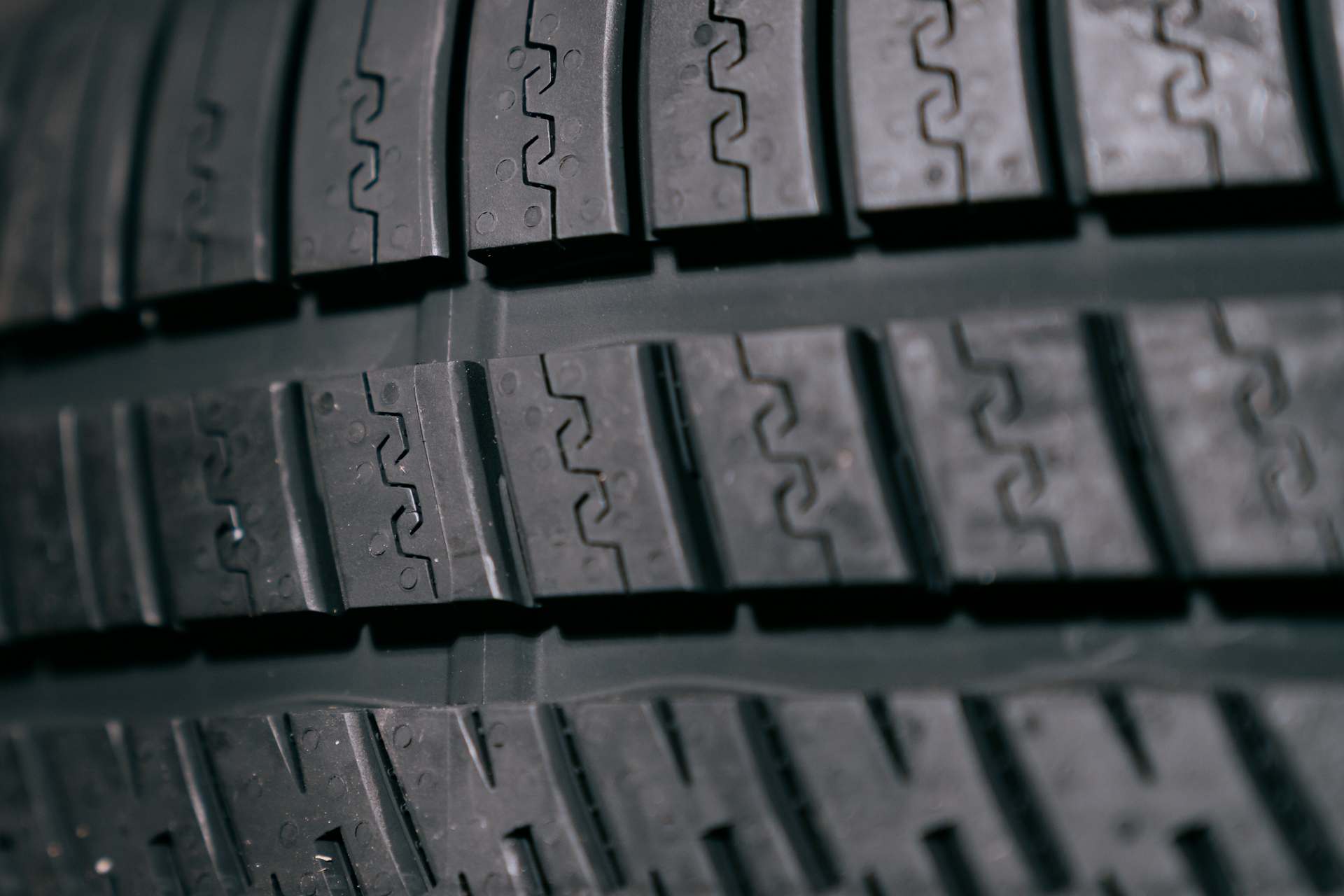
Checking your tires simply involves looking at them. Tread and tread depth matter most in wet conditions, as they prevent hydroplaning. As you roll over water, the grooves channel water out from under the tire and to the side, keeping the tire in contact with the road. As your tires wear, the grooves get shallower until they lose their ability to expel water. Thankfully, tire manufacturers mold raised sections called wear bars in those grooves to mark minimum tread depth. Any tread worn down to the wear bar means the tire is due for replacement.
Learn More About Your Tires Here!
However, tire rubber dries out like any other rubber compound, so your tires have a use-by date. Manufacturers mold in a four-digit code on the sidewall that indicates the week and the year they were made. If yours are older than five years, consider replacing your tires. Even if there aren’t any cracks in the tread or sidewall, it’s still best for optimal safety.
And with those five tips, you’re ready to prepare your car for fall and winter driving.