- 07/07/2026
- 5 Min Read
- By: Christian Schaefer
Flooded-Cell, AGM, Or Lithium: Which Of These Automotive Batteries Is Best For You?

Do you know what kind of battery your car has? How about what it needs? Automotive batteries are not all made the same. There are several common types of batteries available here at FCP Euro and at your local parts store, and not all of them are a great fit. The demands of today’s hybrids are far from those of our favorite analog sports cars, and you need a battery that matches that no matter what you drive. Before you go trusting AI or some other sketchy resource, use this handy guide to brush up on batteries and find out which is the best kind for your vehicle.
Your Car’s Battery Can Make Or Break Its Reliability
Whether you’re in a '70s BMW 2002, a 2002 BMW 330i, or a 2022 BMW 330i, your vehicle needs electricity. While fuel and air are critically important, battery power takes the top spot, and it’s easy to see why. Nearly every other part of the car, from the gauges to the lights, the radio, and the HVAC, needs electricity to function and can do so regardless of the engine’s running condition. Just how much your car needs from the battery depends on the era it’s from and the accessories it’s running, but generally speaking, the newer the car, the stronger the battery has to be.
When you go looking for a battery, you’ll likely find a few types available. In just about every case, you’ll have a choice of battery construction, and while you can theoretically use one or the other, there will almost always be a best choice and another choice. That’s determined by several factors, and not just the specs you’ll find printed on the battery label. Sure, cold cranking amps are still an important factor, but now there’s far more importance in how the battery was constructed and the materials used.
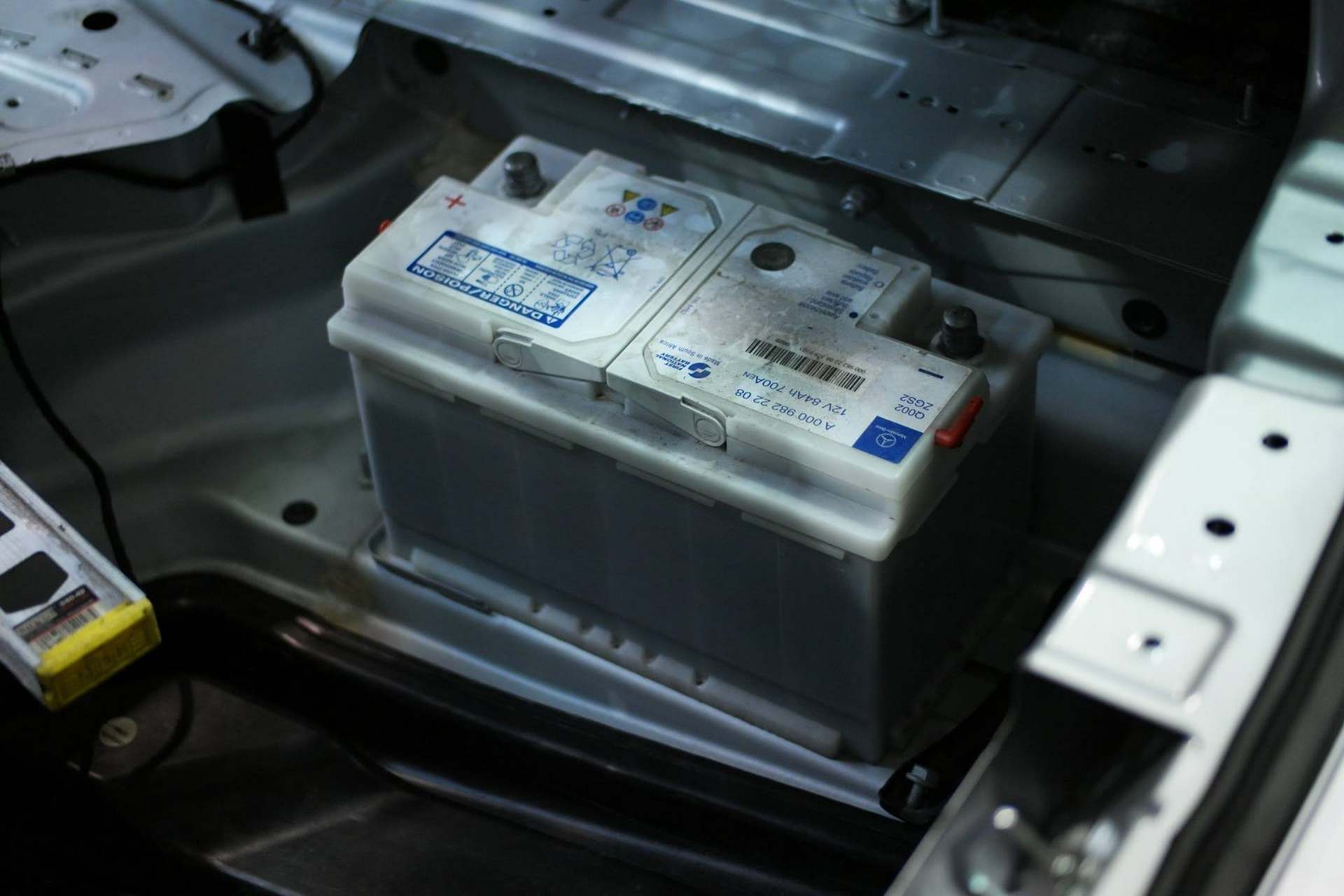
Although they may look the same on the outside, there are several distinct ways of creating an automotive battery. The older traditional types are still plenty available, but the market for modern cars has moved on to advanced packaging, new materials, and a ruggedness older types could never match. Then there are the ultra-lightweight specialty batteries for exclusive exotic cars, and the big, dense battery packs of today’s EVs, each assembled with specialty characteristics and construction to fit a specific niche. That can be a lot to navigate if all you're looking for is a standard replacement battery for your car, so we’re here to help.
To help you determine which is best for you, we’ve put together a quick reference guide below and a more in-depth explanation below that. If you have any further questions regarding what’s best or would simply like to ask the advice of an expert, do call the number at the top of the screen to speak with one of FCP Euro’s technical experts who’ll point you in the right direction.
Battery Types
These are the four most common automotive battery types. Manufacturers have used them for varying reasons, and in most cases, the best replacement is whatever the manufacturer used.
Flooded-Cell Lead-Acid
When you think of car batteries, this is what you’re imagining. The basic lead-acid battery was invented all the way back in 1859, but wasn’t adopted by the automotive industry until 1912, when Cadillac introduced the first electric starter. Despite growing in size, power, and reliability, the same principles from the original invention remained. The flooded lead-acid battery uses multiple partially divided sections that carry an electrolytic solution (sulfuric acid) that reacts with the lead plates in each section. When the acid mixture and lead plates react, they release electrons that flow through the lead plates to the battery terminals, something we know as electricity. It’s an archaic construction, but one that suits older vehicles just fine, as they don’t require frequent cycling and don’t put intense electrical loads on the battery.
Typical flooded lead-acid battery life is between 3 and 5 years. Extreme power draws and particularly hot or cold environments can shrink that lifespan. Luckily, they’re fairly easy to recharge from being dead, relative to the other options. Use in a modern vehicle with a Stop/Start function isn’t advised, as the internal lead plates aren’t designed to withstand the chemical cycling required by today’s modern vehicles.
AGM (Absorbent Glass Mat)
Modern electrical demands were beginning to tax the traditional flooded-cell battery decades ago, but the solution had already existed for several decades. The AGM battery was born from military research in the late '70s for evolving aircraft avionics and weapons systems. By the time the car caught up, the battery was established, making it an easy adoption into automotive use.
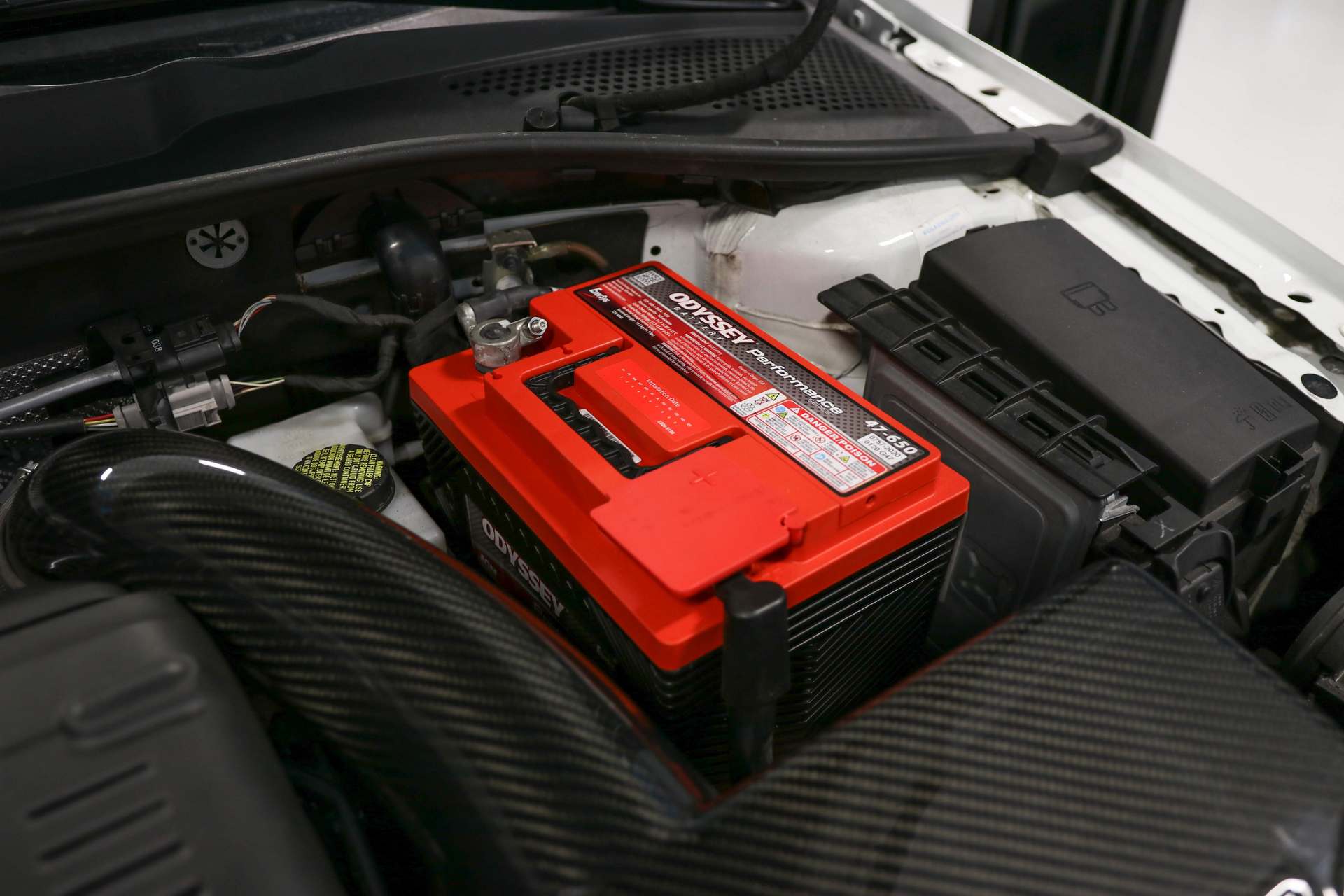
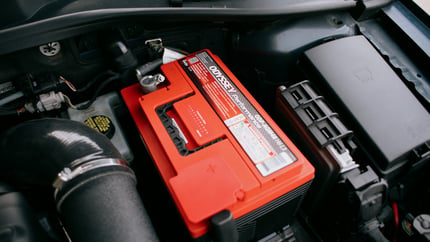
The AGM battery also uses a sulfuric acid mixture within, but not a free-to-slosh liquid one. Instead, the battery uses a series of tightly packed lead plates sandwiched together with fiberglass mats that have absorbed the electrolyte mixture like a sponge. The benefits gained from that construction are enormous, lending to its every advantage over the flooded cell. Those include quicker charging, no acid spillage, and the proper durability needed for today’s safety and efficiency features.
Enhanced Flooded Battery
Of course, you wouldn’t completely abandon a long-time industry standard without trying to improve it, would you? Battery manufacturers certainly didn’t, and the resultant Enhanced Flooded Battery is an old-school flooded cell revamped for the modern day. They last longer, charge better, and handle the deep cycling duties of a stop/start system far better than the OG. That said, its performance isn’t on par with the AGM and isn’t suited to a vehicle with many accessories and features.
Lithium-Ion
In the quickest and most exclusive supercars and exotics, you’ll find lithium-ion batteries. You don’t often hear about them because their cost is astronomical relative to an AGM battery. They’re also less durable in extreme temperatures and can be tricky to charge, requiring a specialty charger that matches the battery’s voltage. What they do provide is a good electric charge at an extremely low weight, making them perfect for specialty performance cars.
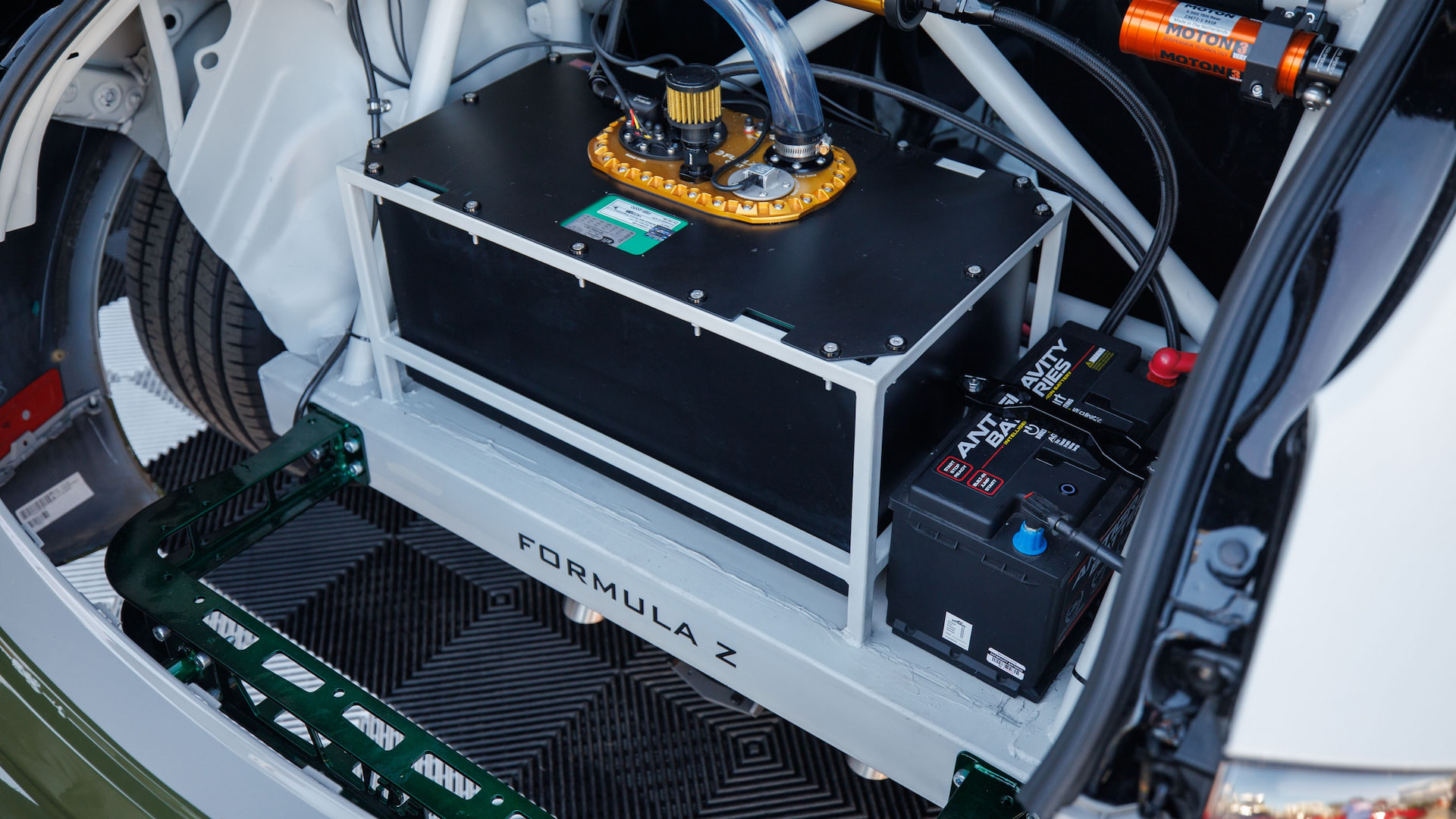
Race cars can take advantage of the weight savings, but a small powersports AGM battery can likely deliver similar performance for a small weight penalty and massive monetary savings.
Today’s AGM Batteries Are The Gold Standard For Your Modern Vehicle
It’s difficult to overstate just how different the demands of today’s vehicles are on batteries from those of older models. Even thirty years ago, the battery powered only the engine, the lights, the radio, and the HVAC. Maybe there were heated seats and power-folding mirrors to worry about, but little else. Now our vehicles have more computing power than the Space Shuttle does in its engine and chassis control systems alone. Then there are the infotainment, the safety features, and every occupant’s phone or tablet to charge on top of it all. It’s pushed battery requirements into a new era, and the AGM has proven to be the best option for it.
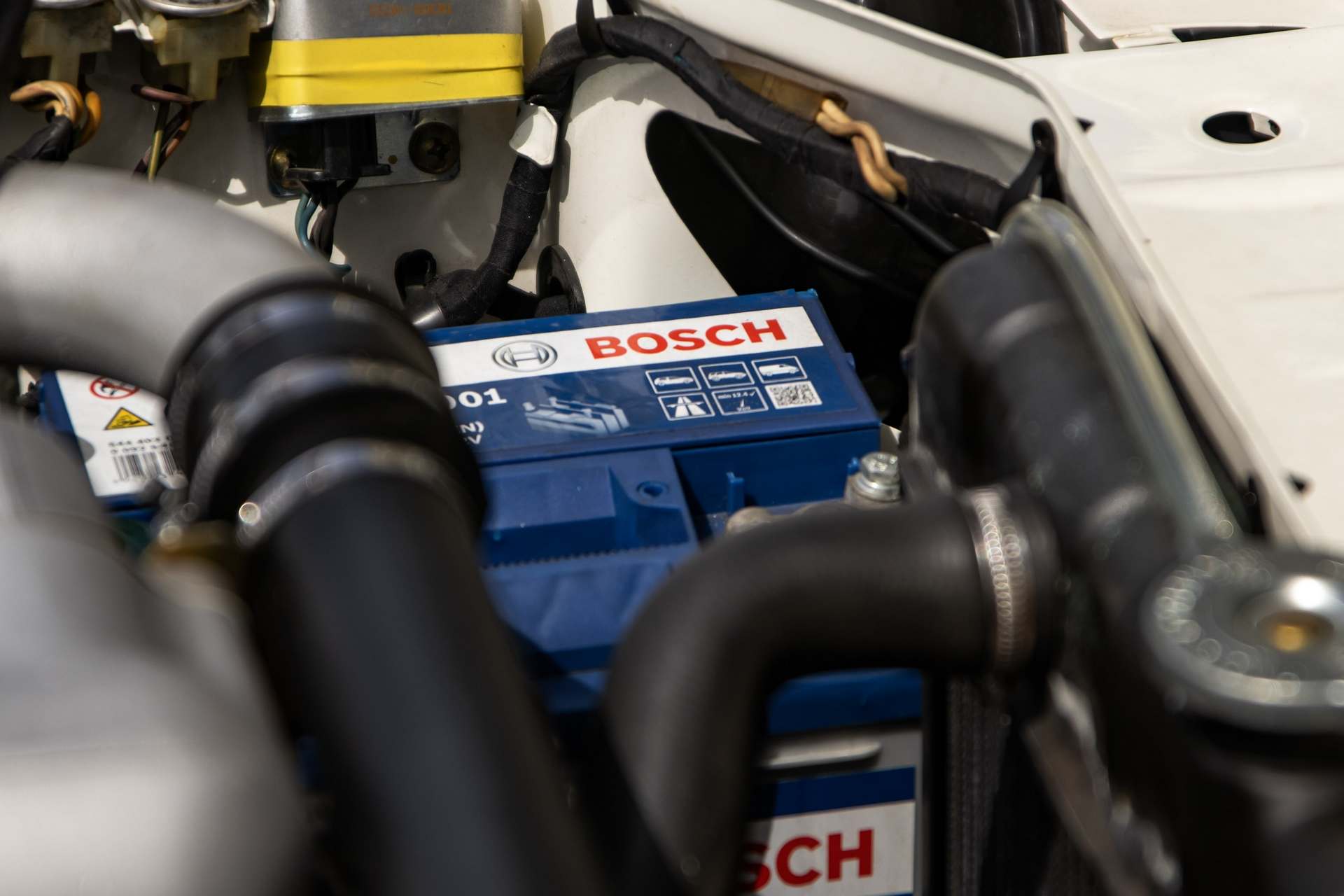
As involved as cars are today, that didn’t exactly happen overnight. Pushing the boundaries of safety features and fuel efficiency has taken decades of advancement, with companies like Bosch playing a large role in the development of systems we now use. Arguably, the most detrimental to a traditional flooded-cell lead-acid battery is the Stop/Start, which shuts the car off when stationary and restarts it when the brake is released. Starting the engine places maximum strain on a battery, and that’s proven to overwhelm the traditional flooded-cell, crippling its effective life fairly significantly. However, AGM batteries are built with those requirements in mind, making them perfectly suited to the job.
AGMs are built to survive and operate efficiently in modern vehicles without sustaining internal damage. Their unique construction makes them far more chemically stable than the older type, utilizing a purer form of lead for the anode and cathode, allowing them to handle continuous discharge and recharge cycles without degrading. That, in turn, allows all the many safety and comfort features to continue running while the engine’s off and while it restarts. The fiberglass mats that contain all of the electrolytic solution are just as impactful, too, preventing the off-gassing that eats through metal, venting, and any acid spillage. That allows it to be mounted in nearly any position in a vehicle, giving you plenty of flexibility in a race car, should you need it.
The AGM battery is also meant to operate almost exclusively at a partial state of charge, somewhere between 60% and 80% capacity. While that sounds ridiculous, modern computers are all about optimizing efficiency, and the battery’s charge state is an important part of that equation. Charging the battery means running the alternator, which places a parasitic drag on the engine and causes it to use more fuel. To avoid that as much as possible, the engine computer keeps the battery at a partial state of charge, yet still expects it to run every safety and accessory feature within. Older flooded-cell batteries would be destroyed by this control, as partially charging them causes sulfation, permanently damaging the battery’s lead and electrical capacity. AGMs are built to survive and operate efficiently in that state of charge without sustaining internal damage.
Such a capable battery is relatively available from a couple of our suppliers, including Bosch and Odyssey. Both companies are well respected in the industry, having provided parts and batteries for decades. The Odyssey batteries use a few proprietary construction processes, so their products are a bit pricier than Bosch units. Despite a slightly different construction, the Bosch AGMs were developed by the engineers who developed the first stop/start systems. That first-hand experience with those systems is built into every Bosch battery, so that you can trust them, even as the inexpensive option.
Take Care Of Your Battery The Right Way
Batteries naturally last a few years, but there’s still more you can do to keep them healthy for that long. Key to them lasting is regular charging and use; a battery that sits for too long will lose its charge, as I’m sure you know. Driving your vehicle regularly is the best way to keep it healthy and charged, but if you can’t do that for whatever reason, there are tools to help.
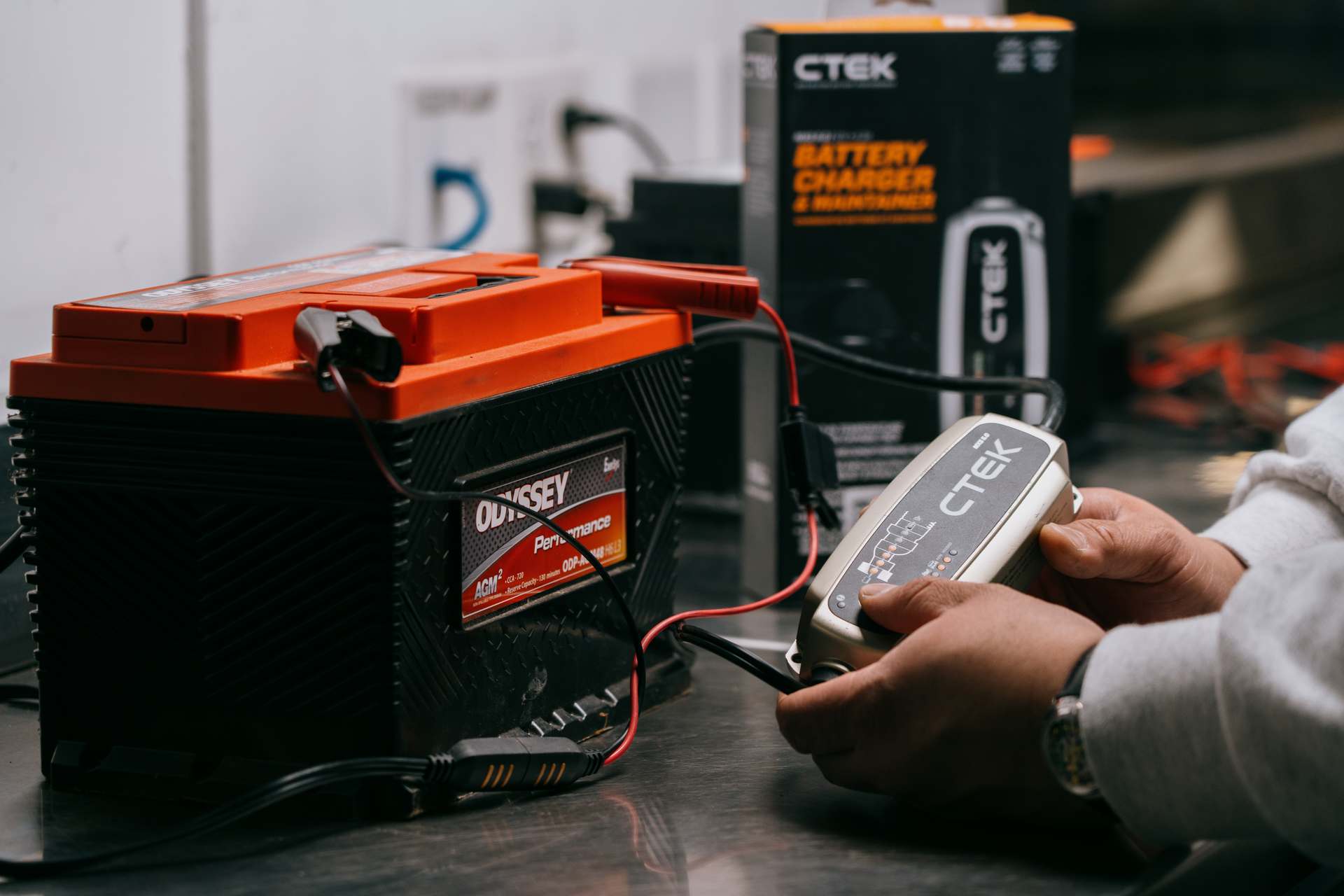
What you need to get is a battery charger/maintainer. The former is a relatively small device that plugs into the wall and your battery terminals. It tests the battery to determine its charge, then brings it back to maximum and maintains it for as long as necessary. Several of these can also function as jump starters, too. They’re offered by several companies, including Bosch, NOCO, CTEK, and Clore Automotive, in different sizes and shapes, with charging for one battery or up to four at a time.
A majority of the chargers offered will be suitable for flooded-cell and AGM batteries; only a few will be capable of charging a Lithium battery. Should you acquire a charge, do read the instructions and ensure you’ve set it to the proper settings. Battery type determines the proper charge settings, and charging a battery incorrectly will likely damage it.