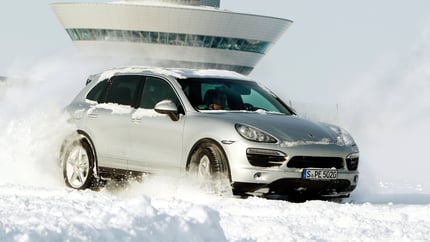
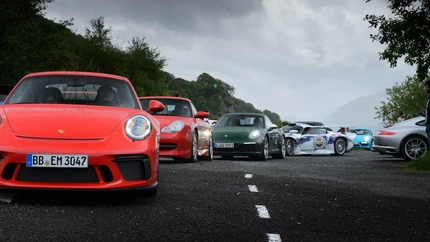
It’s often said that the Cayenne saved Porsche from its financial struggles in the nineties. That’s largely true, but it doesn't include the Boxster’s success, which debuted half a decade earlier. The two-seat cabriolet marked a new era for Porsche and became a smash hit almost instantly before cementing itself as Porsche’s entry-level model for decades to come. Over time, it’s gone through several evolutionary changes, with a few high-performance offshoots joining the lineup, but without losing the playful, agile soul so many still love. Whether you’re purchasing one for yourself or brushing up on Porsche history, here’s what the last three decades of the Boxster have looked like.
986 Boxster (1997-2004)
COVID has largely killed the international auto show as we used to know it, and that’s a bit of a shame. They used to be the place where automakers debuted long-awaited concepts and secret projects, sending the automotive media, potential buyers, and investors into a frenzy. Whether the frenzy was good or bad depended on the car, but at the 1993 Detroit International Auto Show, Porsche unveiled the Boxster concept and set the motoring world alight with anticipation.
Sales that began to slip in the eighties were at serious lows in early 1993, but Porsche’s new concept proved to be the jumpstart the company needed. Prospective buyers and journalists alike were excited for the new entry-level car that would supplant the beloved, but long-in-the-tooth transaxle cars as the least expensive option. Three years later, the first 986 Boxsters arrived at US dealerships and reached their owners sporting Harm Lagaay’s infamous headlights. Porsche would never be the same, and it was all for the better.
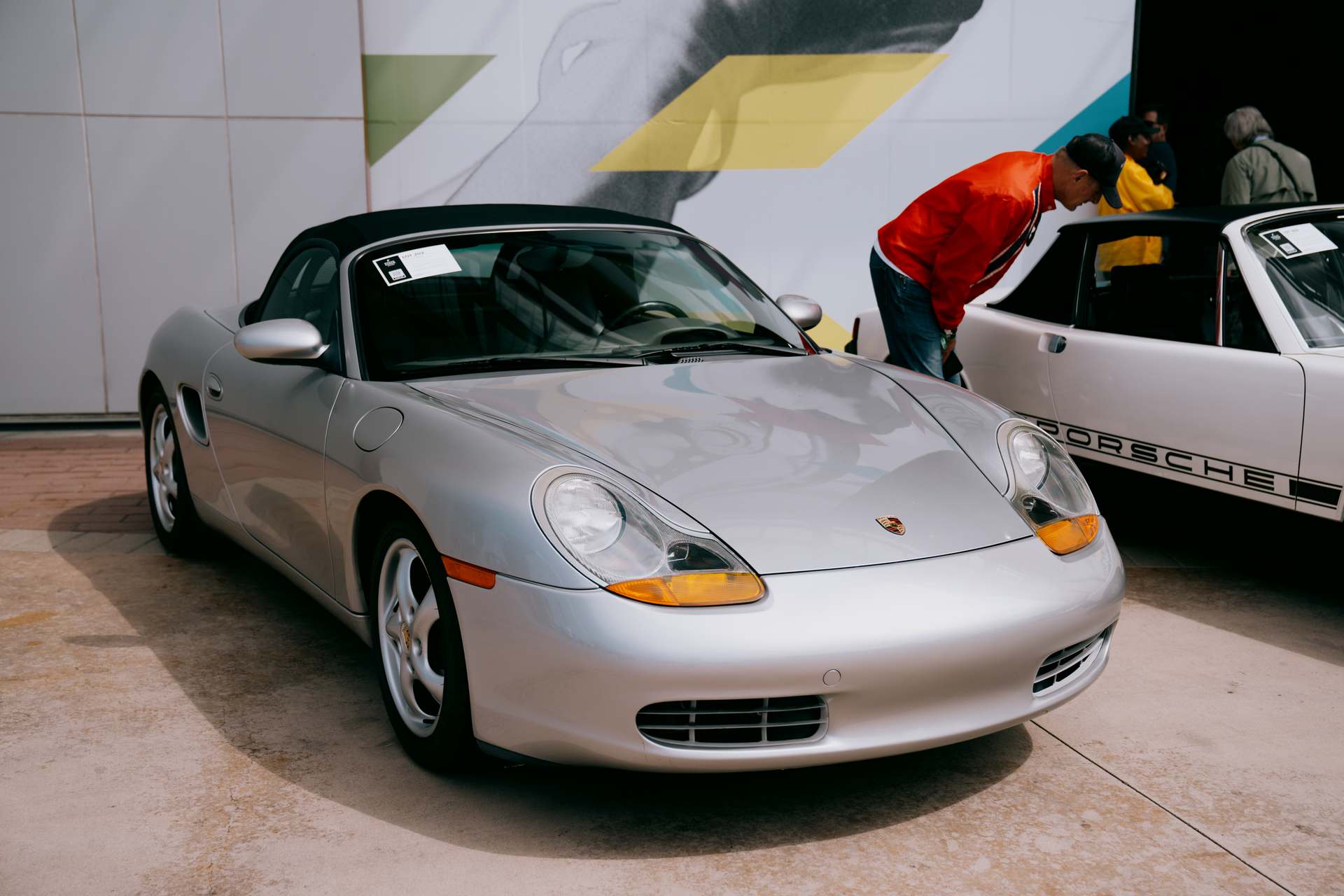
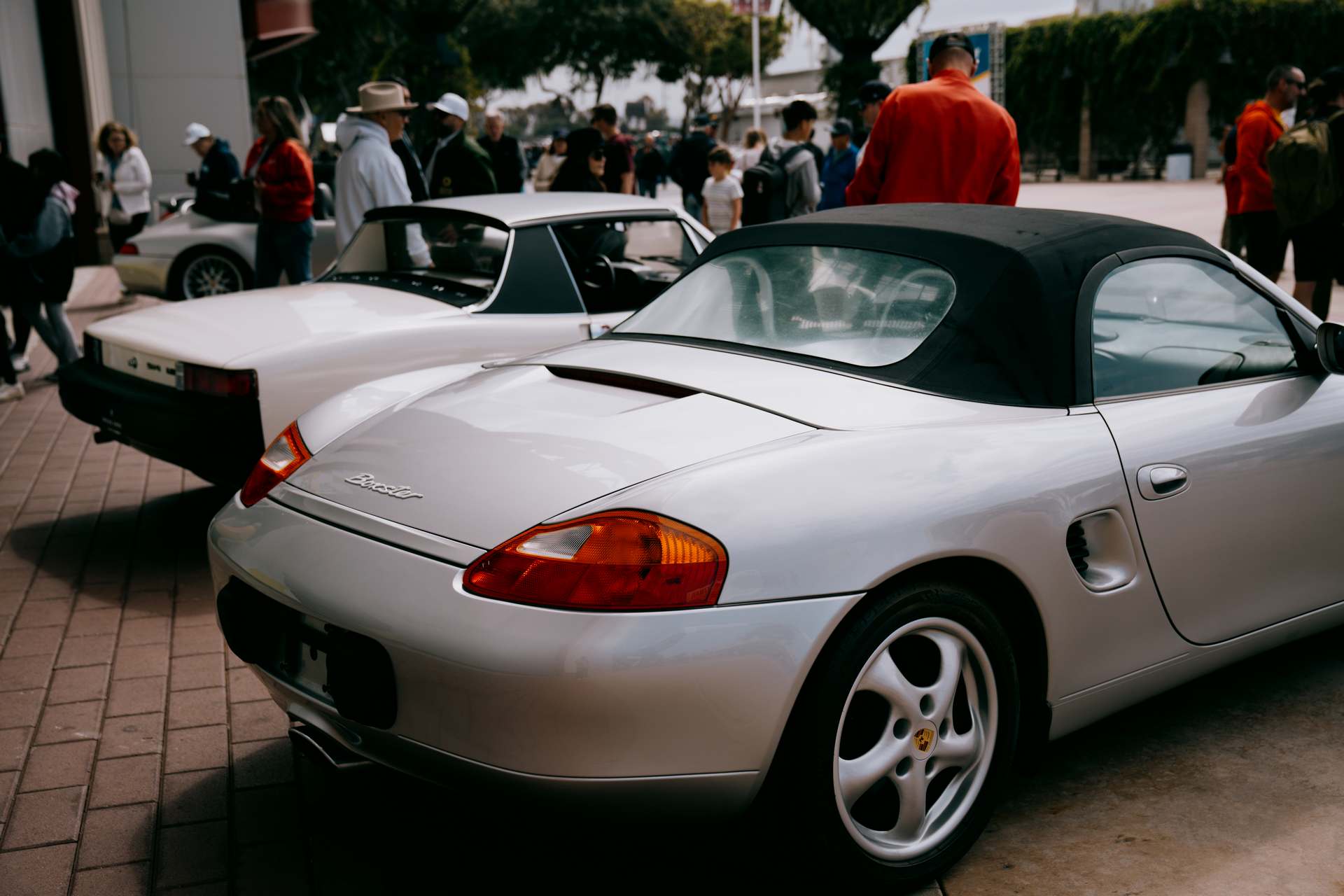
The Boxster’s basic recipe is a mid-engined roadster. Engine in the middle, gearbox behind it, and two seats up front wrapped in a lightweight chassis. It uses a power-folding cloth roof, though many were sold with removable hardtops, and features two trunks thanks to the engine location. Beyond that, it’s a fairly simple car built around a cost-saving principle; from the seats forward, under the leather, carpeting, and exterior panels, the Boxster shares its structure with the 996 Carrera. The fenders, headlights, frunk trim, and many other parts are identical, with only a handful of minor trim differences. It was a move that allowed Porsche to significantly reduce engineering and manufacturing costs while ensuring both cars had a front suspension capable of delivering the expected feel and grip. However, behind the seats, the Boxster was basically its own vehicle.
Rather than an extra pair of seats, a firewall separates a water-cooled flat-six from the passenger compartment. Behind the panel, the Boxster’s engine was the first of its kind, bringing the M96 to the world before the 996 Carrera. It was Porsche’s first all-water-cooled flat-six and featured numerous mechanical updates, including two camshafts per bank, a more modern fuel injection, and four valves per cylinder, giving it far better power and fuel efficiency than the air-cooled engines it replaced. Behind that, a five-speed manual transmission from Getrag, or a five-speed automatic transmission from ZF, provided power to the rear wheels through an integrated differential. It was very similar to what would be the 996’s drivetrain but rotated 180°.
The rear suspension was a unique design for Porsche at the time, and it’s hardly changed all that much in the last three decades. It’s a MacPherson strut with a long trailing arm, a single lower control arm, and a toe arm at the back. In many ways, it's a slight modification of the front suspension architecture, with which it shares a lower control arm. Up front, the trailing arm is a shorter thrust arm, while the tie-rod ends and steering rack control toe. Dampers in every 986 variant are passive; PASM didn’t arrive until the 987. That said, Porsche mostly nailed it the first time out, as even now, the early Boxster is lauded for its handling competence and feel.
Despite the polarizing fried-egg headlights, the Boxster didn’t face the same initial criticisms that the 996 did. Instead, many called the 986 a “hairdresser’s” car. At this point, the styling aged well and many love it, but I’d argue it had an easier time than its larger sibling. Perhaps that’s because it was meant to evoke the designs of the 550 Spyder and 718 RSK, two race cars from the ‘50s with bulging curves and short overhangs. While certainly not as curvy as those two, the family resemblance is certainly there, at least on the outside.
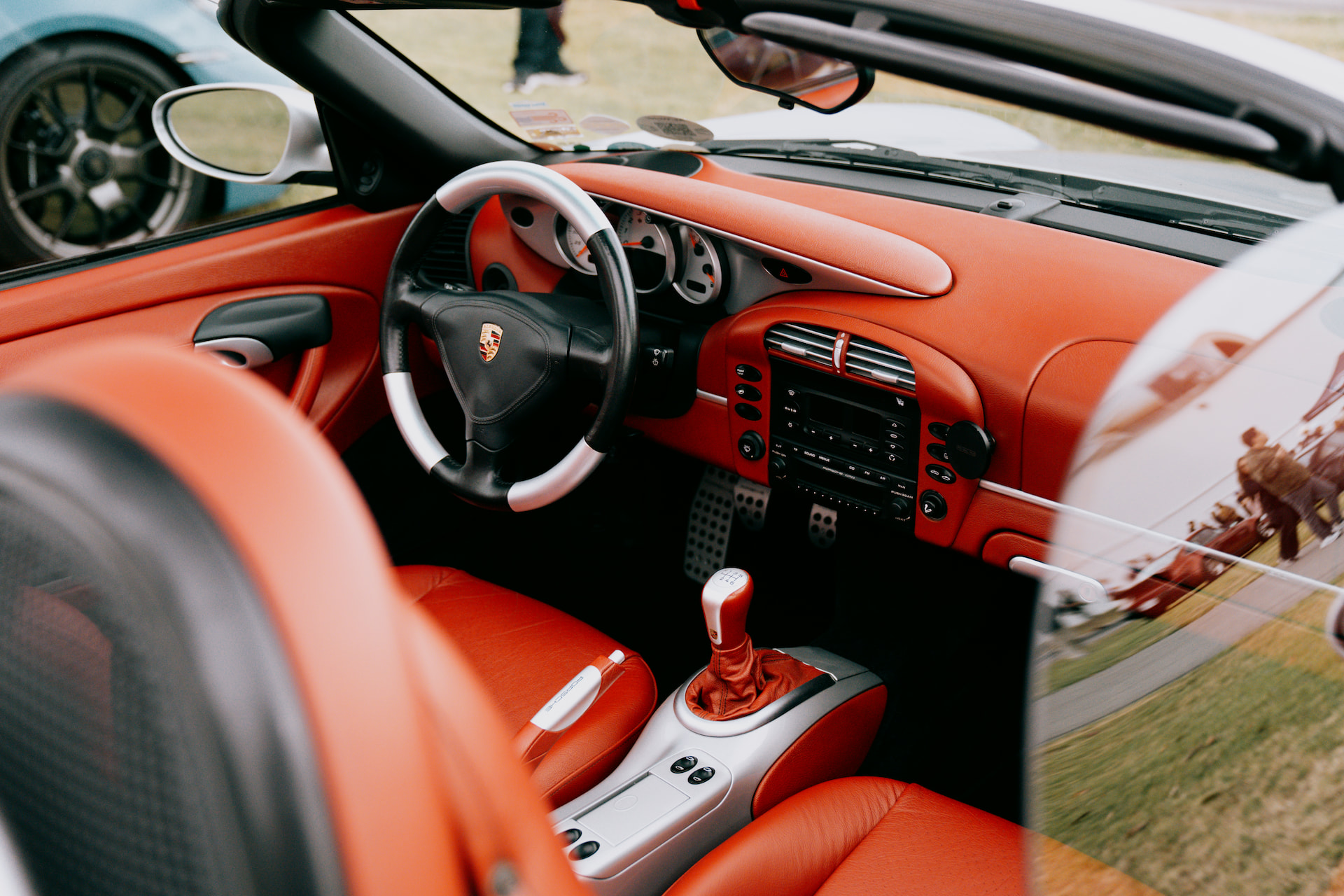
Inside the boxer roadster (which Porsche combined to form Boxster), the interior remains a defining feature. Designers under Lagaay seemed to have fallen in love with the ellipse, using it for most buttons and the center vents, while other pieces like the dash speakers, interior door pulls, and the instrument binnacle continue with a similar ovular shape. Plastic touch points were also new; many didn’t love them and still complain about them. Another cost-cutting sacrifice, but a relatively inconsequential one.
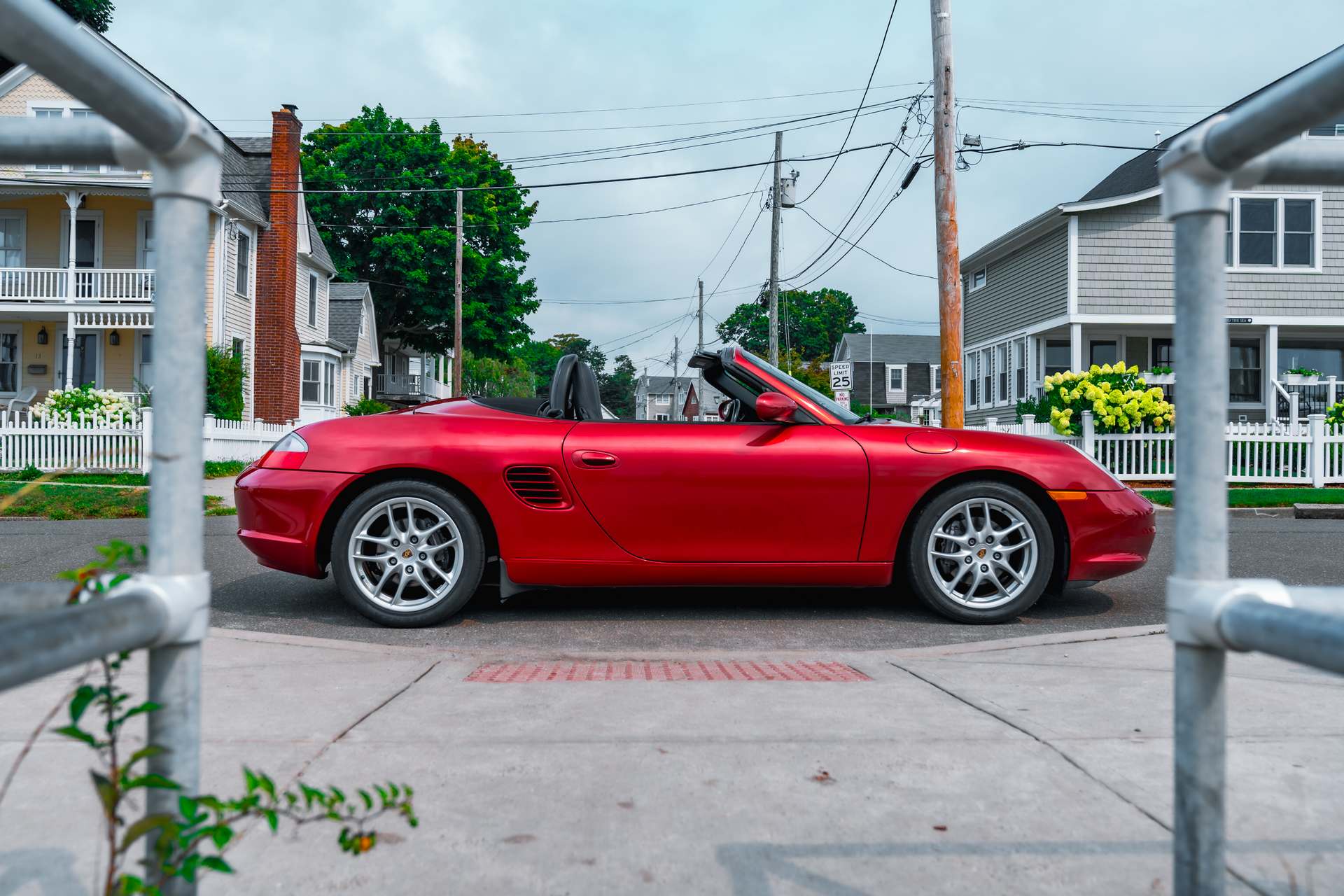
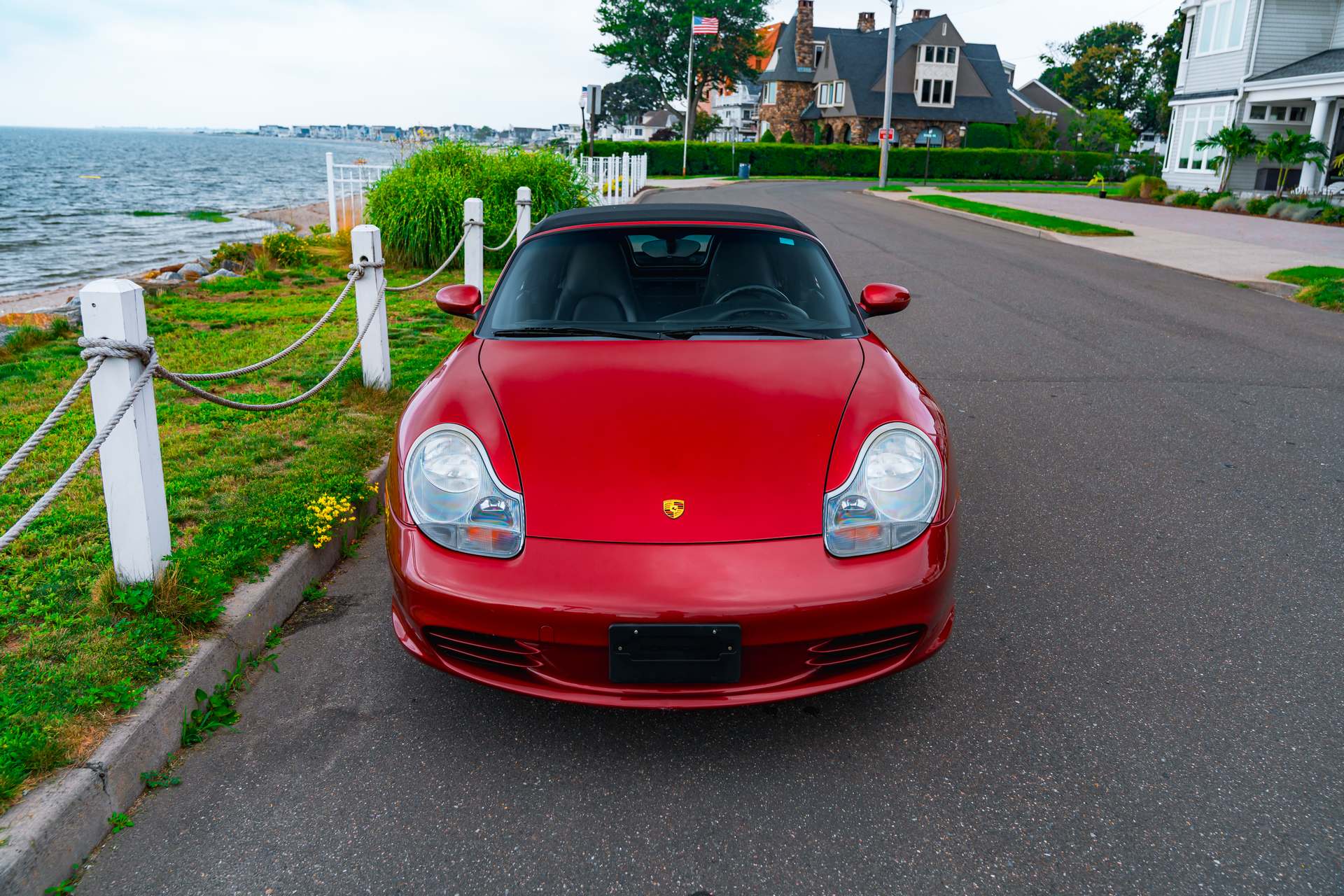
Porsche updated the 986 twice in its seven-year production. Initial models all featured a 2.5L engine and the aforementioned five-speed gearboxes through ‘99. The following model year brought two new engines, a new transmission, and the Boxster S trim. The newly introduced S models were given a much more powerful 3.2L M96 and a six-speed manual transmission, while the base trim kept the five-speed and received an engine displacement bump to 2.7L. This refresh also brought about a new instrument cluster with a better LCD screen and PCM 1.0.
Porsche rounded out the 986 in 2003 with a fairly major facelift. It coincided with the 996.2 facelift, and many refer to these last two model years as the 986.2. Engine and transmissions stayed the same, but both trims received a modest power bump. New exterior lighting and bumper covers took the Boxster out of the nineties, and a new roof design allowed for a glass window instead of the crack-prone plastics of older model years.
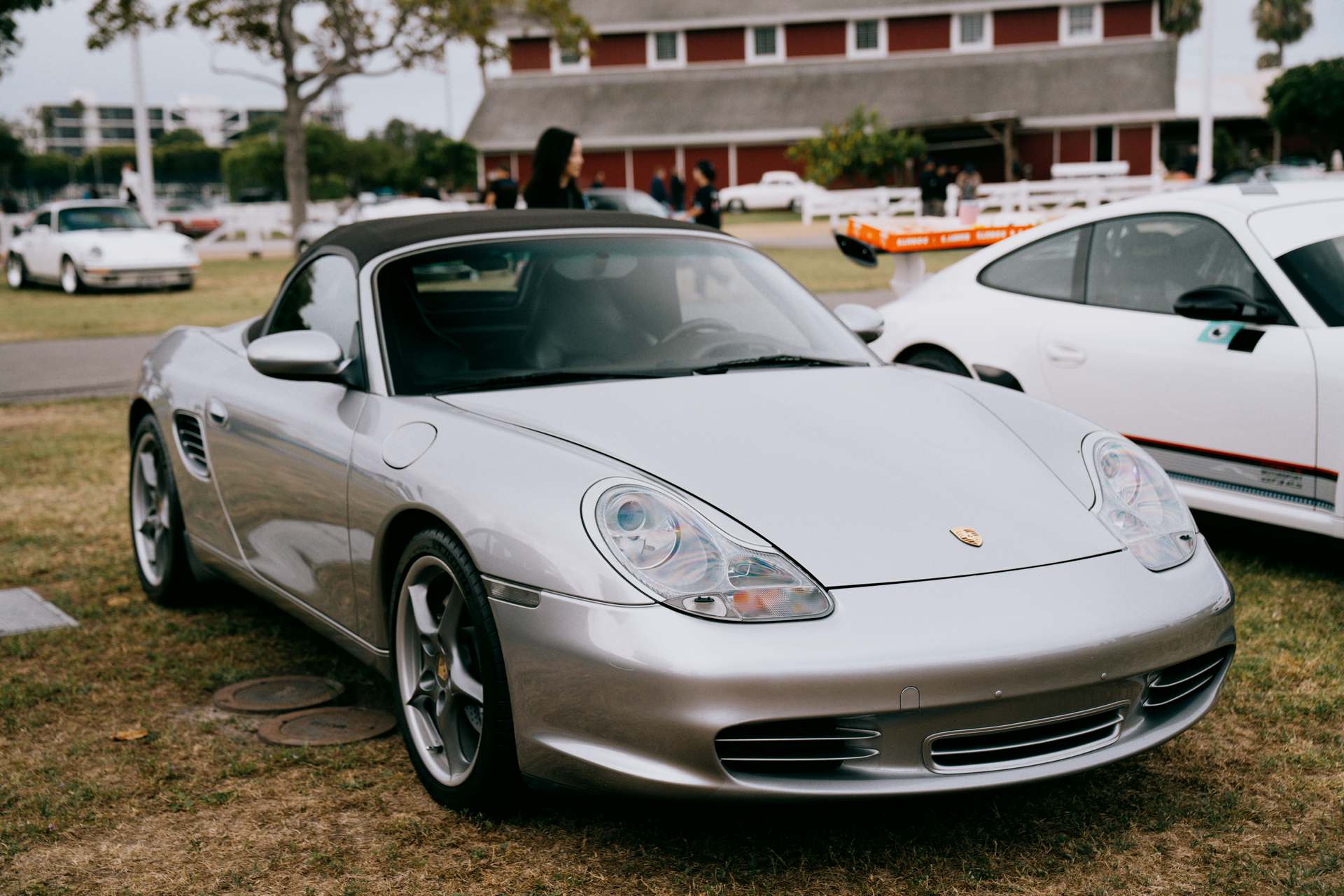
Lastly, Porsche celebrated 50 years of their first sports racer, the 550 Spyder, with the Boxster S “50 Years 550 Spyder” Edition. Limited to 1953 models worldwide, only 500 examples came stateside. Each wore GT Silver Metallic paint over a Cocoa or Black leather interior and sport seats, and was fitted with suspension lowered by 10mm over a standard S, Litronic headlights, two-tone Carrera “lightweight” wheels, and a handful of otherwise optional goodies. They even received a small power bump up to 265hp, making it the most powerful 986 Porsche ever offered.
987 Boxster (2005-2012)
Porsche learned a lot in the almost decade it spent building and enhancing the 986 and 996. Fatal flaws were exposed, and customers made their opinions known loudly. There was much to be done, but in Porsche fashion, they made most of the right changes. The resulting 987 Boxster was structurally similar to its predecessor but with extensive manufacturing tweaks, new tech, and completely revised styling that elevated the roadster into a new era.
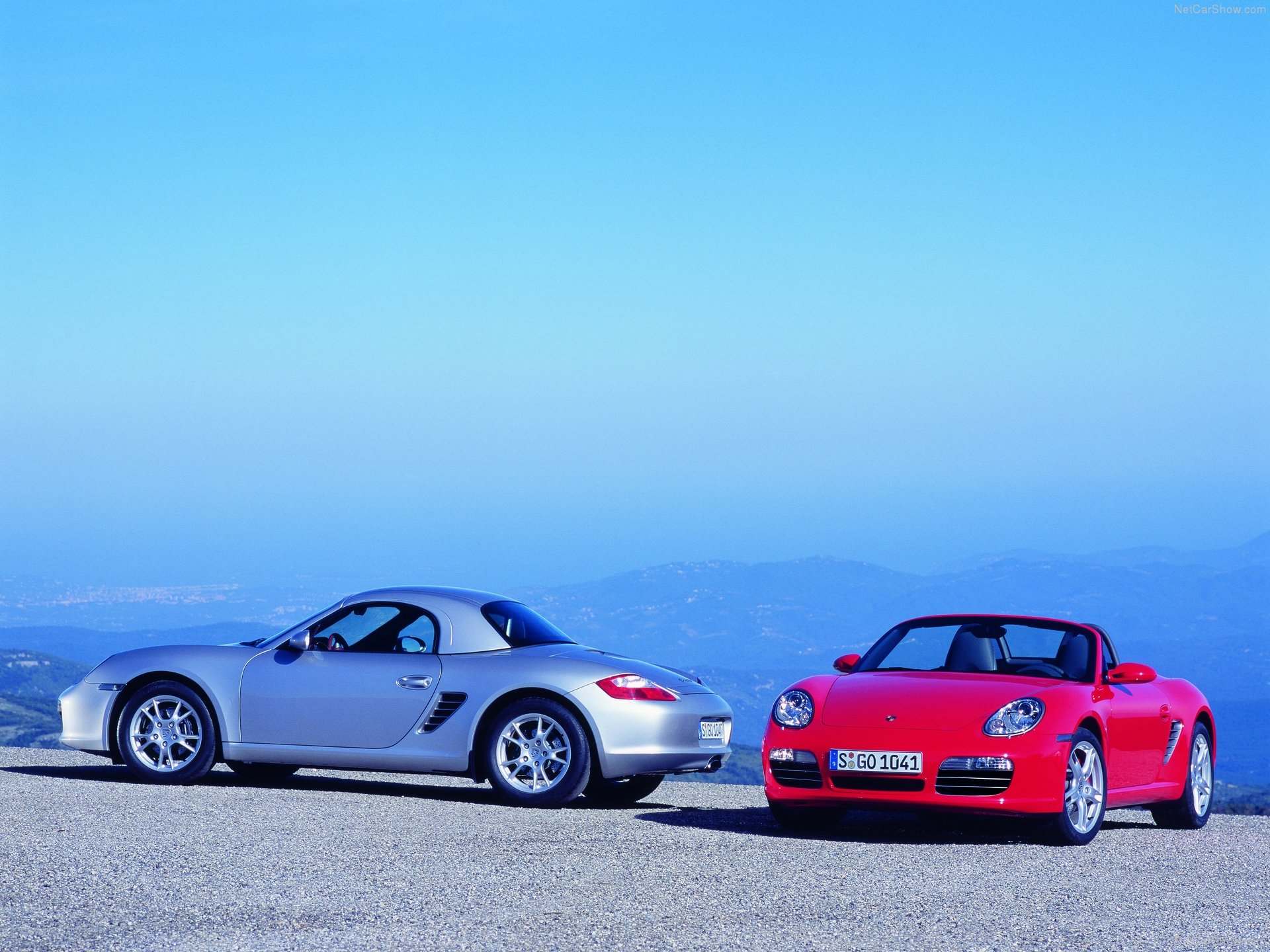
Development of the 987 began just after the new millennium, with production starting in 2004 for the 2005 model year. The revamped entry-level sports car featured around 80% new parts, according to Porsche, but much of the feel and dynamics were retained, if not improved. It started with a heavily stiffened chassis that added weight but made up for it in rigidity. Bolted to that was a near-identical suspension in overall design, but with revised uprights, retuned dampers, and updated bushings to provide better response and comfort. Standard wheel sizes grew in diameter and width, and were paired with a variable-rate steering rack. Optionally, the 987 could be fitted with Porsche’s then-new PASM adaptive dampers.
The powertrain wasn’t exactly carried over from the 986, but looked largely the same on paper, as both the base and S trims retained engine layout, displacement, and transmission choices. Both engines brought moderate power bumps, while the gearboxes had new internal components and revised ratios. Interestingly, the base 987 Boxster could've been fitted with an optional six-speed manual transmission via a special package (option code P04) that also optioned the PASM suspension. Then, two years into production, Porsche updated the 987’s engines. The base 2.7L received VarioCam Plus, adding variable valve lift in conjunction with variable cam timing. The S received the 3.4L from the Cayman S. Once again, both featured a bit more power than their predecessors.
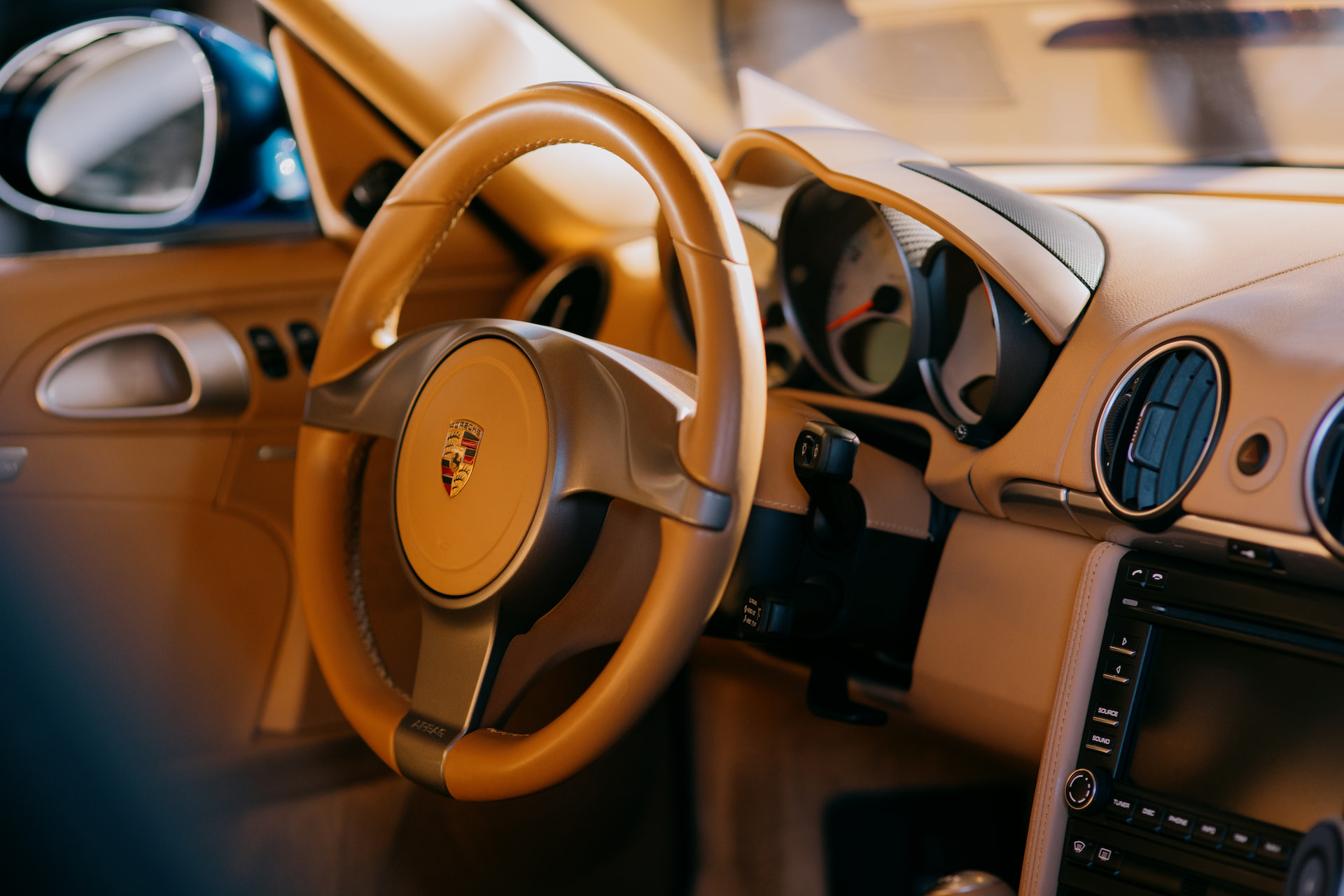
However, those mechanical updates paled in comparison to the 987’s all-new design. Sure, the same roadster shape and platform were kept, but the swoopy, curvy, elliptically-influenced styling of the 986 was retired for a far more contemporary design. It better harkened back to the air-cooled 911’s iconic dashboard, with new materials that greatly improved the interior feel. That latter point was a major gripe against the 986, but years on, its older plastic buttons hold up much better than the 987’s soft-touch materials. Externally, the lack of fried-egg headlights brought the Boxster in line with the 997.
The final year of the 987.1 featured three distinct special edition models. The rarest is the Boxster Limited Edition, a 500-unit run split evenly between base and S models wearing the SportDesign exterior package that arrived exclusively in GT3RS orange with matching painted interior trim, special black wheels, and the Alcantara-covered steering wheel and shifter also from the RS. Then there was the Boxster RS 60 Spyder, a tribute to the 1960 718 RS60. Each example was painted GT Silver Metallic over Carrera Red or Charcoal Grey upholstery and fitted with Porsche Sports Exhaust (PSE), PASM suspension, Sport seats, and a full leather interior. They also received a new DME tune boosting peak hp to 303, the first time the Boxster broke the 300 mark. Production was limited to 1960 units. Lastly, there was the Boxster S Design Edition 2. It was almost a mix of the previous two, with the 303hp 3.4L engine from the RS 60 Spyder, but styling like the Limited Edition. Each example was Carrera white with specialized graphics over black full leather and matching painted interior trim and center console. As with the others, a few options were standard, but this one, connected to Porsche Design, came with an exclusive matching chronograph watch. Porsche only made 500 units for the worldwide market.
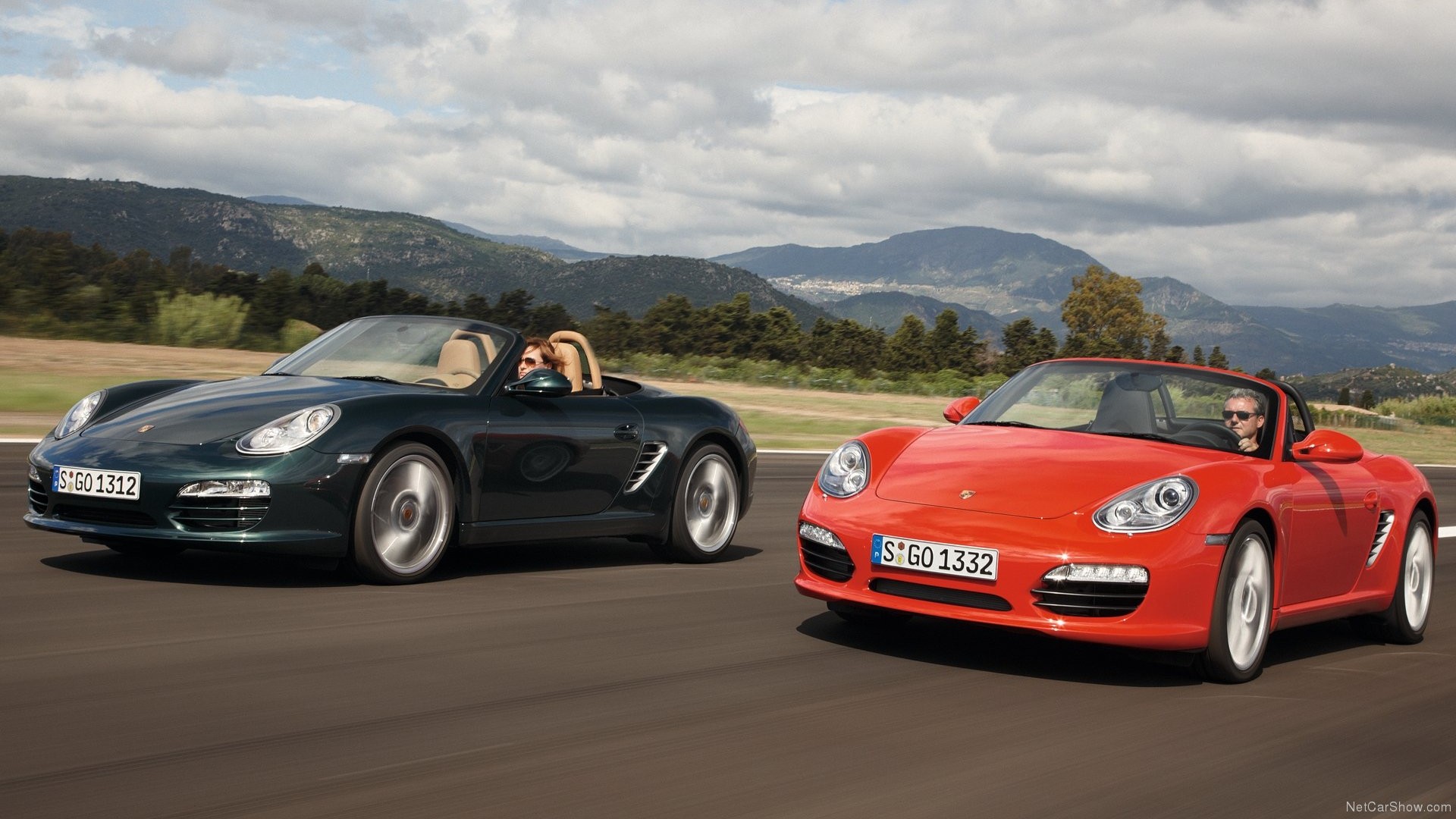
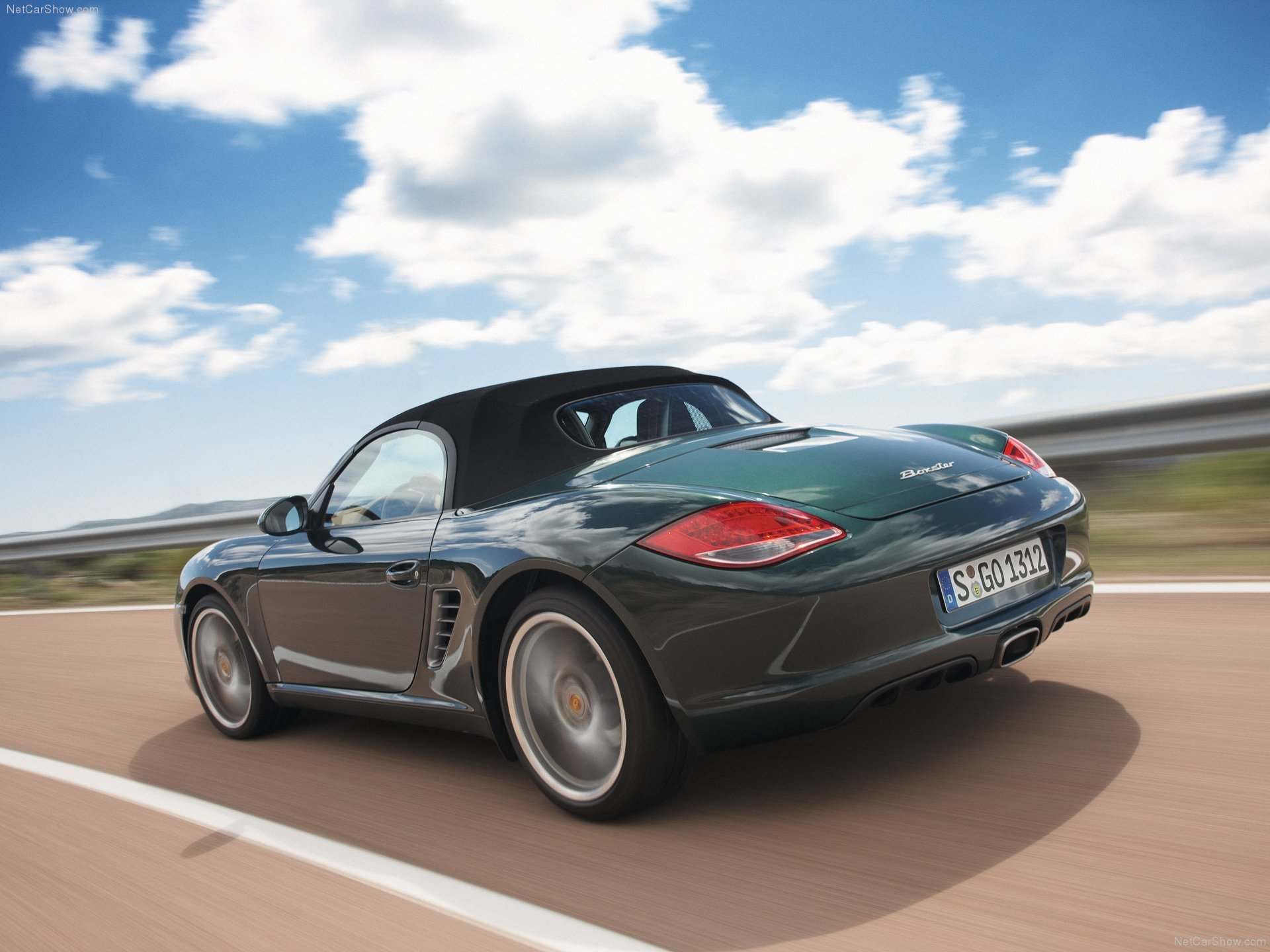
Porsche facelifted the 987 in 2009. While styling and tech received only minor tweaks this go-around, the powertrain got a major update. The M96/M97 engine architecture and the traditional torque-converter automatic transmission were banished to the history books where they belonged. In their place, Porsche fitted a new generation of water-cooled flat-sixes, dubbed the 9A1, and its first dual-clutch transmission, the PDK. The former solved the most significant mechanical issues of prior generations while significantly improving performance and fuel efficiency. The latter gave the Boxster the two-pedal transmission option it always deserved: a sharp, accurate paddle-shifted gearbox with race-car-like precision and true road manners.
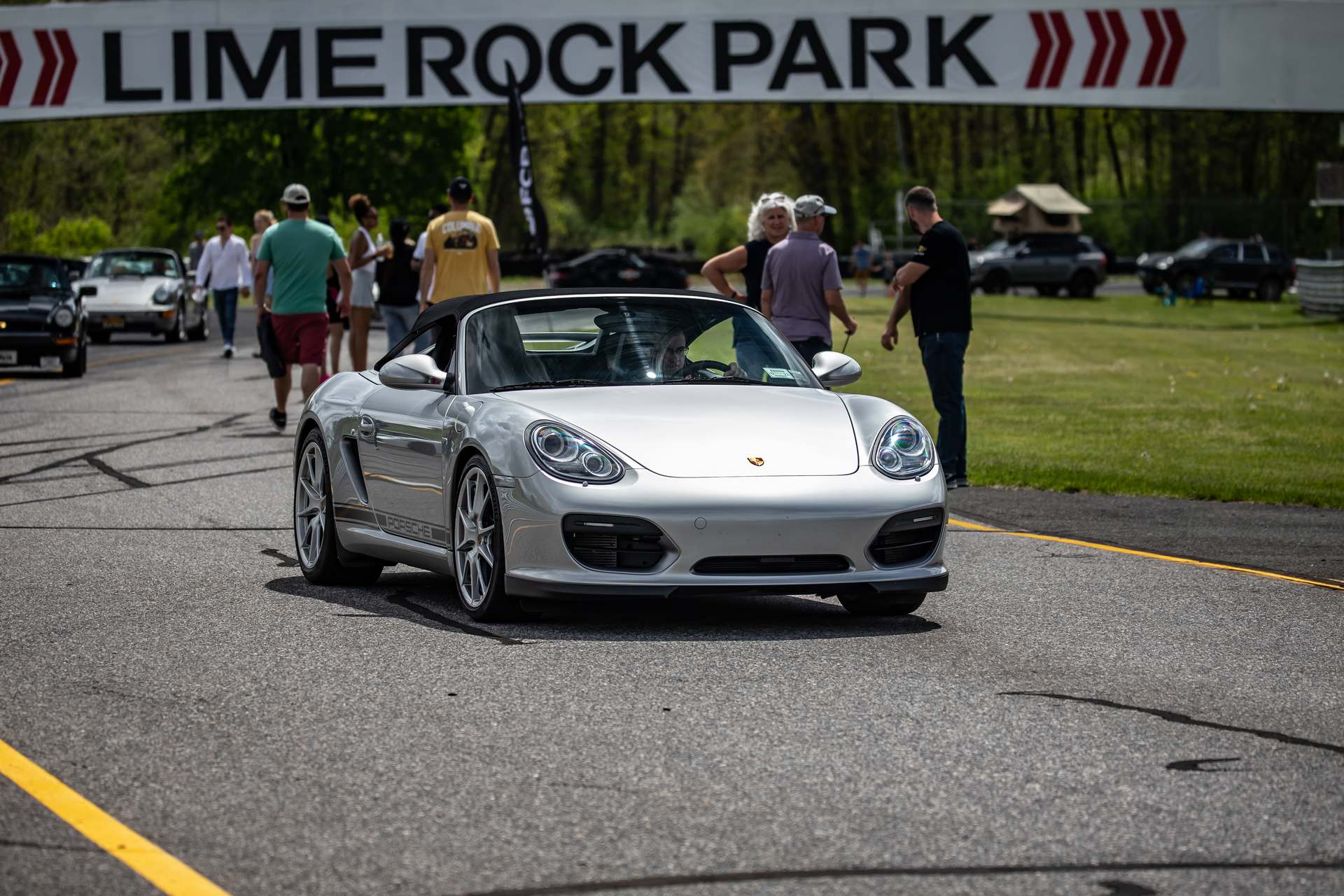
Porsche could’ve stopped there, but it listened to its customers’ cries once again, and finally gave the mid-engined 987s a true performance variant. It arrived as the Boxster Spyder in 2011 as a stripped-down, tightened-up limited edition with more power than ever before. It wasn’t a massive increase, 20hp above the standard Boxster S. However, special wheels, aluminum doors, and a unique canvas top shed roughly 175lbs over a similarly equipped S, allowing that horsepower to go further. The lightweight influence carried on inside the Spyder, which featured extensive Alcantara use and was available with a radio and AC/Climate delete. Production was limited to about 1900 units, with a reported 891 meant for the North American market.
The last of the 987.2 Boxsters to arrive was the Black Edition. Limited to 987 units, the special run featured solid Black paint over a black interior and black roof with matching painted roll bars, side air intakes, exterior badging, and black tailpipes. The Design, Comfort, and Infotainment packages were included as standard, and the engine received a 10hp boost. A plaque on the glovebox denotes which example in the run a given car is, as with all other limited-production 987 Boxsters.
981 Boxster (2013-2016)
In the late ’00s and early ‘10s, Porsche was developing its next generation of sports cars. The existing 997 and 987 evolved from designs created in the mid-’90s, and after two decades and a few tweaks, that just wasn’t good enough. Competing in the modern landscape required a clean-sheet approach, and that’s what customers got when the 981 finally arrived in mid-2012.
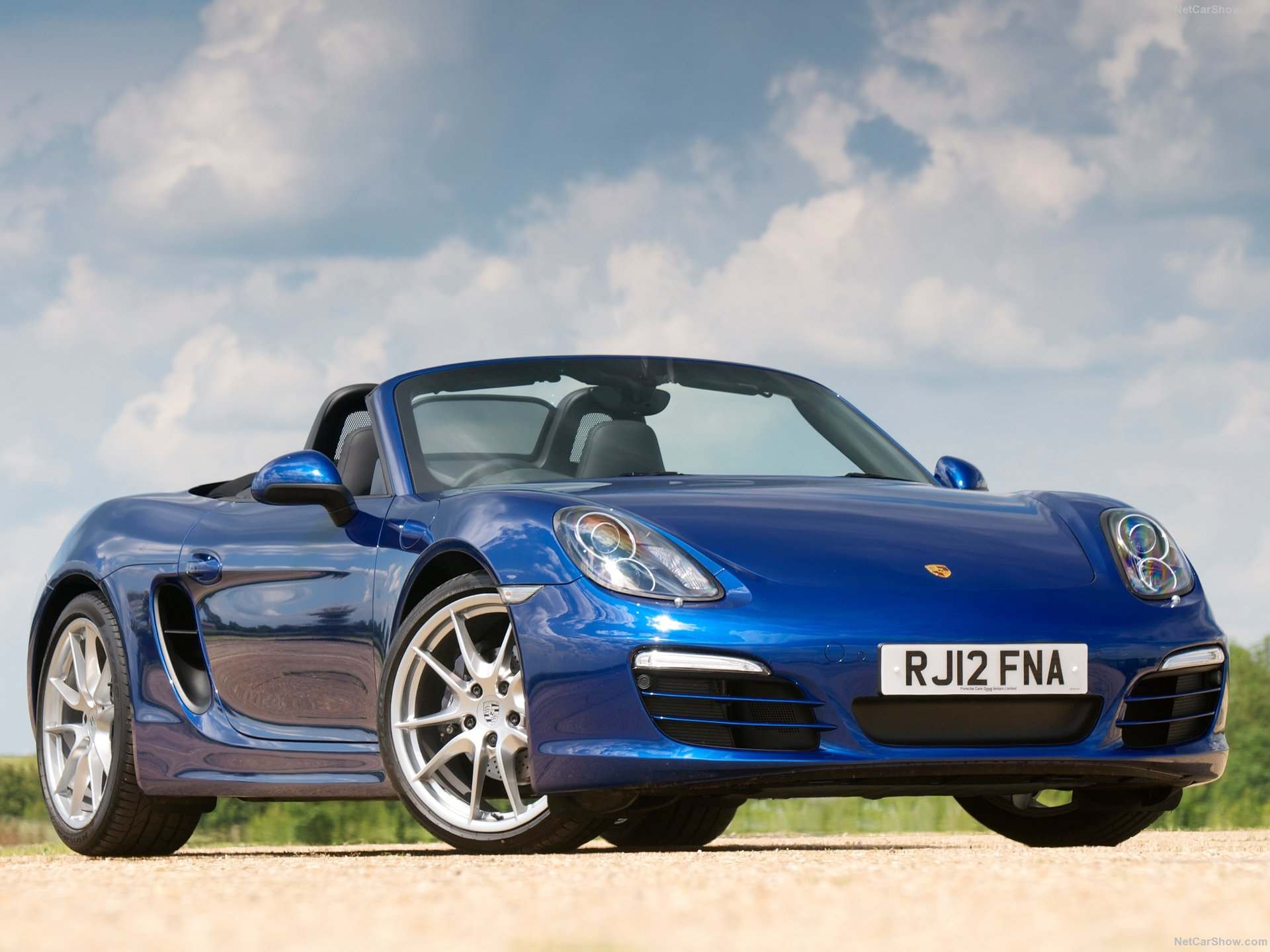
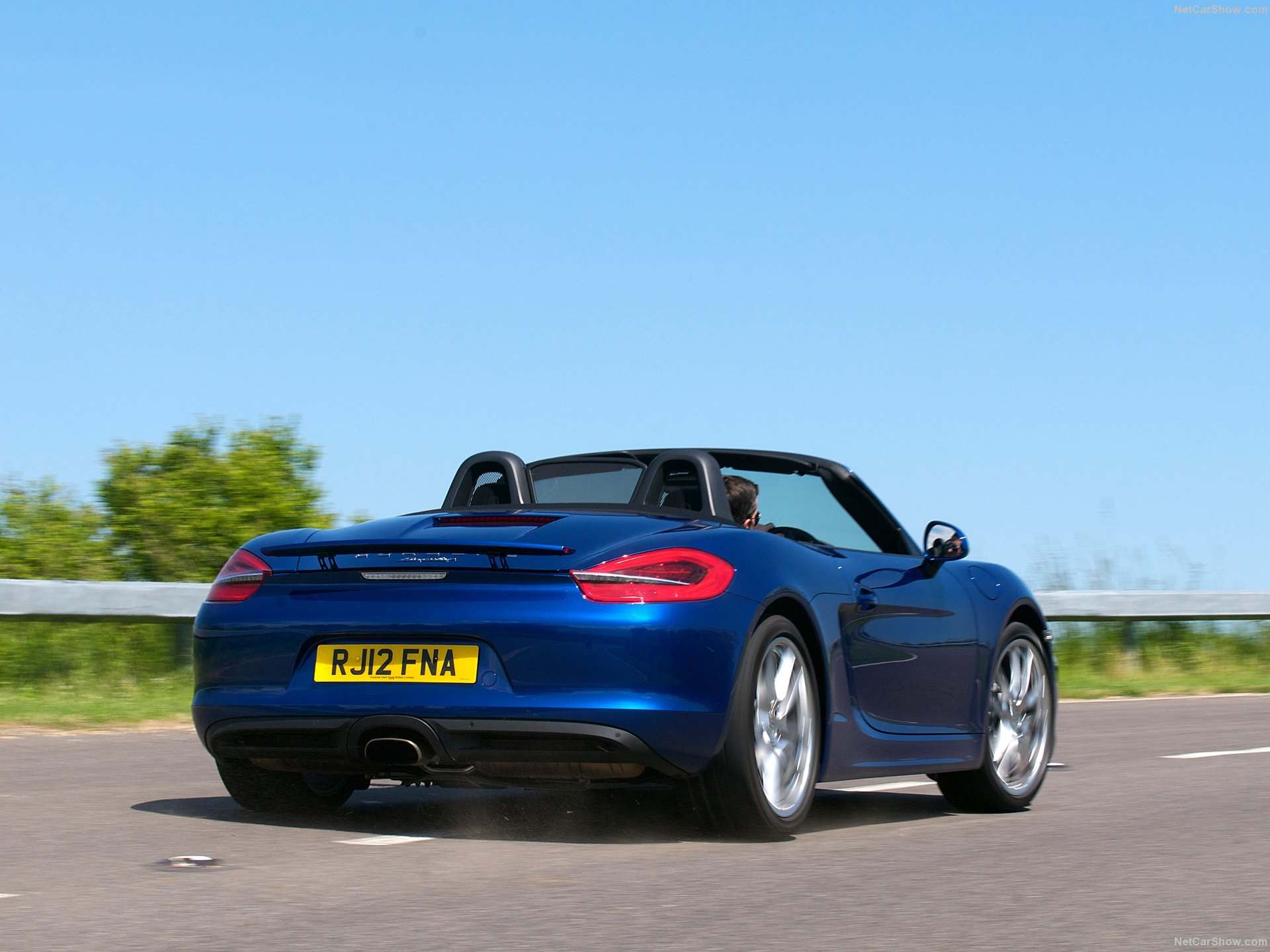
The 981 used a substantially larger body shell than its predecessors and shared much of its development with the 991. Porsche stretched the wheelbase by 60mm, the front track by 40mm, and the rear by 18mm, giving the third-generation Boxster its largest footprint yet. Yet, several new manufacturing processes and an extensive use of structural aluminum reduced the shell’s weight by roughly 100lbs. It was far stiffer, too, providing a better base for suspension tuning that blended performance and comfort. Porsche then wrapped the body shell in a completely redesigned exterior that took cues from the 918 Spyder.
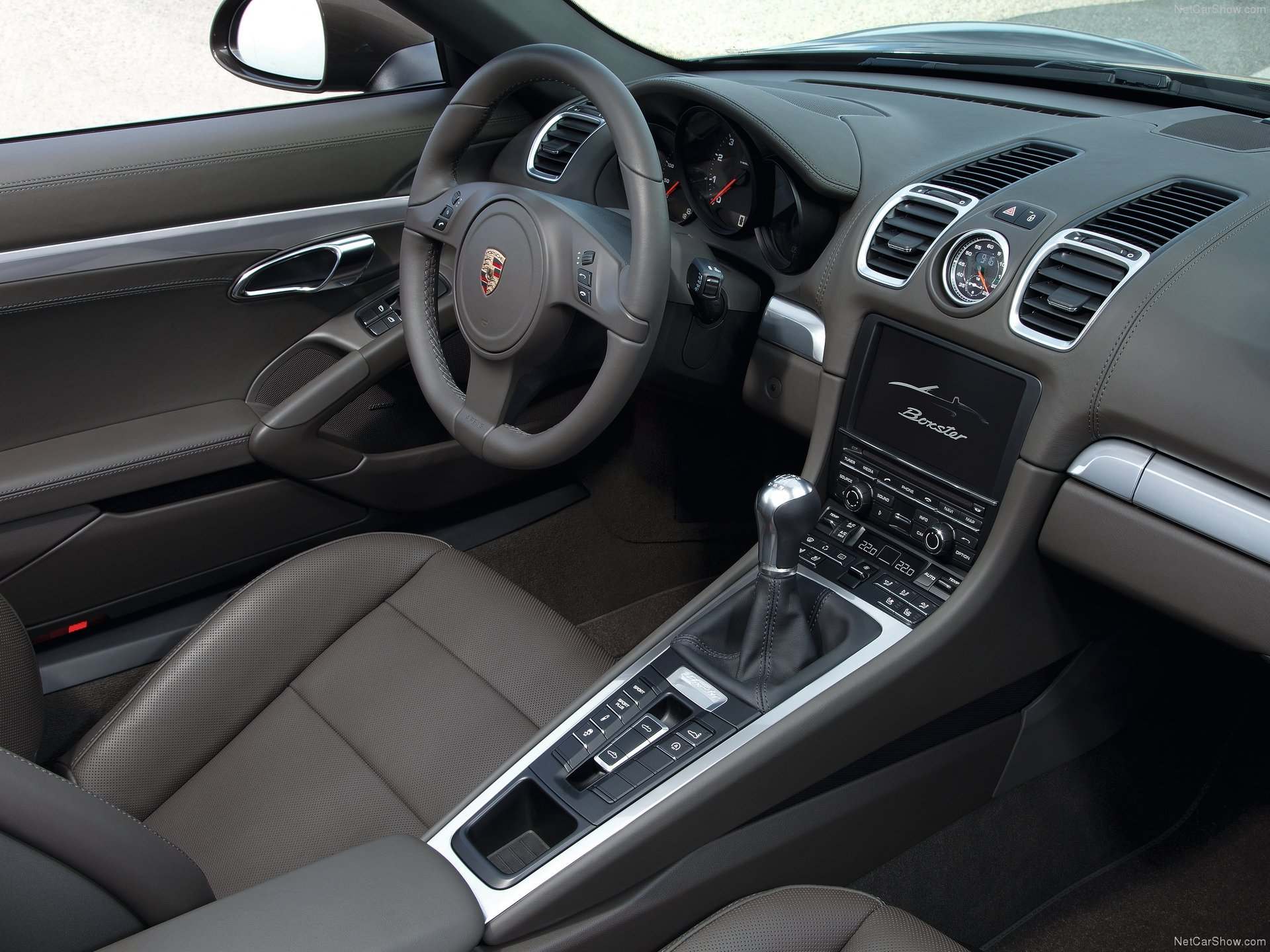
The interior also changed significantly, as the button-heavy rising center console from the Panamera made its way to the Boxster. The larger chassis made for a larger space inside, which once again shared parts with the 991; this time, identical door panels and center console trim. Above the trim line, the dashboard is exclusive to the 981. Material quality was also improved as Porsche ditched the soft-touch plastics.
Behind the seats, the powertrain picked up where the 987.2 left off, with updated 9A1 engine variants. S models retained the 3.4L DFI engine with a minimal power bump, but the base Boxsters actually received a slightly smaller engine, back down to 2.7L. Despite the smaller displacement, DFI made it more powerful than the port-injected 2.9L it replaced. Transmission options were identical to the outgoing 987.2: a six-speed manual and a seven-speed PDK.
Under the new body shell, Porsche updated the 987’s suspension but didn’t overhaul it. Control arms remained the same, while the uprights were new for the wider track and revised steering system. The chassis changes also allowed for larger wheels, which reached 20” for the first time and gave the Boxster its largest contact patch yet. However, the most significant Boxster and 981 suspension update came from the electrically assisted power steering. It was a polarizing move at best; many criticized its lack of feel relative to the Boxsters of old. These days, though, EPAS is the norm, so it’s a mostly forgotten issue.
Porsche had revived the GTS moniker around this time, and in 2015, the Boxster earned a model with that title. The purpose behind the GTS was to deliver a model for the driving enthusiast with all the goodies they might want, including most optional performance features, sport seats with a stitched GTS logo, Porsche’s Dynamic Lighting System (PDLS), and “race-tex” interior trim. They also received smoked taillights, a more aggressive front bumper cover with enlarged black intakes, and a small rear diffuser on the rear bumper cover. Performance came from a slightly more powerful 3.4L flat-six shared with the S, but with minor mechanical tweaks. Unlike previous Boxster special editions, the GTS wasn’t, so production was free of restrictions.
The following model year, 2016, was the last of the 981, and Porsche sent it out with a bang. The Boxster Spyder returned alongside a new Cayman GT4 as the tops of their respective 981-based model lines. Although the Spyder was the more road-friendly of the two, it still got a 3.8L flat-six shared with the Carrera S and a six-speed manual transmission. The rest of the car was treated like its predecessor: many small changes for weight reduction, unique bumpers, and a revised lightweight cloth roof that kept the look but was much easier to install when needed. The Spyder was limited to around 2500 worldwide, with an estimated 850 reaching North America.
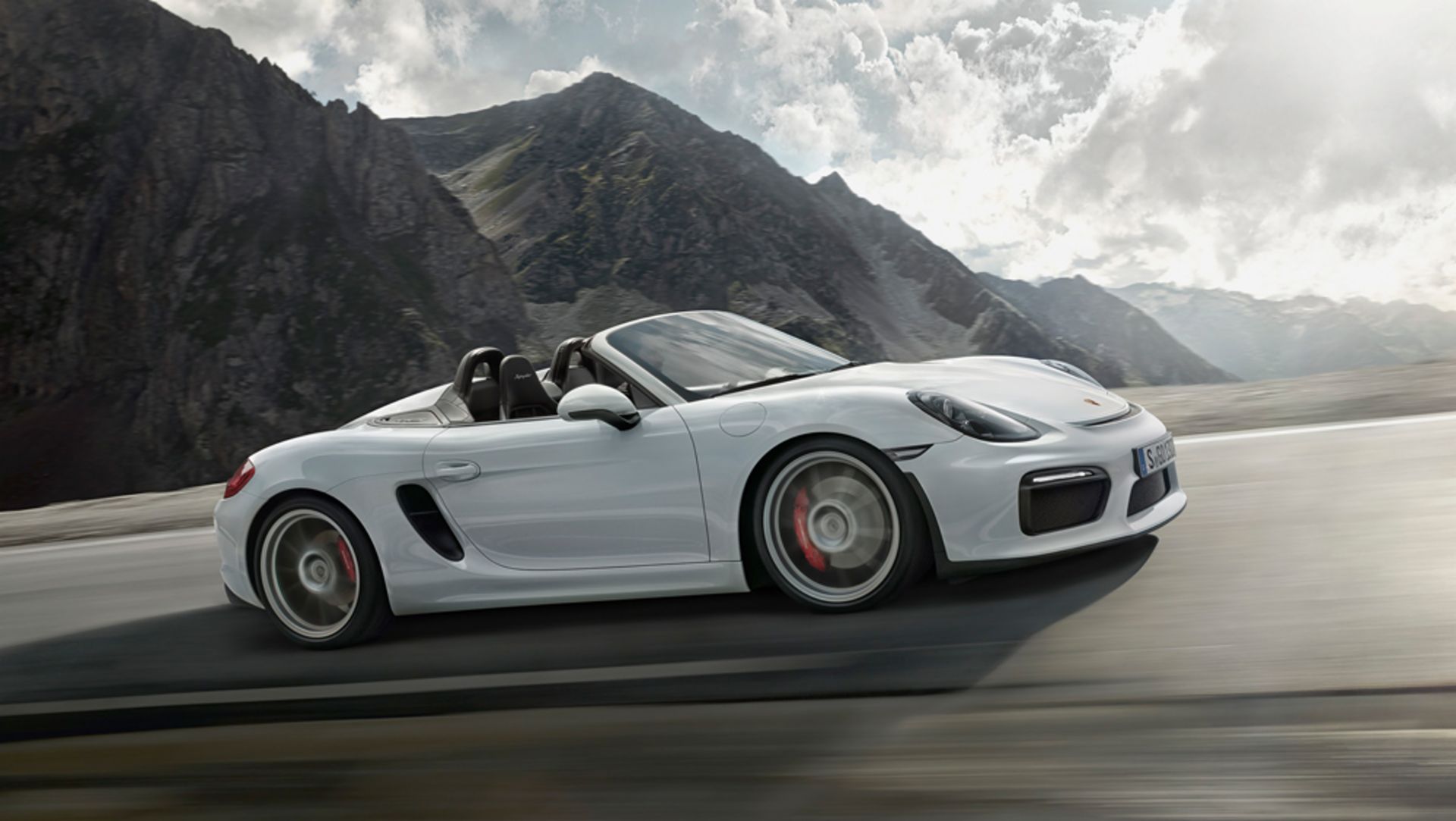
Another Black Edition Boxster joined the Spyder in 2016. As before, the Black Edition featured all-black trim and lots of previously optional goodies as standard. While less significant than the Spyder, these were the last models to roll off the 981 line, signing off the flat-six as the Boxster’s base engine.
982 Boxster a.k.a. 718 Boxster (2017-2025)
The 981 had a relatively short lifespan and didn’t get a facelift like its predecessors had. Instead, Porsche jumped to the 982, which, in many ways, was simply the massive facelift the 981 never received. At their core, the two share a floor pan, safety cell, interior, and much of the suspension, but the rest received updates and improvements big and small. None were more significant than the engine changes.
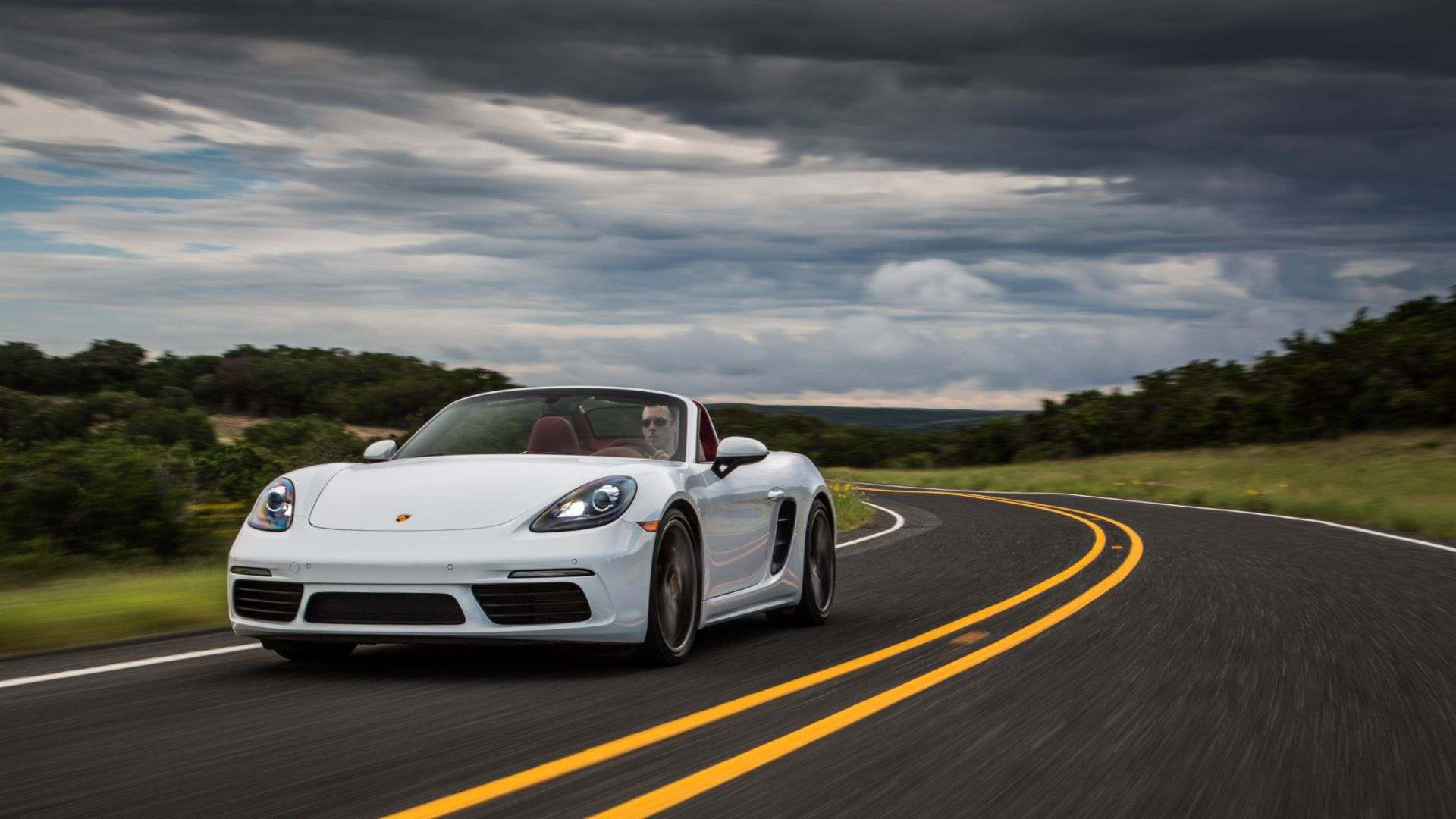
Four-cylinder engines gave Porsche a start, but owners almost unanimously decried them after the 912 left the lineup in 1969. The 914’s reputation suffered in large part from the reliable but underpowered Type IV, and none of the later water-cooled transaxle cars were particularly celebrated for it. But none of that stopped Porsche from releasing its first in-house-developed flat-four-cylinder engine in half a century for the 982.
They were built with the 9A2 engine architecture, an evolution of the flat-sixes in the 981, but modernized for turbocharging and current emissions testing. Base Boxsters were given a 2.0L variant while the S received 2.5L; both were turbocharged. Although the sonorous noise was gone, the four-cylinder arrived with lots more power. Peak figures rose for both trims, but its much broader torque curve made the 982 quicker out of the corners. Transmission options remained a six-speed manual or the latest PDK variant.
To coincide with the return to a four-cylinder, Porsche dusted off an old nameplate already associated with the Boxster in spirit and inspiration: 718. Despite no actual connection to the late-’50s sports racer, "718" began to proceed the Boxster and Cayman nameplates for this generation. They also look quite similar to the 981, with mostly simple aesthetic updates to the exterior lighting—including the lightbar between the taillights—and new bumper covers. Inside, it’s much the same story, with a near-identical dashboard, center console, and door panels. Structural changes weren’t as dramatic as generations past, but the 982 Boxster is a bit stiffer than its predecessor, and Porsche retuned the suspension to match. Major suspension changes weren’t needed.
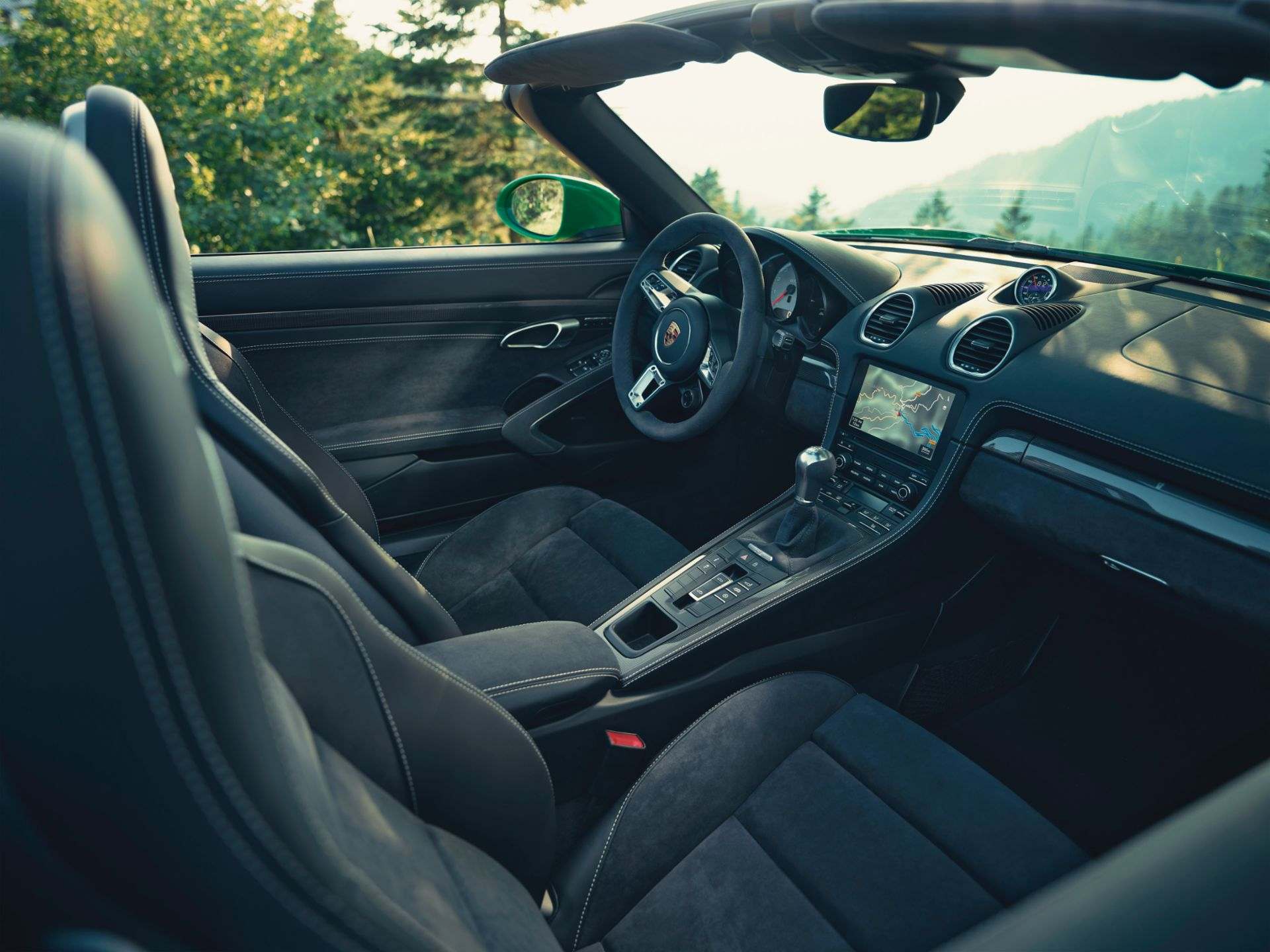
Porsche began to add to the Boxster lineup a couple of years into production. The GTS returned first in 2018, sporting the same performance and aesthetic changes as its predecessor, but with a tuned version of the S’s 2.5L flat-four. Additions include PASM, the Sport Chrono Package, black trim, deviated stitching, and “Race-Tex” upholstery. Then came the Boxster T, which is essentially a GTS based on the base Boxster without any extra engine power. The range-topping Boxster Spyder arrived a bit later alongside the GTS 4.0, which replaced the previously mentioned GTS. Both models featured a new 4.0L naturally aspirated flat-six making about 400hp, but packaged them differently. The Spyder was the track-focused model, riding on low, stiff suspension and utilizing a handful of lightweight components and specialized aero to make it the ultimate in roof-off Porsche performance. The GTS took the same engine at a slightly lower state of tune and stuffed it into a more road-focused package. Softer suspension, more luxury appointments, and less exotic materials ensured it was less expensive and more accessible to buyers. These days, the GTS 4.0 seems to be the 982’s sweet spot, as any you’ll find for sale still carries near-MSRP pricing.
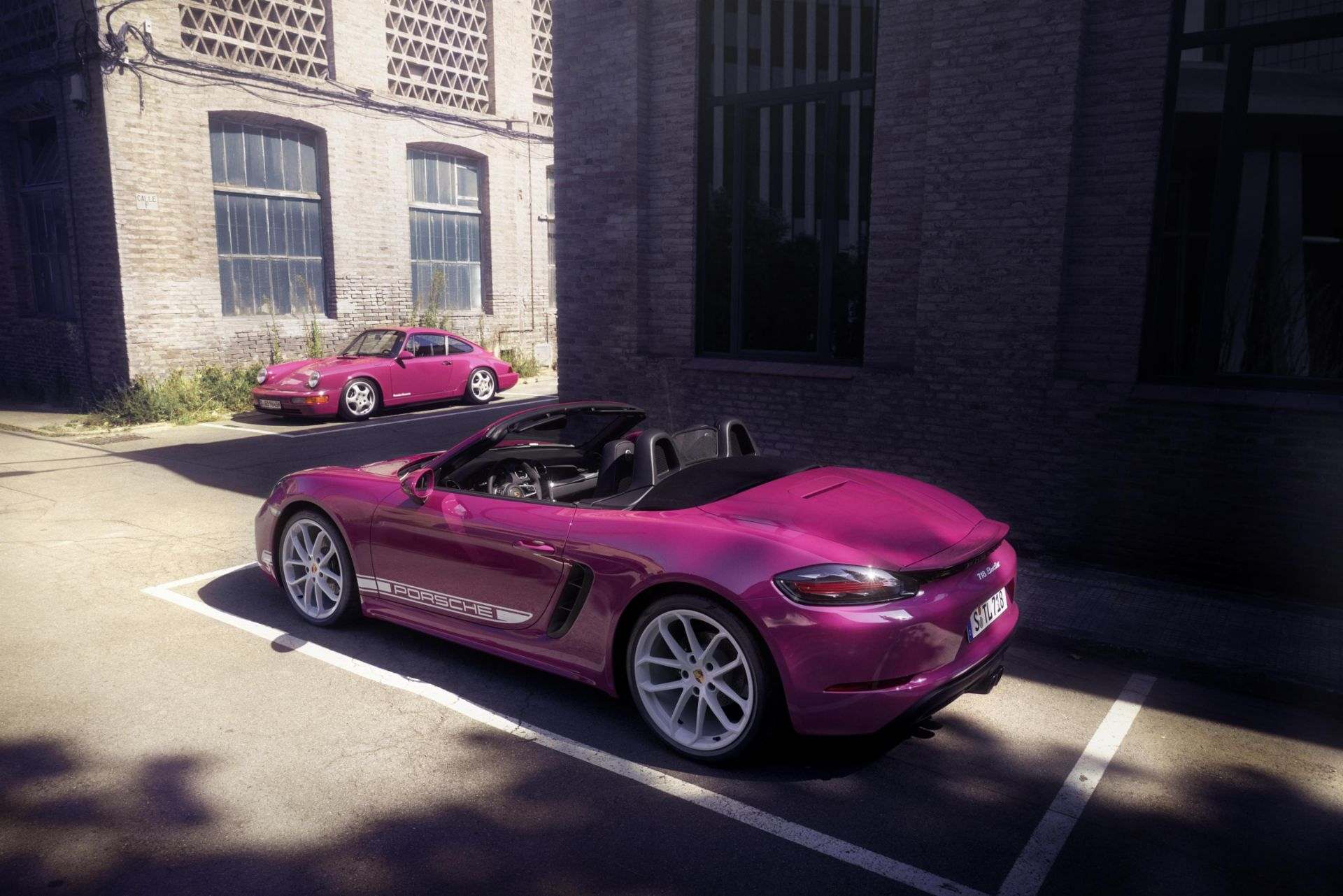
A couple of years later, the Boxster Style Edition arrived, clearly taking some inspiration from older special editions. Nothing was added mechanically, but Style Editions were given exclusive color options and a couple of contrasting trim options that included door stripes, a hood stripe, a contrasting model designation color, and matching painted 718 Spyder wheels. Ruby Star Neo was the launch color, and other previously PTS colors were available. Each example was based on the base Boxster.
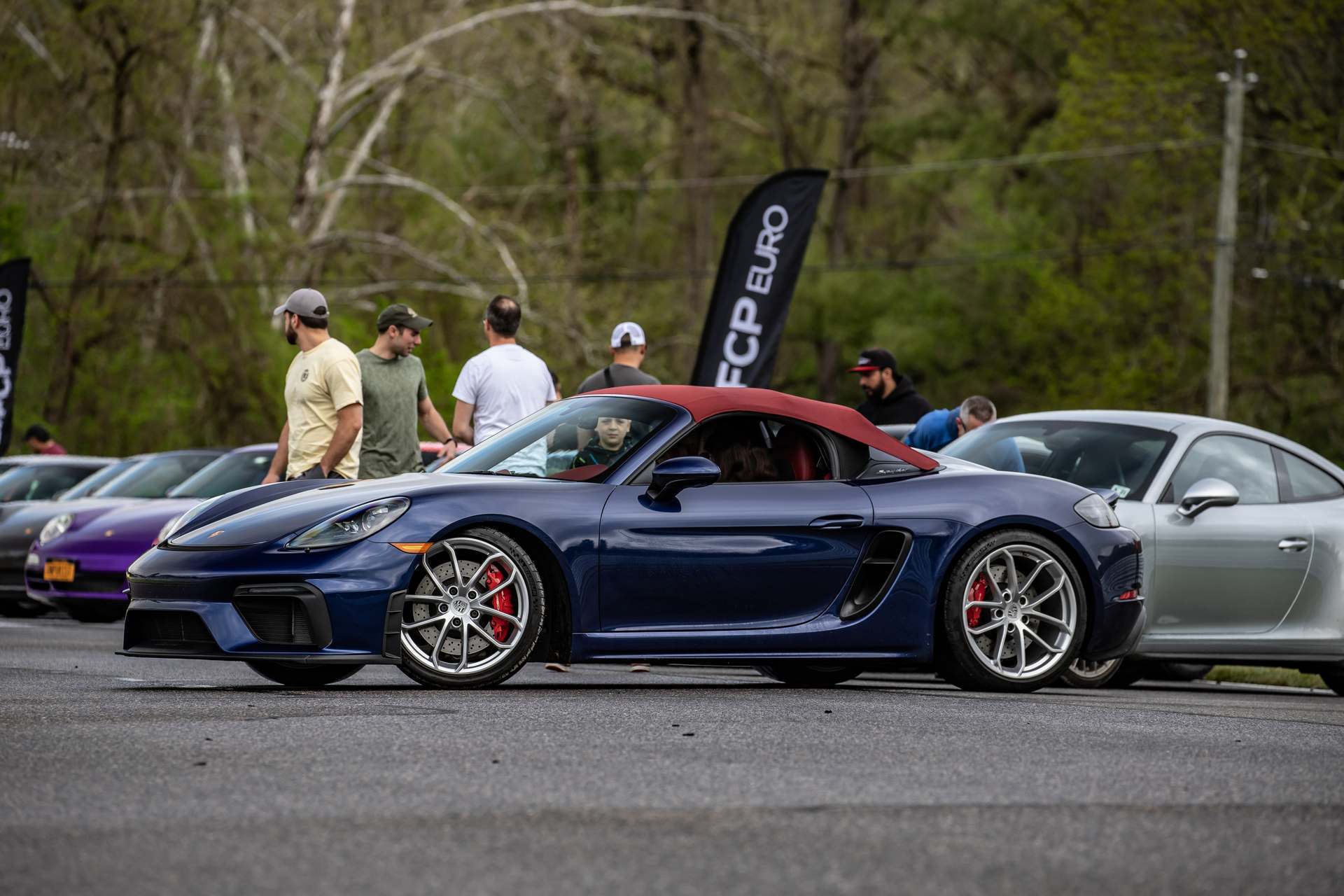
Around 2023, Porsche committed to leaving the ICE Boxster and Cayman behind, but not without one last heavy hitter. The Boxster Spyder RS was what the Boxster always could’ve been, sporting a 4.0L flat-six derived from the GT3. It was pure GT division magic, with adjustable suspension at each corner and extensive use of materials like magnesium and carbon fiber. At a hair under 500hp, it was also the most powerful Boxster ever made. Porsche produced them alongside standard Boxster models until October 2025, when the last one rolled off the line.
For now, that’s the end of the Boxster’s story, but not for too long. The Boxster EV is seemingly ready for launch after recent spy shots have caught it mostly without camouflage on public roads. It remains to be seen whether Porsche can keep the Boxster’s fun alive without the sound of internal combustion behind the driver. We’ll just have to wait and see.