- 10/20/2026
- 3 Min Read
- By: Christian Schaefer
I Bought My Forever Car And Sold It After Two Months - Here's What Happened

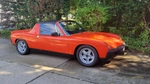
Browsing Facebook Marketplace for deals and projects I don’t need is a daily routine. Luckily, I’m not alone in this near-obsession with finding something I can fix and enjoy for much less than it’s actually worth. I always knew I’d find something; I’ve found plenty of cars worth buying, just nothing that truly worked out. But finally, this summer, it did. Days before June arrived, I found myself the owner of a vintage, low-production European sports car typically associated with six-figure sales. In the short time I owned it, I told few people about it and hardly saw it, spending less than ten hours around it in total. For two months this past summer, I owned a Porsche 914-6.
As far as vintage European sports cars go, the 914 leaves much to be desired for many, but Porsche’s function-over-form approach has always appealed to me. Not that I’m particularly interested in owning something I don’t enjoy looking at, but the styling quirks of what was the first mass-produced mid-engined sports car ever have always charmed me. As have the driving dynamics and motorsports connection. It’s one of the reasons I’ve had a four-cylinder 914 for nearly five years despite being in various stages of rebuild for at least half that time. But the prospect of owning one powered by Porsche’s air-cooled flat-six, let alone one of the few thousand that left the factory with one as standard, always seemed fairly far away in practicality.
For the unfamiliar,the Porsche 914 was Porsche’s entry-level sports car in the early and mid-seventies. It was initially planned to be shared with Volkswagen, with VW Type IV-powered models built at a VW plant in Osnabrück for budget-friendly buyers, and 911-powered examples built in Stuttgart for those seeking more performance. The problem arose when Kurt Lotz became Volkswagen’s CEO and didn’t accept the handshake deal between the two companies, demanding more money for VW’s involvement. While the 914 was eventually successful, the 914-6 models were hardly a part of that. Despite aiming for 7,500 units per year, Porsche built just shy of 3,300 examples, largely due to poor sales driven by increased production costs. Existing examples have only dwindled since then, with many becoming race cars and plenty more simply rotting away.
I’d found deals, interesting cars, and potential projects plenty of times before, but nothing had ever been so compelling. A potential marketplace deal was usually the same story: I’d find something, often reach out, but ultimately I’d walk away. Maybe I was a bit low on cash at the time, and purchasing would strain me, or I was a day away from a multi-week trip, or it was just several states away and in too rough a shape to even consider what it would take to transport it home. If I owned a truck and trailer, I’d likely have a few more projects than I’d know what to do with, but having to rent or borrow one has “saved” me from that potential.
Except this time was different.
In late May of this past year, it all lined up. I saw the ad 28 minutes after it was posted. Listed as a parts car, there were four pictures, none of which were particularly clear, and all were screenshots of the taken images in someone’s gallery. I had little to go off of but the model year and one of the photos, which showed a steel wheel with five lug nuts. The latter point is important, as only the Stuttgart-produced sechszylindermodels shared some suspension and its wheel pattern with 911s. It seemed almost too good to be true, but it happened to sit just 25 minutes from my apartment, and on a Thursday evening with little else to do, I had to take a peek.
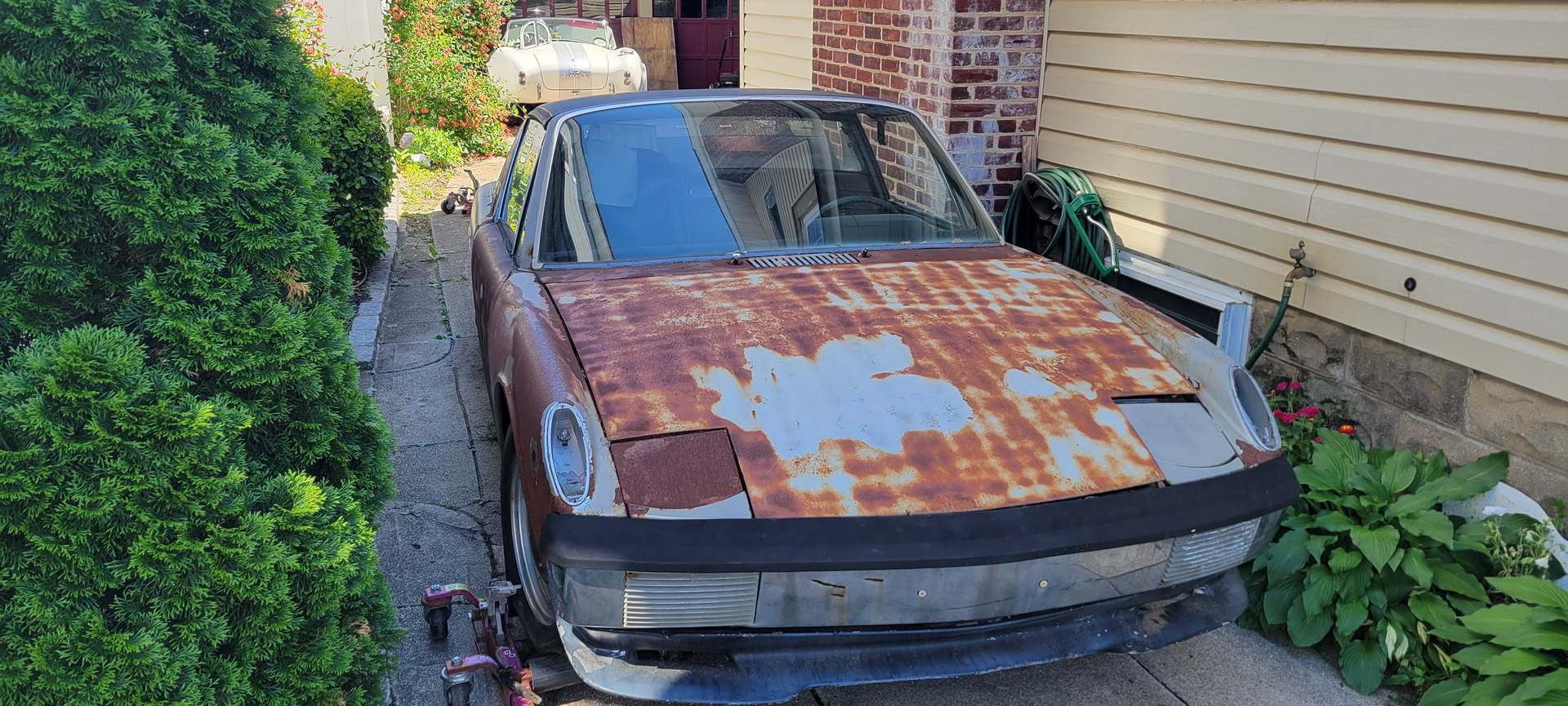
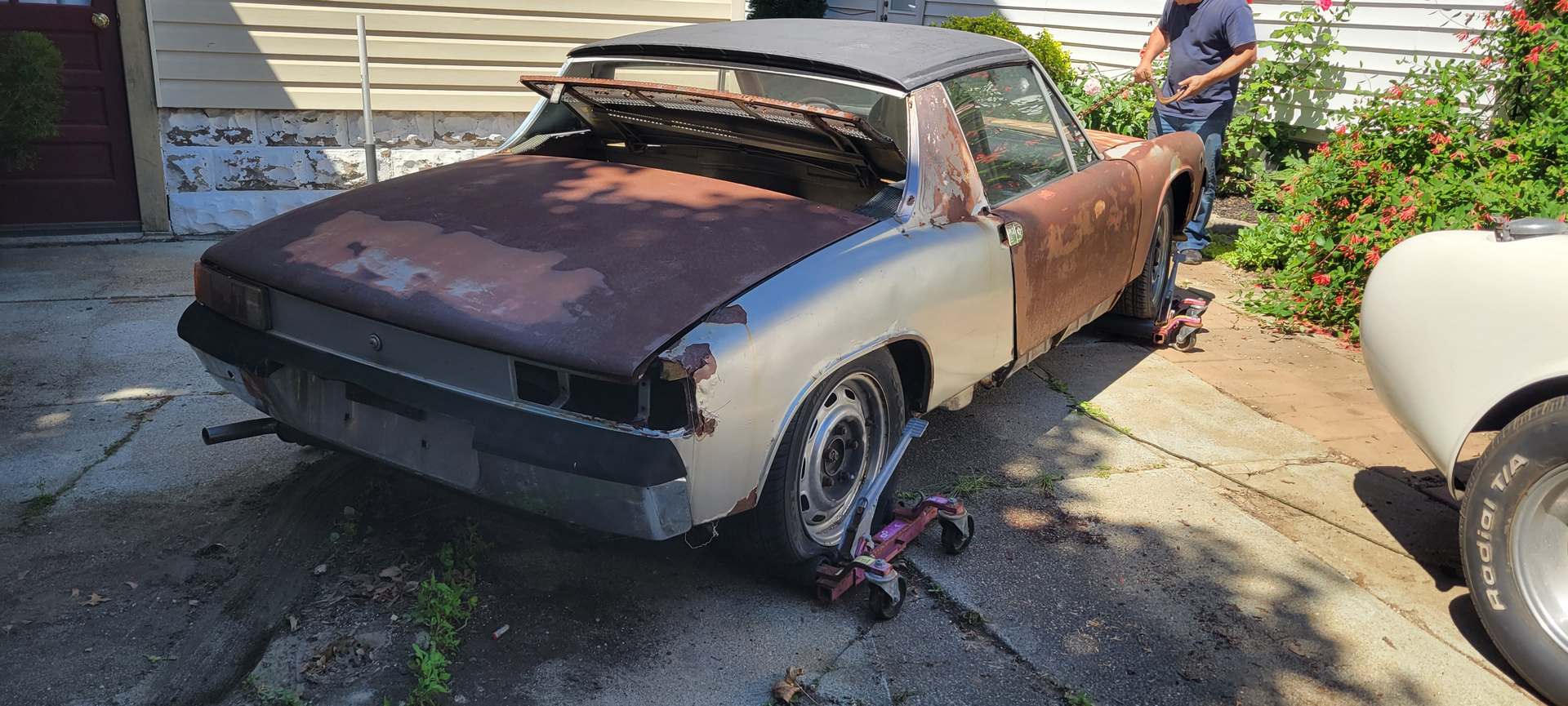
Thinking about it afterward, nothing really could’ve prepared me for seeing it for the first time. After meeting the seller, we walked up the driveway to the once Silver Metallic 914-6 where it’d rested under tarps and torn covers since 2009. Like the several other 914s I’d looked at buying in the past, this one was rough. Floor panels held in by hopes and dreams, a disintegrating rear trunk floor, and a passenger’s-side rear jack point with a hole big enough for my foot; nothing out of the ordinary for a non-galvanized body shell and the likely result of sitting over a water collection point. None of that truly mattered, though, as pulling on the engine lid release revealed the original 2.0L flat-six still in place. A little more digging around the car and some short conversation revealed just how complete the car was, missing only its original Zenith carburetors and the associated airbox.
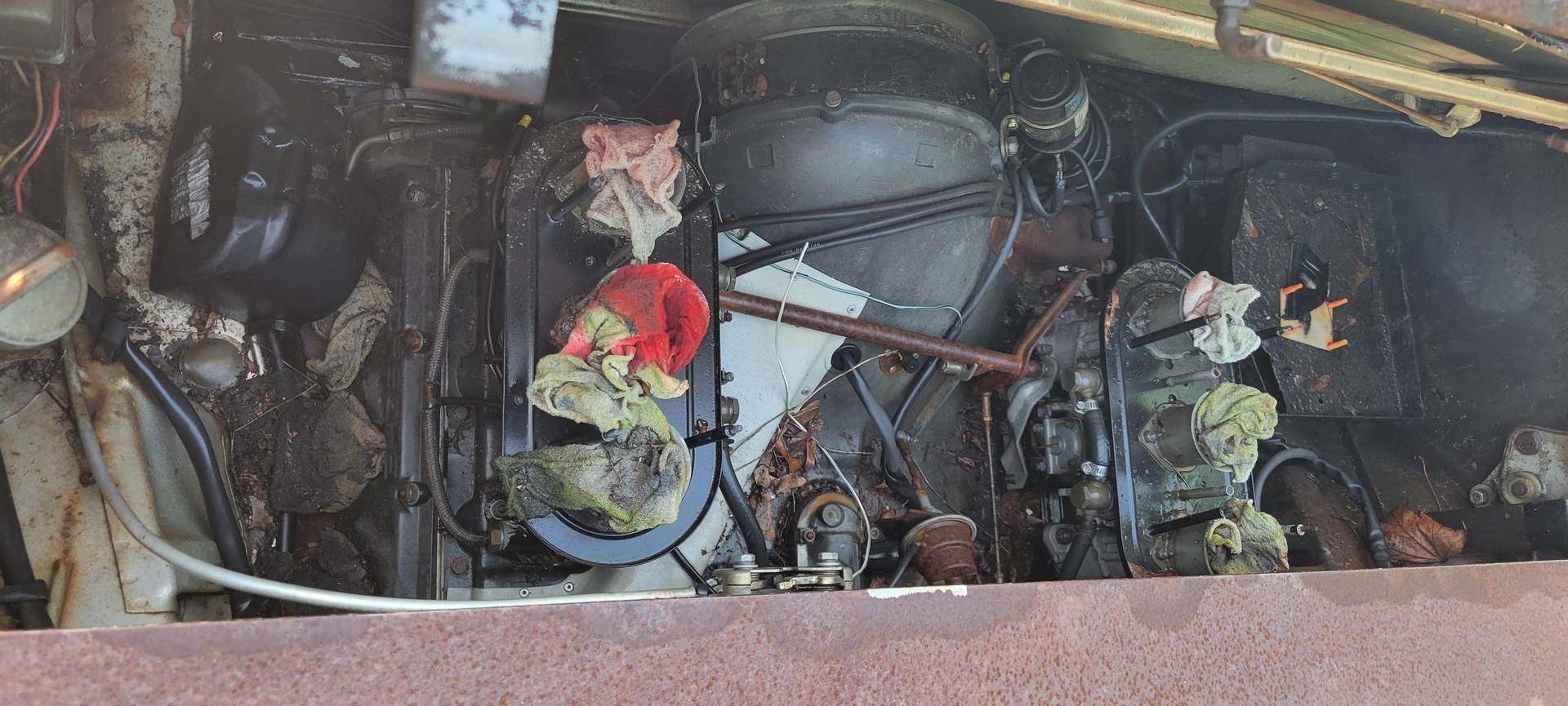
Up went the hairs on my neck as my facial muscles strained to contain the absolute amazement at what I was standing in front of, mixed with the realization that nothing stood in my way of purchasing the car. I had the money; I wasn’t going away any time soon; I had a place to store it free of charge, and it wasn’t just another Porsche but the only other mass-produced model besides the 911 and its associated variants to leave the Porsche factory with the air-cooled six. It may have taken more than the seller was asking, thanks to other prospective buyers offering more in the short time it took me to reach the house, but a day later, I exchanged cash for a transferable registration and became the owner of a (relative basket case) 914-6 before the age of thirty.
Unfortunately, as much as I couldn’t believe my luck, it wasn’t all sunshine and rare cars. Seventeen years in the elements took a real toll on the chassis, and nothing short of over half the car’s restored value in metalwork alone would make it right. Despite having a family member who’s spent nearly fifty years working on Porsches between independent shops and official dealerships, and who currently works at a coachwork restoration shop that specializes in the exact kind of restoration required, it didn’t make financial sense for me to take on that project myself. A correct and complete resto will cost as much as the car’s eventual value, if not more. I’m comfortable enough with my current financials, but that amount of money is well out of the question. Financial responsibility kept me from buying so many other potential projects, and I wasn’t keen to throw that away, even though I’d probably keep the car forever if it were in better shape.
Loading it onto a flatbed to bring it home, I knew it would be best to sell it, but I held out a small sliver for keeping it. I cringed at the thought of being another flipper, the kind of person who has largely priced out the average enthusiast from owning interesting old cars, but I couldn’t leave it to someone else. How else was I going to own one any time soon? Even if I’d never drive it, I’d always be a part of this car’s story, and hopefully a good one. I now get to say I owned an original 914-6, a cool fact for me and the seemingly small handful of people who love these cars. At least now I’d get to make sure it went to the right home to be properly restored.
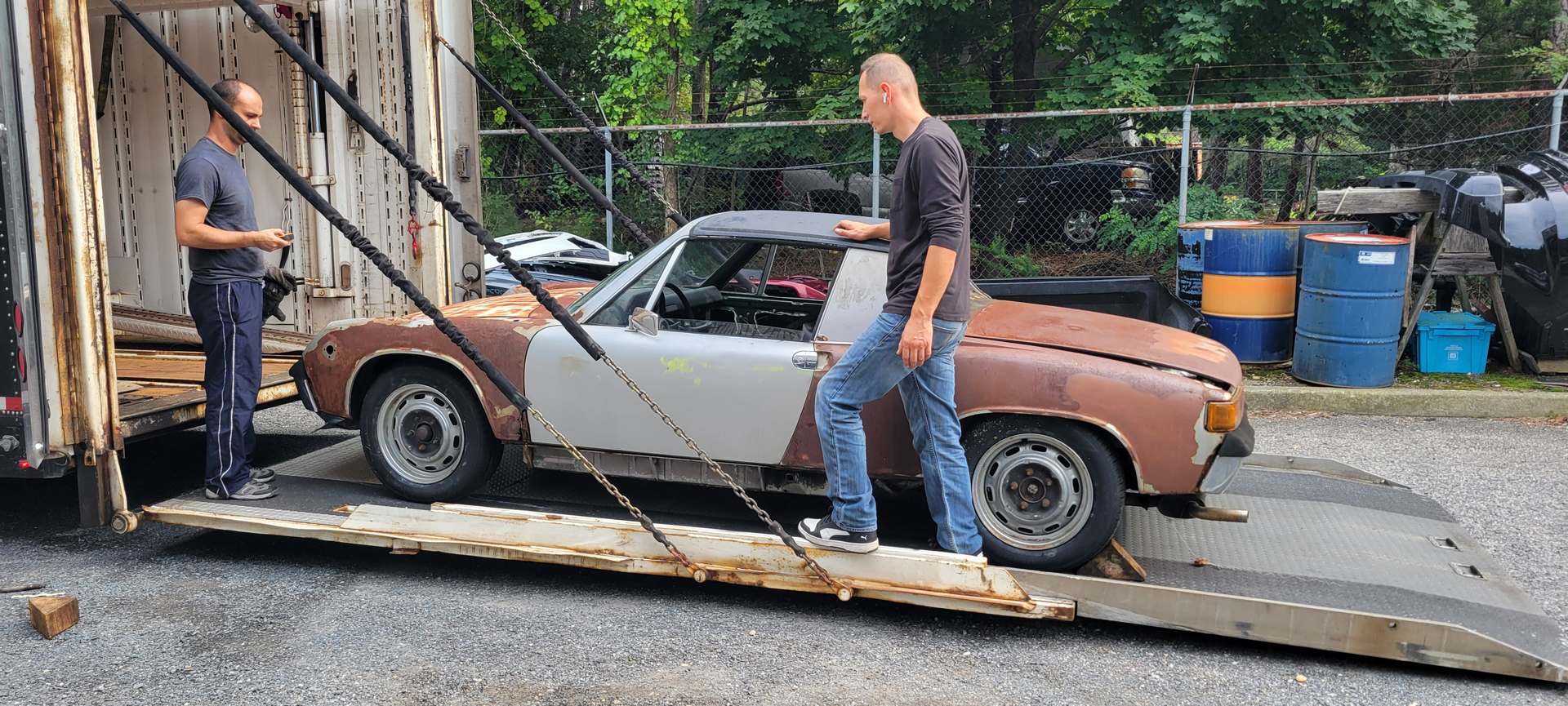
A few months later, I found the right one. I never doubted that I’d find a buyer; this is an old air-cooled Porsche after all. Even with the smaller pool of potential buyers due to the model and condition, there’s no shortage of people with money itching to bring an old Porsche back to life. It took about a month for them to contact me and several weeks of back-and-forth to prepare the car and set up shipping to its new home, but it all worked out. I received a bit more than I paid for it originally, and the new buyer has a huge project to occupy their time for the next few years. With any luck, I’ll be able to see it when it’s done.
Now I get to go back online and start the whole process over again. Obviously, taking my profit and doing something responsible with it is my best bet, but fat chance. For now, it sits waiting for the next potential project—likely another Porsche, but certainly not limited to one. Whatever it is, I’ll hopefully be able to keep it for a while. If/when that happens, I’ll be sure to let you readers know what’s going down.