- 09/18/2026
- 4 Min Read
- By: Christian Schaefer
Oil Approvals & Certifications Can Be Really Confusing - Here's What You Need To know

What’s in your oil really matters. Different engines require different protection, so you really should use oil that meets the right specification. Extracting the exact information you need from all the other numbers and symbols on the bottle can be difficult, as there are a couple of phrases to look out for, a few to avoid, and the manufacturer-specific code that corresponds to your engine. Fear not, though, as a quick read through this article should give you all you need to choose a quality oil for your application.
Engine Oil Has To Meet Lots Of Specifications Just To Reach Shelves
Look closely at different bottles of engine oil, and you’re bound to see a bunch of different symbols and stamps. While not as important as ensuring you have the proper viscosity, those markings can tell you a lot about what’s actually in the bottle. The most important markings tell you which specifications the oil is certified to, or beyond, which you can use to ensure it's the type and quality best for your car. Although you may want to see your automaker's approval first, it's arguably more important to find the certifications from the various automotive lubricants committees. Their seal of approval is the foundational first step of an oil formulation reaching consumers.
The International Lubricants Standardization and Approval Committee (ILSAC), an international group comprised of members from the major American and Japanese brands, has set unified minimum performance standards for automotive engine oil since 1992. Since its inception, the committee has revamped and evolved its oil standards into the current GF-7 (including 7A and 7B oils) with the American Petroleum Institute (API). They’re a separate group, but are closely linked with ILSAC, providing all testing for each new formulation and specification certification. They even audit packaged and shelved oils in stores under their Aftermarket Audit Program (AMAP) to ensure what’s being sold matches the batch used in certification trials.
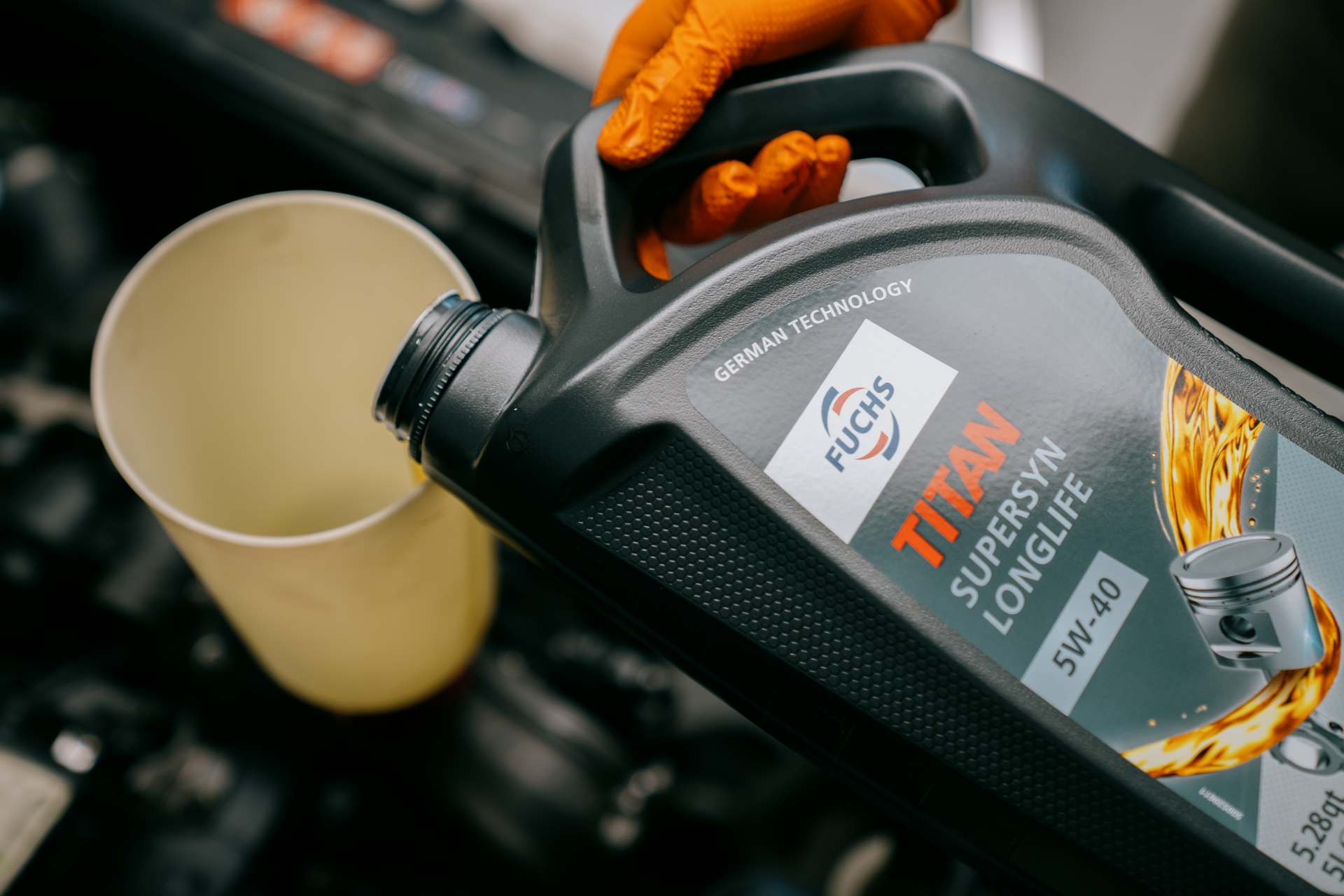
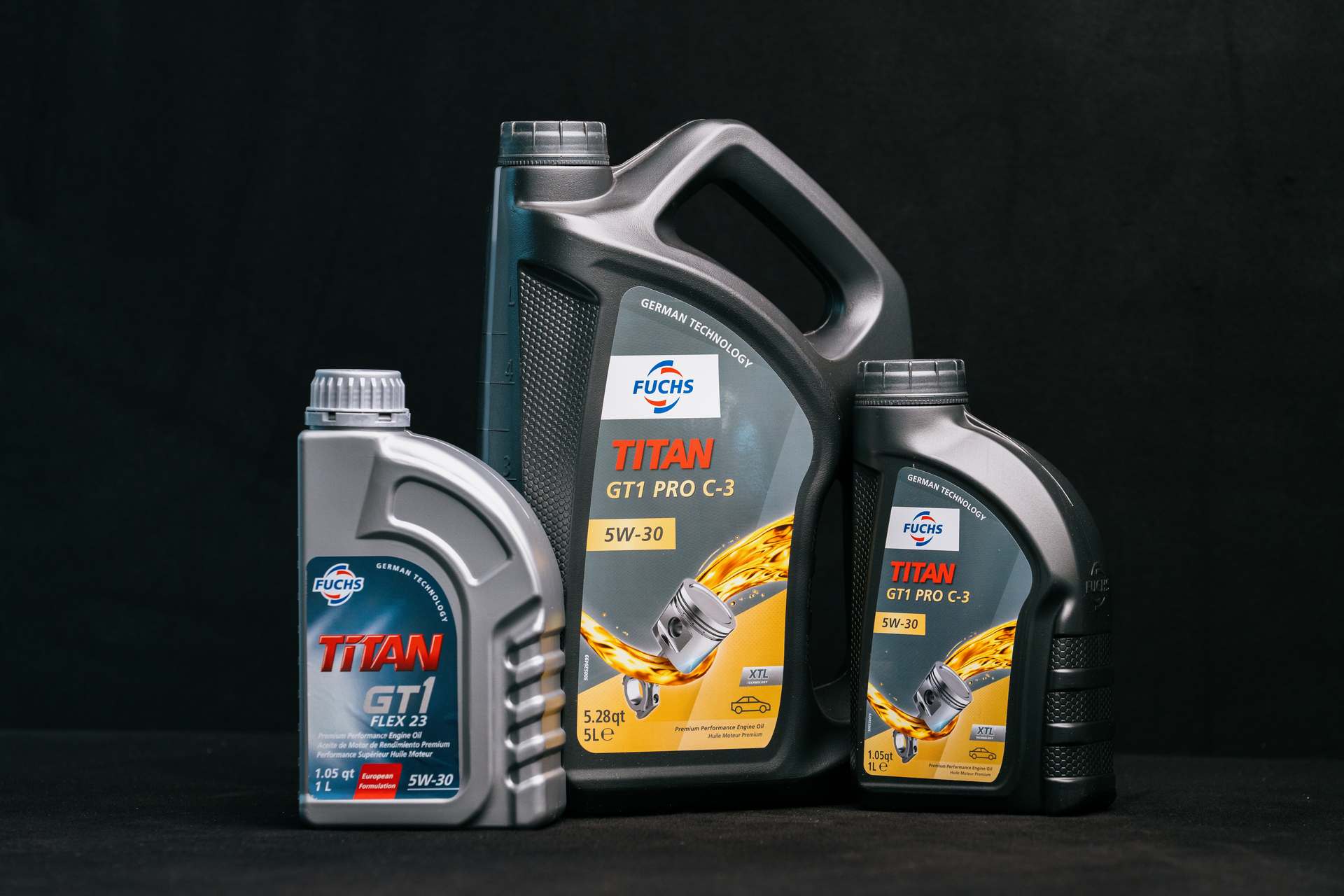
European automakers are not part of ILSAC and use their own oil-governing body. Called the Association de Constructeurs Européens d'Automobiles, or ACEA, you’ll see their certifications all over the front of your favorite European oil brands like Fuchs and LIQUI MOLY. Like their equivalents across the pond, ACEA has developed a range of specifications and certifications for the many engine oil variants that automakers require. These will typically appear as an “A/B” or “C” with a corresponding number following it. Together, the alphanumeric designation identifies the marked oil’s properties and which engines it’s fit for.
.jpg)
However, just because an oil has one or two common certifications, it doesn’t mean it’s the best choice for your engine. Automakers get very specific about what they decide is right for their engines, and lubricant suppliers are happy to formulate an oil blend specifically for that application. In that instance, perfecting a formula to an automaker's specs means using the right additives.
Shop Approved Oil For Your Car
Formulating Additive Blends For Automakers
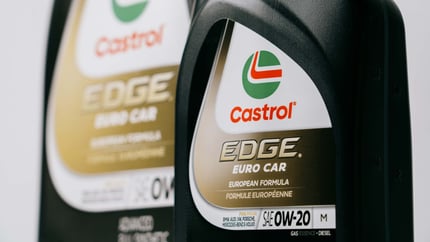
All engine oils start with a base blend of whatever type is used: conventional, semi-synthetic, synthetic. Pure refined crude, nothing else. Only once that base oil is mixed with a series of extra compounds called additives does base oil become something specific, like Castrol EDGE Euro Car M. Different specifications require different additives, so no two formulas are the same.
Oil brands like Castrol or Motul reach out to one of a few additive suppliers like Lubrizol, Afton Chemical, or Infineum (among others) to put together a suitable package. While those suppliers may offer baseline additive packages to meet certain requirements, most oil suppliers work with the additive companies to tailor-make a specialized blend. That blend includes friction modifiers, stabilizers, corrosion inhibitors, specialized polymers, detergents, and anti-foaming agents, each added to bring a different benefit to the oil. Meeting an automaker’s standards often means playing with additives until the blend meets the ideal properties.
Once the blend is ideal, the suppliers spend hundreds of thousands of dollars to test and certify their oils with each committee. It’s incredibly rigorous, with new formulations tested against blind reference oils in a series of highly regimented tests designed to measure a laundry list of qualities. Within, they’ll check for the qualities that keep an engine healthy long-term, like valvetrain wear and timing chain elongation. They’ll also check for fuel economy improvement vs. the reference oil and how much it prevents and/or cleans away the sludgey deposits lower-quality oils leave behind. Once a formula passes all of those tests, it earns one or more API/ILSAC specification certifications and can be labeled as meeting an automaker’s standards (or not).
These additives have become increasingly more important over recent years as the strain on internal combustion engine efficiency has increased. Tighter tolerances have left less room for oil, while drag reduction spurred on by improved fuel economy has only made engine oils thinner, forcing more of the load onto these engine additive packages. As such, you really should choose an engine oil that meets or exceeds what your automaker requires. Doing so ensures the right blend of ingredients is always guarding the razor-thin margin between lubricated bearings and disaster.
Meeting Standards Doesn’t Mean It’s An Approved Oil
Oil suppliers know whether their formulations meet or exceed an automaker’s requirements through initial tests. Those results don’t mean too much, though, because they only earn API or ACEA certifications. With only API or ACEA approvals, oil suppliers can only advertise that their product meets or exceeds the automaker's specifications. Any mention of OEM approval would be false advertising.
To get that very-special seal of approval, oil suppliers must have their formulas independently tested by the automaker they’re seeking approval from. Most automakers will charge oil suppliers to do so, too. Only once the oil passes that second test can it earn the “approved by” status. However, that hasn’t stopped suppliers from carefully choosing the language on their bottles to either confuse or persuade consumers into purchasing a given product.
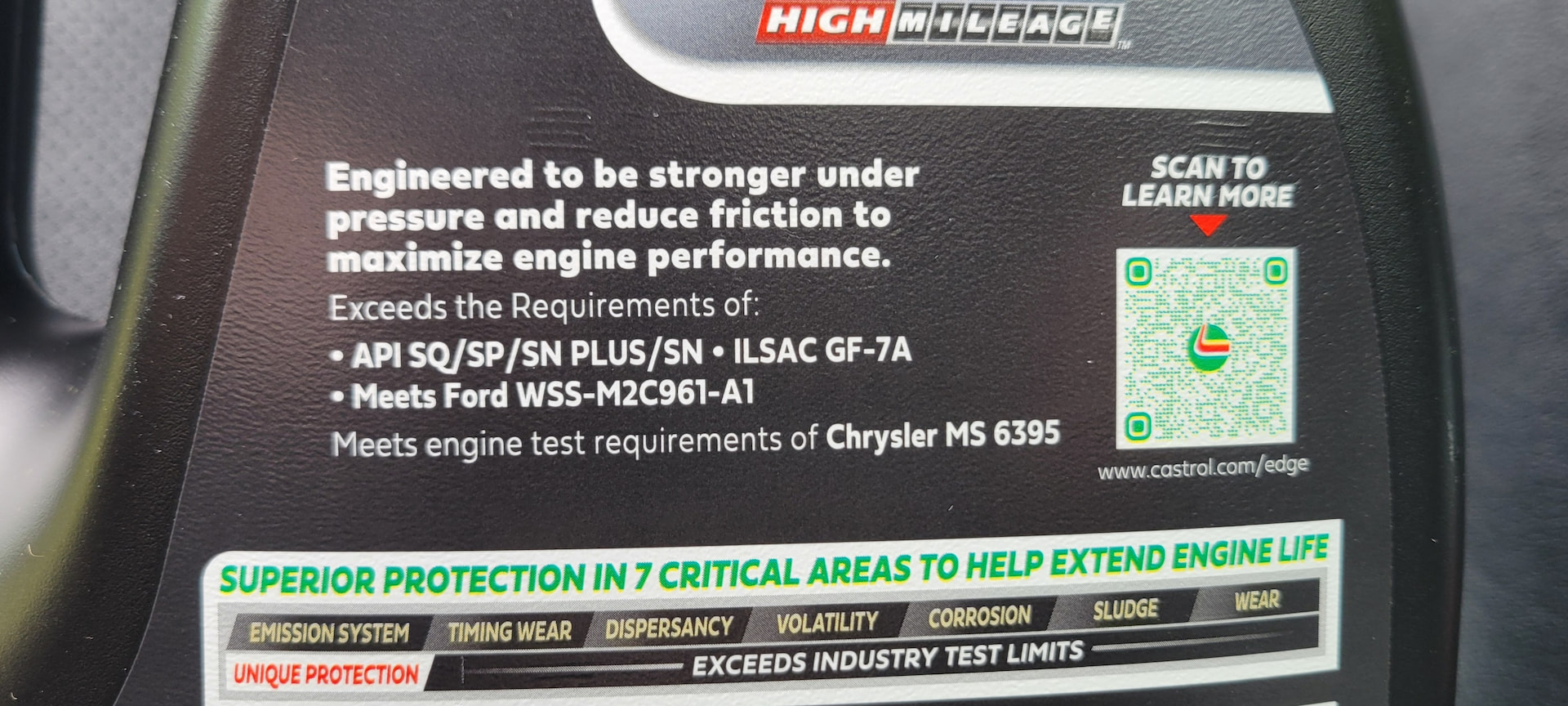
Look around at your local auto parts store, and you’ll see more than a handful of different phrases on oil bottles. The language can vary a good bit, but no matter what’s said, it can only mean one of three things. Here’s what to look for:
“Meets or exceeds the requirements of:”
This means it’s tested and certified to industry specs. Meets or exceeds automaker requirements, but no official approval.
“Has the following builder approvals/Approved by:”
Has all required approvals, including from the listed automaker.
“Is of the following quality/Recommended for:”
No testing results or actual testing performed. A “trust us, it’s good” from the supplier.
Anything with “approved” followed by your vehicle/engine manufacturer is in the best grouping of oils to use, having been tested and approved by everyone in the process. But it’s not necessarily head and shoulders above the rest. Meets or exceeds requirements, perhaps not as confidence-boosting, is just as good, too. That phrase guarantees that that blend was formulated to the specs or beyond those set by a given manufacturer and proven by the initial API/ILSAC testing. The only reason a “meets or exceeds” oil hasn’t earned automaker approval is simply because it’s supplier chose not to pay the automaker to test it again.
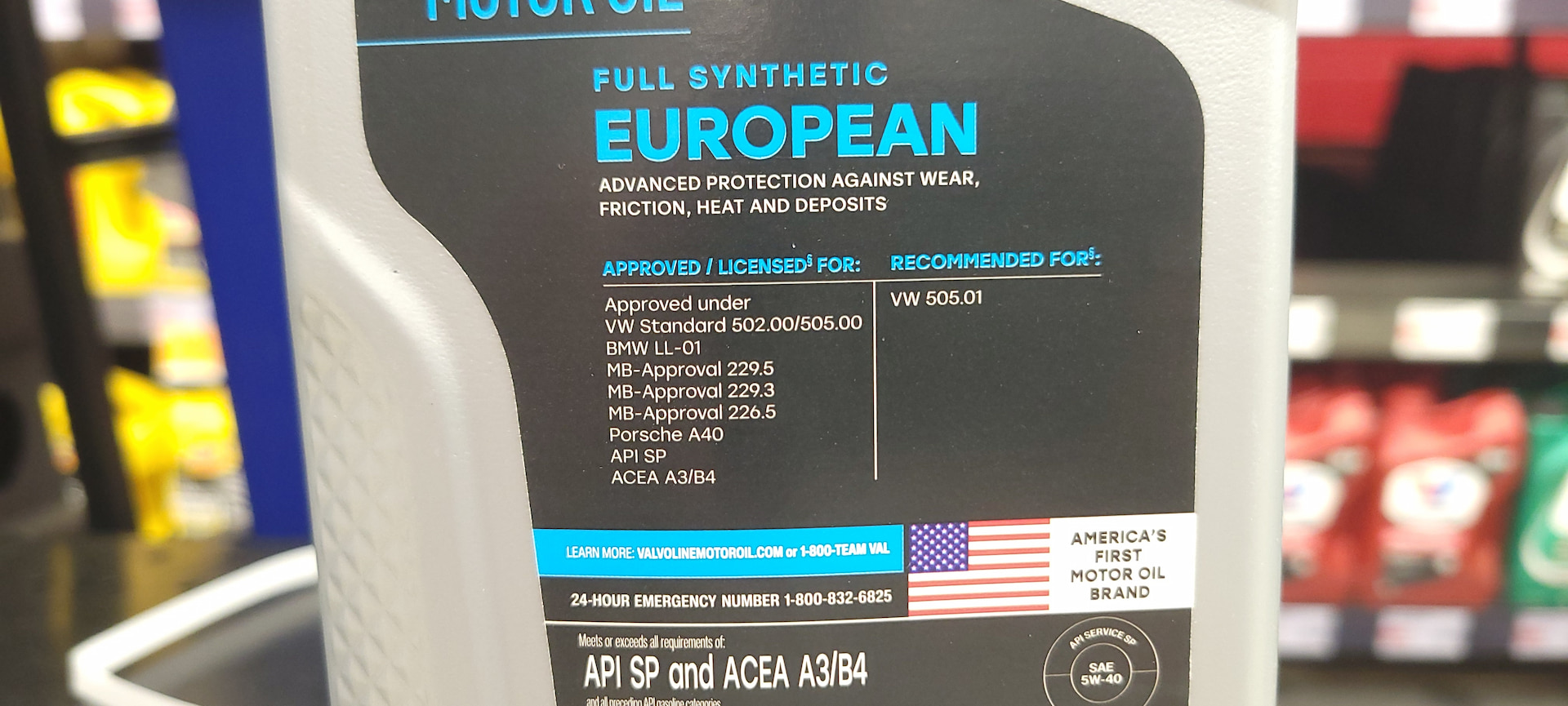
The same goes for many of the smaller, more boutique engine oil suppliers that can’t afford or won’t pay up for the automaker approval testing. It’s certainly not their fault they can’t pay up to play with the big suppliers, and their oil isn’t any worse for it. Motul and Redline are two of the smaller brands, yet you’ll see their ads all over motorsports and their oil in those cars competing. We trust them here at FCP Euro, as do millions across the country, so you should, too.
What Does Your Automaker’s Specification Look Like? It’s A Good Idea To Know What You Need
Knowing which oil your car needs means knowing its specification. Not in an overly complicated, complete chemical breakdown, but the code or designation your vehicle’s manufacturer has assigned to its engine. Each manufacturer has its own way of designating their specifications, so what you’ll need to remember is unique to your brand, or your brand’s parent company (Audi/VW and BMW/MINI). The best place to find the oil spec your car needs is in the owner’s manual, but a few companies also put it on the oil cap. Checking both places should give you the answer.
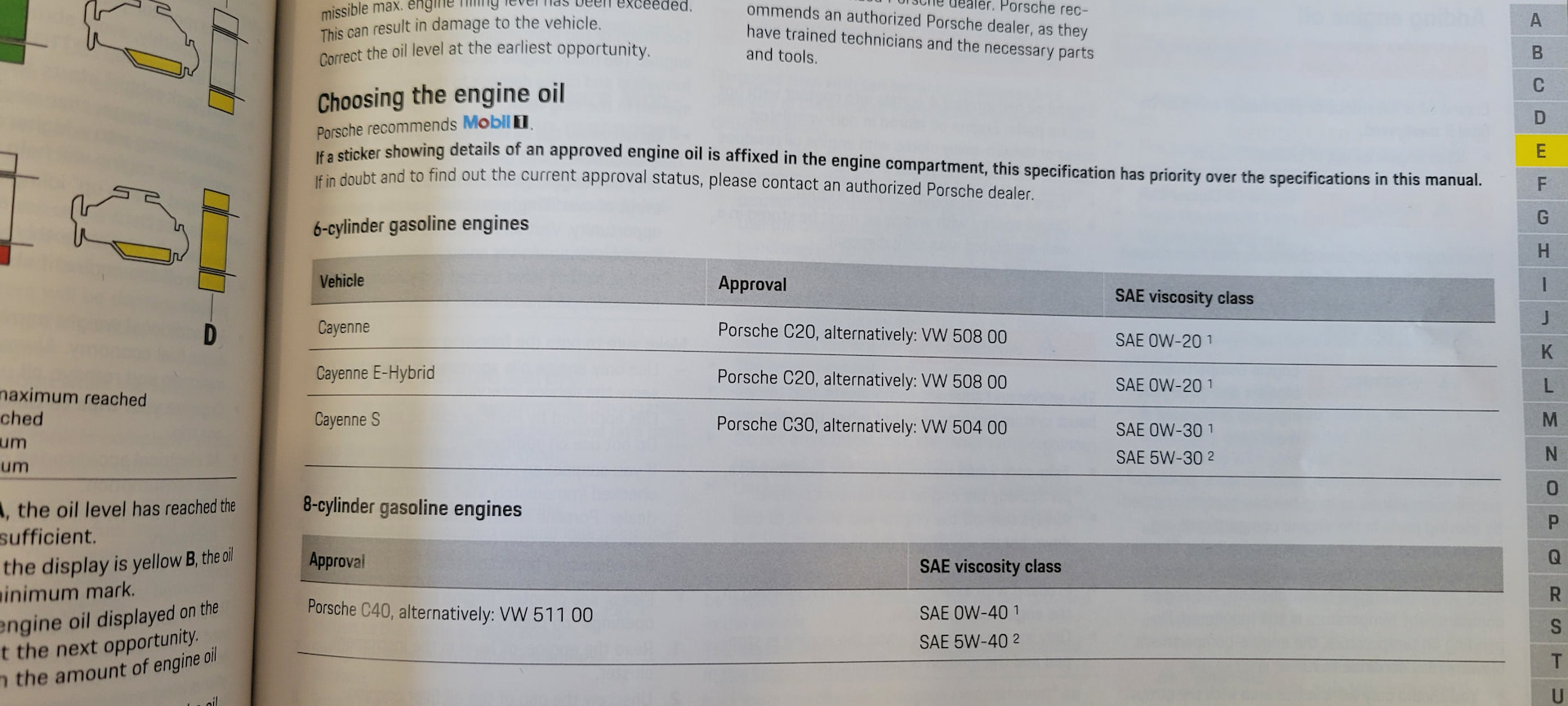
Once you know what it is, try not to stray from it. Oil is constantly being re-engineered for modern engines, and what’s great for a small-displacement, turbocharged engine with direct injection and a mild-hybrid system isn’t the same for a naturally aspirated, large-displacement engine. Many of the newest formulas are not backwards compatible because of that, so sticking with your spec is best. However, there may come a point where the original spec is no longer produced. At that point, there’s likely been a supersession to a newer compatible spec. A simple search of the original spec designation should reveal the updated match.
If you’re shopping with us, you can always input your vehicle’s information into the vehicle selection box at the top of the fcpeuro.com homepage. Our catalog is constantly refreshed and updated with the latest specifications and part numbers for all components, not just engine oil. With your car in the tool, the search engine will return only the oil meant for your engine. There’s likely to be a few brands to choose from, but they’ll all have the proper certifications and be the correct specification. From there, it’s up to you to choose what you’d like to use.
Hopefully this has given you a better understanding of the complexities of engine oil and helps you choose the right stuff in the future. No matter what happens with the global supply of oil, we’ll continue to do everything in our power to ensure you have what you need to keep your European vehicle running as smoothly as ever. Happy wrenching!