- 07/15/2024
- 6 Min Read
- By: Christian Schaefer
5 Of Our Favorite Cars With Notoriously Unreliable Cooling Systems

For cooling systems to work right, they need to keep the coolant inside the system. With water cooling being the industry-wide standard for a century, you would figure at some point early on that manufacturers would have it all figured out. Alas, that’s not the case. Plastics and penny-pinching are the modern choices, and that’s led to some less-than-robust cooling systems across Europe’s most prominent manufacturers. If you’re not too fond of coolant-covered hands and anxious glances at the temperature gauge, you may want to avoid these vehicles.
1994-1999 BMW E36 3-Series
The E36 has to be the poster child for chronically unreliable cooling systems, right?
In life, there’s balance. The E36 is a wonderful car with a sharp chassis, an iconic ‘90s look, a great group of engines. For many, it represents the apex of mechanical simplicity and modern advantages, and for a few less, the best of all 3-series before or since. Yet all of that goodness is handicapped by a cooling system that is notorious for leaving its occupants waiting for a tow.
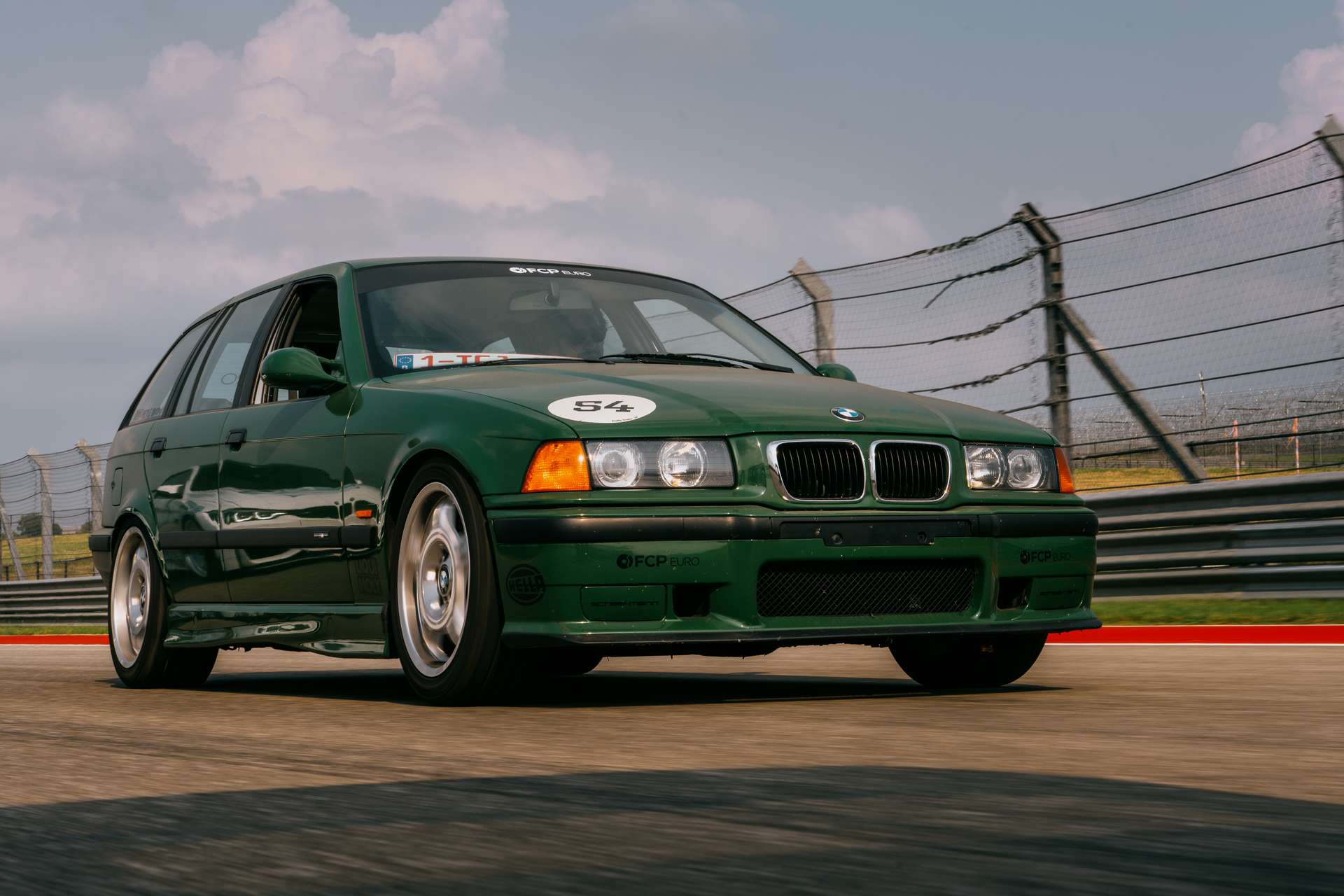
The cooling system issues don’t discriminate between the E36 variants; there are issues with four and six-cylinders, though the latter are more prolific. How and why these cars fail so much more than anything else is tough to surmise, considering the main culprit—plastics within the system—are so widely used by everyone. Maybe it’s the specific grade of ‘90s materials? Admittedly, the why isn’t too important; only the repairs and bulletproofing are.
Replacing every component within the cooling system within 80,000 miles of use is the way to go. Expansion tanks, radiator end tanks, water pump impellers, and thermostat housings are all plastic and will deteriorate due to the heat present in the system. The most serious of the bunch is the water pump, as the OE unit uses a plastic impeller. It’s a regular failure that sends plastic bits into the engine, which can block cooling passages and cause engine-killing hot spots. The rad end tanks will crack and leak coolant like the expansion tank. The thermostat housing can crack, but the thermostat usually fails before that happens. In between all that, the coolant hoses can let go without warning.
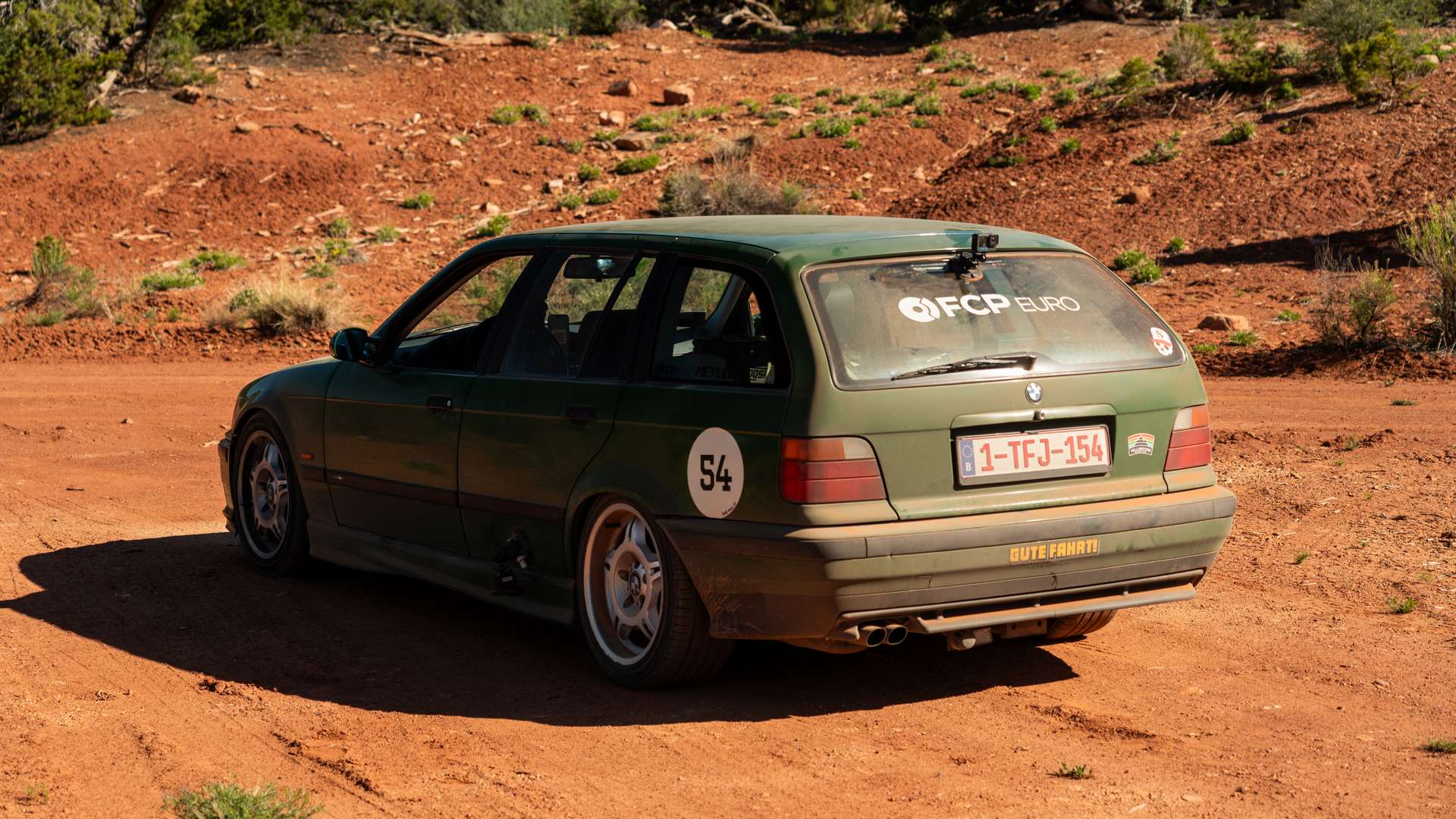
So what can you do about it all? Make some choice upgrades.
Replacing the plastic parts with as many metal ones as possible is the best way to prevent the E36’s common cooling system failures. Water pumps with metal impellers are standard enough that an OEM Graf pump is significantly cheaper than a failure-prone Genuine replacement. Aluminum radiators will be around 50% more upfront over an OE type, but not needing to replace it will make it less expensive in the long run. You can even get an aluminum expansion tank and thermostat housing, essentially deleting all the headaches the cooling system can throw.
At this point, the E36 is well-known for its weak cooling system, but the OEM and aftermarket parts support have provided solutions for every area. It’s not inexpensive to update everything, but old cars are a labor of love, and they’re not making any more of them. If you want to keep them alive, we’re here to help.
2004-2013 Volvo P1 Chassis (S40, V50, C30, C70)
Many cars on the road today are built on a shared platform. Sometimes, that’s within a single company; other times, it's spread across manufacturers from every major region. Ford has an enormous reach in the automotive world and once owned stakes in Volvo, Jaguar, Land Rover, Aston Martin, and Mazda. Those partnerships were responsible for Aston’s 6.0L V12 in the DB9, the proliferation of R-branded Jaguar models, and a grouping of successful hatchbacks based around the C1 platform.
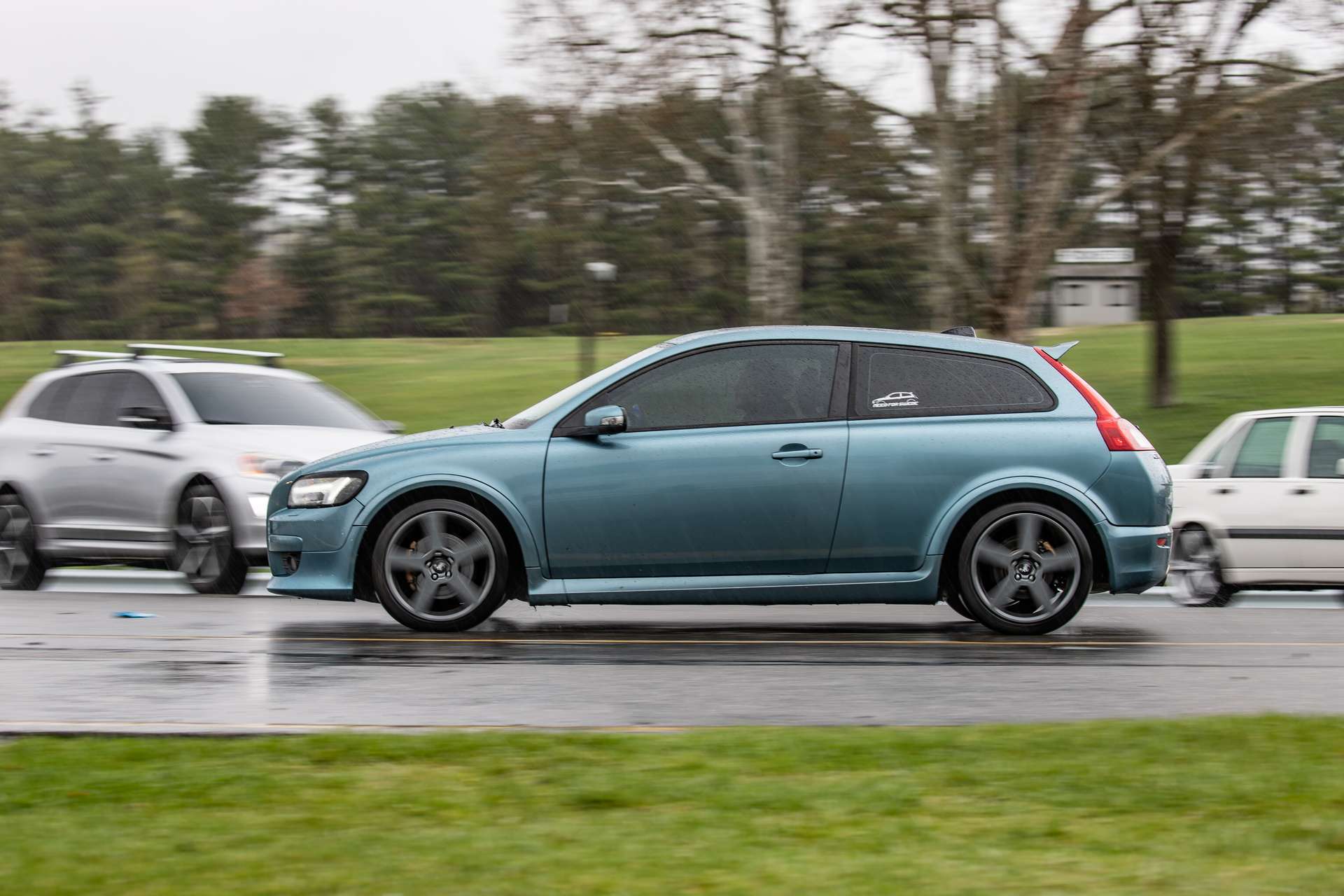
The latter included the MazdaSpeed 3, the Mk2 Focus RS (Euro-only), and the Volvo C30. Volvo designated the platform P1, which formed the underpinnings for the S40, V50, C70, and the aforementioned hatchback. The grouping of smaller models was a significant success for the Swedes, as a decade of consistent sales ended with thousands of happy customers and a handful of exciting, if not overlooked, models. Powering the four variants was the final iteration of Volvo’s N-series engines, dubbed RNC. Normally aspirated and turbocharged four- and five-cylinder engine variants in several displacements were available throughout the run. While they are generally seen as reliable, they have somewhat of a fatal flaw.
Expansion tanks are a critical part of a cooling system, allowing the coolant to build safe pressure and pull heat out of the engine. However, the plastic tanks are susceptible to age-related cracking and brittleness. Cracked tanks are not uncommon, especially on European vehicles, but they are serious, as any crack means a lack of cooling efficiency and a steady coolant leak. Coolant is very effective at its job when it’s in the engine, but it doesn’t do much good when not. Many modern vehicles have a coolant level sensor to alert you of a low coolant level, but the RNC engines in the P1 cars didn't get one.

As they aged, the expansion tanks would crack and leak. The average motorist isn’t savvy enough to know the sweet smell of coolant or check under the hood occasionally, so lots of P1s were driven low on coolant. At best, those drives resulted in slight overheating and a replacement head gasket, but others weren’t so lucky. Thousands of others have warped cylinder heads and locked-up bottom ends because the excessive heat was too much for the engine to handle.
When not overheated to within an inch of their lives, the P1 platform Volvo cars provide a pretty good option for those looking at relatively inexpensive transport. They’re styled well, have engines that range from perfectly fine to pretty cool, and are reasonably available second-hand. Just keep an eye on the expansion tank, and you’ll avoid that significant issue.
1997-2005 Porsche 996/986
I’m a fan of Porsche's early water-cooled models. While much of the unreliable hype has been overblown by disgruntled owners a nd the internet, they are still troubled. The serious engine issues like bore scoring, dropped cylinder sleeves, and the IMS bearing takes the forefront of the blame, but the cooling system is quietly OK at best. Part of that is due to its positioning, and now, much of it is due to age. You may not hear about it, but replacing most of the cooling system components upon purchase can save you a future headache.
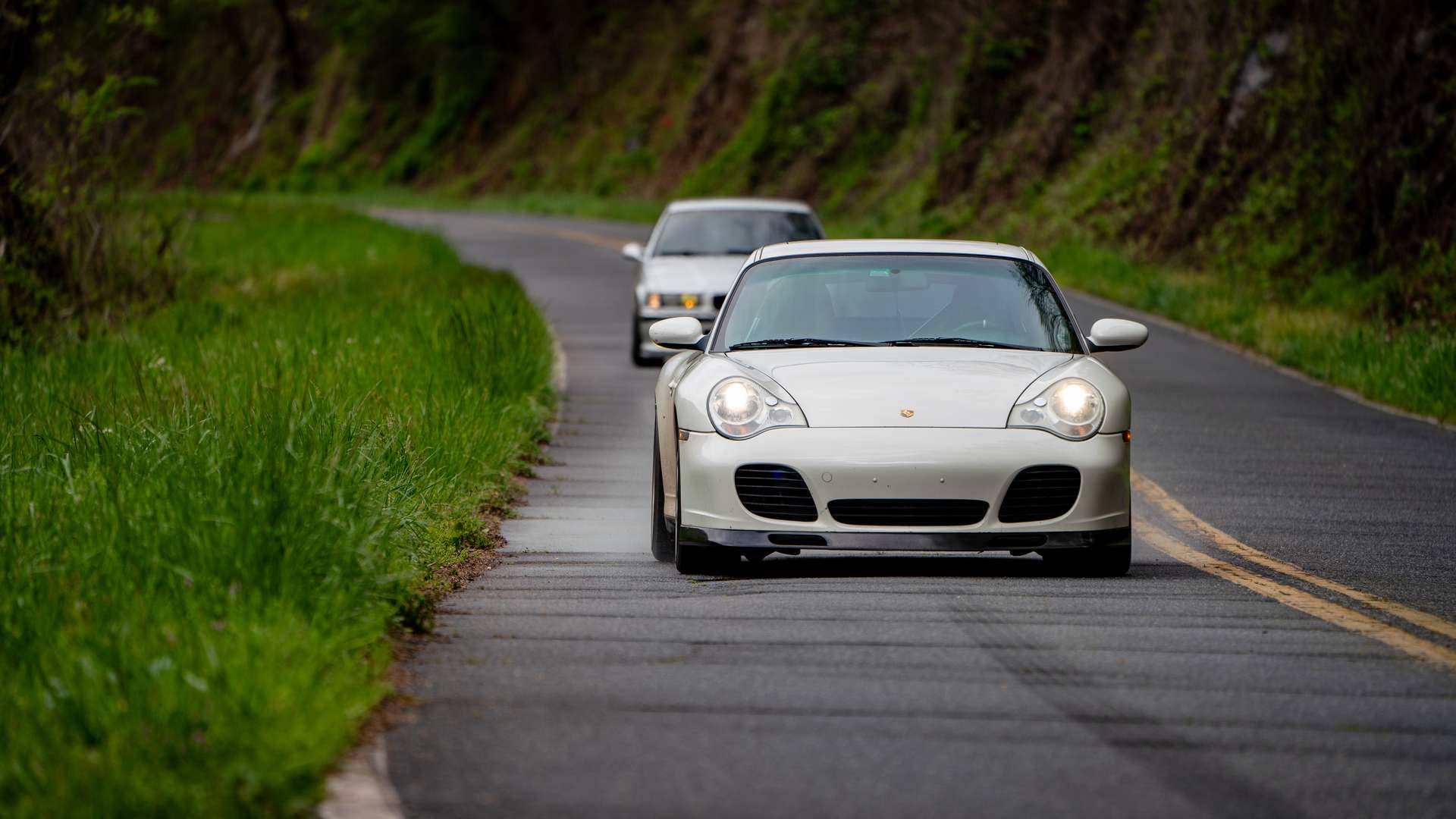
What makes both models so great is also part of their downfall. The best location for a radiator is up front, directly in the path of the most airflow, but the engine positioning in the chassis—whether rear or middle—makes that a challenge. Their front ends don’t have space for a traditional tall radiator, so two to three radiators are located in the bottom corners of the bumper. These bumper openings have a penchant for collecting debris that quickly blocks the radiators. It’s not a huge immediate impact, but they will raise the temperature the car cruises at, straining everything in the system. This most commonly results in failed radiators, as the plastic tanks will crack and leak, though the hoses have also been known to tear.
Back at the engine, there’s more to worry about. Water pumps are pretty prolific failures on the M96 engines for several reasons. First, they wear relatively rapidly at around 60,000 miles, putting them on par with some of BMW’s most notorious models. The bearing that allows the pump to spin fails, introducing play into the pulley and impeller. The OE impellers are plastic, and when the bearing fails, they’ll contact the engine case and send plastic shrapnel throughout the cooling jacket. Elsewhere, the oil heat exchanger, which uses engine coolant to both warm and cool it, fails internally, allowing engine oil and coolant to make their famous milkshake mixture inside the engine. Coolant expansion tanks can get especially hot in the cramped Boxster engine bay and crack, covering the rear trunk in coolant.
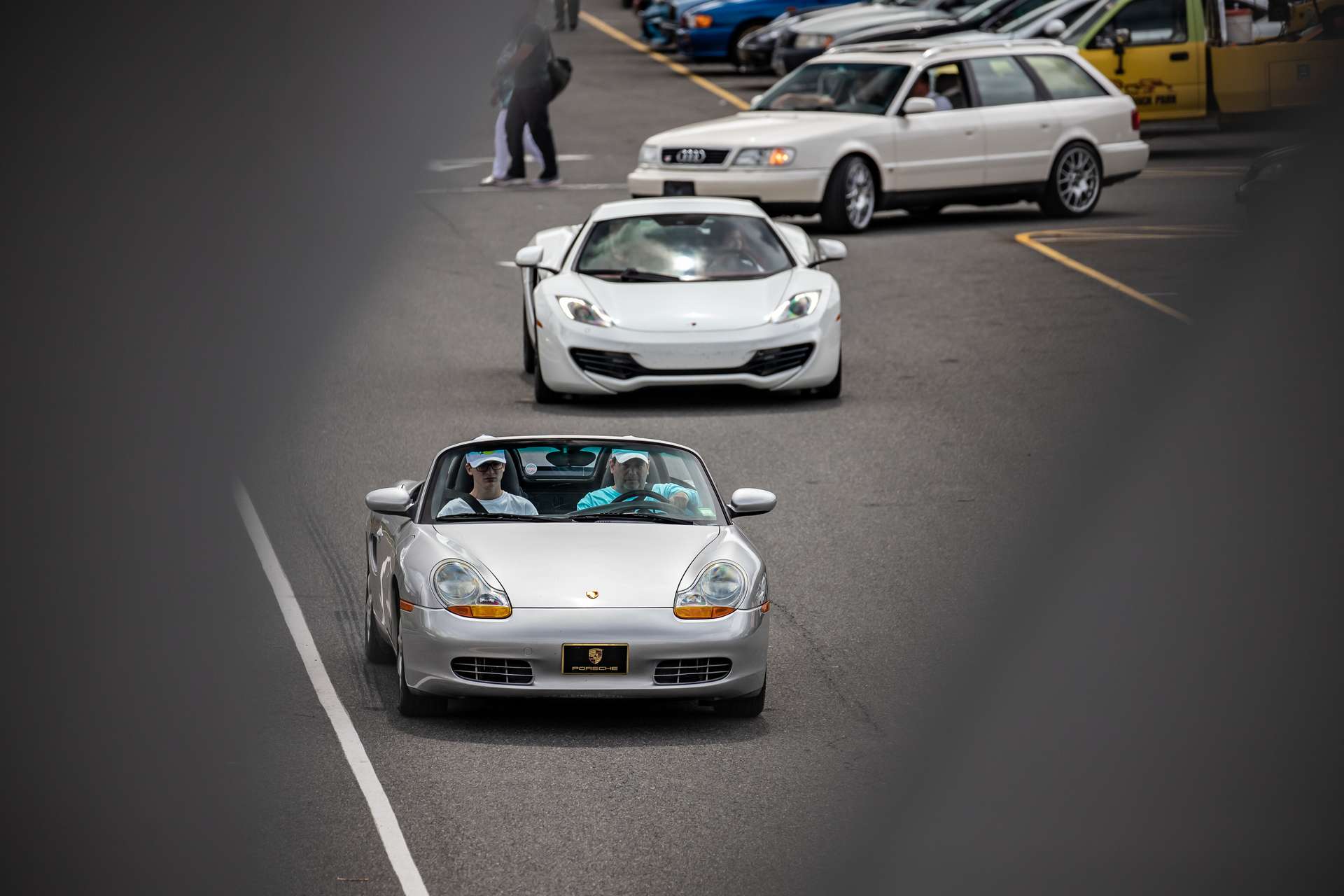
However, what’s arguably worse are the head gasket failures. Porsche engines aren’t inexpensive to open, and replacing the head gasket is a tremendous job. If you decide to replace them, I hope they’re the culprit. Cylinder and cylinder head cracks that allow coolant into the combustion chamber aren’t rare and are a much more expensive repair if not cause for an engine replacement. On top of all that, the enormity of the system—thanks to the distance between the radiators and the engine—makes the bleeding process a challenge without a pressure bleeder.
That said, I’d still own one if the price were right.
Like the E36, the aftermarket and OEMs have come to the rescue, offering improved parts that extend servicing, if not completely eliminating the cause of failure. Careful servicing and a watchful eye can manage the rest of the issues.
2002-2006 MINI Cooper R53
The Austin Mini was an icon, providing fun and affordable transportation for decades in Britain and remaining popular as a new car in places like Japan well into the nineties. BMW’s purchase of the Rover Group saw the Germans take over the historic marque and revitalize it as an all-new car carrying on the legend's legacy. As we saw, the Frank Stephenson-designed successor was a smash hit, catapulting the brand into the modern age and setting it up for the success it continues to have. Within a few years, a sporty variant of the Cooper arrived with an Eaton supercharger and plenty of character.
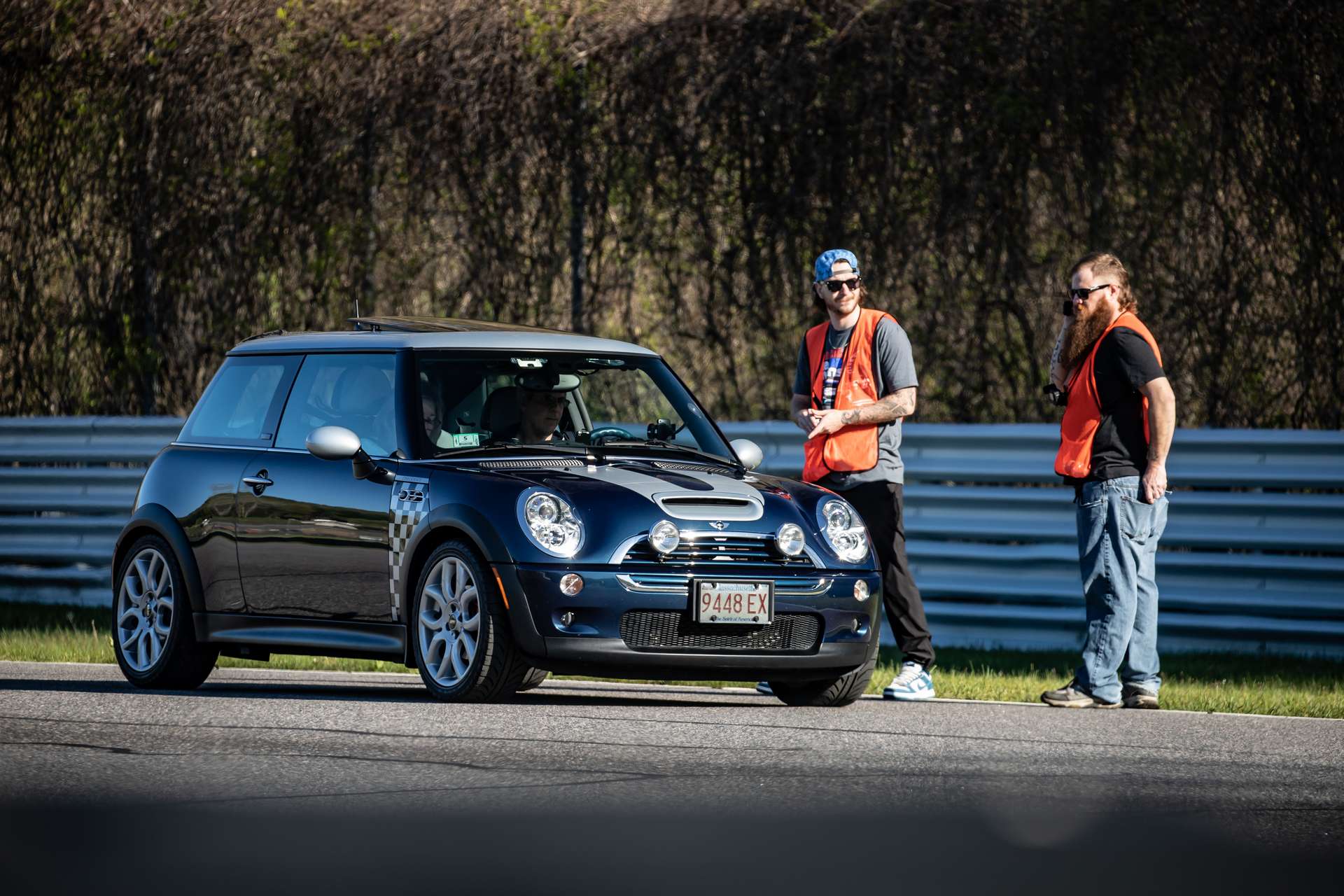
Before entering production, BMW partnered with Chrysler to produce a new series of engines meant to power the new MINI, among others. It was called the Tritec, and the supercharged SOHC 1.6L in the Cooper S was at the top of the performance range. With lots of torque and a distinct whine from the supercharger wrapped up in a fantastic-looking package, it shouldn't be a mystery why they were so popular in the day. Even now, they make an excellent option for a DIY-friendly, low-cost, fun car that can still be driven daily. However, its specially produced engine design ended up killing so many.
Water pumps and superchargers are often driven mechanically via a belt off the crankshaft. To simplify packaging, the R53’s water pump is mounted to the back of the supercharger and driven off one of its rotor shafts via a gear drive. It’s a pretty genius solution that would’ve worked out without fault had it not been for the supercharger’s service requirement.
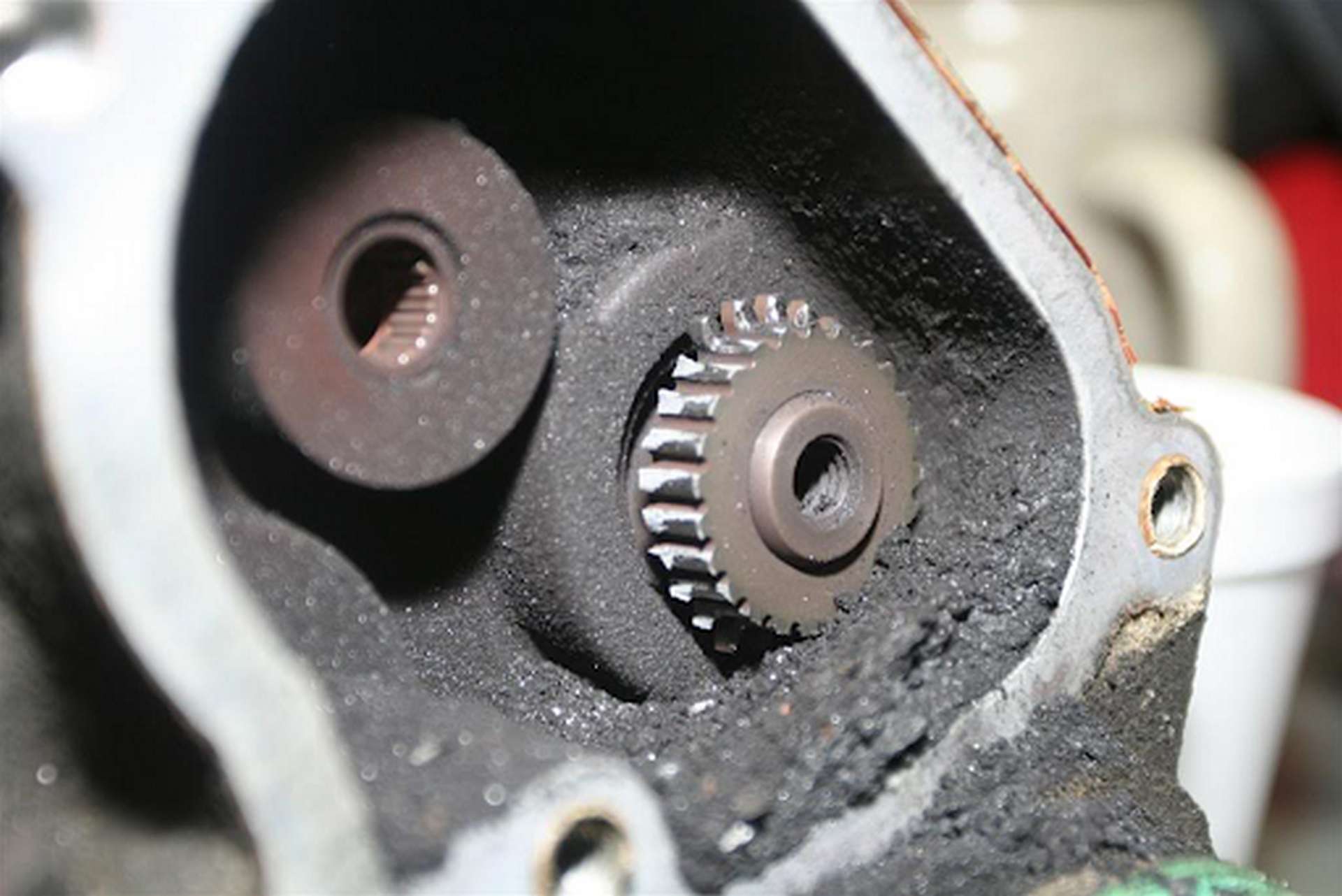
The supercharger has two oiling ports: one you can get to, the other you can't without tearing the whole engine apart to remove the supercharger. Few owners elect to have the oil changed because of the complexity of removing it, but failing to do so results in improperly lubricated bearings. When the bearings fail, there’s significant play in the shaft that drives the water pump. That play causes the gears to eat themselves, and the water pump can’t properly do its job, resulting in an overheated engine and a wasted supercharger.
Servicing the supercharger on time eliminates the potential for this failure. Elsewhere, the Tritec engine’s cooling system can be complex to service because of limited space, and the coolant system bleeding procedure is a particular set of steps that can catch out even experienced wrenchers. Stay current on your maintenance, and 95% of the issues can be avoided before they become serious.
2008-2015 Jaguar XF
Somewhere along the way, you’d have figured the Brits would make something relatively bulletproof. These days, the only thing that remains British is the names, and those marques are likely better off for it. Jaguar’s lineup was arguably its most memorable in the late ‘90s and early ‘00s when Ford was at the helm, but the grumbly V8 powering nearly everything in the line-up was from the old guard. The combination of American parts bins and a last vestige of British engineering set the tone for several decades of an excellent engine in relatively reliable packages. But not all was well.
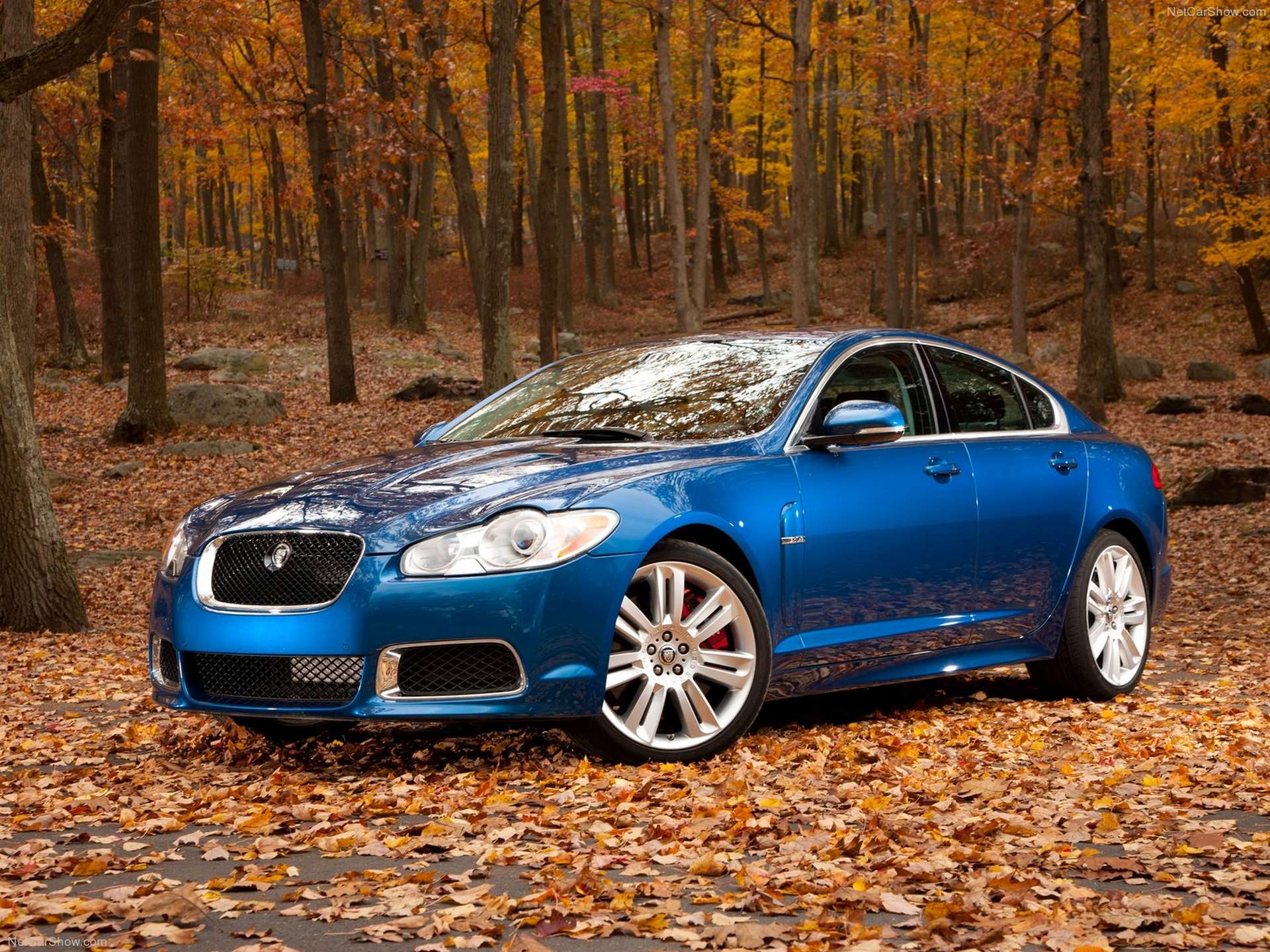
Potential cooling issues aside, the X250-generation Jaguar XF is a striking vehicle. It debuted just after Ford sold the company to Tata Motors, but all of the engineering was done under the Big Blue Oval's ownership, so the American parts and design run deep, and that’s mostly a good thing. However, the V8 and supercharged V6 powering many XF models were purely Brit. It began development before Ford took over but underwent plenty of development before arriving at its final variation, dubbed the AJ133 (AJ126 for V6). They were reliable for most owners, as were the ZF 6hp and 8hp gearboxes backing them while producing good noises and torque. Unfortunately, the reliance on plastic components has proven to be the bane of owners worldwide.
Similarly to the E36, experienced owners don’t recommend replacing components as they fail, but rather in a large group at one time for ease of maintenance. The most common culprit of that sweet under-hood smell comes from the coolant crossover pipe at the front of the engine, but nestled within the vee are no less than three leak points that require inlet manifold or supercharger removal. But that’s just the start, as the rear heater pipe, water pump, and thermostat are just as likely to leak. The rear pipe is tucked against the firewall, so it’s easiest to replace while the vee is clear. While water pumps and thermostats go bad on every car, their failings around 40,000 miles are particularly short, and the latter sits in a self-contained plastic housing prone to cracking.
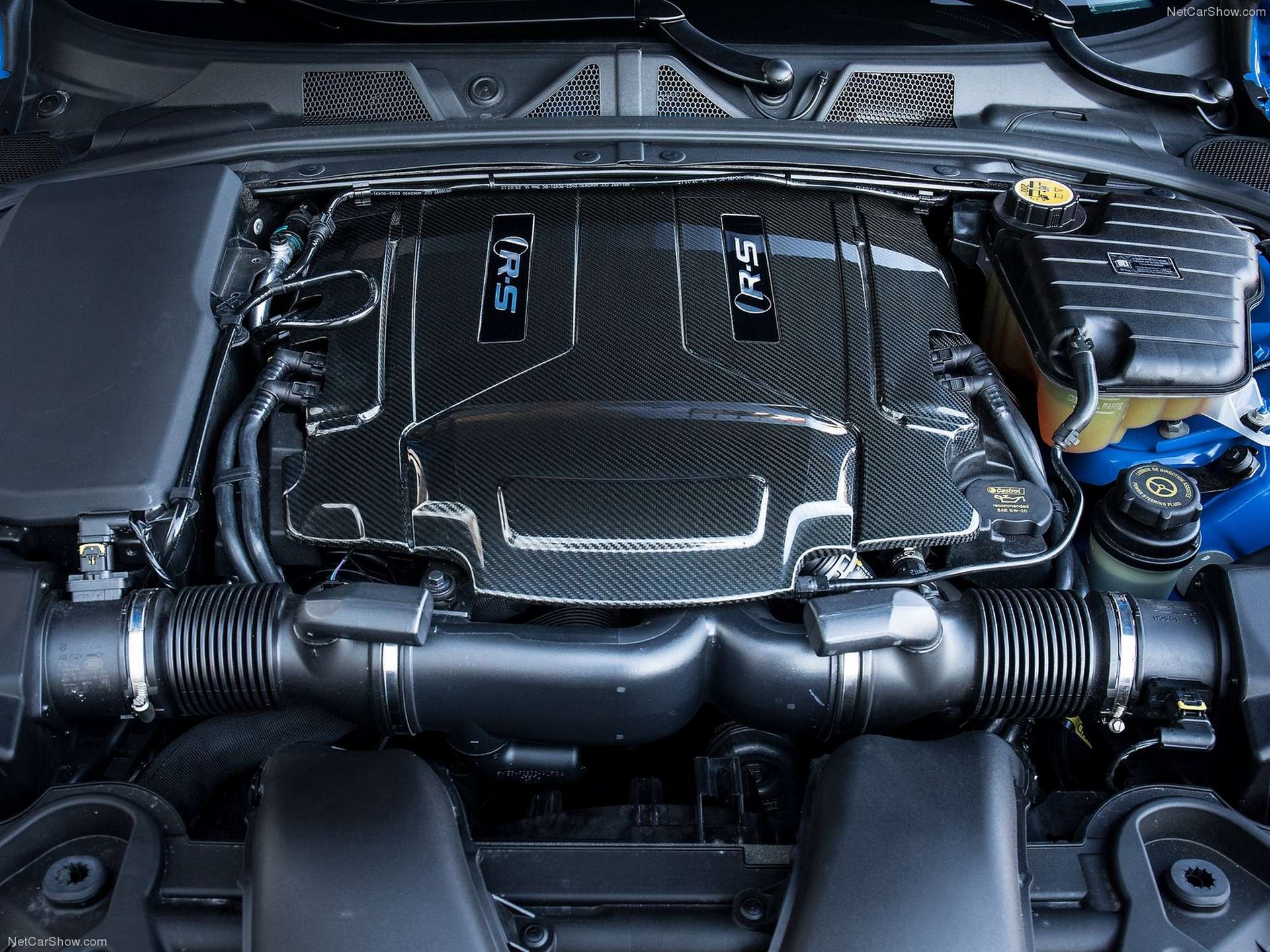
Between those more significant plastic bits are a decent series of smaller rubber hoses that feed the supercharger intercoolers, auxiliary radiators (if equipped), and the central radiator. While they typically won’t be the first bits to leak, they eventually will, so going after the least pliable bits early is just smart preventative maintenance. Take care of all of that, and you’ll likely have yourself a winner. That era of Jaguar styling remains tasteful almost two decades later, and the performance offered by all of those supercharged engines is enough to impress anyone, let alone get you where you need to go.
Luckily, there aren't too many more models that could appear on this list. However, weak cooling system plastics are a universal trouble for all European engine made in the last thirty years. Between them and their associated rubber hoses, the cooling system requires you to keep a watchful eye and a strict service schedule. Head over to fcpeuro.com when it comes time to perform some maintenance and stay tuned to our YouTube channels for regular DIYs and entertainment.