- 03/10/2026
- 3 Min Read
- By: Christian Schaefer
How To Diagnose & Prevent Automotive Interior Water Leaks

Interior leaks in cars are often found after it is too late; one day, everything is fine, and the next, you're stepping into a pool of water instead of onto the floor mats. Water collected in the interior is a major issue, as the industry-standard locations for many computers and modules are under the carpet in the passenger's footwell and under the front seats, and that's where water will naturally collect. Luckily, water intrusion can be prevented with routine maintenance a few times a year, without any specialized tools, so get yourself familiar with them before you have to replace some of your vehicle's major electronic components.
Why Is There Water In My Interior?
Engineers spend thousands of hours designing their vehicles to be quick, efficient, safe, and waterproof to an extent. While you can't drive underwater, your vehicle should be able to stay dry in the rain and remain so indefinitely, but that's often not the case. So what's the cause for all the soggy carpeting and malfunctioning electronics? Some dirt and dust, a few leaves, and a bit of other miscellaneous gunk clogging up your drain paths.
Everywhere there's a gap in panneling or a rubber seal is a place for water ingress that engineers mostly work around with carefully placed drains. Areas that naturally collect water on the exterior slope toward a drain or have a specific component designed to channel water to one. A by product of that is that all of the dirt and grime washed away by that water is taken into the drain where it collects and eventually blocks the outlet. The water then back up through the drain and pools in place, which may not be an issue for a brand new vehicle, but older ones with weatherd seals are at prime risk for unwanted water in the cabin. Thankfully, you can check for and clear drains fairly easily, as shown below.
Water Leaks From The Headliner
A leak around the roof isn't difficult to determine. If your head isn't directly getting wet, you'll be able to see water stains on the headliner and the A-pillars. There are a few different places the leak could be from if it isn't from multiple areas.

A water leak around the roof will be the most common leak point for most vehicles. Vehicles with sunroofs are especially vulnerable to these leaks. Automakers know that the sunroofs and their seals won't always be watertight. To prevent interior leaks, the manufacturers put a small drain in each corner of the sunroof. Without proper maintenance, the drains will clog, forcing the water to leak through the sunroof into the interior.

A quick Google search will bring up specific snakes to clear out the clogged drains. Compressed air or some high-pressure water can clear them out, but the drain tubes are often multi-piece, so you ned to be careful not to separate the connection within the body. If you have it handy, string trimmer line is usually tough enough to break through decent blockages.
If your headliner is now stained from your water leak, don't fear, as you can more likely than not remove that stain yourself. We recommend using a small amount of all-purpose interior cleaner and a clean white microfiber towel that won't transfer the color to your headliner. Using as little cleaner as possible, lightly dab at the stain until it is gone. You don't want to soak the headliner too much because the sensitive glue that holds the headliner fabric in place. Once you've removed the stain, we suggest pointing a fan at the spot you cleaned and letting that run overnight with the windows open.
If the sunroof isn't leaking, then the next area to test is the windshield seal. Rubber windshield seals can dry up and crack when exposed to constant extreme heat and sunlight. Even then, a seal isn't likely to go bad in the first five to seven years. When they do go bad, however, leaks will happen. Beyond ruining interior pieces, rust can form when water gets trapped between the windshield and the chassis.
Vehicles like the BMW E90 are notorious for having windshield seals that crack and disintegrate over time. Fortunately for their owners, the new seal is cheap and relatively easy to replace. Owners of other vehicles may not be so lucky. Depending on the make and model, the windshield will use a silicone-type sealant and will have to be removed for the new sealant to be applied.
Water In Your Footwell
A collection of water in the passenger's side footwell is more problematic than water collecting in the headliner. As mentioned, at least a few of the vehicle's important computers are hidden under the carpeting, making them an easy casualty of water ingress. If there's dampness below the floor mats, you should pull up the carpet to investigate.
Check the area by pulling back the floor mats and then the carpet.
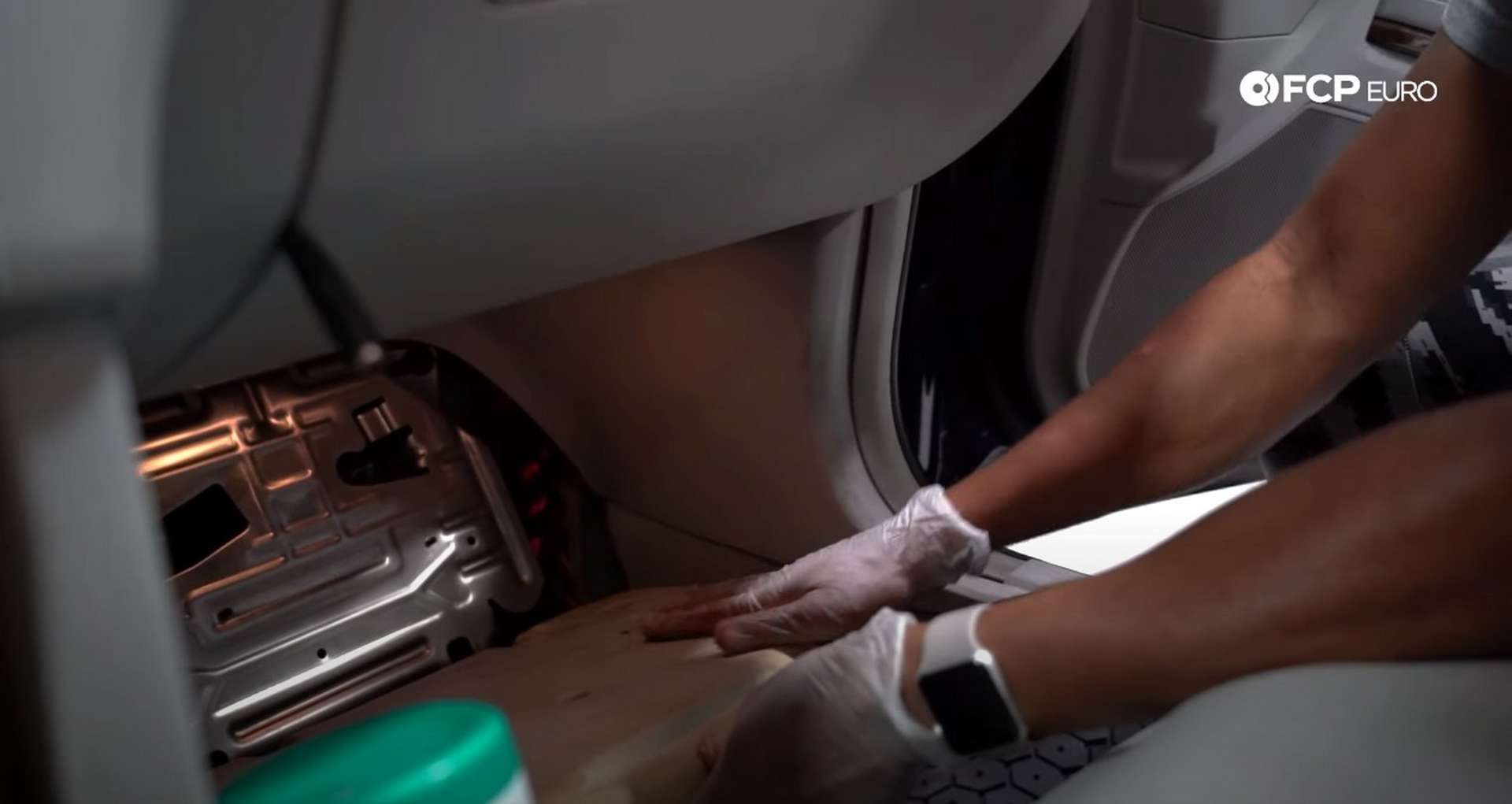
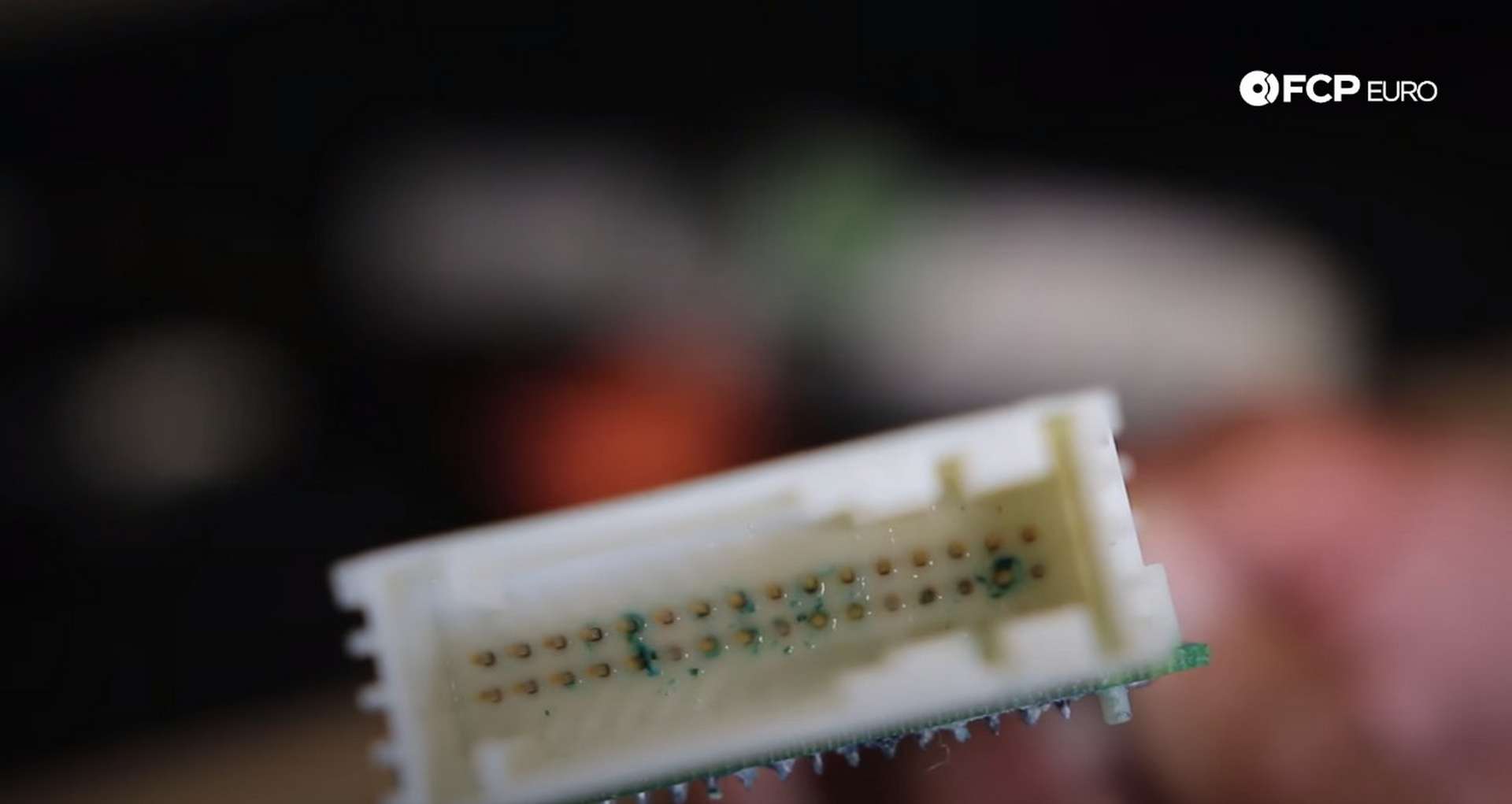
Feel the backside of the carpet for any excess moisture. Pull the carpet back further and take a look at the floor. Check for any signs of rust, mold, and mildew. Next, unplug some of the electrical connections, one at a time. Examine the inside of the connections, checking for any green-colored corrosion. The corrosion is a tell-tale sign that water was present at one time.
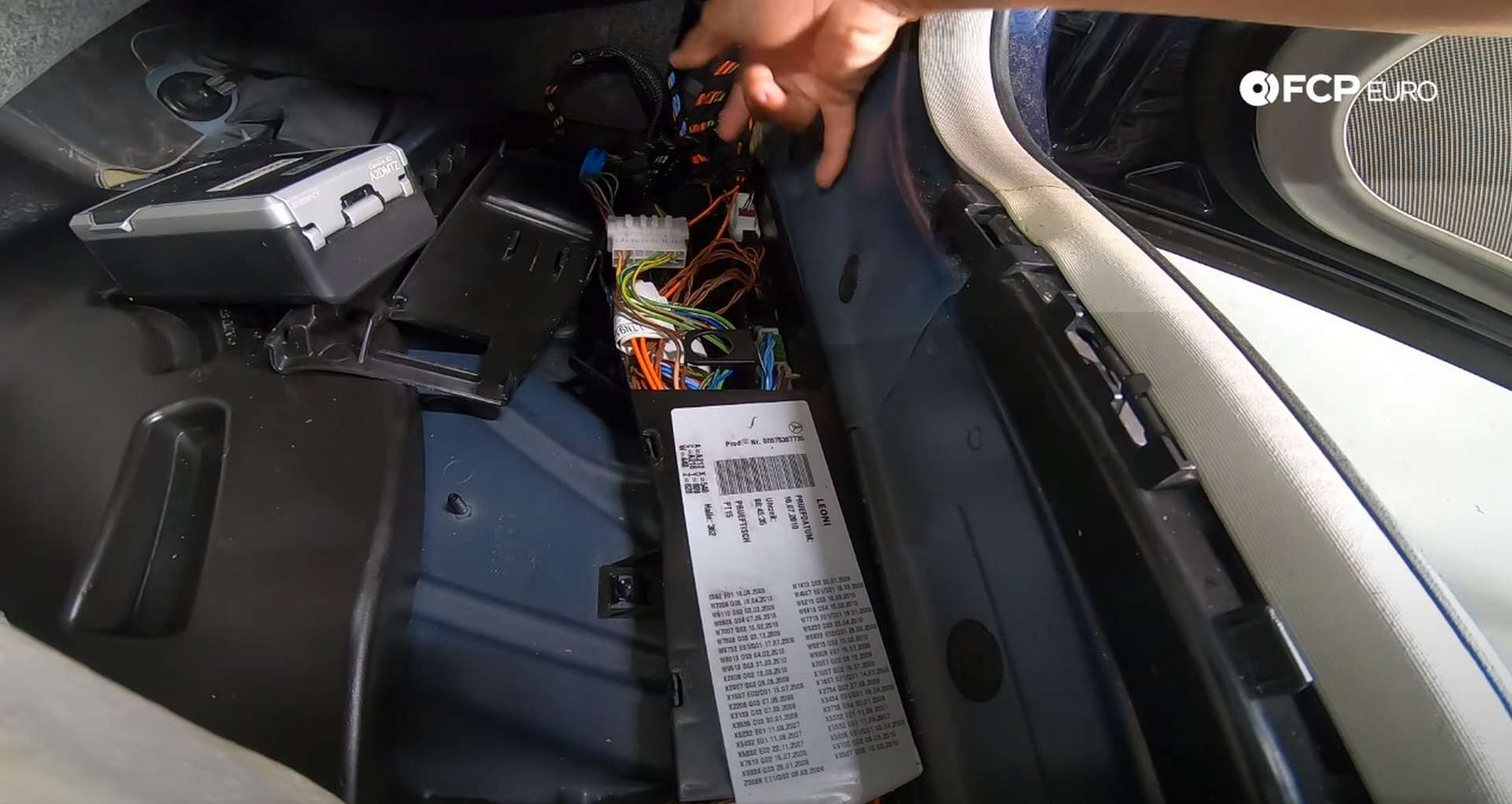
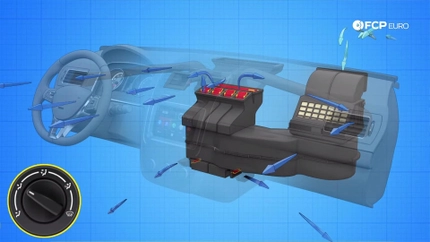
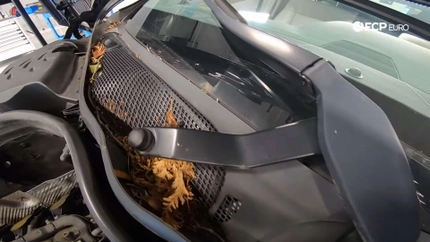
Tracking down the source of the water can be tricky. Start with the seals around the door. These are the closest entry points for water. Next, check the base of the windshield and the windshield cowl. The windshield cowl directs water to the drains that pass behind the fenders, and when those drains clog, water builds up at the windshield and finds any way into the interior. Additionally, on vehicles like Jaguar's XK and early Porsche Cayennes, the A/C system's drain tube will clog, backing up into the footwell.
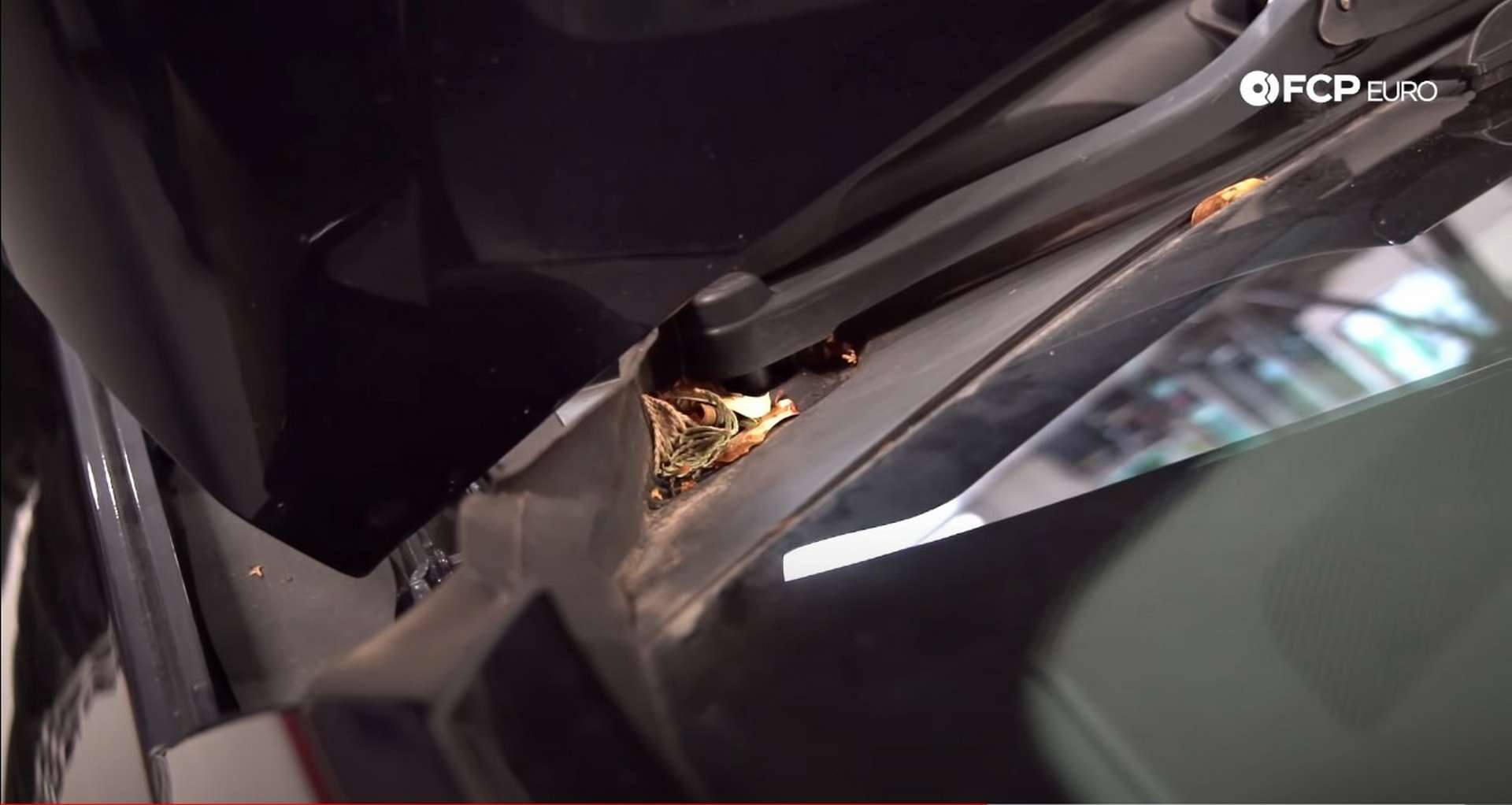
The clogged cowl drains and A/C drain are simple fixes. Clear out the blockage, and you're good to go. If you live somewhere with fall foliage or park under trees often, you should inspect your cowls for blockage and clean them weekly. The cowl drains typically drain out behind the fender and are accessible by removing the fender liner.
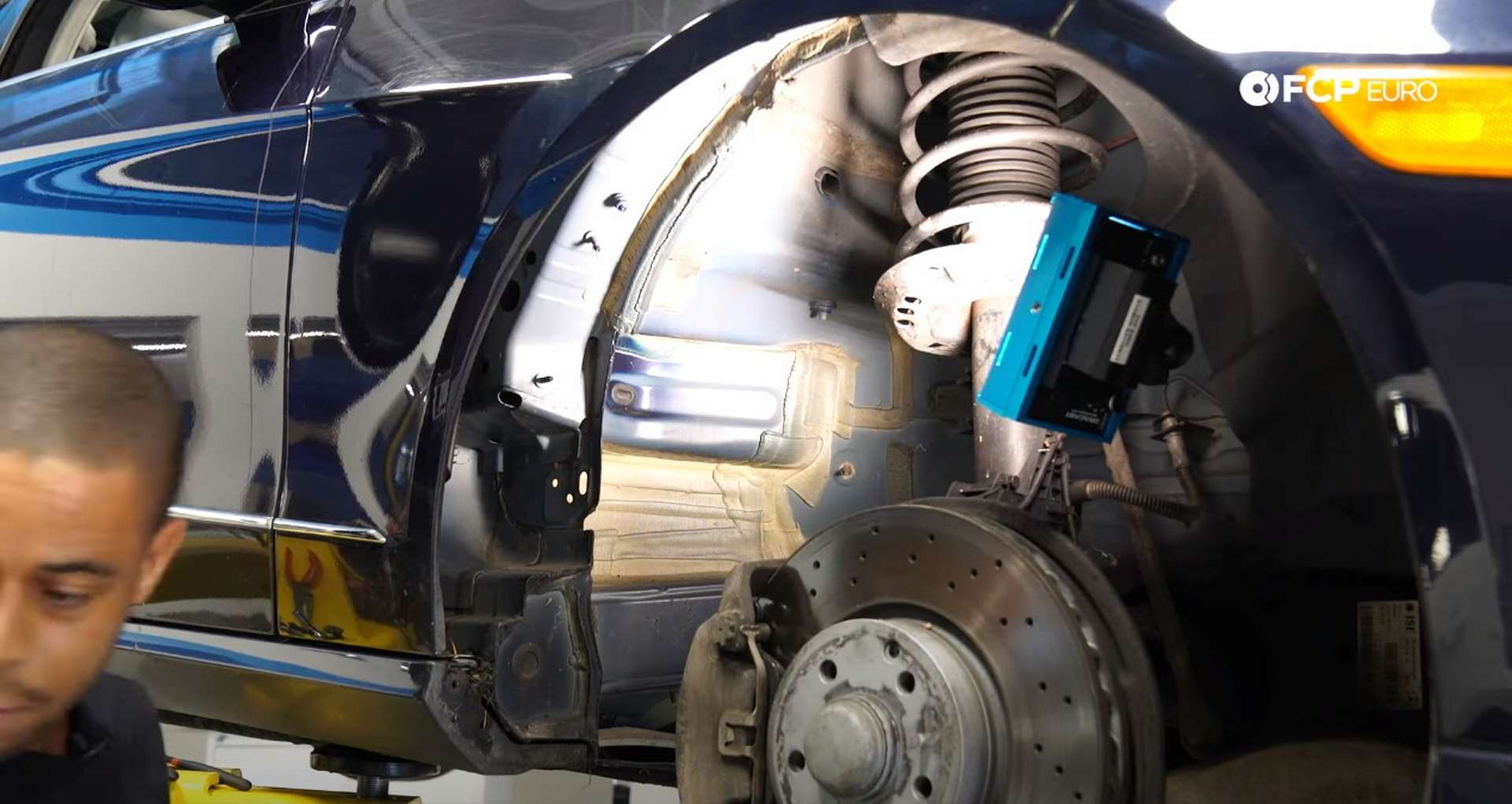
A perished door seal can be trickier to repair and may be better handled by a professional, depending on the model. Take a look at how it attaches to the door and try to determine whether it's something you can tackle yourself. If it's beyond your skills, we suggest visiting a trusted local independent shop.
If your carpets have gotten wet from a water leak, we suggest a minimum of a wet and dry vacuum to suck the excess water out of the carpets. Once you suck out the water, we recommend Griot's Garage Interior Cleanerand a drill brush to bring out the stains.
If you have any questions about a leak on a specific car or are still having trouble identifying leak, please contact our customer service team for some model-specific fixes.