- 09/03/2025
- 10 Min Read
- By: Christian Schaefer
Audi B8 A4 vs. B9 A4: Which Of These Sedans Will Be The Future Classic?

Audi’s A4 has carried millions worldwide to school, the shops, the slopes, and everywhere in between. The C-class and 3-series competitor has always been a somewhat sporty and luxurious option typically equipped with a legendary all-wheel-drive system that’s driven much success on the showroom floor. The A4 has even carried itself well on the race track, battling through multiple eras of Touring Car racing with several championships to its name. The B8 generation stole the show upon debut, quickly becoming the most revered of all, but now the B9 is here, fighting the good fight. Which of these A4s bests the other?
A Brief Recent History - The B8 & B9 Audi A4
Audi was in full stride around the late aughts. VAG as a whole was at its modern peak thanks to Ferdinand Piëch, and Audi was a large part of that. A new era was on the horizon, promising lower emissions, new technologies, lots of forced induction across the line-up, and a change in aesthetic design philosophy.
The B8 was part of that brand facelift that saw Audi push their design team toward a more angular future. VAG’s MLB chassis was the basis for the B8. The new (at the time) modular platform allowed costs to be kept down, as driveline mounting points and a few other things were shared across many models. Whether or not it affected the interior and exterior design teams isn’t clear, but designers had no issue creating a model that’s still beloved for its looks. Previous A4 generations—and Audis in general—were rounded with soft-edged exterior lighting and features, but the B8 arrived in 2008 with a new presence. Headlights and taillights had firm lines and sharp edges, and the R8-esque LED strip within the headlights was as cool as it got. The B8 also retained the manual transmission for enthusiasts, added a new four-cylinder engine to the A4 lineage, and had arguably the best interior fitted to any of its generations until that point.
Succeeding the beloved B8 generation was no easy task for Audi engineers, but ask around any VAG show, and you’ll hear plenty of enthusiasts singing praise for the B9. Much of its magic comes from the revised MLB Evo platform. Because of this, the B9 A4 and A5 are a bit longer and wider, aiding in the interior space and mechanical grip. There are also a few new engines, a DSG gearbox, lots more technology, and a big performance and fuel economy improvement. Altogether, the B9 looks very lovely on paper, but does it hold a candle to its beloved predecessor? And is it worth all of the extra money required to buy one?
Audi B8 & B9 A4 Spec Comparison | |||||
| Chassis | B8 | B8.5 | B9 | 2020 B9.5 | 2021+ B9.5 |
| Model Years | 2009-2012 | 2013-2016 | 2017-2019 | 2020 | 2021-Present |
| Engine | EA888.2 Turbocharged Inline-Four | EA888.2 Turbocharged Inline-Four | EA888.3 Turbocharged Inline-Four | EA888.3 Turbocharged Inline-Four | EA888.4 Turbocharged Inline-Four |
| Horsepower | 211hp | 220hp | 190hp (ultra)
252hp (quattro) | 188hp (40 TFSI) 248hp (45 TFSI) | 201hp (40 TFSI) 261hp (45 TFSI) |
| Torque | 258 lb-ft | 258 lb-ft | 236lb-ft (ultra)
273lb-ft (quattro) | 236lb-ft (40 TFSI) 273lb-ft (45 TFSI) | 236lb-ft (40 TFSI) 273lb-ft (45 TFSI) |
| Transmission | CVT (FWD) 6-Speed Auto (quattro) 6-Speed Manual (quattro) | CVT (FWD) 8-Speed Auto (quattro) 6-Speed Manual (quattro) | 6-Speed Manual
7-Speed DSG | 7-Speed DSG | 7-Speed DSG |
| Fuel Economy | 23/25/30 (FWD)
21/23/27 (quattro) | 24/27/32 (FWD) | 27/31/37 (ultra)
24/27/31 (quattro) | 27/30/35 (40 TFSI) 24/27/32 (45 TFSI) | 25/28/34 (40 TFSI) 24/27/31 (45 TFSI) |
| 0-60mph Time | 7.1s (FWD) 6.7s (quattro) | 6.6s (FWD) 6.2s (quattro) | 7.1s (ultra) 5.3s (quattro) | 7.1s (40 TFSI) 5.3s (45 TFSI) | 6.3s (40 TFSI) 5.2s (45 TFSI) |
| Weight | 3527lbs (FWD) 3715lbs (quattro) | 3615lbs (FWD) 3683lbs (quattro) | 3483lbs (ultra) 3626lbs (quattro) | 3417lbs (40 TFSI) 3627lbs (45 TFSI) | 3682lbs (40 TFSI) 3726 (45 TFSI) |
| Infotainment | 3G MMI High | 3G MMI High Plus | MIB | RMC | RMC (wireless Apple CarPlay standard) |
A4 vs. A4: How Do They Stack Up?
Before getting into the nitty-gritty, know that the quattro variants will be pitted against each other. The specs for front-wheel drive B8 and B9 ultra are above; however, they represent a minority of examples. Chassis, Interior, and exterior comparisons will broadly relate, as will the non-performance-related characteristics of the engine. If there’s anything of great importance, it’ll likely be included.
Chassis
After decades of producing individual chassis for individual models, manufacturers began to get smart and develop modular systems. Audi’s B8 was one of the company's first on VAG’s first modular MLB platform. They sized up their small sedan by 5 inches in length and almost three inches in width, improving interior space and storage. However, shared engineering between it and its larger stablemates, like the A6 and A8, kept down the cost of engineering an all-new chassis system.
Audi’s multi-link suspension remained up front with updates to a couple of the arms to accommodate the new platform. In the B8, four forged aluminum control arms work together to center the wheel assembly in the well and control its movement. A similar multi-link arrangement, albeit with an extra arm, controls the rear wheels. Adjustment is minimal with the stock arms, as camber is only adjustable in the rear. The bushings within the arms are a standard rubber type.
Damping was handled by either a passive damper or an optional adaptive type. Audi offered four distinct damper packages across pre- and post-facelift models, including the base package, Sport suspension, and the ADS adaptive suspension. The passive packages are relatively firm in damping, especially the Sport suspension, which includes stiffer springs and a 20mm lower ride height. The B8 ADS dampers feature four damping modes: Comfort, Sport, Dynamic, and Individual via the Audi Drive Select system. Optional on early models and standard on later ones, the Drive Select allows the B8’s driver to adjust steering weight, engine response, and transmission shift points. Damper control came with adaptive struts.
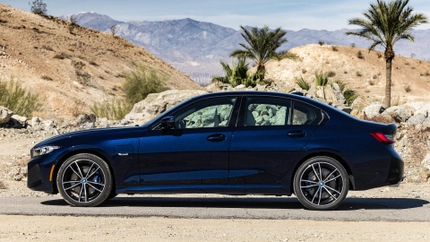
In preparing the B9, VAG developed its new platform, the MLB Evo. Consisting of new parts, revised designs, and improved processes, the updated modular system has given the B9 a far better base for its sporting abilities while providing safety, comfort, and fuel economy benefits. All of this should be noticeable by you, the driver, as reviewers have long said the B9 has put forward the A4’s best footing yet, shedding the understeer-prone nature of models prior. Altogether, it’s a package that stands up to BMW’s venerable G20 3-series.
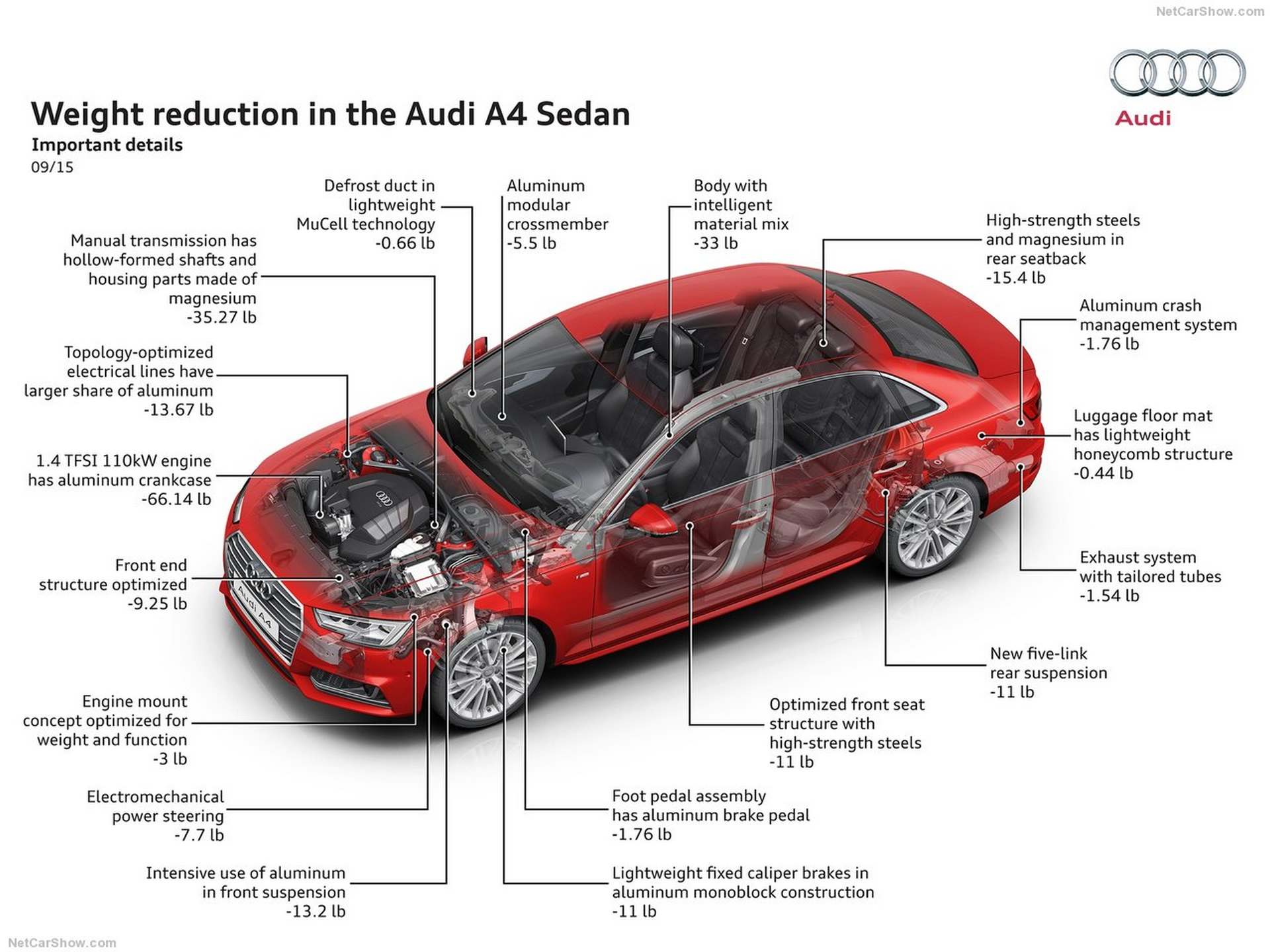
The basic architecture of the B9’s MLB Evo chassis is relatively similar to that of the B8, but the individual components are 90% new. Each front wheel well has a five-link multi-link suspension, while a multi-link of a slightly different orientation exists in the rear. The arms are forged in a new shape with lighter aluminum and pressed with a revised bushing, undoubtedly lending to the improved chassis dynamics. Indeed, the weight savings did, too, as the new forgings contributed a 35lb weight savings over the B8.
Oddly, though, damper packages have seemingly moved backward. You can have a B9 A4 with standard adaptive and sport adaptive suspension, but only if you purchase a MY17 or MY17-18, respectively. Since 2019, only the standard and sport suspension options have been available. Sport suspensions are 23mm lower than the base package, and the standard adaptive set sits 10mm lower than the base. If you’re fortunate enough to grab an adaptive damper car, the Drive Select system will facilitate any damping changes you’d like to make.
Aftermarket options are widely available for both generations of A4. Standard upgrades include stiffer dampers, lowering springs, coilovers, thicker sway bars, stiffer bushings, and adjustable arms. Whether you’re looking to sharpen your A4’s edges or sit that thing really low, you should be able to find what you need.
Engines - EA888 Gen2 vs Gen3 vs Evo4
Only in 2009 could you get your B8 A4 with a 3.2L FSI V6. The following year, the engine was gone, leaving only the EA888, a 2.0L turbocharged inline-four, as the A4’s sole engine option. The V6 lasted one more model year in the A5. Since then, only the aforementioned four-cylinder has been the A4/A5’s powerplant.
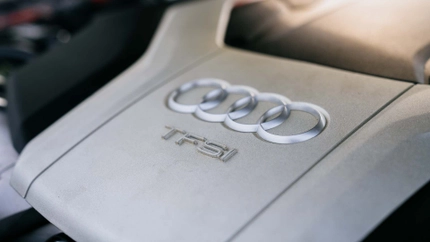
B8 A4s feature VW’s second-generation EA888 engine, typically known as the EA888.2 or Gen 2. It utilizes a single-scroll turbocharger to make 211-220hp, depending on the model year, and a relatively hefty 258lb-ft of torque, perfect for around-town and highway driving. It appeared alongside the first-generation engine, though it was exclusive to VW. They’re pretty closely related, though things like mounting points and ancillaries are different due to their longitudinal mounting position. Mechanically, the significant differences are the variable valve lift system (AVS) for the exhaust camshaft and revised pistons.
It’s the latter that the EA888.2 is famous for, though not for good reason.
Early B8 owners (2009-2011) experienced significant and severe oil consumption issues just a few years after hitting the road. Eventually, Audi determined the cause to be the new pistons and the low-friction rings they were fitted with. The fix was replacing the pistons and rings, which Audi paid for so long as you were under warranty. There were also significant issues with the PCV system, coolant leaks from plastic cooling system components, and carbon build-up on the intake valves.
The latter two issues aren’t Gen 2 specific, as even the later engines have had troubles with plastic cooling system components and carbon build-up made worse by faulty PCV systems. However, parts revisions were a significant help toward improving them on later engines. Failing PCVs are also a major cause for rear main seal leaks, which are about as typical of an oil leak as any EA888 will have. Turbochargers are also a failure point on higher mileage engines and can contribute to oil consumption and carbon build-up. Even with those issues present, Audi fitted the Gen2 engine in the B8 until the end of its production.
The third-generation EA888 arrived in the A4 with the B9 in 2017. It uses a lighter block with lightened balance shafts, thinner cylinder walls, smaller main bearings, reduced valve spring pressure, and increased aluminum hardware over the Gen2 engine. The valvetrain loses the variable exhaust valve lift, but an exhaust manifold integrated into the head and an electronically-controlled wastegate make up for it. European models even got port and direct injection to reduce carbon build-up, though that wasn’t available in the States.
The Gen3 couldn’t be better as a successor to the Gen2 engine. It’s more powerful and efficient, has a highly revised PCV system, and wasn’t fitted with funky piston rings that required a recall. Because of those improvements, B9 A4 models are significantly more reliable. Owners of high-mileage examples will still have to deal with carbon cleaning, rear main seal leaks, and oil leaks around the cam bridge. The water pump and thermostat housing are identical to prior generations, so that remains an issue, and examples with excessive timing chain stretch occasionally appear. However, the engine’s development in models like the GTI and Golf R was just what was needed for reliability improvements.
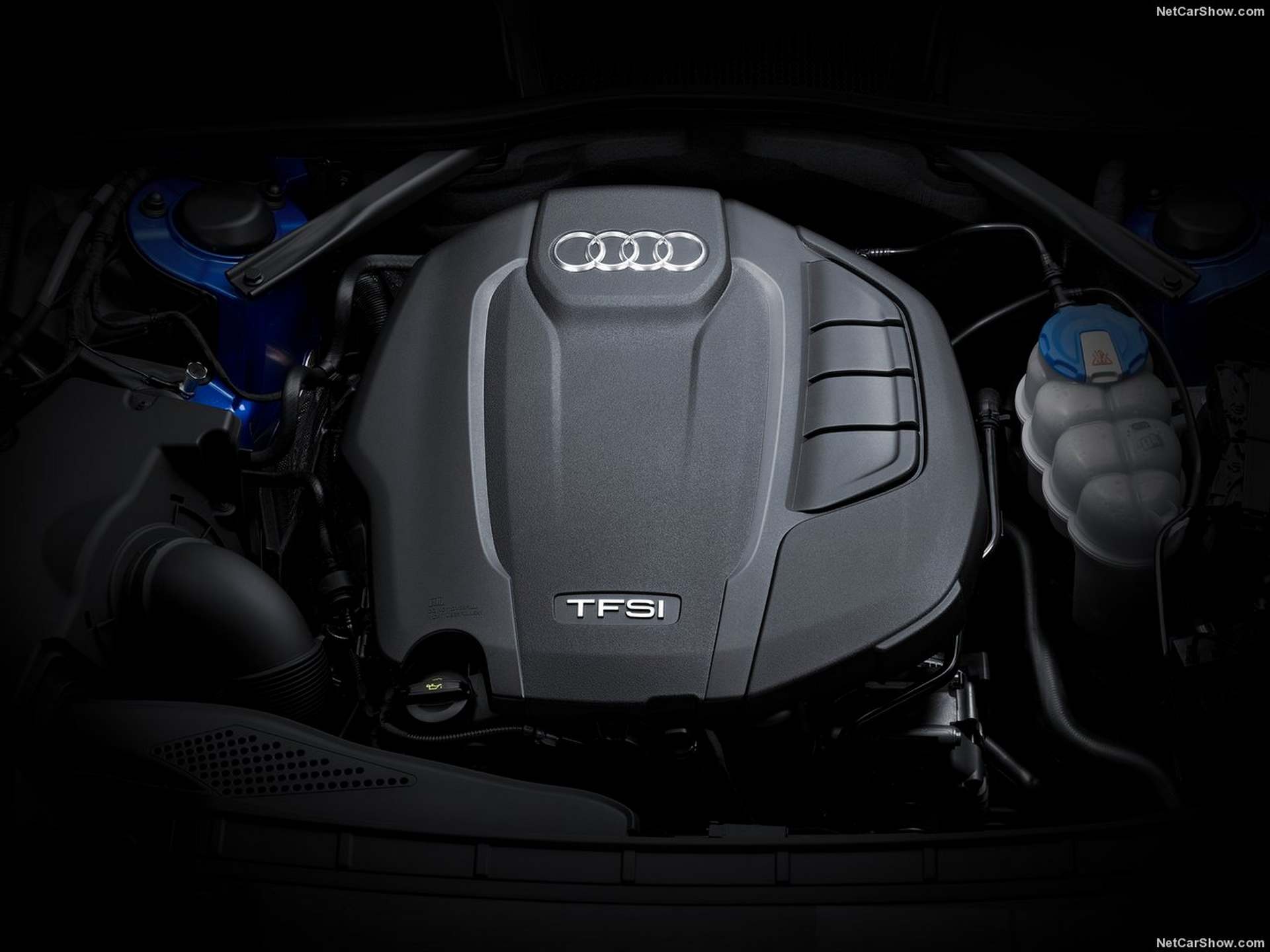
However, only the engine in the quattro models was similar to the GTI. Available alongside the standard A4 was the A4 Ultra, a model designed for pure efficiency. Under the hood of Ultra models, and later, the 40 TFSI, is the EA888.3b engine. It may be similar in name, but it’s radically different internally. Reshaped pistons and combustion chambers produce a higher compression ratio not traditional with turbocharging, but a smaller turbocharger, a higher-pressure fuel system, AVS on the intake camshaft, and reshaped intake ports work together to deliver near-diesel-like fuel economy. Servicing and reliability are generally the same as the standard Gen 3 engine, so treat it accordingly.
But just as the Gen3 engine was finding itself in the B9, Audi yanked it in favor of the next best thing.
The EA888 Evo4, as VW calls it, is the latest and greatest in this engine’s nearly two-decade journey. It arrived in 2021 for the second year of the B9’s facelift, the B9.5. Whereas previous generation updates were very much revolution, the Gen 4 engine is a close evolution of its predecessor. The critical updates come from a redesigned fuel system producing almost double the pressure and a couple of new turbochargers from Garrett and Continental, depending on the model. There’s also a new PCV valve aiming to be the final fix for decades of oily intake tracts. Not very glamorous, then, but all the changes produce the most potent 2.0L we’ve seen from VAG in factory stock trim.
The new engines continue with a high and low-output variant, but both now feature a 12-volt mild hybrid system. It’s not as sophisticated or capable as the 48-volt system on Audi’s larger engines, but it contributes 13hp at peak to the 40 and 45TFSI engines. That said, it’s still plenty advanced, utilizing radar and a camera for predictive engine restarting during stop/start situations and capturing, storing, and providing electric power for up to ten seconds while the engine shuts down during a coasting situation. Unfortunately, for those unsatisfied with the factory performance figures, the MHEV system has caused roadblocks for tuners. At this point, there’s not much in the way of ECU modification.
These engines are only beginning to reach higher mileage in the wild, but so far, we’ve seen a bit better reliability than the outgoing version, but not by much. Although slightly updated, many systems and components are primarily the same, so oil and coolant leaks can appear from the same places but with less frequency. As frustrating as continued issues can be, you know what to expect from these engines at this point, including the many positives they bring to the table.
Transmission
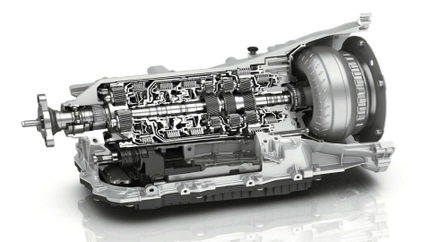
Any one of five different transmissions could back up whichever of the EA888s Audi was using at the time. All but one were meant to be relatively sporty, and most achieved that, but one or two of these transmissions stand out from the rest. You can't really go wrong with any, but whichever you choose has clear advantages and disadvantages depending on your driving style.
The B8 generation introduced four options depending on the model and model year. Available in front-wheel drive A4s is VAG’s ‘Multitronic’ CVT transmission. It’s the farthest thing you could get from sporty, but it helped produce the best economy figures of the American B8s, so it had its place. That said, fuel economy with quattro models is hardly worse, and choosing one would avoid the Multitronic’s issues. The CVTs get cranky as they age due to the stresses of daily driving or improper servicing. Owners have reported jerkiness, slipping, hesitation, and an inability to accelerate.
B8 quattro models feature a ZF automatic transmission as the two-pedal option: six speeds in pre-facelift models and eight speeds in the facelift B8.5s. The earlier unit, a 6HP28, is standard among vehicles from the mid-’00s, but it’s known to have issues at higher mileage. It’s also noticeably slower to shift than the automatics we’re used to today. The 8HP utilized in the B8.5 models is the better choice and arguably the best all-around option for the A4. It’s quick to shift and responsive to manual inputs, almost matching the DSG, but still provides ease of use in traffic and around town. Reliability is up over the 6HP, too. If you want to row your own in a B8, you’re in luck: a six-speed manual is available across all model years. It won’t have supercar levels of engagement and feel, but it does the job well, and no one should fault it for that.
The B9 introduced high- and low-output engines but reduced transmission options to a single two-pedal choice and a manual transmission. The latter didn’t last long, though, disappearing after the 2018 model year. All other B9s, regardless of trim, utilize the DL382 seven-speed DSG gearbox. Ultra models and MY2020 40 TFSI models get the 0CK front-wheel drive DSG variant, while quattro and 45 TFSI models have the 0CL. B9.5 models received an updated DL382+ DSG with the swap to the Evo4 engine. The code is 0HL. It’s essentially the same gearbox, but it ditches the long-established Torsen center differential that made the quattro name famous for the “quattro Ultra.’ The new system primarily runs in front-wheel drive and electronically engages the rear differential when needed.
There's plenty to choose from regarding the total grouping of A4 transmissions, and most will suit you well. Only the ZF 6HP and Multitronic could be considered deal breakers; the others will all deliver a reliable and sporty experience. The manual is as engaging as possible, but the ZF 8HP and DSG will snap off quicker shifts. The latter two can also deliver better-repeated launches while returning more efficient MPG.
Exterior & Interior
Often, a successive generation can alter a model's good looks for the worse. This is especially common in the European market, but Audi managed to nail it twice when moving to the B8 and then to the B9. The former was a departure from previous generations, mainly trading rounded overall exterior styling for one rife with sharp corners and straight lines. But the B8 isn’t a boxy mess; it’s a handsome and reasonably aggressive-looking sedan. It has many trapezoidal shapes, and because it shares much with the S4, it can look sportier if desired. Ask around forums or your local car meet, and you’ll be hard-pressed to find anyone who does anything but praise it.
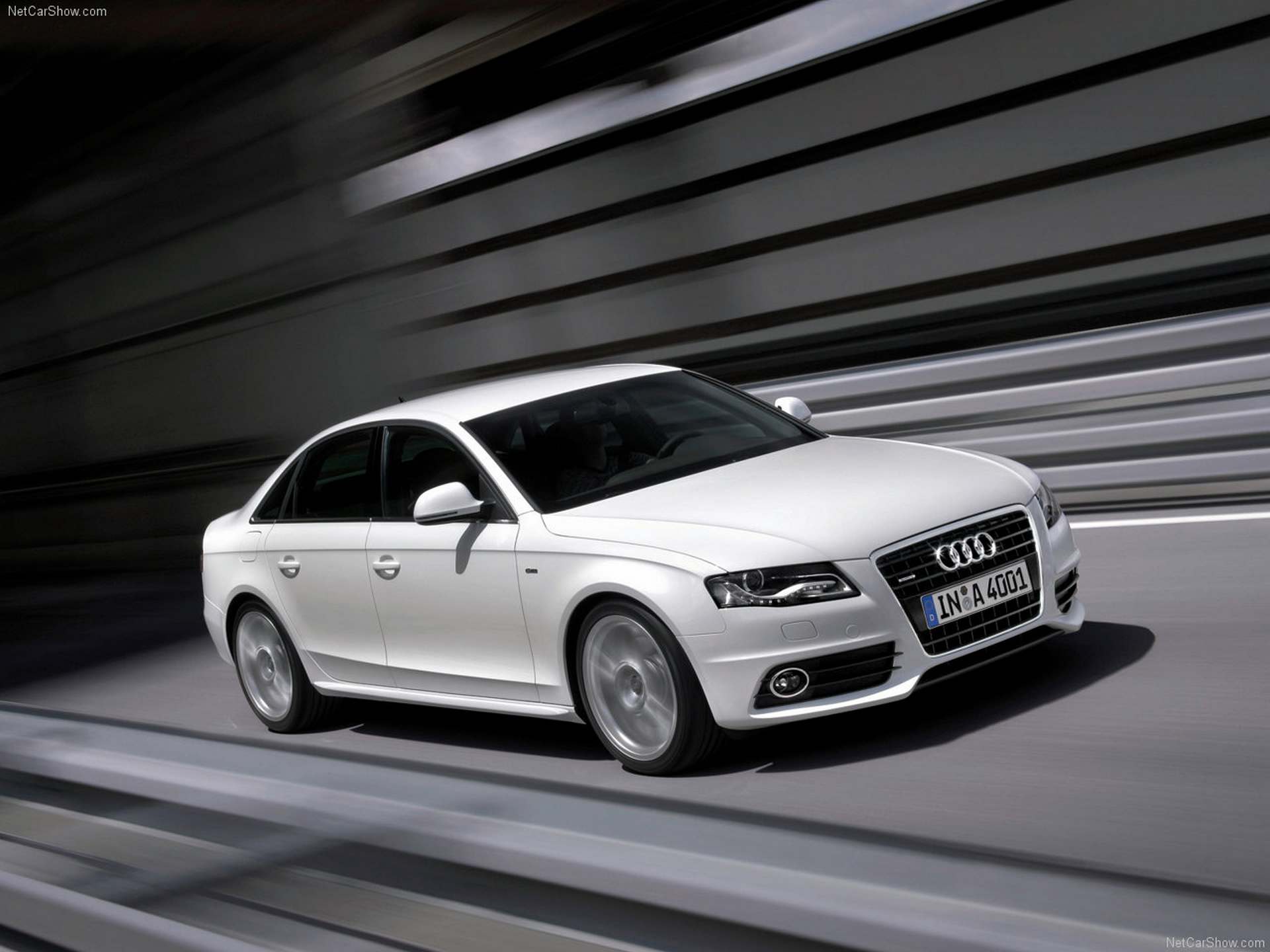
The B9 was a lateral move for the platform. The front end of the pre-facelift models is somewhat similar to its predecessor, but that changes substantially with the facelift. The rear looks more akin to the 8V A3. Published reviews by various motoring outlets are mixed on its looks, with some praising the step forward in overall design while others mark it as lackluster compared to its predecessor. The B9.5 facelift in 2020 was a significant step forward, retaining only the roof, hood, and trunk from the earlier version. Bumpers and lights were changed to align with other models in Audi’s lineup. From then on, the A4 and S4 are nearly identical, sharing all body panels except for the grilles and the badging.
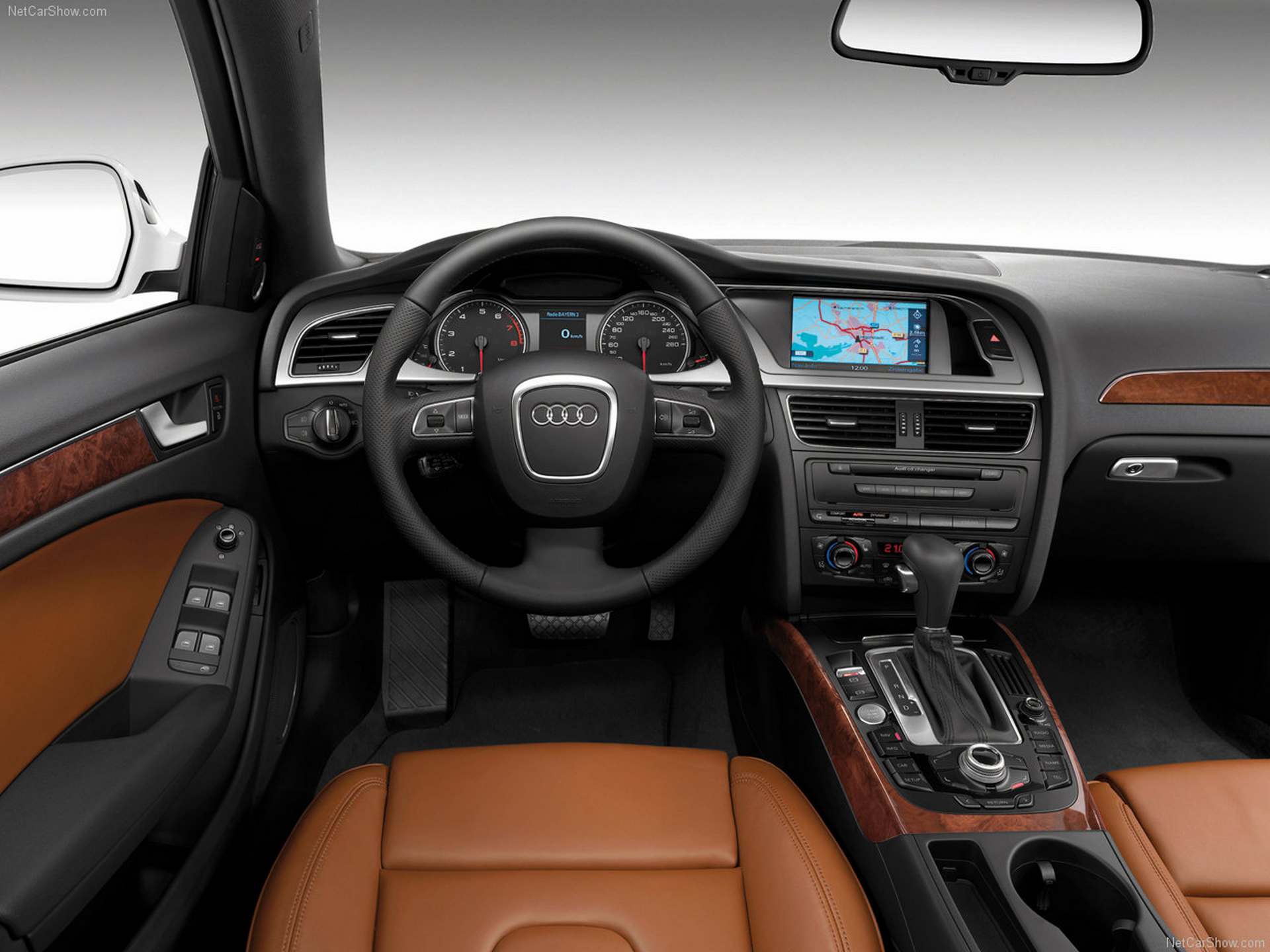
As someone who’s only interacted with Audis from afar, I enjoy the B8 and B9 without much preference. The B8 still looks lovely, but it can’t help but feel a little dated, while the B9 keeps on with the A4 being an attractive machine. However, the one thing the B8 will always have on its successor is the Avant (wagon) body style. Americans have access to the B9 allroad Avant, but not as a standard A4 as we had with the B8.
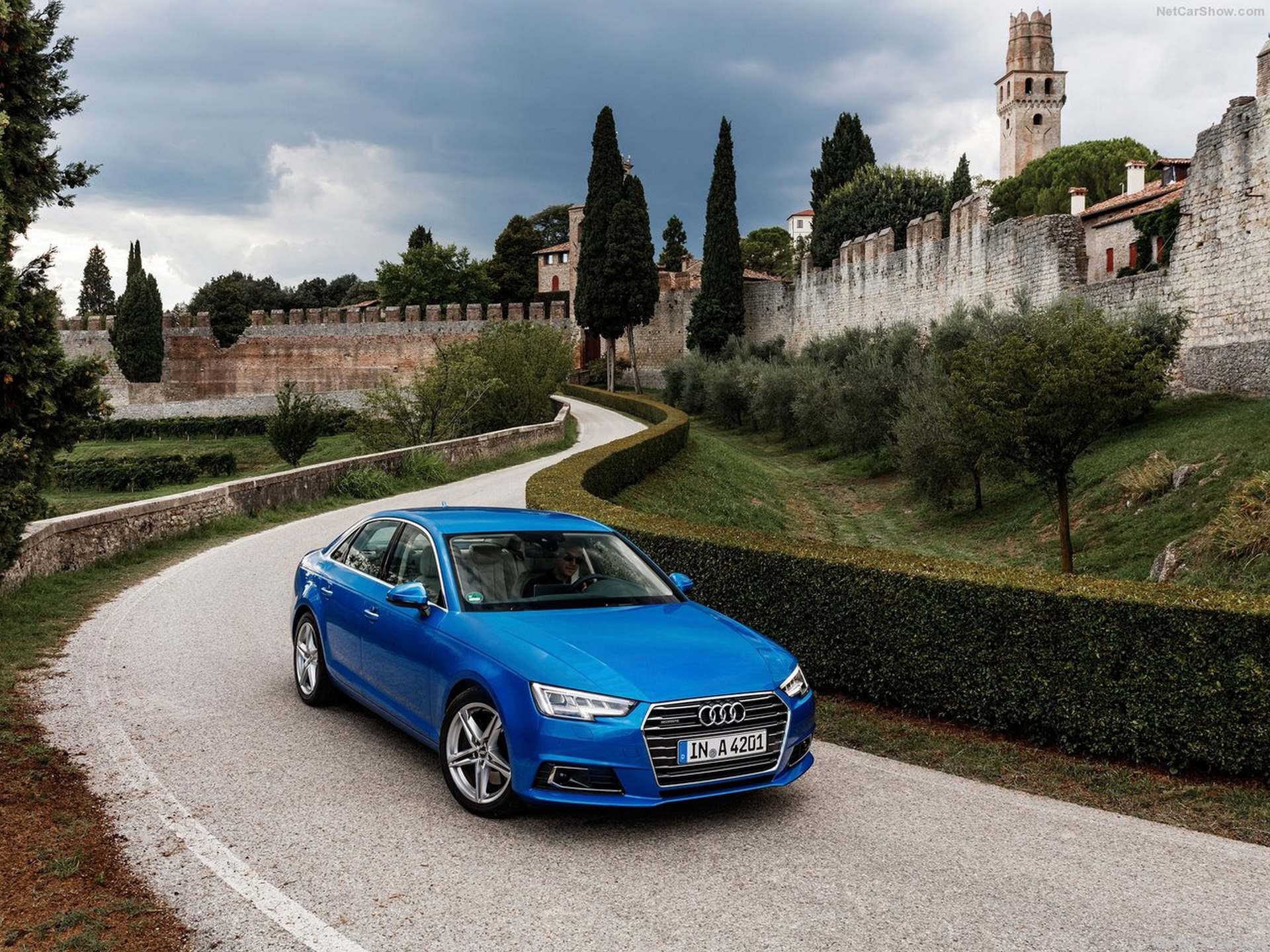
Things change inside the respective cabins. You can do a lot with styling, but out-of-date infotainment is tricky to navigate. Both interiors are stylish without being too busy, featuring soft-touch and upholstered surfaces broken up by large bits of inlay trim. The latter are typically piano black, some form of aluminum, or carbon fiber. Seat options and upholstery are similar, with a standard seat available in a few colors and a leather option. Beyond that, the B9 runs away a bit with its amenities.
Most B9 drivers see Audi’s virtual cockpit digital dash, a 60fps 12.3-inch display powered by an NVIDIA® quad-core graphics unit, front and center. It's configurable and displays almost anything you’d want or need to see as a driver. Next to that is one of two MMI screens, depending on the model year. The B8 had its MMI screen set into the dash, but its successor pulled it out and set it atop, as is commonplace with modern vehicles. Early models have a seven-inch screen and the MIB system, while later ones have a ten-inch screen and the RMC system. Infotainment functionality is miles quicker and better defined than the 3G MMI in the B8, but aftermarket retrofit kits are available for bigger screens and wireless Apple CarPlay connectivity. You can have three-zone climate control in both generations, but only the newer one has it as standard. It also has LED ambient lighting, which the older one lacked.
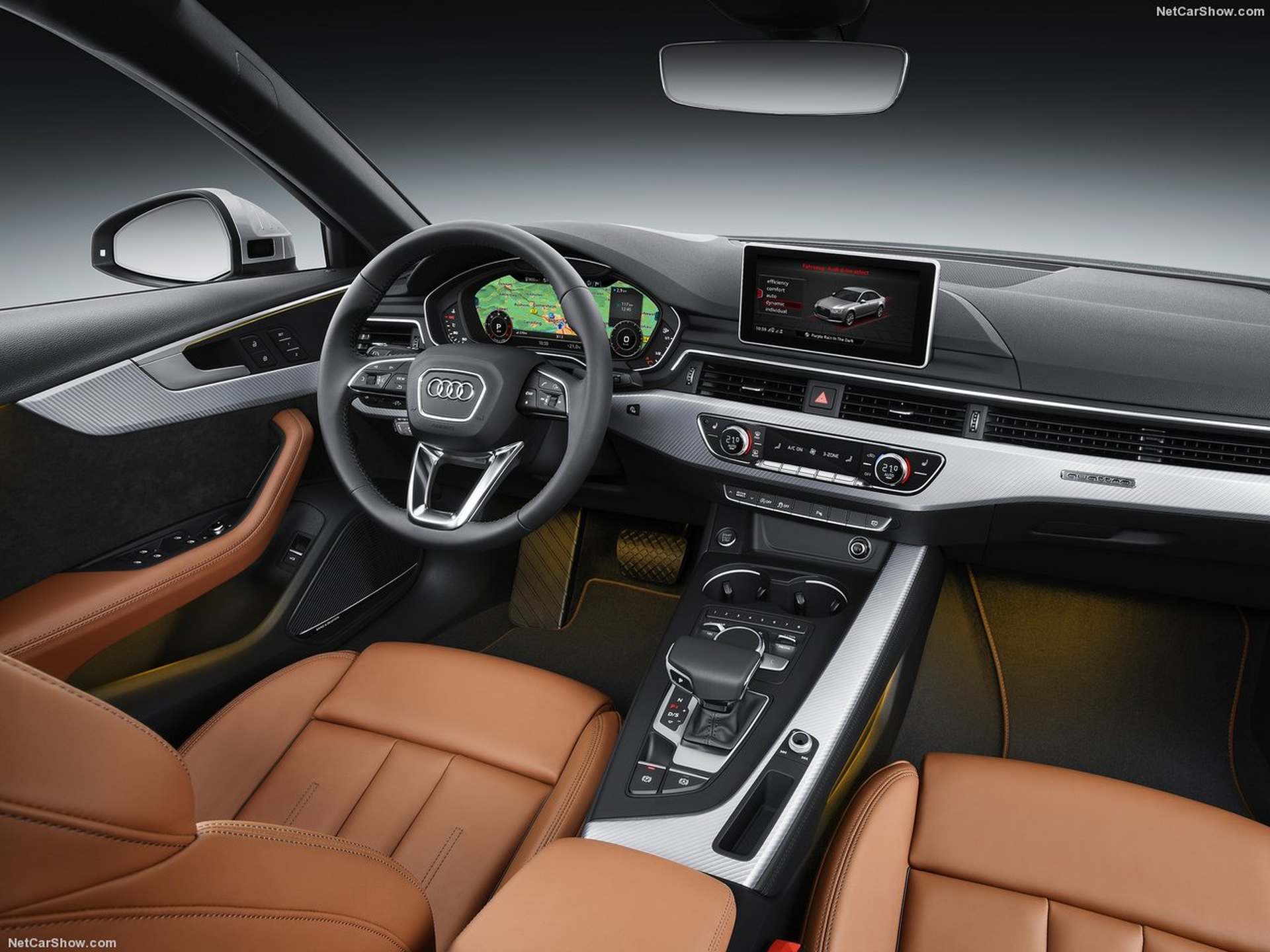
I could continue to go into detail, but know that the B9 will always be the nicer place to sit and drive for many reasons. B8s can be modified to come close, but the newer A4 will have the edge.
Used Pricing
The newer car has more features, a more reliable engine, and a better chassis; who could’ve guessed that? But as much as we’d like only a vehicle’s features to determine purchase, the monetary cost is typically at the top of our minds. That’s where the B8 can claw back some benefit, as you can find them for little money.
The price variance for B8 A4s is pretty broad, from around four grand for the worst example early model to nearly $20,000 for a low-mile B8.5. However, most examples sit below/around the $10,000 mark. These are early and late models with between 100,000 and 200,000 miles on them, and not much of a complete service history. Post-2012 models are the best buy thanks to the updated engine internals, but PCV issues can still be present. Consider the potential maintenance costs before you close on a “good deal,” too. FCP Euro is happy to supply you with whatever parts and tools you need, but life is objectively easier when our vehicles function correctly.
The B9, being newer, more reliable, and technologically advanced, is more expensive. Early B9s with many miles are just dropping into the four-digit range, but it's nearly impossible to touch a B9.5 without doubling that figure. Planning to spend around the mid-teens on a B9 should give you a decent sample size, with solid early examples and some facelifts available.