
.jpg)
.jpg)
.jpg)
.jpg)
BMW G05 X5 & N63 Engine
- BMW G05 X5 (N63 Engine) Fluids
- BMW G05 X5 Drivetrain Maintenance & Issues
- Differentials & Transfer Case Fluid Service
- BMW G05 X5 Suspension, Chassis, & Brake Maintenance & Issues
- BMW G05 X5 xDrive50i Suspension & Brake Guide
- Front Suspension Control Arm & Tension Strut Maintenance
- Front Brake Pads & Rotors
- Rear Brake Pads & Rotors
- HVAC Blower Motor Maintenance
- Sunroof Seal Failure and Leaks
- Active Grill Shutter Replacement
- Liftgate Support Strut Replacement
- BMW N63 Engine (G05 X5) Maintenance & Issues
- Engine Air Filter Service
- Oxygen Sensor (O2 Sensor) Replacement
- Water Pump and Thermostat Replacement
- Engine Oil & Filter Change
- Thermostat Replacement
- Engine Mount Replacement
- BMW G05 X5 Specifications
- BMW N63 Engine Specifications (G05 X5)
The BMW X5 (G05) is the fourth generation of BMW's X5 Sports Activity Vehicle, introduced in November 2018 as the successor to the F15. The X5 nameplate traces back to 1999, when the original E53 effectively created the premium SAV segment -- a category BMW has continued to define with each successive generation.
Compared to its predecessor, the G05 grew modestly in length, width, and wheelbase, though extensive use of diecast aluminum for the doors, hood, and front panels alongside ultra-high-strength steel kept the body weight in check, reducing it by approximately 15.5 kg while improving structural rigidity and crash performance. Visually, the generation is distinguished by its wider, more upright kidney grille, which is visually separated from the headlights for the first time.
The G05 introduced a number of technical firsts for the X5 and BMW X lineup more broadly. The previous integral rear axle was replaced by a five-link independent rear suspension, and Electronic Damper Control became standard equipment. Optional systems included Electric Active Roll Stabilization, Integral Active Steering with rear-wheel steering, and an xOffroad package combining two-axle air suspension with an electronically regulated rear differential lock. A brake-by-wire system (DSCi) and BMW's Back-up Assistant, which automatically retraces the last 50 meters of a journey, were also introduced on this generation.
Engine N63 |


SKU:
KIT-11427583220KT12
QTY
$162.45+
| ||||
Transmission ZF 8HP |

| ||||
| Differentials | Add your vehicle to the vehicle selector to browse differential fluid kits for your car as options are extensive based on your year, make, and model combination. | ||||
| Brake |

|
Differentials & Transfer Case Fluid Service
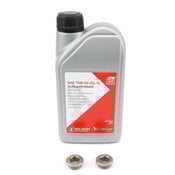
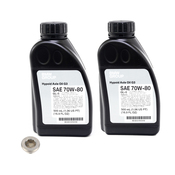
This service involves replacing the fluids in the front differential, rear differential, and transfer case of a BMW G05 X5 equipped with the N63 engine. These components allow power to reach the wheels and facilitate smooth cornering. While BMW labels these as lifetime fluids, the internal lubricants break down over time due to friction and heat cycles. Fresh fluid is necessary to protect the internal gears and clutches from premature wear.
Commonality and Symptoms
BMW recommends these fluids last the life of the vehicle, but enthusiasts and technicians disagree. Drivetrain fluid degradation is a frequent issue for G05 X5 owners, often surfacing between 30,000 and 60,000 miles. Shuddering, binding during tight turns, or unusual noises from the center of the vehicle typically indicate a problem. Failure to service these fluids can lead to catastrophic failure of the transfer case or differentials. Diagnosis involves a test drive to feel for vibrations and using a scan tool to check for VTG (Transfer Case) oil wear fault codes.
Unique G05 Service Requirements
The G05 X5 chassis presents specific challenges for drivetrain maintenance. The transfer case lacks a traditional drain plug, meaning fluid must be extracted through the fill hole. Most importantly, the vehicle requires an OBDII scan tool to enter a specific service mode. This electronic procedure opens internal flaps within the transfer case to allow for a complete fluid extraction. Additionally, the front differential has a strict fill capacity of 600ml. Filling it until fluid leaks from the fill hole results in an overfilled state, which can cause fluid to blow out of the ventilation opening during operation.
Service Overview and Required Tools
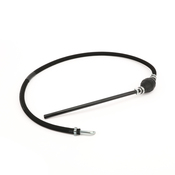
The fix for contaminated or worn drivetrain fluid is a complete exchange. This involves removing underbody shielding and support braces to reach the fill and drain locations. Technicians use a suction tool with a custom-bent line to reach the bottom of the gear housings. Once the old fluid is removed, fresh gear oil is pumped in. After refilling the transfer case, a scan tool must be used to reset the oil wear adaptations and calibrate the unit.
Cost Comparison
Dealerships often charge high labor rates for these services and may even refuse the work by citing the lifetime fluid policy. Performing this maintenance as a DIY project ensures the job is done correctly while saving hundreds of dollars in labor. The specialized BMW drain tool is a one-time investment that simplifies future services.

BMW G05 X5 xDrive50i Suspension & Brake Guide
Front Suspension Control Arm & Tension Strut Maintenance
This service involves replacing the upper and lower control arms on a BMW G05 X5. The control arms are critical components that connect the wheel hub and steering knuckle to the vehicle frame. They allow the suspension to move up and down while maintaining proper wheel alignment. On the BMW G05 X5, the factory control arm bushings are often hydraulic-filled to provide a smooth ride. Over time, the rubber degrades, leading to tears and the leakage of hydraulic fluid. This failure results in poor handling, increased tire wear, and a loss of steering precision.
Commonality and Diagnosis
Suspension wear is a typical maintenance item for BMW vehicles, especially heavier models like the X5. While there is no set service interval from the manufacturer, these components usually require inspection or replacement between 50,000 and 90,000 miles. Drivers should look for visible leaks of dark hydraulic fluid from the large bushings. Physical symptoms include squeaking noises over bumps, binding during steering maneuvers, or clunking sounds. A visual inspection often reveals cracks or complete tears in the rubber bushings.
Unique G05 X5 Design Considerations
The G05 X5 suspension architecture creates specific challenges for the upper control arms. Access to the mounting bolts for the upper arms requires the removal of several engine bay components, including the factory strut tower braces and the engine control module. The vehicle weight and the heavy N63 engine place significant stress on these joints. Unlike some older models, the G05 X5 requires precise measurements to set the control arms at ride height before final tightening. Failure to pre-set the arms to the correct angle will cause the new bushings to bind and fail prematurely.
Service Overview and Required Tools
The fix for failing bushings and ball joints is the installation of new control arm assemblies. This process involves lifting the vehicle, removing the wheels, and supporting the steering knuckle with a jack. Technicians must disconnect the air suspension or strut assembly to clear a path for the control arm removal. A critical part of the reassembly involves using a jack to compress the suspension to a specific measurement (160mm from the hub center to the fender arch) before torquing the bolts. This ensures the bushings sit in a neutral position when the car is on the ground.
Cost Comparison
Dealerships often charge a premium for front-end suspension work due to high labor rates for engine bay disassembly and the cost of Genuine BMW parts. Choosing high quality aftermarket or OE components like Meyle HD or Lemforder provides a more durable solution at a lower price point. Meyle HD components often feature solid rubber bushings rather than hydraulic ones to extend the service life of the part.
Front Brake Pads & Rotors
This service involves the replacement of the front brake pads and rotors on a BMW G05 X5 equipped with the N63 engine. Braking systems are critical safety components that rely on friction between the brake pads and the circular rotors to stop the vehicle. Over time, the heat and pressure generated during stopping cause the pad material to thin and the rotors to wear down or warp. For a heavy vehicle like the X5, maintaining these components is essential to ensure consistent stopping power and passenger safety.
Commonality and Diagnosis
Front brake replacement is a standard maintenance task for all BMW vehicles. On the G05 X5, owners can expect to perform this service every 50,000 to 70,000 miles. Diagnosis is straightforward because the vehicle features an integrated brake pad wear sensor. When the pads reach a minimum thickness, a service notification appears on the instrument cluster. Drivers may also notice physical symptoms such as vibrations in the steering wheel or brake pedal, squeaking sounds, or a general decrease in braking performance.
Unique G05 X5 Considerations
A unique requirement for the G05 X5 involves the optional air suspension system. If the vehicle has this feature, you must disable the air suspension before lifting the car with a jack or hoist. Failure to do so can cause the system to attempt level adjustments while the wheels are off the ground, which leads to potential component damage. Additionally, the G05 uses high performance fixed calipers that require a specific sequence to remove the retaining pins and internal clips that hold the pads in place.
Service Overview and Required Tools
The fix for worn brakes consists of removing the old pads and rotors and installing fresh components. This process requires thorough cleaning of the hub assembly to ensure a flat mating surface for the new rotor. Applying a light coating of brake assembly lube to the contact points helps prevent noise and ensures smooth pad movement.
Cost Comparison
Dealerships charge a premium for brake services due to labor rates and the cost of genuine BMW parts. Choosing a DIY approach with an OE (Original Equipment) kit provides the same quality at a lower price point. The kit used in this guide features Zimmermann rotors and ATE pads, which are standard manufacturers for BMW.

Rear Brake Pads & Rotors
This service involves the replacement of the rear brake pads and rotors on a BMW G05 X5. The braking system is vital for vehicle safety and handling. Over time, the friction material on the pads thins and the rotors develop wear patterns or a heavy outer lip. This degradation reduces stopping power and can impact the electronic parking brake system. Regular maintenance ensures the vehicle stops consistently and prevents damage to the brake calipers.
Commonality and Diagnosis
Rear brake wear is a standard maintenance event for the BMW X5. While BMW does not specify a fixed service interval, these components typically require attention every 50,000 to 70,000 miles. Drivers can diagnose the need for replacement through several symptoms. Common signs include a brake wear warning light on the dashboard, audible squealing, or vibrations during deceleration. A visual inspection often reveals low pad thickness or a significant ridge on the edge of the rotor surface. Poor pedal feel and decreased braking performance are also key indicators that the system requires service.
Unique G05 X5 Considerations
The G05 X5 features an Electronic Parking Brake (EPB) system that distinguishes it from older models. This system requires the vehicle to be placed into a specific workshop mode before service begins. Workshop mode retracts the electronic parking brake actuators to allow for pad removal and piston compression. If the vehicle has the optional air suspension, that system must also be deactivated before lifting the car to prevent damage to the air bags. These digital steps are necessary to avoid mechanical failure or injury during the physical hardware replacement.
Service Overview and Required Tools
The repair involves transitioning the vehicle into service modes and then removing the rear wheels to access the braking hardware. The caliper and its bracket must be removed to reach the rotor. Service includes cleaning the hub surface to ensure the new rotor sits flat and lubricating the slide pins to prevent the brakes from seizing. Once the new hardware is installed, the technician must exit workshop mode and reset the brake service counter within the vehicle's onboard computer.
Cost Comparison
Dealerships often charge high labor rates for brake services due to the specialized scan tools and time required for the EPB and air suspension procedures. By performing this service as a DIY project, owners can save hundreds of dollars. The complete replacement kit for this vehicle costs approximately $350.

HVAC Blower Motor Maintenance
This service involves the replacement of the blower motor in a BMW G05 X5. The blower motor is a vital part of the climate control system. It functions as a fan that pushes air through the heater core for warmth or the evaporator core for cooling. This air then travels through the vents into the cabin. When this motor fails, the climate control system loses the ability to regulate cabin temperature or defrost the windshield. In the G05 X5, the unit is located behind the glovebox area and is accessible from the passenger side footwell.
Commonality and Diagnosis
Blower motor failure is a standard issue for BMW vehicles with higher mileage or age. Over time, the internal bearings of the motor dry out or accumulate dust. This friction leads to audible symptoms. Diagnosis of a failing unit is often straightforward. Owners will hear a high-pitched squeaking noise, a persistent grinding sound, or notice a significant drop in airflow despite the fan setting being on high. In some cases, the motor may stop working entirely. The video does not mention any specific check engine codes for this mechanical failure as it typically does not trigger the engine management system.
Unique G05 X5 Considerations
The G05 X5 chassis utilizes a specific blower motor design that fits tight against the cabin filter housing. While the N63 engine takes up significant space in the engine bay, the interior components remain separate but cramped. Accessing this motor requires the removal of the lower kick panel. The motor is secured by a combination of a locking plastic tab and three specific mounting points. Technicians must use caution when working in the passenger footwell to avoid damage to the fragile wiring harnesses for the footwell lighting and the nearby fuse box.
Service Overview and Required Tools
The fix for a noisy or dead fan is the total replacement of the blower motor assembly. The process involves removing the trim pieces under the dashboard to reveal the housing. Once the panel is out of the way, the electrical connector is removed. The motor is then unbolted and rotated out of its cradle. This task is a simple mechanical swap that restores full function to the heating and cooling system.
Part Links and Cost Comparison
The cost to perform this repair at a BMW dealership is significant due to labor rates and the markup on Genuine BMW parts. A dealership might charge several hundred dollars for the labor alone. Performing this as a DIY project provides a massive reduction in total cost. Using the link provided in the guide, the Genuine BMW part costs $320.


Sunroof Seal Failure and Leaks
This service addresses the failure of sunroof seals on the BMW G05 X5. The G05 chassis utilizes a panoramic sunroof system with perimeter and glass seals designed to keep the cabin dry. Over time, these rubber components shrink due to heat and environmental exposure. When the seals pull away from the corners, they allow excessive water to enter the sunroof rain tray. This volume of water overwhelms the drainage system and spills into the interior of the X5. Left unaddressed, moisture saturates the headliner and pillars, which puts sensitive electronic components at risk of permanent damage.
Commonality and Diagnosis
Shrunken sunroof seals are a frequent problem for the G05 X5. Owners report leak issues as early as 15,000 miles. Common signs of failure include water stains on the headliner, a musky or damp smell inside the interior, or standing water on the floorboards. In severe cases, the water causes various electrical malfunctions. Signs of electrical damage include failing AC control units, unresponsive microphones, or entertainment system glitches. Inspecting the corners of the sunroof glass for visible gaps in the rubber is the best way to identify the need for replacement.
Unique G05 X5 Considerations
The G05 X5 houses complex electronic modules in areas susceptible to sunroof leaks. Water intrusion can result in massive repair bills that occasionally exceed the value of the vehicle. This specific model features an optional Sky Lounge LED roof, which adds more electrical complexity to the glass assembly. Maintaining the integrity of the seals is vital to protect the integrated microphones, overhead control panels, and the floor-mounted wiring harnesses that manage the advanced safety and comfort systems of the vehicle.
Service Overview and Required Tools
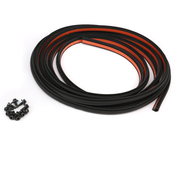
Fixing a sunroof leak involves the removal of the sunroof glass panels and the installation of updated seals. The process requires thorough cleaning of the frame to ensure a strong bond for the new adhesive-backed rubber. Proper glass height adjustment is necessary after installation to ensure the panels sit flush with the roofline. Using a specialized roller and height gauge ensures the seals compress to the correct specifications and provide a watertight barrier.
Cost Comparison
The cost for this service at a BMW dealership is high because of the labor involved in glass removal and precise alignment. Performing this task as a DIY project using the correct kits offers substantial savings while ensuring the electronics stay dry. Based on the parts used in this guide, the perimeter seal kit costs $125, and the glass re-seal kit is $32.



Active Grill Shutter Replacement
This service involves replacing the upper and lower active air grill shutters on a BMW G05 X5 equipped with the N63 engine. These components are motorized flaps located behind the kidney grills and in the lower bumper area. They open or close to manage engine cooling and vehicle aerodynamics. Over time, the internal motors can fail, or the plastic shutters can become obstructed by road debris, ice, or freezing rain. When these shutters fail to operate correctly, the vehicle engine management system triggers a fault to protect the engine from potential overheating.
Commonality and Diagnosis
Failure of the active air grill shutters is a frequent issue for the G05 generation of the X5. BMW has recognized this problem through the release of technical service bulletins and extended warranty coverage for certain models. Most failures occur between 40,000 and 80,000 miles, with 60,000 miles being the average lifespan. Diagnosis is straightforward as the primary symptom is a check engine light on the dashboard. Owners may also notice that the shutters remain permanently open or closed, or see visible damage or debris lodged within the slats.
Unique G05 X5 Shutter System
The G05 X5 is unique because it utilizes a dual shutter system consisting of an upper unit behind the kidney grills and a separate lower unit in the bumper. Both units rely on independent motors located in the center of the assemblies to drive the shutters. Because these parts sit at the very front of the vehicle, they are susceptible to environmental factors like dirt and salt. This makes the N63 engine in the X5 particularly prone to shutter related check engine lights compared to vehicles with traditional fixed grill designs.
Service Overview and Required Tools
The fix for a failed shutter system is the full replacement of the upper or lower assembly. While the job is not technically complex, it is tedious because it requires the removal of the front bumper cover and various plastic engine bay trims. The process involves disconnecting the battery, removing the front wheels for better access to the fender liners, and unplugging the electronic harnesses for the shutter motors and front cameras.
Cost Comparison
The cost to perform this repair at a BMW dealership is substantial due to the labor hours required to remove the front bumper and the high cost of Genuine BMW parts. By choosing to perform this task as a DIY project, owners can save hundreds of dollars in labor fees. Based on the parts used in this guide, the upper shutter assembly costs $303.99 and the lower shutter assembly costs $220.

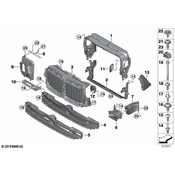
Liftgate Support Strut Replacement
This service focuses on replacing the motorized liftgate support struts on the BMW G05 X5. These components act as spindle drives that power the opening and closing of the rear tailgate. Unlike traditional gas struts, these units contain internal motors and electrical wiring. Over time, the mechanical components or internal motors wear out. This failure prevents the liftgate from operating correctly and poses a safety risk if the heavy gate falls unexpectedly.
Commonality and Diagnosis
Liftgate strut failure is a common issue as these vehicles age. These motorized units handle significant weight and undergo frequent cycles during daily use. Diagnosis is straightforward. You will often hear popping or grinding noises during operation. The liftgate might beep and stop moving halfway through its cycle. In some cases, the gate refuses to open at all or fails to stay in the upright position. No specific check engine light codes apply to this mechanical failure, but the vehicle might store body control module faults related to the tailgate drive.
Unique G05 X5 Design Features
The G05 X5 utilizes a sophisticated power liftgate system with integrated wiring harnesses. A unique aspect of this vehicle is the way the electrical connectors sit deep within the body cavity behind a rubber grommet. Accessing these wires requires careful removal of the grommet without damaging the surrounding paint or the rubber seal. The struts attach to the vehicle using metal clips on ball studs. These clips require a specific technique to release. Proper support for the gate is vital because once one strut is removed, the remaining strut cannot hold the weight of the tailgate.
Service Overview and Cost Comparison
The fix involves supporting the gate with a prop tool and releasing the old struts from their ball joints. Technicians must disconnect the electrical leads from the internal wiring harness before snapping the new spindle drives into place. Replacing these units at a dealership is expensive due to high labor rates and the cost of Genuine BMW parts. Choosing a DIY approach with OEM parts like Stabilus provides significant savings. Based on current parts pricing, the left side strut costs $220 and the right side strut costs $245.


Engine Air Filter Service
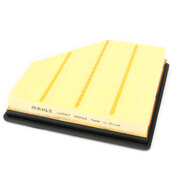
This maintenance task involves the replacement of the dual engine air filters on the BMW G05 X5 equipped with the N63 twin-turbo V8 engine. These filters serve as the primary line of defense for the engine, trapping dirt, dust, and road debris before they can enter the intake system. Over time, the filter media becomes saturated with contaminants. This restriction reduces the amount of clean air available for combustion, which often results in decreased engine efficiency and diminished power output for the X5.
Commonality and Diagnosis
Engine air filter replacement is a standard and frequent maintenance requirement for the BMW X5. While BMW service schedules suggest a 60,000-mile interval, technicians recommend a 30,000-mile interval to maintain peak performance. Diagnosis is performed through a visual inspection of the filter pleats. If the yellow media appears grey or contains visible debris like leaves, sand, or insects, the filters require replacement. There are no specific check engine codes mentioned in this guide, as the goal is to perform preventative maintenance before performance issues occur.
Unique X5 N63 Characteristics
The N63 engine in the G05 X5 is unique because of its "Hot V" configuration, which places the turbochargers between the cylinder banks. This layout requires a dual-intake system with two separate air boxes located on opposite sides of the engine bay. Unlike many vehicles that utilize a single filter, the X5 requires two distinct part numbers. Accessing these filters requires working around the factory strut tower braces. Another distinct feature of the G05 X5 air boxes is the use of captive screws, which remain attached to the cover to prevent hardware loss during the service.
Service Overview and Required Tools
To perform this service on the X5, you must access both the driver and passenger side air boxes. This involves removing the engine cover and loosening the intake boots and air box fasteners. The fix focuses on clearing debris from the housings and ensuring the new filters seat flat to prevent "unmetered" air from entering the engine.
Cost Comparison
The DIY cost is significantly lower than a dealership service visit. Based on the current pricing for the specific Mahle filters required for the G05 X5 N63 engine, the total parts cost is approximately $40. Dealerships typically charge a premium for these same components plus labor, often bringing the total to several hundred dollars.


Oxygen Sensor (O2 Sensor) Replacement
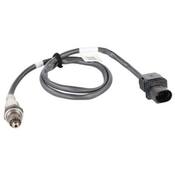
This service involves replacing the oxygen sensors on a BMW G05 X5 equipped with the N63 twin turbo V8 engine. Oxygen sensors monitor the level of unburned oxygen in the exhaust as it exits the engine. The engine control module uses this information to adjust the fuel mixture for optimal combustion. Over time, these sensors degrade due to extreme heat and carbon buildup. This degradation leads to inaccurate readings, which reduces the performance and efficiency of the X5.
Commonality and Diagnosis
Oxygen sensor failure is a common maintenance event for high mileage BMW vehicles. BMW recommends a service interval of 150,000 miles for these sensors, though many owners choose to replace them sooner if performance drops. Diagnosis typically begins with a check engine light on the dashboard. You might also notice rough idling, poor engine running conditions, or a significant decrease in fuel economy. Using an OBDII scan tool is the most effective way to identify specific fault codes that indicate which of the four sensors requires attention.
Unique N63 Engine Considerations
The N63 engine in the G05 X5 features a "Hot V" layout where the exhaust manifolds and turbochargers sit in the center of the engine. This design makes the upstream oxygen sensors unique because they are located directly under the air boxes. Access is tight and requires working around the factory strut tower braces. The electrical connectors and plastic holders are particularly fragile due to constant heat cycles. Technicians must use caution to avoid snapping these brittle components during the removal process.
Service Overview and Required Tools
The fix for faulty readings is the complete replacement of the sensors. This process requires accessing the top of the engine bay and the area near the turbocharger inlets. The task involves disconnecting fragile electrical harnesses and using specialized sockets to unseat the sensors from the exhaust stream.
Cost Comparison
The cost for this service at a BMW dealership is high because of the labor involved in accessing the "Hot V" components and the markup on Genuine parts. Performing this task as a DIY project using OE components offers substantial savings. Based on the parts used in this guide, a single upstream sensor costs $100, while a downstream sensor costs $215.

Water Pump and Thermostat Replacement
This service involves replacing the primary cooling system components on a BMW G05 X5 equipped with the N63 twin turbo V8 engine. The water pump and thermostat work together to regulate engine temperature. The water pump circulates coolant through the engine block while the thermostat opens and closes to manage flow to the radiators. Because the N63 is a high performance engine that generates significant heat, maintaining these components is vital to prevent overheating and severe engine damage.
Commonality and Diagnosis
BMW does not list a specific service interval for the water pump on the N63 engine. However, technicians at FCP Euro observe failures frequently between 60,000 and 100,000 miles. The thermostats on these vehicles are particularly prone to leaking. You can diagnose a failing system by looking for visible coolant leaks or a check engine light on the dashboard. Other symptoms include poor engine cooling performance, a grinding noise coming from the engine bay, or a lack of heat inside the cabin.
Unique N63 Engine Considerations
The N63 engine in the G05 X5 features a complex cooling system with multiple circuits and a "Hot V" layout. This design places the turbochargers in the center of the engine, creating high ambient heat that makes plastic cooling components and rubber seals brittle over time. Access is a primary challenge for this vehicle. The thermostat is located behind other components, and because it must be removed to reach the water pump, it is best to replace both parts at the same time to avoid redundant labor.
Service Overview and Required Tools
The fix involves a partial teardown of the top and front of the engine bay. This requires removing the plastic trim, factory strut tower braces, and the charge air cooling system. Once the technician removes the serpentine drive belt, they can unbolt the mechanical water pump and the attached thermostat. After installing the new parts, the system requires a specific electronic bleeding procedure that takes roughly eleven minutes to complete.
Cost Comparison
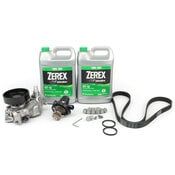
Dealership costs for this service are very high because of the labor time required to navigate the N63 engine bay and the high markup on Genuine BMW parts. Performing this task as a DIY project using an OE kit offers substantial savings. The kit listed below provides the genuine water pump, thermostat, drive belt, one-time-use hardware, and the required HT-12 coolant.
Engine Oil & Filter Change
This service focuses on the engine oil and filter replacement for a BMW G05 X5 equipped with the N63 twin-turbo V8 engine. Engine oil serves as the primary lubricant for internal moving parts and helps dissipate heat generated by the turbochargers. Over time, heat and combustion byproducts break down the oil, which reduces its lubricating properties. Regular maintenance prevents the formation of sludge and carbon deposits that can clog oil passages. Consistent oil changes are vital for the longevity of the N63 engine in the X5 chassis.
Commonality and Diagnosis
Oil changes are the most frequent maintenance tasks for any BMW owner. BMW suggests a 10,000-mile or one-year interval for this service. However, many technicians recommend a shorter 5,000-mile interval for the N63 engine to ensure the health of the turbochargers and internal seals. Diagnosis involves monitoring the service light on the instrument cluster or checking the vehicle status menu in the iDrive system. While no specific fault codes typically appear for a standard oil service, the system will notify the driver if the oil level drops below the minimum threshold.
Unique N63 Engine Considerations
The G05 X5 with the N63 engine lacks a traditional mechanical dipstick. Owners must perform an electronic oil level measurement through the iDrive infotainment system while the vehicle is at operating temperature. If the vehicle features air suspension, a specific lockout procedure is necessary before lifting the car to prevent damage to the suspension system. The N63 engine also requires a large volume of oil, with a capacity of 10.5 liters. This engine is known for oil consumption and potential leaks, making a thorough inspection of the underbody important during every service.
Service Overview
The solution for oil degradation is a complete fluid and filter exchange. This process involves draining the old oil from the engine oil pan and replacing the filter cartridge inside its housing. The technician replaces the drain plug gasket and the filter housing O-rings to ensure a tight seal. Once the system is sealed, the engine receives fresh synthetic oil that meets BMW LL-01 or LL-01 FE specifications.
Cost Comparison
Dealerships charge high prices for oil services due to labor rates and the markup on Genuine BMW synthetic oil. Performing this task as a DIY project provides significant savings while using high-quality Liqui Moly components. The comprehensive kit includes all 11 liters of oil and the Mahle filter required for the N63 engine.

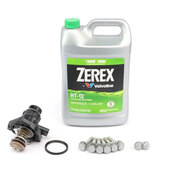
Thermostat Replacement
This maintenance task involves replacing the engine thermostat on a BMW G05 X5 featuring the N63 twin turbo V8 engine. The thermostat acts as a critical valve that regulates the flow of coolant between the engine and the radiator. Its primary purpose is to maintain an ideal operating temperature for the engine. When a thermostat fails, it typically sticks in either the open or closed position. A thermostat stuck open prevents the engine from reaching operating temperature, while a thermostat stuck closed causes the engine to overheat.
Commonality and Diagnosis
Thermostat failure is a frequent issue for the BMW N63 engine. These components typically fail between 40,000 and 50,000 miles, although some units exhibit issues as early as 20,000 miles. Diagnosis often begins when the driver notices poor heat production inside the cabin or a check engine light on the dashboard. Visual indicators such as coolant leaks near the front of the engine also suggest a failing unit. Using a scan tool is necessary to confirm cooling system performance codes and determine if the thermostat is the source of the problem.
Unique N63 Engine Considerations
The G05 X5 engine bay is dense and provides very little room for service. The N63 engine uses a charge cooler that sits directly in front of the thermostat, which necessitates significant disassembly. This vehicle also features many plastic clips and connectors that become brittle due to the high heat generated by the turbochargers located in the center of the V8 engine. Additionally, the G05 chassis requires a specific electronic cooling system bleeding procedure that must be performed through the vehicle dash once the repair is finished.
Service Overview and Required Tools
The fix for a failing thermostat requires draining the engine coolant and removing several major components to gain access. Technicians must remove the strut tower braces, the upper plastic trim, and the air intake boxes. The charge cooler must also be disconnected and moved out of the way. After the new thermostat is bolted in and the engine is reassembled, a vacuum fill tool is used to refill the system with fresh HT-12 coolant to ensure no air pockets remain.
Cost Comparison
Dealerships charge a premium for this service due to the extensive labor hours required to clear the engine bay and the high cost of Genuine BMW parts. Choosing to perform the repair as a DIY project using an Original Equipment (OE) kit provides a significant price advantage. An OE kit includes the thermostat, new one-time use hardware, and the necessary coolant for the job.
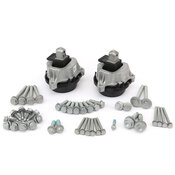
Engine Mount Replacement
This service involves the replacement of the engine mounts on a BMW G05 X5 equipped with the N63 twin-turbo V8 engine. Engine mounts serve as the critical connection between the engine and the vehicle chassis. They contain rubber and hydraulic fluid designed to isolate engine vibrations from the cabin. Over time, the weight and constant torque of the V8 engine cause these mounts to compress or leak hydraulic fluid. When the mounts lose their structural integrity, the engine sits lower in the subframe and transmits harsh vibrations directly into the vehicle body.
Commonality and Diagnosis
Engine mounts are wear items similar to brake pads or tires. As a BMW X5 ages and accumulates mileage, mount degradation becomes inevitable. Owners typically diagnose this issue by feeling excessive vibration through the steering wheel, pedals, or seats while the vehicle is idling. You may also notice a significant rocking sensation or a "thud" when the engine is under load, such as during aggressive acceleration, deceleration, or gear shifts. A visual inspection can confirm the failure if the rubber appears dry-cracked or if there are visible purple or black hydraulic fluid stains on the subframe.
Unique N63 Engine Considerations
The N63 engine in the G05 X5 presents a significant challenge for this repair due to limited space. Traditional repair procedures for this model often dictate a complete removal of the front subframe, a task that can exceed ten hours of labor. However, this specific vehicle allows for a more efficient method. By partially lowering the subframe and supporting the engine from below, the mounts can be swapped without disconnecting the entire front suspension and steering system. This approach requires precise management of the steering rack and air conditioning lines to prevent damage during the partial drop.
Service Overview and Required Tools
The solution for worn mounts is a total replacement of the mounting units and the associated "one-time use" stretch bolts. This process involves securing the engine with a support brace or jacks, loosening the subframe bolts, and creating just enough clearance to slide the old mounts out and the new ones in. The job is mechanical in nature and does not typically trigger check engine light codes, as these mounts are not electronically monitored on this specific platform.
Cost Comparison
Replacing engine mounts at a BMW dealership is expensive due to the intensive labor requirements and high markups on Genuine BMW parts. Choosing a DIY approach with a high-quality replacement kit provides a professional result at a fraction of the cost. The kit used for this BMW G05 X5 includes both engine mounts and all the necessary replacement hardware required for a safe installation.
BMW G05 X5 xDrive50i
Production Years | 2018–present |
Body Styles | 5-door SUV |
Platform Code | CLAR (Cluster Architecture) |
Wheelbase | 117.1 in (2,975 mm) |
Length | 194.3 in (4,936 mm) |
Width | 78.9 in (2,004 mm) without mirrors |
Height | 68.0 in (1,727 mm) |
Curb Weight | ~4,740–5,370 lbs (varies by trim/powertrain) |
Weight Distribution | ~50/50 front/rear (approximate) |
Front Suspension | Double-wishbone (aluminum), optional air suspension |
Rear Suspension | Five-link independent (aluminum), optional air suspension |
Front Brakes | Ventilated discs, 4-piston fixed calipers (M Sport: 395 mm) |
Rear Brakes | Ventilated discs, single-piston floating calipers |
Steering Type | Electromechanical power steering (EPS); optional Integral Active Steering |
Fuel Tank Capacity | 21.9 gallons (83 L) |
Drag Coefficient | 0.32 Cd |
Engine Code | N63B44T3 |
Configuration | Twin-turbocharged 90° V8 |
Displacement | 4.4L (4,395 cc) |
Bore x Stroke | 88.3 mm × 89.7 mm |
Compression Ratio | 10.0:1 |
Aspiration | Twin-turbocharged (Hot-V / inboard turbo layout) |
Valvetrain | DOHC, 32 valves, Double VANOS + Valvetronic |
Fuel System | Direct Injection (High Precision Injection) |
Power Output (HP) | 456 hp (xDrive50i) / 523 hp (M50i) |
Torque Output (lb-ft) | 479 lb-ft (xDrive50i) / 553 lb-ft (M50i) |
Redline | ~6,500 RPM |
0–60 mph | ~4.6 sec (xDrive50i) / ~3.9 sec (M50i) |
Drive Type | xDrive (AWD, standard) |
Gearbox Options | 8-speed Steptronic automatic (ZF 8HP) |
Models/Trims | xDrive50i, M50i |
Production Years (in this chassis) | 2019–2023 |