Race cars are, most of the time, just modified street cars. But what’s actually different about them? Are there any parts, systems, or materials shared between the two? What parts on a race car can be applied directly to a street car, and vice-versa?
That’s what we’ve covered in our Race Cars Explained series.
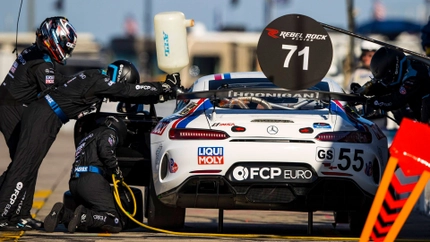
In our second episode, we focus on another crucial system of a race car—the fuel system. The fuel system is more involved than you might imagine, as it encompasses a multitude of components. Fuel cell, multiple fuel pickups working in unison, special fuel filling configurations, and even more accurate ways to measure the amount of fuel that remains in the car are just some of the many parts that make up the system.

The fuel cell is essentially the heart of the entire fuel system. On a standard street car, you have a basic plastic fuel tank that stores your fuel. On a race car, however, safety is crucial and basic fuel tanks won't cut it. A fuel cell is a rubber and Kevlar bladder that is encased in an aluminum tank. This provides strength and puncture resistance in the event of a racing incident.
Inside the fuel cell, you will find four fuel pickups and two fuel pumps. The pickups are located in the four corners of the tank to ensure that if fuel were to slosh from side to side, there are always at least two pickups submerged in fuel. As added insurance to prevent fuel from sloshing, which would cause weight balance and distribution issues in the car, fuel cells have a sponge-like foam inside the bladder. This foam is less of a sponge, though, and just takes up the space in the tank rather than absorbing like a sponge would.

Beyond the fuel cell, Nate runs through how the Venturi effect is used within the fuel system instead of a mechanical system. I recommend watching the video linked above with included animations that help demonstrate the way the system works.

So fuel is stored inside the fuel cell and pumped out using a simple, yet clever, effect in fluid dynamics. But what about the fuel itself? Our TCRs use 100 octane fuel, unlike road-going cars that use anywhere from 87 to 93 octane. As Nate explains, you would think that 100 octane fuel would be more volatile, but it's quite the opposite. Higher octane means a higher resistance to combustion, allowing the engine to run hotter and be tuned more aggressively, ultimately resulting in higher performance.

The remainder of the components are best demonstrated by Nate in the video above, which I highly suggest scrolling back up to watch.
There are so many more systems, like chassis reinforcements, safety, and engine performance, that we’re going to dive into this series. The first episode covered race car braking systems and how they differ from the street car you drive every day. If any of that interests you, check out the search function on the Blog. There are lots of great articles and resources on all areas of your vehicle.