The last thing you should want for your vehicles is less power and worse fuel economy, but that’s where neglected maintenance can get you. Servicing your vehicle is the best way to avoid that, and there are lots of areas that’ll need it. Oil changes and air filter replacements are some of those jobs, but ignition services typically fall under that category as well. Ignition-related faults can plague your vehicle for thousands of miles without becoming apparent enough to trigger a major warning before failing altogether. Along with worsening fuel economy and reduced power, there are a few other symptoms to look for and a few ways to ensure the ignition coil is the issue.
Ignition Coils: Critical To Your Modern Ignition System
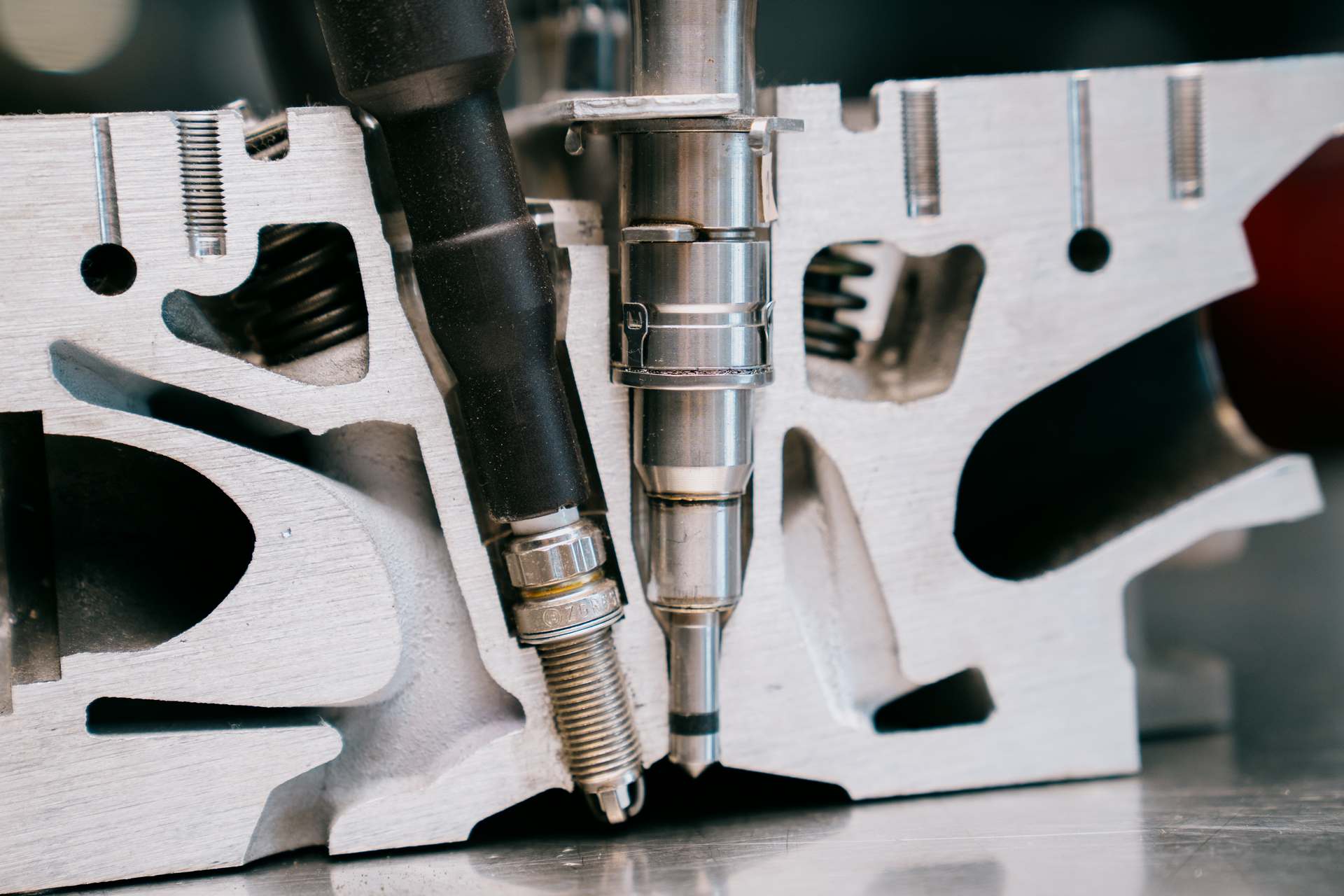
Weakening or failed ignition coils are a universal engine fault. Coil-on-plug-style ignition with individual ignition coils has been the go-to system for the last couple of decades, and you can find it on every European engine, as well as most from the rest of the automotive world. It’s the most advanced form of ignition we have, taking its cues from a computer that can adjust spark timing to within fractions of seconds. That capability has allowed automakers to raise compression ratios and push ignition timing, especially in turbocharged applications, resulting in the ever-efficient and powerful combinations our favorite makes are currently stuffing into their newest vehicles.
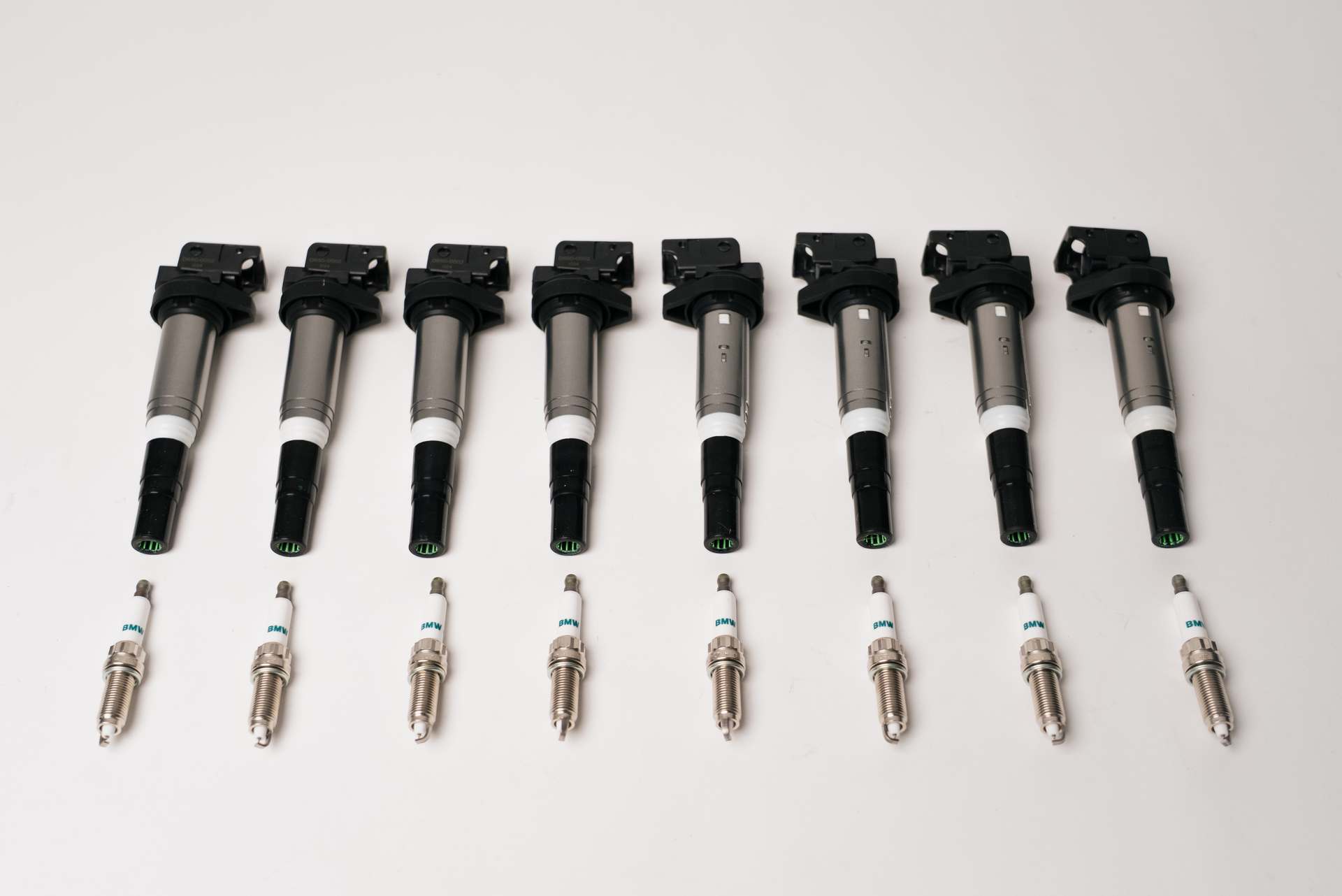
Despite the precise nature of the modern ignition system, the individual ignition coil remains a wear item with a pretty general replacement interval. The average ignition coil should last anywhere between 60,000 and 80,000 miles, but that depends on factors like performance modifications, engine condition, and driving style. It’s not unheard of to hear coils lasting beyond 100,000 miles or as little as 30,000 miles, but that’s rare. More than likely, one will fail within the average range, and you’ll replace the entire set.
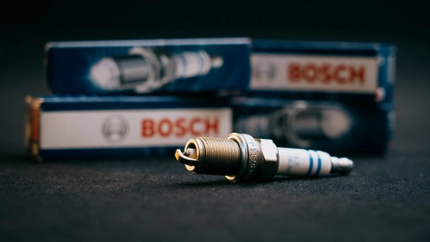
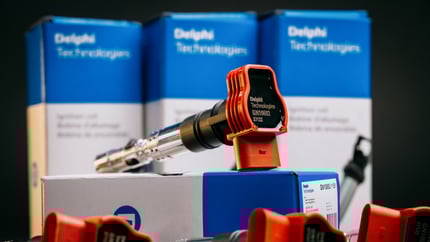
Because igition coil replacements are so common, we’ve assembled thousands of kits featuring coils and spark plugs to get your ignition system right with one click. Vehicles somewhat known for coil issues, like the 996/986 and older Volkswagens and BMWs, will have multiple options to choose from as several parts manufacturers offer their own components as a solution. Some of those may even be aftermarket coils engineered to produce a stronger spark to better work with other engine modifications. Installing those won’t be any different than the OE kind, so this may be a good time to make this supporting modification.
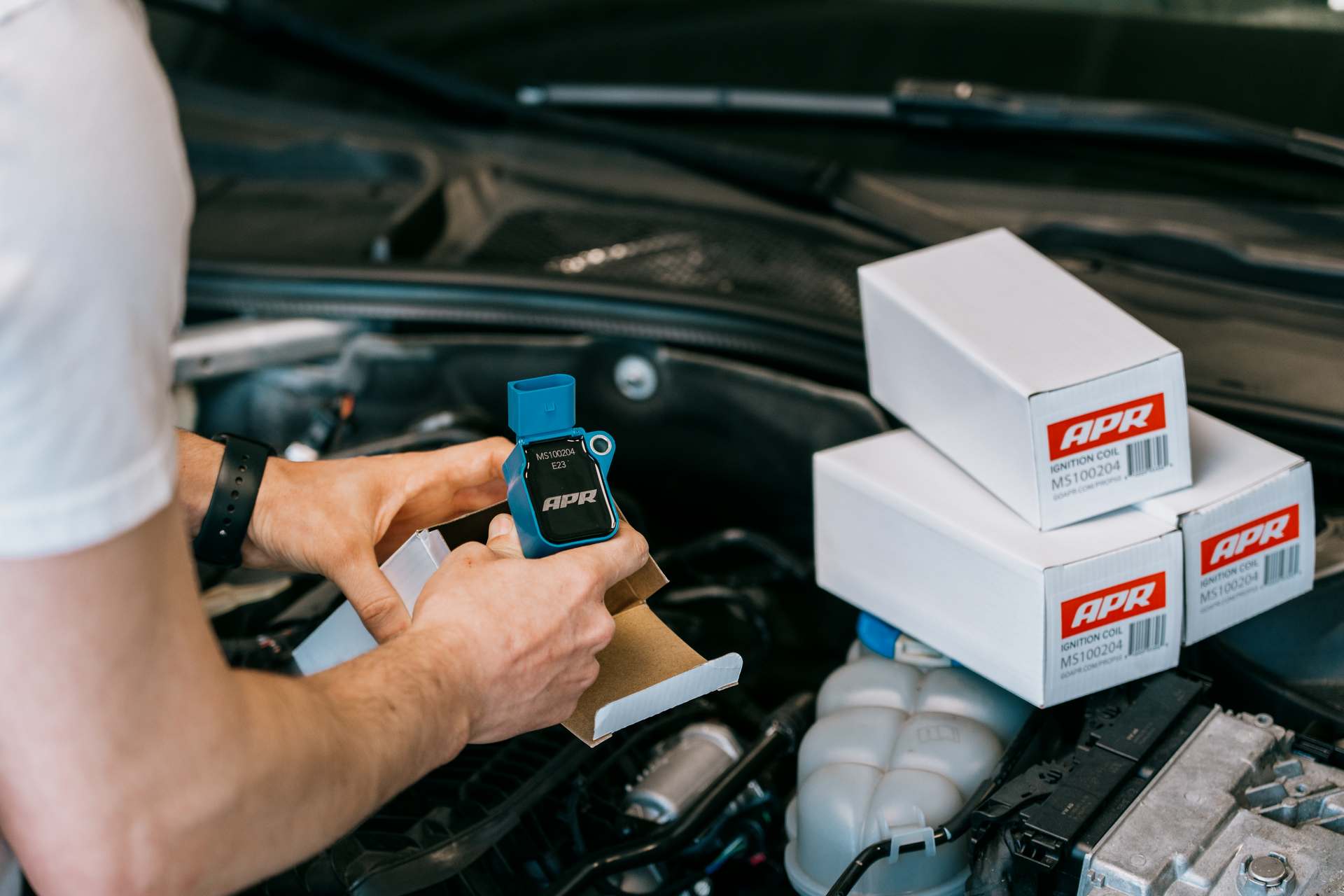
Regardless of which coil or kit you think you’d choose, you’ll still need to make sure that the ignition coil is the source of your concern or misfire code. Symptoms are relatively limited and somewhat vague, but a little bit of investigation should rule out other potential causes. Get to know the symptoms below and how simple it is to diagnose a bad ignition coil.
Symptoms Of A Bad Ignition Coil
Bad ignition coils have a main symptom and a few ancillary ones that help narrow it down. The main thing you’re looking for is an engine misfire, which can be difficult to spot early on. A misfire happens when a cylinder doesn’t fire on its compression stroke, in this case, due to a poor or missing spark. They can be intermittent on a weakening coil, often not triggering an engine code. However, they won’t get any better while still installed and will eventually stop working altogether, throwing an engine code. The blanket misfire code is a P0300, but the computer should be able to detect which coil is the culprit and point you to it. That’ll appear similar to the blanket code, but with the affected cylinder’s number as the last digit in the code, e.g., P0304 for a cylinder-four misfire.
Beyond that, you’re looking for more general issues such as long cranking times, reduced fuel economy, and reduced engine power caused by misfires under load. Longer cranking times are often connected to electrical system issues, and a quick battery voltage test should rule out a lack of power. Fuel system issues can also cause poor fuel economy and reduced power, but those are similarly quick to trigger a fault code, if not more so, due to their much more complex construction.
Unfortunately, the symptoms don’t always point you to the exact issue, but give you a general sense of where it might be. In that case, there are a few options you have to track down which ignition coil or coils are hampering your engine’s health. Just grab yourself the right tools and a bit of time to figure it out.
How To Diagnose A Bad Ignition Coil
Diagnosing an ignition coil is fairly straightforward. There are a handful of checks you can make to determine precisely which ignition coil or coils have gone bad, but not all may be needed. Simply follow the order below and go from there. Then, head over to our main site to search for an ignition coil replacement kit for your vehicle.
Check The Engine Computer
If you’ve experienced any of the symptoms above and have a steady check engine light, there’s something wrong with your vehicle. Before anything else, you should use your OBD-II code scanner to read the vehicle’s computer and find out the code that’s triggering the engine light. This will, by far, be your biggest help toward figuring out what’s going on with your ignition system. At the very last, there should be a P0300 code, and with any luck, an accompanying code from the affected cylinder.
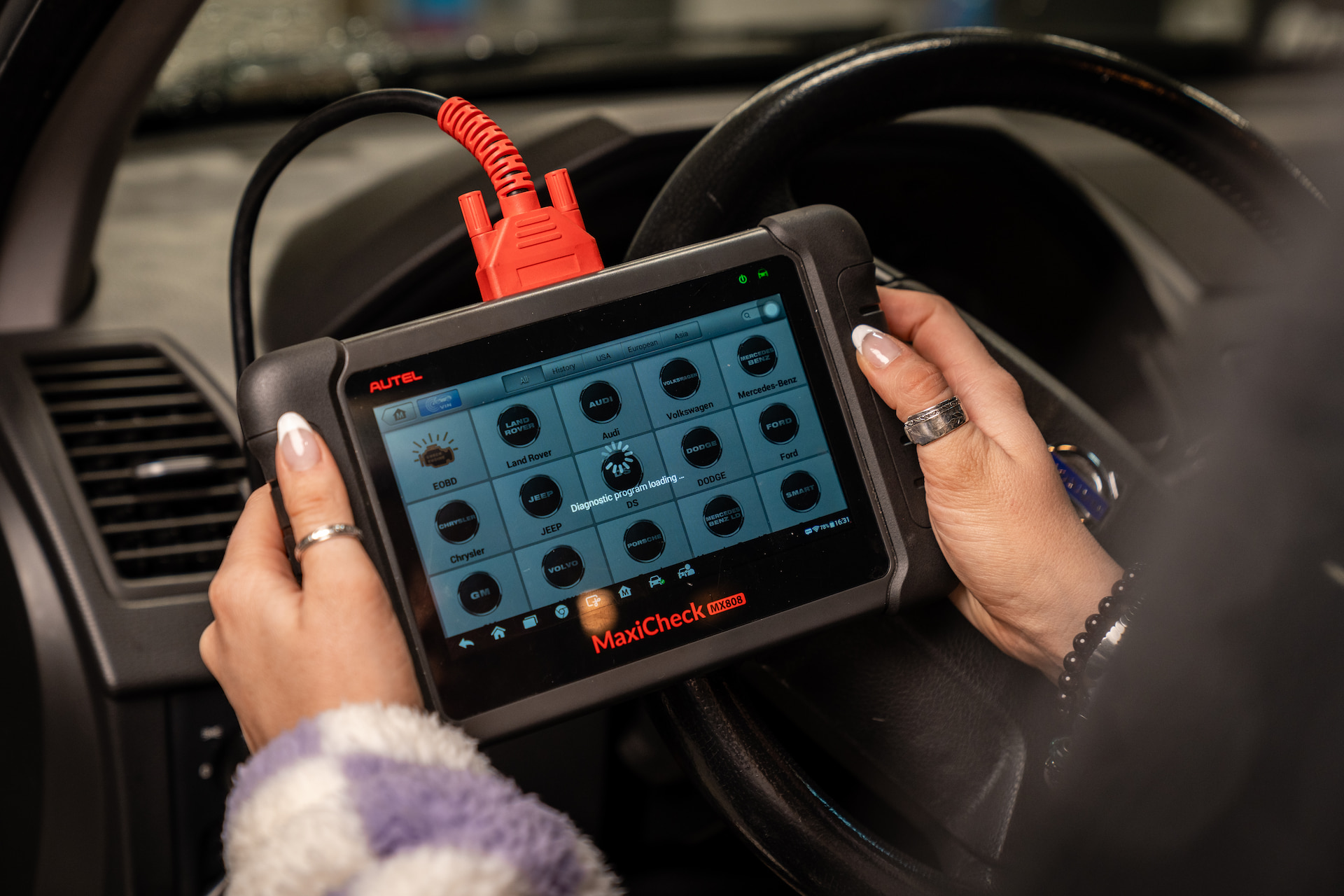
An OBD-II code scanner should be considered a basic tool for any modern car. At their most basic, they’re inexpensive and deliver vital information for tracking down faults within your vehicle. However, cars built within the last decade or so have more advanced functions that come up during servicing or repair that require a capable computer to activate them. Those tools can get pretty costly, but if you’re an avid DIY’er, they’ll allow you to take on many more repairs.
Visually Inspect The Ignition Coils
Whether an engine code is pointing you to a coil or you’re suspicious of it beforehand, you’re going to have to pop the hood and take a look at it. How easy that is depends on your cylinder arrangement and what sort of plastic covers might be in the way. Inline and Vee cylinder layouts should have coils accessible from the top of the engine, but horizontally-opposed arrangements can be more challenging, requiring you to get under the car. Either way, disconnect and remove the suspected coil and give it a thorough inspection.
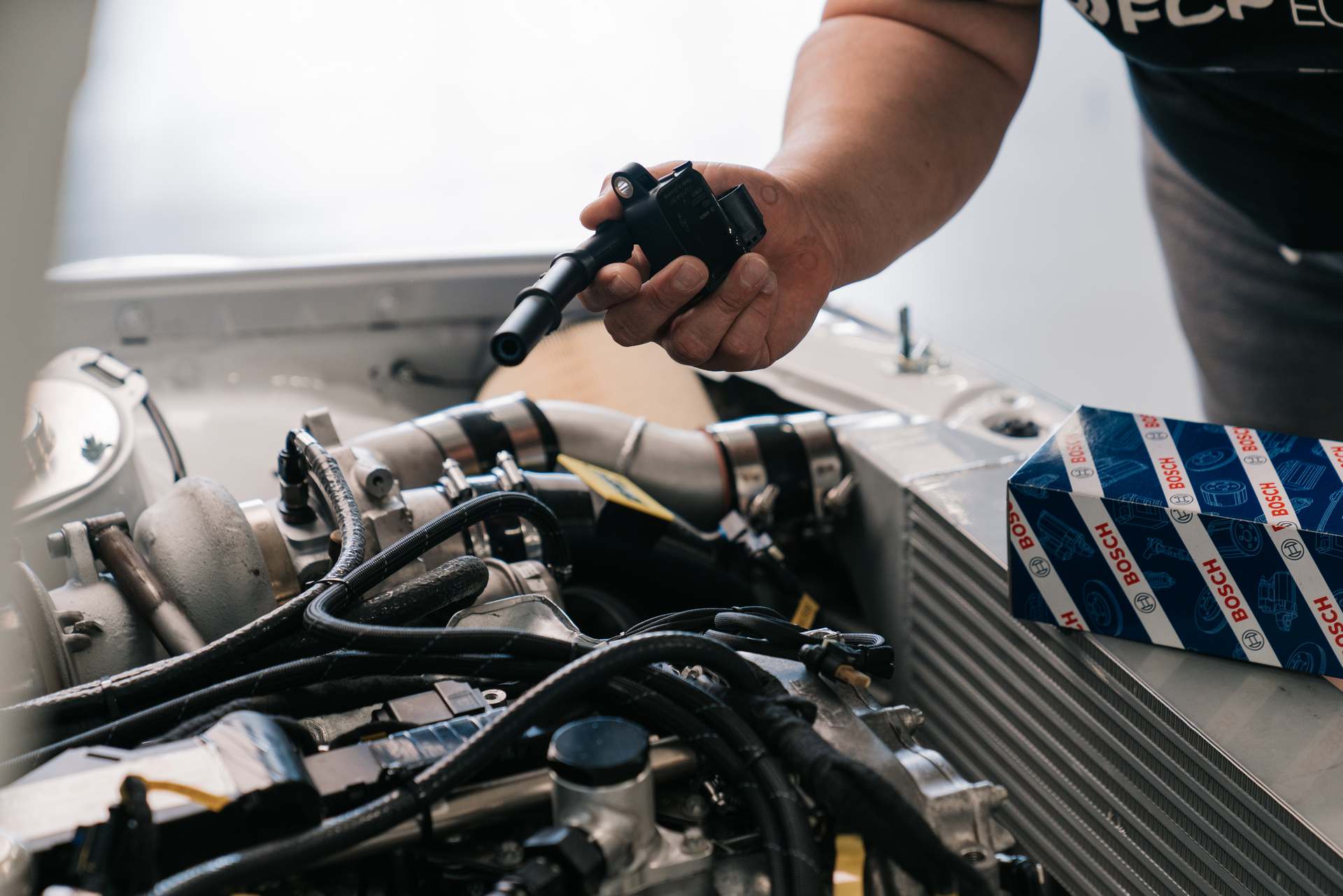
Cracks of any kind are immediate grounds for replacement, especially if any metallic components are showing through. It’s fairly common for these to appear lower on the coil boot, something you’d only see after removing the coil. Burnt connectors or wires are also a major issue, but not as common. There often needs to be an issue elsewhere, like a bad ground causing excessive resistance, for that to take place.
If nothing like that is present, move on to the next steps in the diagnosis process.
Swap Ignition Coils
Once you have narrowed down your coil or coils, you can run one of the simpler tests out there. Remove the suspected coil and a known good one, then swap them: put the good one in the cylinder where the misfire originated and the suspected coil in a cylinder without one. Then fire up the engine and see if the misfire moved to the other cylinder with the suspected bad coil. If the misfire moves with it, you can move on confidently knowing you’ve found the issue.
If that doesn’t solve the problem, or you’re unable to narrow it down to a single coil, you can test each coil individually.
Use A Multimeter
A multimeter is one of the more versatile tools you can have in your box, as it’ll be useful in every situation where a problem may be electrical, including testing ignition coils. It’s also required for this step, so don’t expect to do this test without one.

With the alleged coil removed, set your multimeter to its lowest Ohms setting to test electrical resistance. Then use the multimeter probes to touch the positive pin and ground pin on the ignition coil’s connector to test the primary side. Not all coils are made the same, so your exact resistance range may differ, but generally speaking, you’re looking to see between 0.3 Ω-1.0 Ω of resistance. If that’s alright, move on to the secondary side.
To test the secondary side, keep the ground probe on the ground pin, but move the positive probe to the bottom of the coil, where it touches the spark plug. There, you’re also looking for a general resistance range, though this one should read between 8.0k Ω-15.0k Ω. If either of those doesn’t return a number within spec, the coil has an internal issue and needs to be replaced.
With that, you should have enough to test your own ignition coils. From there, you should replace all of your ignition coils, as they’re all likely close to failing if one has already. You can coils paired with a fresh set of spark plugs in many of our Ignition Coil Replacement Kits on our main site. Then search the blog and our YouTube channel, where we may have DIY instructions on how to perform the job on your vehicle. If not, reach out to our customer service team, and you might see it in the near future.