- 08/01/2025
- 4 Min Read
- By: Christian Schaefer
Oil Change Basics: A Quick Guide For Simple Maintenance

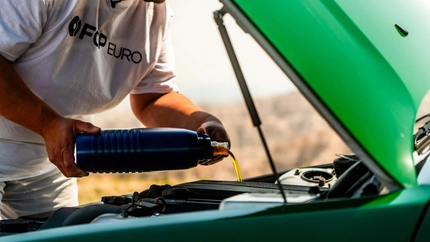
Beyond four wheels and an engine, the cars we drive and love can differ wildly. Shapes and sizes, weights and passenger seating all depend on what you have. However, the need for an engine oil change will remain constant, no matter what gasoline or diesel-powered vehicle you own.
Oil is the lifeblood of our engines; without it, they’d be fancy paperweights incapable of running for more than a few minutes. Oil provides all the lubrication within, ensuring everything moves happily and safely. Unfortunately, the extreme conditions within an engine are enough to break the oil down, reducing its best protective properties. For that reason, the oil needs changing, and that allows you to take control of your vehicle's health and replace it yourself.
Why You Really Need To Service Your Engine Oil
Engine oil is a magic sauce, in many respects, being the sole defender against metal-on-metal wear within your engine. It’s a complex blend of refined oil, engineered lubricants, and exotic metals designed to thrive in the pressures created within a running engine. However, engine oil wears down with use, like many parts of our vehicles. Typically, a 5000-mile oil change interval for any kind of engine oil is a smart bet. Modern synthetics are tough and can last longer without too much extra internalized wear, but the 10,000-mile interval a handful of manufacturers specify isn’t a good idea if you intend to keep the vehicle for a long time.
Changing your engine oil at the proper interval will lead to excessive internal wear. Parts like bearings, cylinder walls, and camshafts all rely on the oil’s lubricative properties, so continuing to use oil that has worn those down will result in grooves and scoring on them. Oil can also separate a bit, leaving sticky and thick deposits around the engine, eventually blocking passageways and reducing oil flow.
Parts Needed For An Engine Oil Change
OR
If you own a European vehicle, enter its information into the “My Garage” feature on our home page and then search for engine oil using the search bar or the categories on the left-hand side. All the oil options returned will be the right spec for your selected vehicle, including those in the FCP Euro Oil Change Kits. Rather than having you choose from the various oils, filters, and drain plugs to gather all of the parts you need, we do it for you, sending everything you need to your cart in one quick click. The kits are filled with high-quality oils from our most-trusted brands, and accompanying parts from OEs or OEMs in almost every one. Select one of these for your first oil change and you’ll never have to remember what you bought when it comes time to take advantage of the FCP Euro Lifetime Replacement Guarantee.
Tools Needed For An Engine Oil Change
These are the basics of what will get you a safe and tidy engine oil change, no matter the vehicle. It can be done with less, but having done many oil changes with compromises, I wouldn’t recommend going without these. This short list ensures you’ll have all the tools to do it right the first time and give yourself the confidence to tackle it in the future. We offer various options for each of the tools listed above, but we also offer this Essential Fluid Change Kit from Performance Tool, which includes a majority of those listed.
Basic Engine Oil Change Steps
These are the basic steps you can apply to nearly any vehicle out there. Some specifics may change, like positioning of the engine and location of the oil filter, but the process will have all the same steps. However, before you revert to this guide, make a search on our YouTube channel! It’s full of video DIYs on popular makes and models, so there’s a great chance that your’s is covered.
Step 1: Prepare The Car
Park the car on a flat surface
Open the hood
Jack up the vehicle
Lower it onto jack stands
Remove underbody protection to access the bottom of the engine (if applicable)
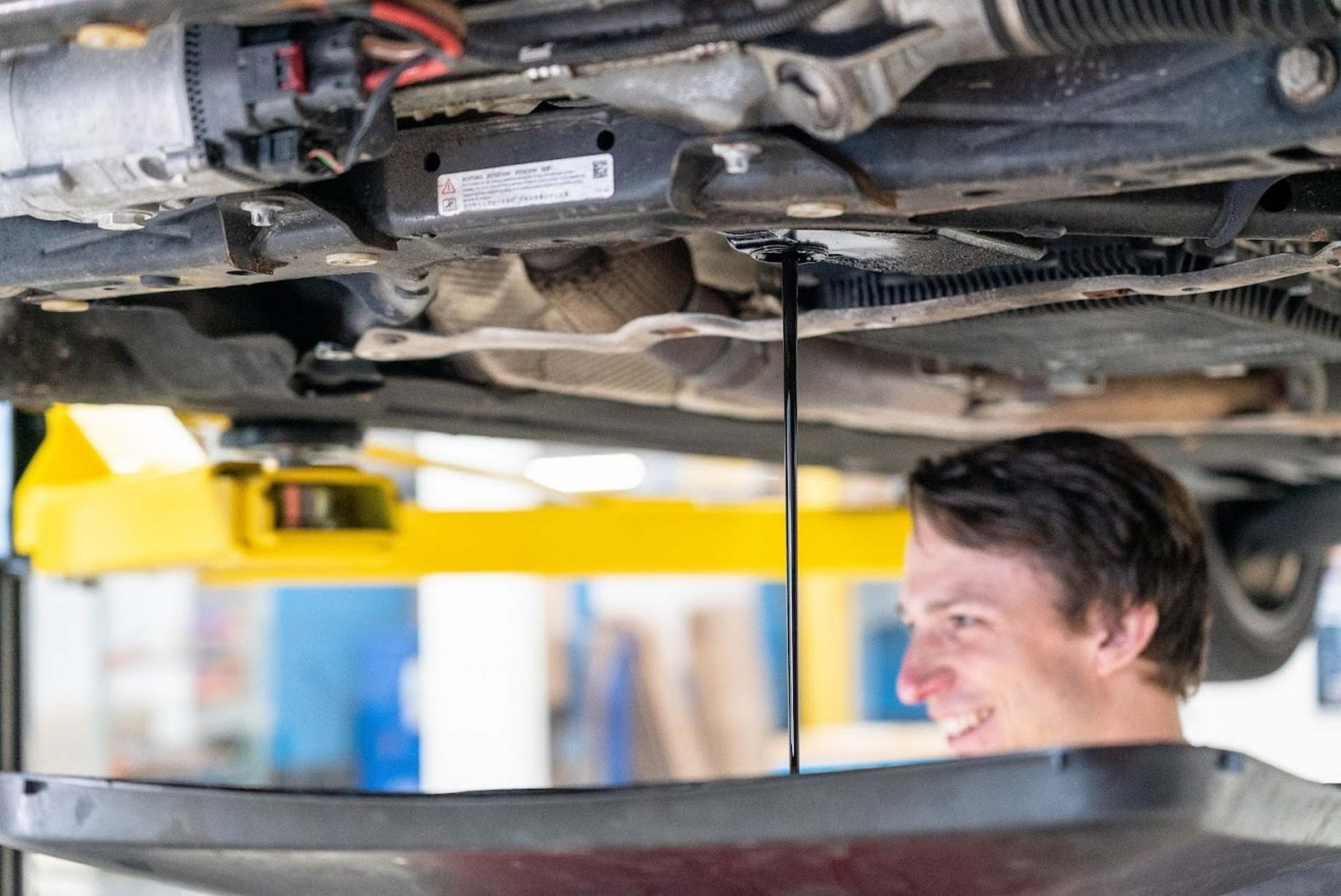
Step 2: Drain The Oil
Position the oil drain pan where the oil will fall
Loosen and remove the drain plug
Apply pressure to the plug while unthreading to prevent oil from seeping past and dirtying your hands
Allow oil to drain for a couple of minutes, or until drips are slow and infrequent
Use the new drain plug or sealing washer to reseal the oil pan drain port
Tighten to the specified torque value (if applicable)
Step 3: Replace The Oil Filter
Locate the oil filter
Some vehicles, like BMWs, use filter cartridges that sit in oil filter housings in the engine bay
Other vehicles use a more traditional spin-on filter canister accessible from beneath the vehicle
Remove the filter or filter housing cap with the applicable tool
Replace the filter or filter cartridge with the new unit
Filter cartridges should also come with a couple of O-rings for the filter housing; be sure to change those as well
Torque the filter or filter housing cap to the specified value
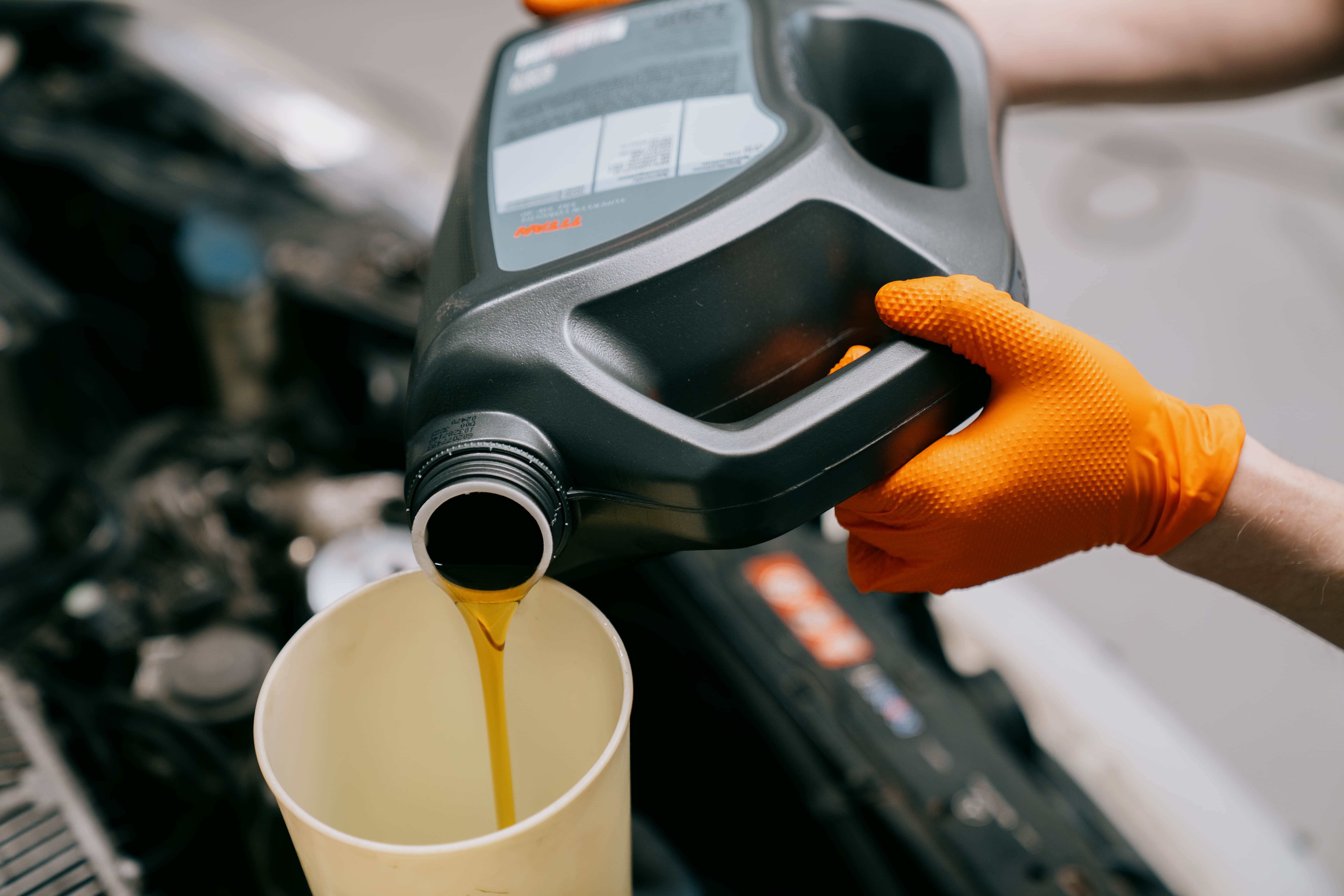
Step 4: Fill The Engine With Oil
Locate the oil filler cap and remove it
Insert the funnel and pour in the engine’s required amount of oil
Remove the funnel and replace the cap
Step 5: Place The Vehicle On The Ground
Refit any underbody panels removed from below the engine
Shut the hood and jack up the vehicle
Remove the jack stands and any other tools from beneath
Lower the vehicle to the ground
Tools That Will Make Any DIY Process Easier
There are many more tools that can make the DIY process easier in the future. They range from fairly heavy-duty to small and light, but each brings a unique benefit when working at home. Take a look at the list below and strongly consider one or two; we’re sure they’ll make you’re experience better!
Great for changing brake fluid or extracting engine oil on modern vehicles
Other Simple Maintenance You Can Perform At Home
Oil changes are just the start of the simple maintenance you can take care of at home. Dealerships and shops will charge significantly more for their parts and add labor on top, costing you an arm and a leg when there’s no need. Tasks like brake services, air filter changes, belts, and wipers are great ways to familiarize yourself with your car and save money. Check out our other guides for those processes that may help!
What's Under The Hood? A Beginner's Look Into A Car's Engine Bay
How To Safely Wash Your Car Without A Pressure Washer Using The 'Two Bucket Method