- 12/03/2025
- 3 Min Read
- By: Christian Schaefer
FCP Euro's Season of Fixing Winter Service Guide

While the weather outside isn’t yet quite frightful, this is the best time to ensure your driving this winter is delightful. Cold temperatures put extra stress on many of your vehicle's components, including the suspension, engine, and drivetrain. Breaking down at any point is a substantial problem, but doing so in the cold while en route to spend time with friends or family only exacerbates the situation. Rather than breaking the news to your family or breaking your wallet on a tow and repairs, take a look at this seasonal checklist of sorts for tips, tricks, and recommendations before this winter season.
Pre-Holiday Health Check - How’s Your Car?
All of the cars you’ve seen or heard about with odometers reading well over 200,000 didn’t make it that far without an owner or two performing regular health checks. They don’t have to be anything particularly major, but taking five or ten minutes under the hood and around the rest of the car to note the condition every month or so is a great place to start. If that’s something you don’t normally do, there’s no time to start like the present, especially considering the drop in temperatures that has arrived for many of us.
Take A Temperature Check - Does The Heat Work Well? Does The Vehicle Reach Operating Temperature?
We want you to be warm this winter season, and that includes your engine. Poor heat from your heater can mean several things, but they all stem from issues with your cooling system. Engines pump hot coolant into the heater core behind the dashboard, where fans blow air through it, pulling the heat from the coolant into the air and onto your feet, so any issue with that coolant means a chilly interior. A good place to start, if that’s the case, is simply watching your coolant temperature gauge (if you have one).
Overheating is bad, but so too is failing to reach a proper operating temperature. Engines are designed to operate optimally once the engine oil and coolant (air-cooled engines need not worry) reach 180°F; at this temperature, all the metal parts within the engine will have expanded to their designed size, and clearances for bearings and other moving parts are in the optimal range for safety. Failing to reach that mark means poor clearances and tolerances within, causing accelerated wear, along with poorer fuel economy, and a heating system that never gets warm enough.
The issue typically stems from the engine coolant thermostat being stuck in the open position. When operating correctly, the thermostat remains closed until the coolant temperature reaches approximately 180°F (82°C), at which point the temperature causes it to open, allowing the water pump to draw coolant from the radiator. If stuck open, the water pump will cycle all of the coolant through the cooling system from the initial start-up, which in winter weather will almost assuredly prevent your engine from reaching its operating temperature.
.jpg)
Though it could simply be that your engine is a little low on coolant, as without enough coolant flowing through the core, there’s not enough heat to be pulled into the air. Check your coolant level while the engine is COLD, and top it off as needed with some fresh Zerex coolant. Once you’re finished topping it off, inspect the engine bay and cooling system components, such as the radiator, hoses, and thermostat housing. Light-colored residue is a sign of leaking coolant, and the rapid expansion and cooling of the plastic cooling system components in cold weather will quickly exacerbate any leak.
Lights, Back-Up Camera, Action? - Ensure Your Electronics Can Handle The Cold
Moving a bit slower in colder weather is a universal experience. For us, it’s a struggle to leave the warmth of our homes and go outside, but for batteries, the weather slows down the chemical reactions that occur within them. It's those chemical reactions that give the battery its strength, so the colder the weather, the less energy is available from a fully charged battery. This most often appears in our vehicles as a longer engine crank time before starting, which isn’t a major issue as long as the car eventually starts.
A jump pack is an inexpensive piece of insurance against that issue, but that’s not the only part that may need attention due to the cold. Because the battery is down on available power, the charging system has to work harder to keep the battery adequately charged, putting more stress on the alternator and voltage regulator. But it’s cold outside and likely somewhat dark, so you have the lights, heater, heated seat, and infotainment system on, all of which are commanding electrical power. Put that together, and at its most disadvantaged is when we need the battery’s electricity most. Any weak link in the charging system is at risk of failure. Luckily, diagnosing issues within that system isn’t rocket science.
A few tools and a handy guide from your favorite European parts supplier's blog are all you’ll need to figure that out should anything arise.
Don’t Be Out Of Your (Tread) Depth - Tires Are Safety Item #1
Worn tires are already a risk in ideal dry weather, but add cold, wet, and icy conditions into the mix, and you’re asking for an accident. Tires are the only part of our vehicles that interact with the ground, so they need to be monitored and replaced when their tread depth reaches the minimum-rated limit. For most tires, the shallowest depth should be around 3.2mm (4/32 in.) for sufficient traction in dry conditions; therefore, anything less than that poses a risk in inclement weather.
.jpg)
A fresh set of tires is the only fix here. Used tires can be a stopgap in a pinch, but new tires are always your best option, as they can age out of range well before their tread is worn. Depending on where you live, the best option may be a summer or all-season tire on one set of wheels, and a dedicated winter tire set for snow. All-season tires will not perform well in the snow, despite the name, but if a slight dusting is all you see during the season, then you should be alright with them. If you can only have one set of tires and need to drive through snowy conditions, find one with an all-weather rating.
Shine Brightly - Maximize Your Visibility With Fresh Bulbs
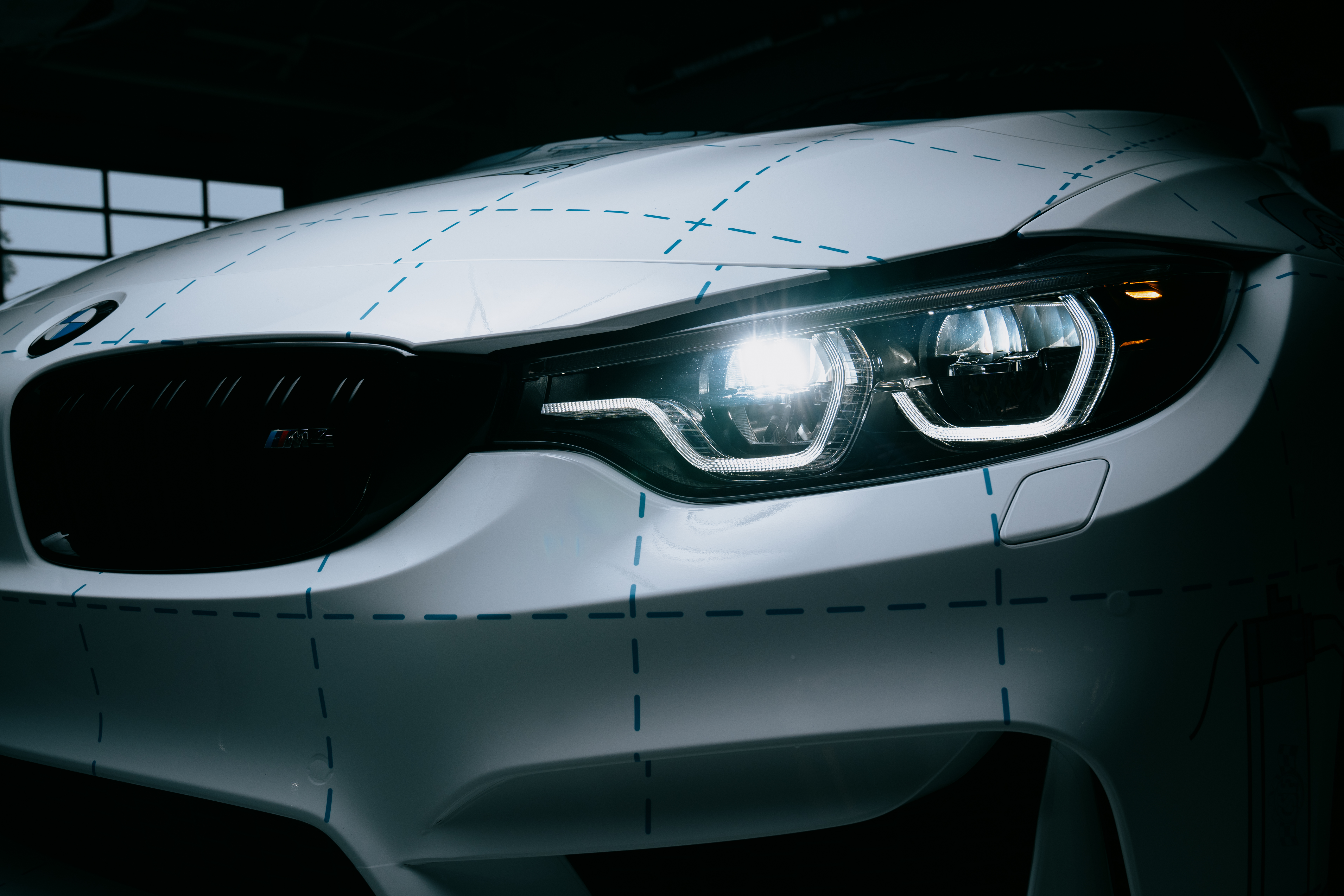
Arguably worse than the cold weather are the shorter days that come with it. That means more low-light driving than any other time of year, so you need to have as much visibility as you can. As such, this is an ideal time to address any dimming or burnt-out bulbs in your vehicle’s exterior lighting. Headlights, taillights, and brake lights are the most important of the bunch, but not the only ones around. Fog lights and parking lights can be just as essential, especially if you’re waiting in your car or driving through some treacherous weather.