Select your vehicle
Volkswagen Coolant Hose Connectors
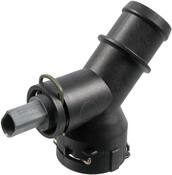

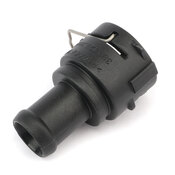
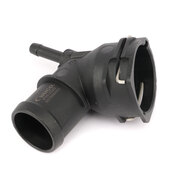


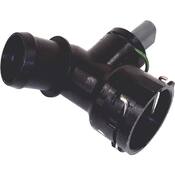

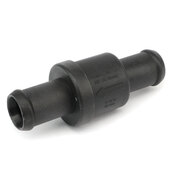
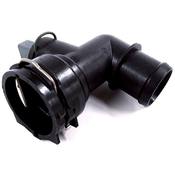


Essential for Vehicle Cooling Systems
Volkswagen coolant hose connectors are crucial components in maintaining the efficiency and operation of your vehicle's cooling system. These connectors ensure secure and leak-proof connections between various coolant hoses, helping to manage the engine's temperature by facilitating the smooth flow of coolant. FCP Euro offers a wide range of Volkswagen coolant hose connectors, including those for specific models like the Jetta, Passat, and Golf, ensuring you find exactly what you need for your vehicle.
Durable and Reliable
Made from high-quality materials, our coolant hose connectors are designed to withstand the harsh conditions of an engine's environment. This includes resistance to heat, pressure, and coolant chemicals, ensuring longevity and reliability. Whether you're dealing with a simple replacement or a full system overhaul, our connectors provide the durability you need to keep your Volkswagen running smoothly.
Explore More VW Parts
In addition to coolant hose connectors, FCP Euro offers a full spectrum of replacement parts and accessories for your Volkswagen. From essential engine components to performance upgrades like spark plugs and air filters, our catalog and VW Blog covers everything needed to maintain, repair, or enhance your Volkswagen's reliability and efficiency. Every part also comes with a Lifetime Replacement Guarantee, ensuring your vehicle benefits from high-quality components for its entire lifespan.
FAQs
What connects the coolant hose? Coolant hoses are connected to various engine components via coolant hose connectors. The upper radiator hose connects to the thermostat housing and the radiator, while the lower radiator hose links the radiator to the water pump. These connections are vital for the coolant's circulation, which is crucial for engine temperature regulation.
Can I replace a coolant hose connector myself? Yes, replacing a coolant hose connector is generally a straightforward task that most vehicle owners can undertake themselves. It involves removing the old connector and replacing it with a new one, ensuring it fits securely to prevent leaks. Always ensure the engine is cool before attempting any replacements to avoid injuries.
What are the signs of a failing coolant hose connector? Signs of a failing coolant hose connector include visible coolant leaks, steam from the engine bay, and overheating engine temperatures. If you notice any of these symptoms, it's important to inspect the connectors and hoses for any damage or wear and replace them as necessary to prevent further engine damage.
How often should coolant hose connectors be replaced? Coolant hose connectors should be inspected regularly and replaced if signs of wear or damage are observed. It's also advisable to replace them during major cooling system overhauls or when replacing other related components like the coolant hoses themselves to ensure all parts function reliably together.