
Audi EA839 3.0t Engine
- Audi EA839 3.0t Engine Fluids
- Audi EA839 3.0t Engine Maintenance & Issues
- Leaking Oil Filter Housings
- PCV Hose Failure
- Rocker Arm Failure (2018 Models)
- Water Pump Failure
- Thermostat Failure
- Coolant Shutoff Valve Replacement
- Engine Mount Failure
- Cylinder 6 Misfires
- Audi B9 S4 & S5 EA839 Engine Performance Modifications
- Aftermarket Intercoolers
- Software Tuning
- Audi EA839 Engine Specifications
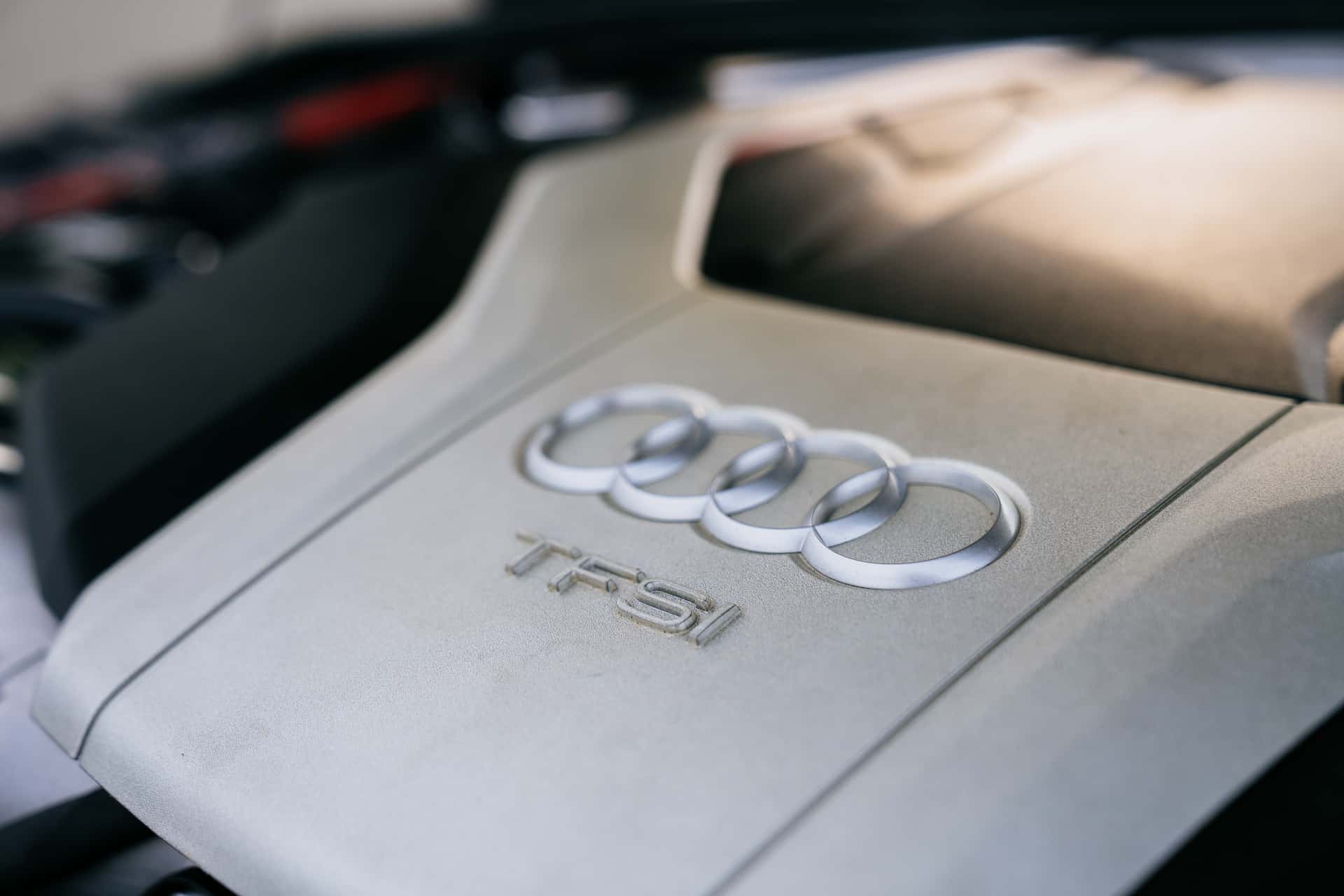
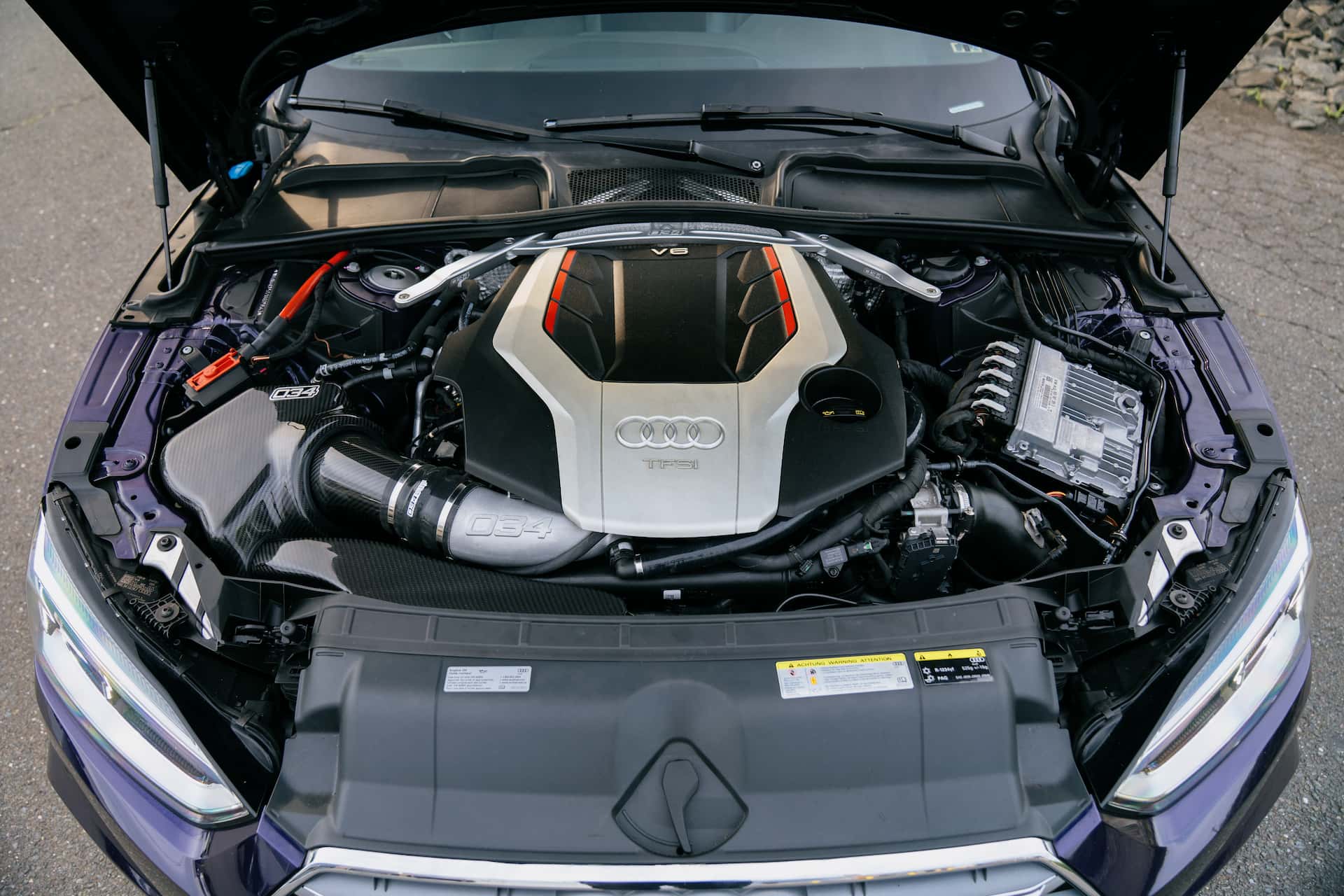
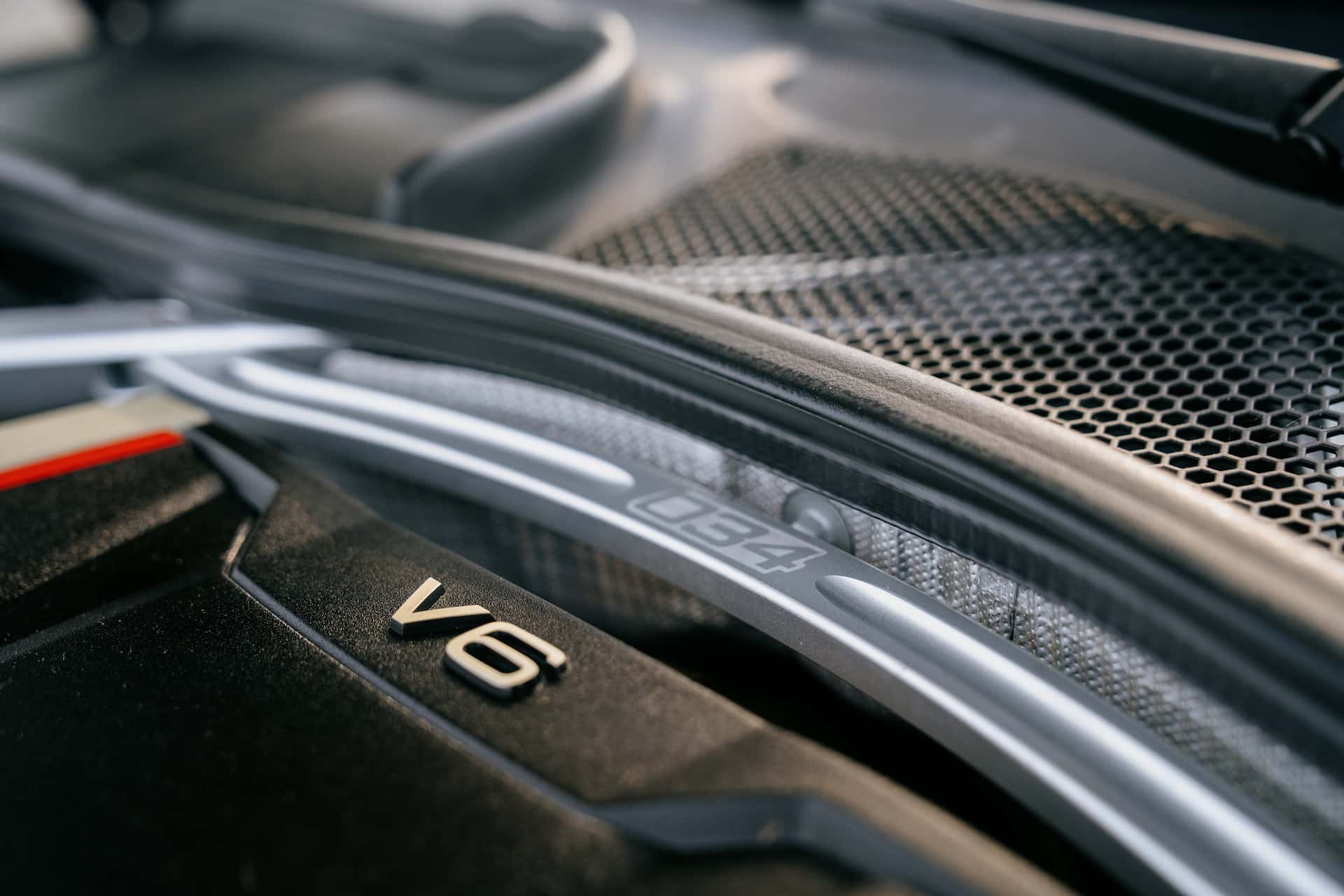
The Audi EA839 engine is the powerhouse behind some of the brand’s most exciting modern performance models, including the S4, S5, RS4, RS5, S6, and S7. Available as a 3.0-liter single turbo or a 2.9-liter twin turbo, it delivers instant throttle response, exceptional mid-range torque, and the kind of high-rev excitement that keeps drivers coming back for more. With a strong closed deck block, advanced turbocharging, and precision-engineered intake and exhaust systems, the EA839 combines everyday usability with track-ready performance that has made it a favorite among Audi enthusiasts worldwide.
More than just an impressive spec sheet, the EA839 delivers a driving experience that blends performance and refinement in a way few engines can match. It pulls hard through the rev range, delivers a distinctive and refined V6 sound, and offers the versatility to shine in both aggressive RS models and long-distance grand tourers like the A6 Avant.

Engine 3.0t (EA839) |

SKU:
KIT-06M198405FKT
QTY
$134.32+
| ||||
Transmission ZF 8HP (8HP55A) |

SKU:
KIT-LM20032KT
QTY
$102.75+
|
Leaking Oil Filter Housings
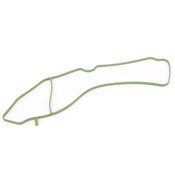
Audi’s EA839 3.0t utilizes a plastic oil filter housing mounted inside the hot vee bank of the engine. While this allows for easier accessibility and the ability to maximize space in the engine bay, the plastic and inherent effect of gravity allow the factory unit to weaken with heat cycles, and residual oil pooling down onto the gasket. Oil filter housings on 3.0Ts can develop a leak and can be difficult to spot, even tricking you into thinking you may have an oil leak from the oil pan or other areas. The turbo may need to be removed if owners are looking to replace their housing on RS5s 2.9T. If you suspect your oil filter housing is leaking, check for oil pooling in the valley above the oil cooler.

PCV Hose Failure
A common failure on the B9 S5 and S4’s 3.0T engine is the Positive Crankcase Ventilation (PCV) system, particularly the check valve integrated into the PCV hose. This system is responsible for relieving pressure from the crankcase by routing air back into the intake. The PCV block, which includes the oil fill cap, is mounted to the driver’s side cylinder head and connects to two hoses—one running to a point after the turbo and another to a point before it. A check valve controls airflow based on engine conditions: under vacuum (off boost), it vents crankcase pressure through the post-turbo hose, while under boost, it redirects flow to the pre-turbo intake to prevent boost pressure from entering the crankcase. However, when the check valve fails, pressurized air can be forced into the PCV block through the post-turbo hose, leading to oil leaks, burning oil, and even causing the oil cap to pop loose. Audi has acknowledged this issue with a Technical Service Bulletin (TSB) and released an updated hose and check valve assembly to resolve it, though we have seen better performance from upgraded PCV hoses, such as the 034Motorsport 3.0t PCV Hose. We highly recommend upgrading to this aftermarket solution to avoid future issues.

Rocker Arm Failure (2018 Models)
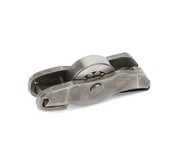
Rocker arm failure was a known issue on early production models of the 2018 Audi B9 S4 and S5. These components, located in the cylinder head, are responsible for transferring camshaft motion to the valves. In early B9 models, the rocker arms were prone to premature failure, often resulting in abnormal ticking noises from the valvetrain. While ticking is common to some degree on these engines due to the high-pressure fuel pump and direct injection system, a failing rocker arm produces a much more pronounced and distinct sound that shouldn’t be ignored.
To address the issue, Audi revised the rocker arm design over time. The updated rocker arms, introduced on August 6, 2018, feature several changes: larger diameter needle bearings, a smaller bearing shaft, a thinner outer race, and a slightly thinner pushrod end. These improvements were aimed at increasing durability and reducing the likelihood of premature wear or failure. If your B9 S4 or S5 was manufactured before that date, it likely came equipped with the older, more failure-prone rocker arms.
The part numbers for the rocker arms changed with each revision: 06M109417H was used until September 11, 2017, followed by 06M109417L until August 6, 2018, and finally 0P2109417 from that date onward. Owners of early B9 models should be aware of the potential for rocker arm failure and listen for early warning signs. Addressing the issue promptly can prevent more serious engine damage down the line.
You can visually differentiate the revised rockers by their:
- Distinctly Larger Diameter Needle Bearings
- Distinctly Smaller Bearing Shaft
- Slightly Thinner Outer Race
- Thinner Pushrod End of Arm (Vertically)

Water Pump Failure
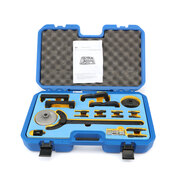
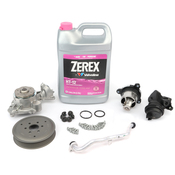
On the EA839 3.0T engine used in the B9 S4 and S5, one of the more common reliability concerns centers around the cooling system — specifically the water pump, coolant shut-off valve (also known as the thermal management valve), and thermostat. While Audi improved upon earlier engine designs by using a metal water pump housing (replacing the plastic ones that failed frequently in the EA837 generation), the water pump still contains plastic internal components, including the impeller and seals. Over time, these plastic parts are prone to wear, especially due to heat cycling, and can lead to coolant leaks, bearing noise, or loss of cooling efficiency. Most failures are seen between 60,000 and 80,000 miles, but earlier failures have been reported.
Closely tied to the water pump is the coolant shut-off valve, or thermal management valve, which regulates coolant flow through various engine circuits for faster warm-ups and optimized operating temperature. This component is also known to fail — commonly by sticking, leaking, or triggering fault codes such as P0597 or P2681. Symptoms of a faulty valve include sluggish cabin heating, irregular engine temps, coolant loss, and check engine lights. Replacement can be labor-intensive due to the valve's location near the back of the engine beneath the intake manifold.
The thermostat, integrated with the water pump assembly, is another weak point. It may fail open or closed, either delaying engine warm-up or causing overheating. Because it shares a housing with the water pump, failures of one often lead to replacement of the entire unit. While Audi has released revised parts over the years, failures remain common enough that many owners choose to proactively replace these cooling system components during major service intervals or at the first sign of trouble.
Together, these cooling system issues highlight a key area of concern on the EA839 platform. Regular monitoring of coolant levels, early diagnosis of leaks or temperature irregularities, and use of updated OEM or high-quality aftermarket components can go a long way in maintaining reliability.
Related Fault Codes & Warnings
P2601 - This code specifically indicates a problem with the coolant pump's control circuit.
- P33688 - ROD - Unknown Error Code - This code, sometimes seen on VCDS, might also be associated with water pump issues.

Thermostat Failure
The thermostat, integrated with the water pump assembly, is another weak point of the B9 Audi S4/S5 cooling system. It may fail open or closed, either delaying engine warm-up or causing overheating. Because it shares a housing with the water pump, failures of one often lead to replacement of the entire unit. While Audi has released revised parts over the years, failures remain common enough that many owners choose to proactively replace these cooling system components during major service intervals or at the first sign of trouble.


Coolant Shutoff Valve Replacement
Closely tied to the water pump is the coolant shut-off valve, or thermal management valve, which regulates coolant flow through various engine circuits for faster warm-ups and optimized operating temperature. This component is also known to fail, commonly by sticking, leaking, or triggering fault codes such as P0597 or P2681. Symptoms of a faulty valve include sluggish cabin heating, irregular engine temperatures, coolant loss, and check engine lights. Replacement can be labor-intensive due to the valve's location near the back of the engine, beneath the intake manifold.


Engine Mount Failure
Another common failure point on the B9 S4 and S5 equipped with the EA839 3.0T engine is the motor mounts. These cars use electronically controlled hydraulic motor mounts, which are designed to balance engine support with refinement. At idle and low-speed conditions, the mounts stay softer to reduce vibration, while under load they stiffen to improve responsiveness. While this design enhances comfort and performance, it introduces additional complexity—and unfortunately, a higher chance of failure.
The mounts typically begin to fail around 50,000 to 80,000 miles, though it can happen sooner. Most failures involve hydraulic fluid leaks from the mount body or electrical failure of the control solenoids. When the mounts start to go bad, owners may notice increased engine vibration at idle, a rougher startup or shutdown, and sometimes thumps or clunks under acceleration or deceleration. If the electronic portion fails, the car may store diagnostic trouble codes (DTCs) like P1573 or P1571, often accompanied by a check engine light or drivetrain malfunction warning.
Because both mounts are controlled together, it's typically recommended to replace them as a pair, even if only one appears faulty, especially given the labor scope of removal. Audi has released updated versions of these mounts over time, but even the revised units can fail eventually. Some owners opt for aftermarket solutions, such as stiffer polyurethane or upgraded hydraulic mounts, especially if the car is tuned or driven aggressively. However, stiffer mounts can introduce additional vibration, so the trade-off depends on driving priorities.
In short, while the EA839 offers strong performance, the motor mounts are a known weak point—particularly due to their electronic complexity and fluid-filled design. Keeping an eye out for early symptoms and addressing failures quickly can help avoid unnecessary drivetrain stress or vibrations over time.
Common Engine Mount Fault Codes & Warnings:
- P1573 – Right Engine Mount Solenoid Valve (N145): Open Circuit / Electrical Malfunction
- This indicates the electronic portion of the right motor mount is no longer functioning properly—often due to an internal short, broken wiring, or connector issue.
- P1571 – Left Engine Mount Solenoid Valve (N144): Open Circuit / Electrical Malfunction
- Similar to P1573, but for the left mount. Again, this usually relates to a failure of the electronic damping system inside the mount.
- P1588 – Engine Mount Control Circuit: Electrical Malfunction
- A more general code that may show up when there's a fault in the overall engine mount control system, such as a short, power supply issue, or control module error.
- U0416 – Invalid Data Received from Vehicle Dynamics Control Module
- Sometimes appears as a secondary fault when the mounts are failing and confusing the adaptive engine/transmission mount logic.


Cylinder 6 Misfires
The EA839 3.0T V6 used in the B9 Audi S4 and S5 has seen a recurring and concerning issue involving cylinder 6 misfires, which in some cases escalates to more serious engine damage. This issue has been reported by a growing number of owners—particularly in early model years (2018–2020)—and has sparked discussion across enthusiast forums and dealership service departments.
The problem typically begins with a persistent misfire on cylinder 6, often accompanied by a check engine light and stored misfire codes like P0306. These misfires are being seen both on stock and tuned engines, but a higher ratio of tuned engines have been affected. Initially, many dealerships and independent shops will attempt basic fixes like replacing spark plugs and coil packs, which sometimes resolve the issue temporarily. However, in a worrying number of cases, the misfire returns—and more in-depth investigation reveals mechanical damage in the affected cylinder. This can include scored cylinder walls, low compression, or oil consumption, all of which point to internal engine failure.
The root cause hasn’t been officially confirmed by Audi, but several theories are circulating. Some suspect oil starvation in that specific cylinder under certain conditions, while others point to possible fuel injector leakage, piston ring failure, or even casting or machining defects on the block itself during production. What’s particularly troubling is that in severe cases, the fix involves a full engine replacement, as cylinder wall scoring isn’t easily repairable in the EA839’s aluminum block. Audi has reportedly covered some of these failures under warranty, especially when vehicles have full service records and low mileage—but not always.
Because of the frequency and severity of this failure mode, many owners and tuners are now approaching persistent cylinder 6 misfires on the EA839 with a high degree of caution. Compression and leak-down testing is often recommended if misfires persist beyond normal maintenance items. While not every EA839 engine is affected, it’s become a notable risk factor for buyers of used B9 S4/S5s and a key point of concern in long-term ownership.
Aftermarket Intercoolers
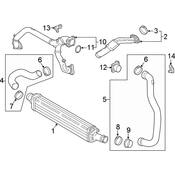
The Audi B9 S4, featuring the 3.0-liter single-turbo V6 (EA839), utilizes a single front-mounted air-to-air intercooler to manage intake air temperatures. In this setup, the turbocharger—mounted within the engine’s hot-V layout—compresses the intake air, which significantly increases its temperature. That hot, pressurized air is then routed forward to a large intercooler mounted behind the center section of the front grille. There, ambient air cools the charge before it's directed through the charge piping and into the engine’s intake manifold.
Under extended hard driving, such as spirited canyon runs or track sessions, this design is prone to heat soak. This occurs when the intercooler can no longer effectively reject heat, causing intake air temperatures (IATs) to rise. As a result, the ECU will begin pulling timing to protect the engine, which leads to reduced performance. Additionally, the stock intercooler has a relatively small core volume and modest internal flow characteristics, which become a bottleneck when increasing boost levels with ECU tuning.
To address these performance bottlenecks, many owners turn to the aftermarket for an intercooler upgrade. These performance intercoolers are engineered to handle the increased thermal demands of tuned engines, providing dramatically improved heat dissipation and airflow. This translates to cooler and more consistent IATs, particularly during repeated full-throttle pulls or track use. Gains from an intercooler upgrade alone can range from 10 to 20 wheel horsepower, especially when paired with a tune, simply by maintaining optimal intake temperatures and avoiding timing pull.
In addition to the intercooler itself, many enthusiasts choose to upgrade the charge piping at the same time. The factory plastic charge pipes can be restrictive and are prone to failure under high boost. Upgraded aluminum or reinforced silicone pipes provide smoother airflow and greater durability. When paired with a high-efficiency intercooler, this results in a more responsive and reliable system overall.
For those running Stage 1+ or Stage 2 ECU tunes, or considering a hybrid turbo setup, an intercooler upgrade is a near-essential modification. Higher boost levels naturally create more heat, and without improved cooling capacity, performance will become inconsistent and potentially risky. A larger, better-designed intercooler allows the engine to maintain safer ignition timing and deliver consistent power, even under sustained load.


Software Tuning
Software tuning is one of the most impactful upgrades available for the Audi B9 S4 and S5. A Stage 1 ECU tune—typically designed for otherwise stock vehicles—can boost horsepower and torque significantly, often pushing output from the factory-rated 349 hp to over 410–470 hp and 500+ lb-ft of torque, depending on the fuel used (91, 93, or E85 blends). Stage 2 tunes, which usually require supporting hardware like a high-flow downpipe or upgraded intercooler, can take things even further. For enthusiasts seeking maximum performance, TCU (transmission) tuning is also available for the ZF 8-speed automatic, improving shift speed, torque handling, and gear mapping. Overall, tuning unlocks the full potential of the EA839 engine, transforming the B9 S4/S5 into a much quicker, more engaging car while maintaining factory-like refinement when cruising.

| Category | Specification |
|---|---|
| Engine family | EA839 V6 TFSI |
| Displacement | 2,995 cm³ (3.0 L) |
| Configuration | 90° V6, DOHC, 24 valves |
| Induction | Single twin-scroll turbocharger mounted in the “hot-V” |
| Charge-air cooling | Water-cooled (low-temperature circuit) |
| Combustion concept | “B-cycle” (Miller-type) for part-load efficiency |
| Valve control | AVS (Audi Valvelift System) on intake; continuous cam phasing |
| Fuel system | Dual injection: FSI (direct) + MPI (port) |
| Block & heads | Aluminum alloy |
| Timing | Chain drive (rear of engine) |
| Lubrication | Demand-controlled (map-controlled) oil pump |
| Cooling | Split-circuit cooling with mapped coolant control |
| Emissions hardware | Close-coupled catalytic converters; integrated hot-V exhaust routing |
| Bore × stroke | 84.5 mm × 89.0 mm |
| Compression ratio | 11.2 : 1 |
| Max power | ≈ 349 hp @ 5,400–6,400 rpm (conversion from 260 kW in SSP 655) |
| Max torque | ≈ 369 lb-ft @ 1,370–4,500 rpm (conversion from 500 Nm in SSP 655) |